

Executive Overview
Between its apex predators, a ceaseless supply of eccentric characters destined for tabloid infamy, and its status as the adopted haven of various political firebrands, Florida has long held a unique reputation in the American consciousness. It functions affectionately—and sometimes alarmingly—as the nation’s "weird uncle." You know the type: the eccentric relative who sheds his shirt every Christmas morning to cannonball into the pool, flailing his arms wildly until someone inevitably documents the spectacle for posterity.
Yet, this penchant for the unconventional is hardly a modern phenomenon born of social media algorithms or 24-hour news cycles. Florida planted the seeds of its systemic instability decades—and in some cases centuries—ago, manifesting in the whimsical, bizarre, and downright confounding names bestowed upon its early cities, townships, and settlements. Long before the era of viral headlines, Florida’s pioneers, railroad developers, and postmasters were busy stamping the map with monikers that range from the historically curious to the utterly baffling.
This deep-dive investigative feature examines the origins, evolution, and cultural footprints of ten of the strangest town names in the Sunshine State. From settlements that traded poultry for groceries to a town temporarily rebranded after a polarizing sandwich spread, these are the stories behind Florida’s geographical anomalies.
Detailed Chronology of Florida’s Peculiar Nomenclature
The tapestry of Florida’s place names is a direct reflection of its tumultuous history, characterized by colonial struggles, land booms, wartime logistics, and frontier pragmatism.
1. Frostproof (Polk County)
- Location: Dead center of Florida, southern Polk County (midway between Tampa and Orlando).
- Population (Est. 2024): 3,032
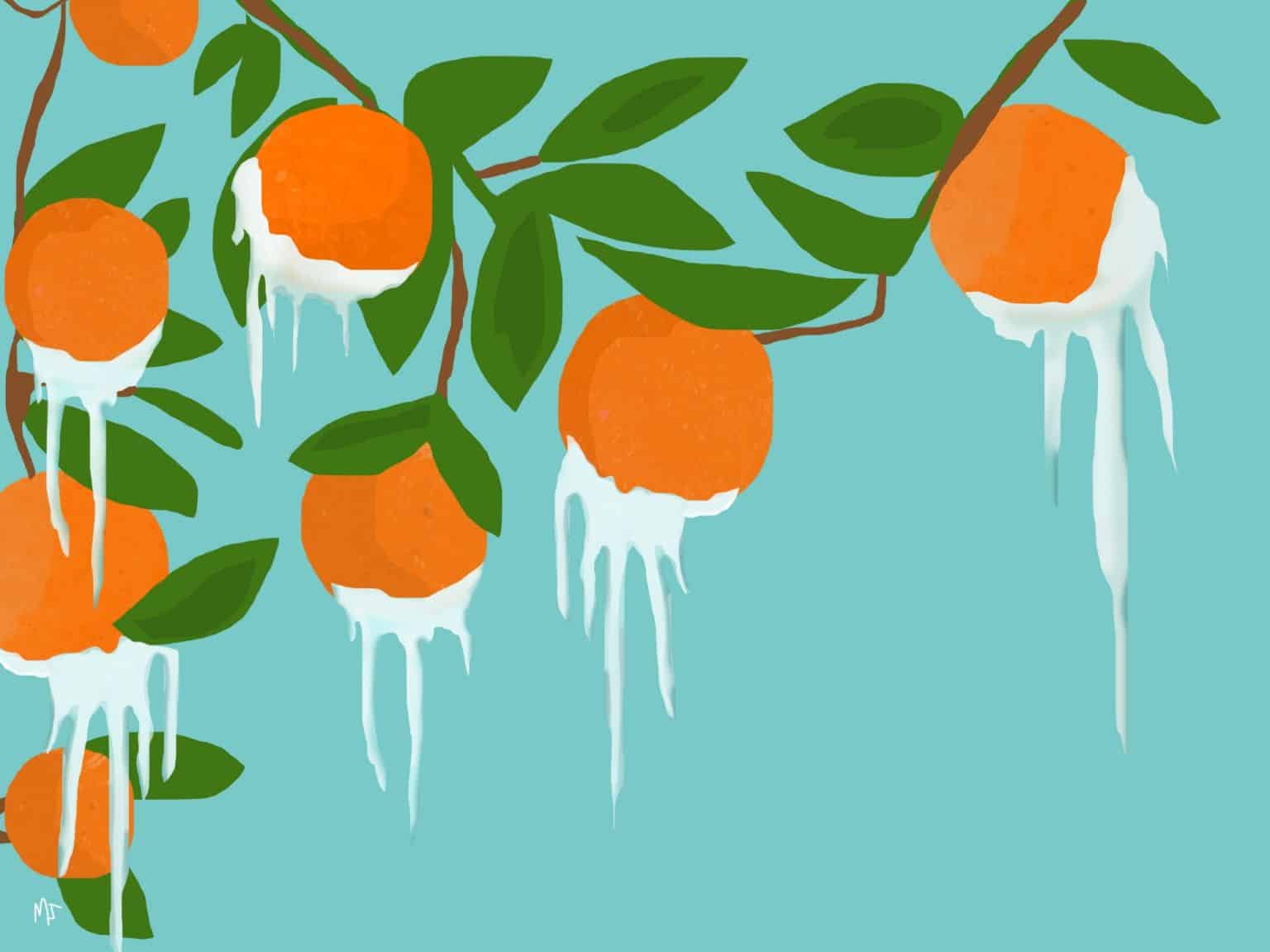
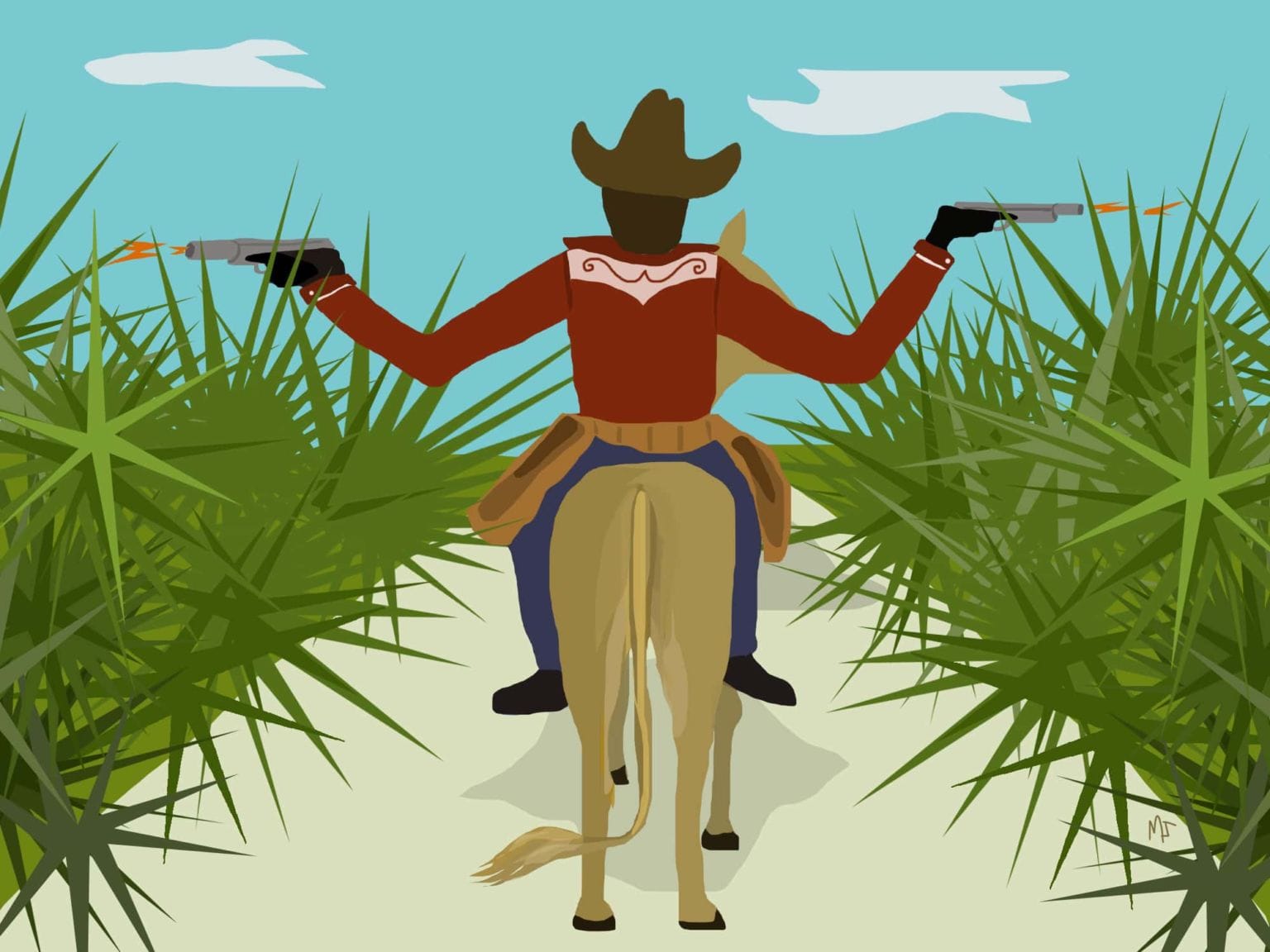
- The Backstory: No municipality in Florida is truly immune to the occasional cold snap, but the moniker "Frostproof" was born out of economic aspiration rather than meteorological fact. Founded to entice citrus growers—whose multi-million-dollar crops remain notoriously vulnerable to sub-freezing temperatures—early town planners selected the name as a bold marketing ploy. By branding the settlement as "Frostproof," they hoped to convince agricultural pioneers that their groves would be safe from the devastating freezes that frequently swept the peninsula. While hard freezes have tested the name over the decades, the town remains deeply tied to its agricultural roots and counts citrus baron Ben Hill Griffin Jr. among its most famous native sons.
2. Howey-in-the-Hills (Lake County)
- Location: Northwest of Orlando, nestled within the rolling topography of Lake County.
- Population (2018): 1,175
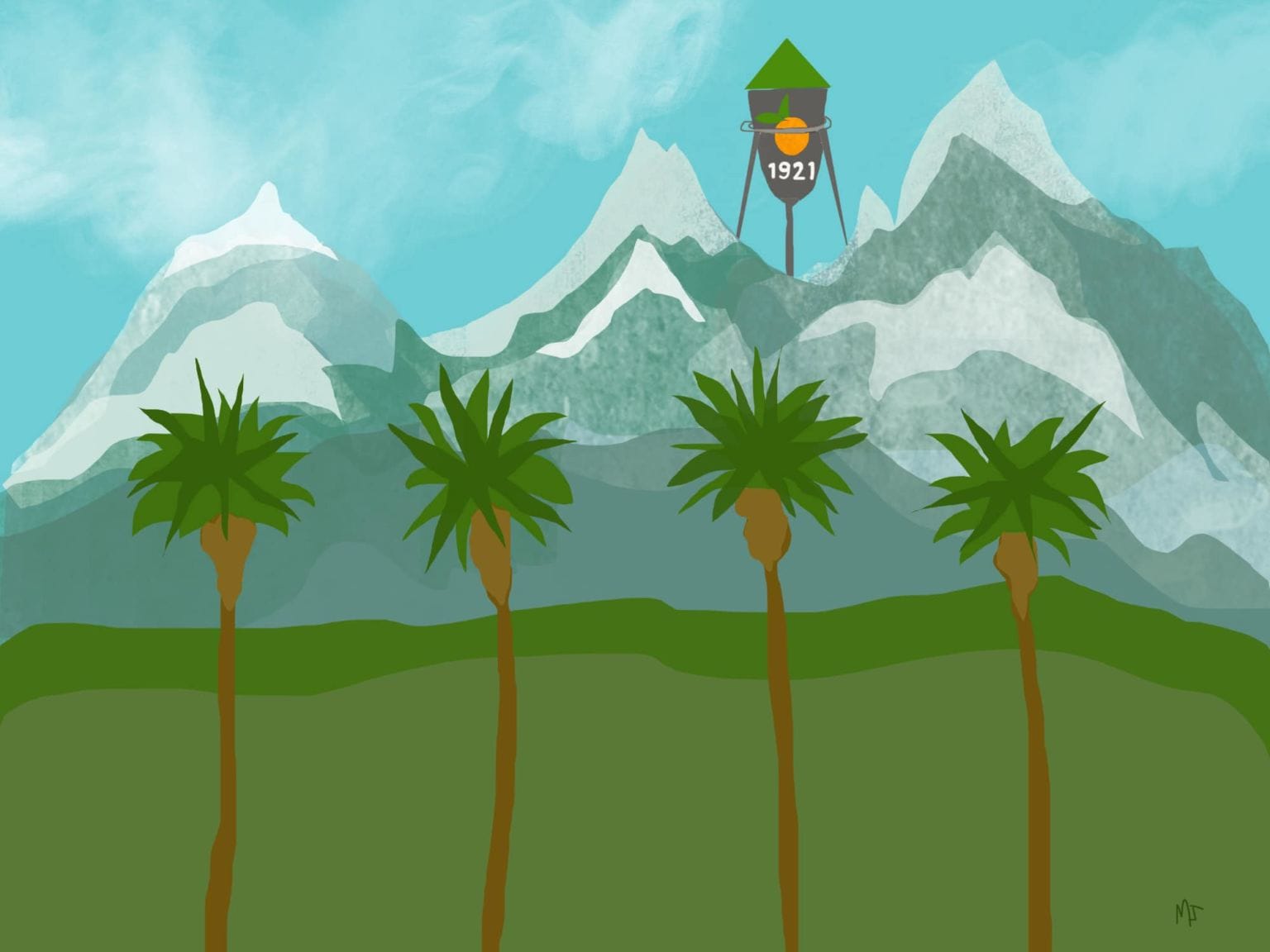
- The Backstory: In 1925, citrus juice magnate William John Howey established a modest agricultural settlement simply named "Howey." Recognizing the unique topography of the region—which defied the state’s stereotype of endless, flat wetlands—Howey championed the area’s gently undulating hills as the "Florida Alps." By 1927, the town officially updated its name to Howey-in-the-Hills to capture this geographic distinction. Four years prior, in 1921, the town cemented its place in agricultural history by opening what is widely considered the state’s first commercial citrus juice plant.
3. Yeehaw Junction (Osceola County)
- Location: Central Florida intersection of Florida’s Turnpike and State Road 60.
- Population (2010): 240
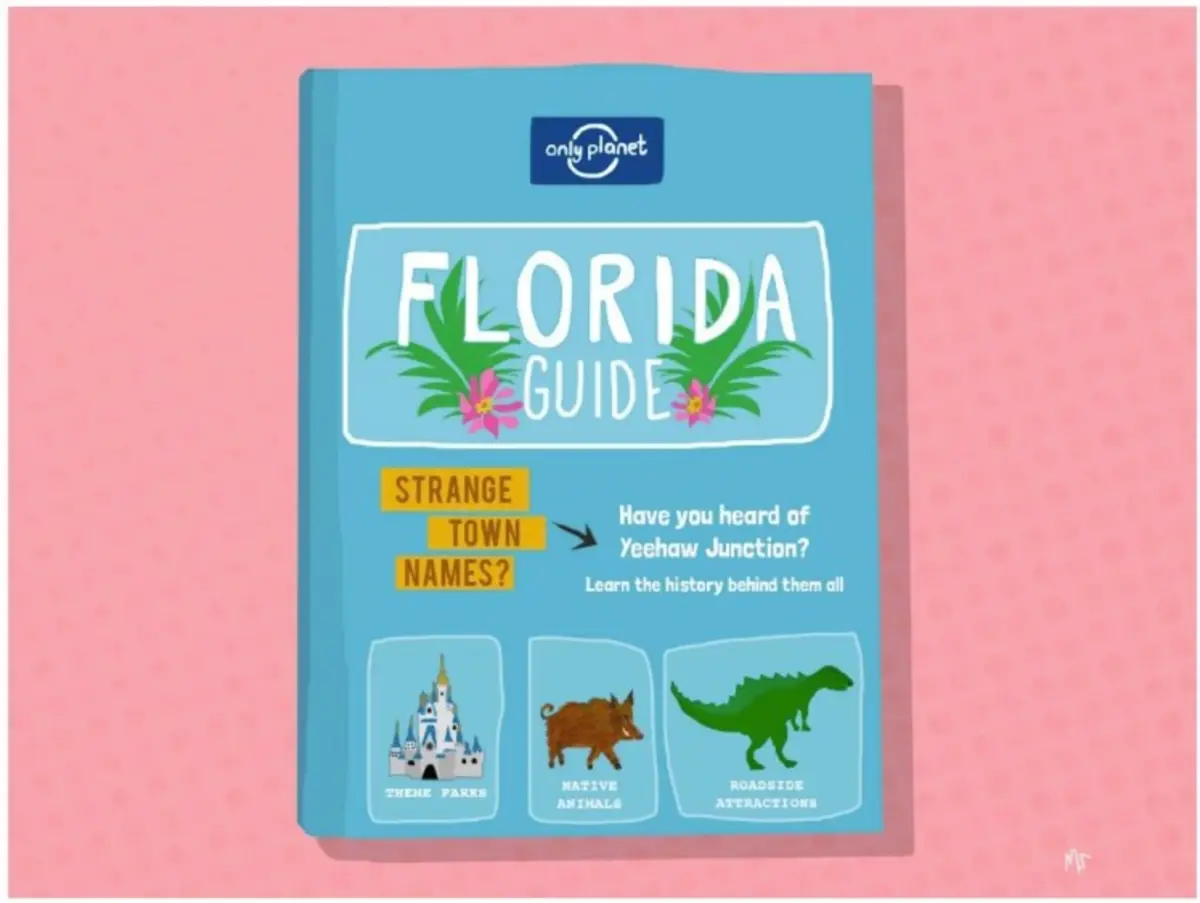
- The Backstory: More a navigational waypoint than a traditional municipality, Yeehaw Junction boasts a etymology layered in folklore. Etymologists and historians debate three primary origins: first, that it derived from the nearby "Yeehaw" station on the old Florida East Coast Railway; second, that it stems from a Creek Indian phonetic translation for the now-extinct Florida Black Wolf; and third, that early cattle ranchers referred to the area as "Jackass Junction" due to the pack animals utilized in the local terrain. Its darkest historical footnote emerged decades later: in the late 1960s, Yeehaw Junction was quietly utilized for the clandestine testing of a biological warfare chemical designated "Agent TX," intended to decimate rival agricultural wheat crops during wartime—a secret that remained buried until 2002.
4. Christmas (Orange County)
- Location: Unincorporated region east of Orlando.
- Population (2018): 1,146
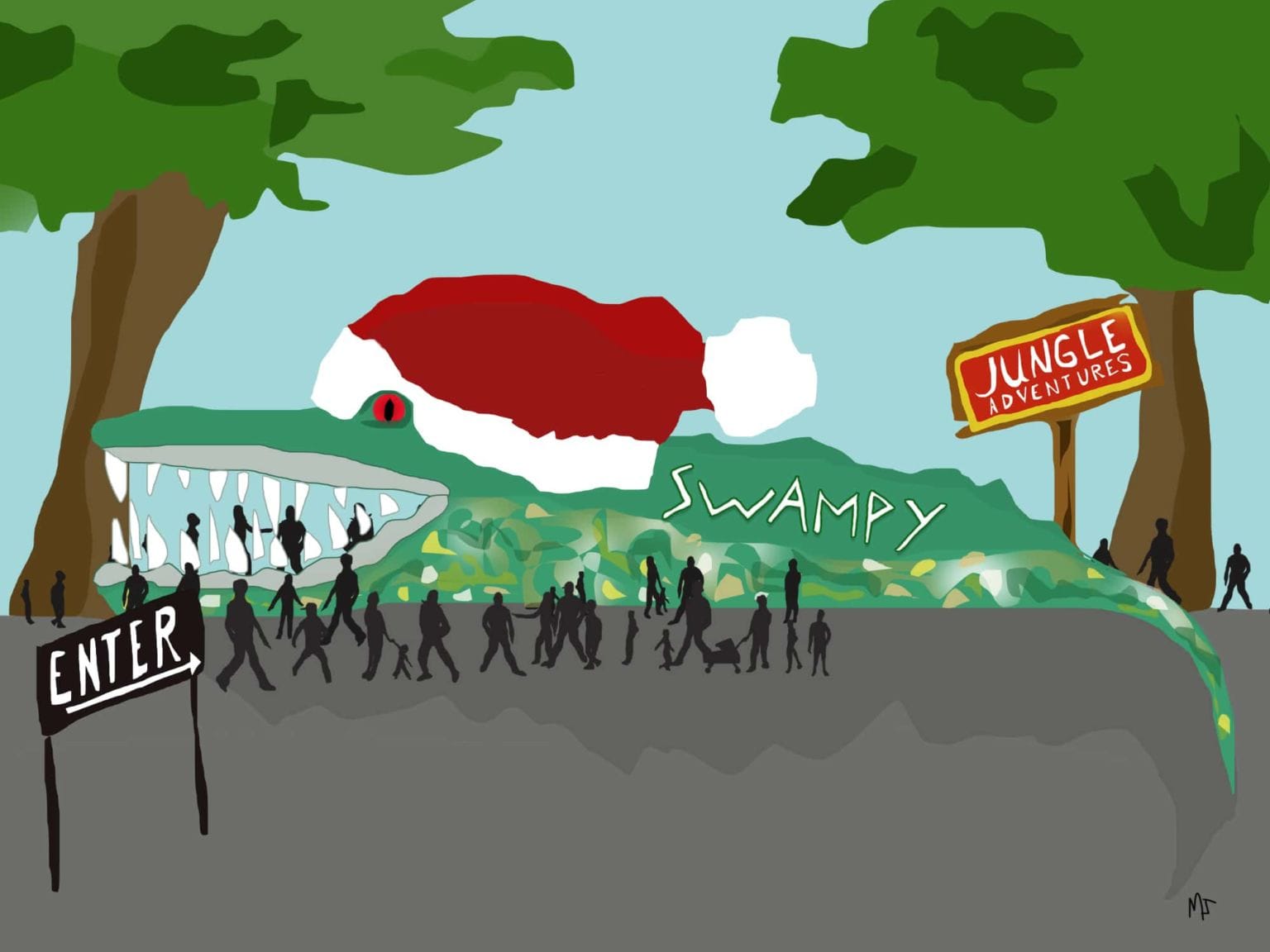
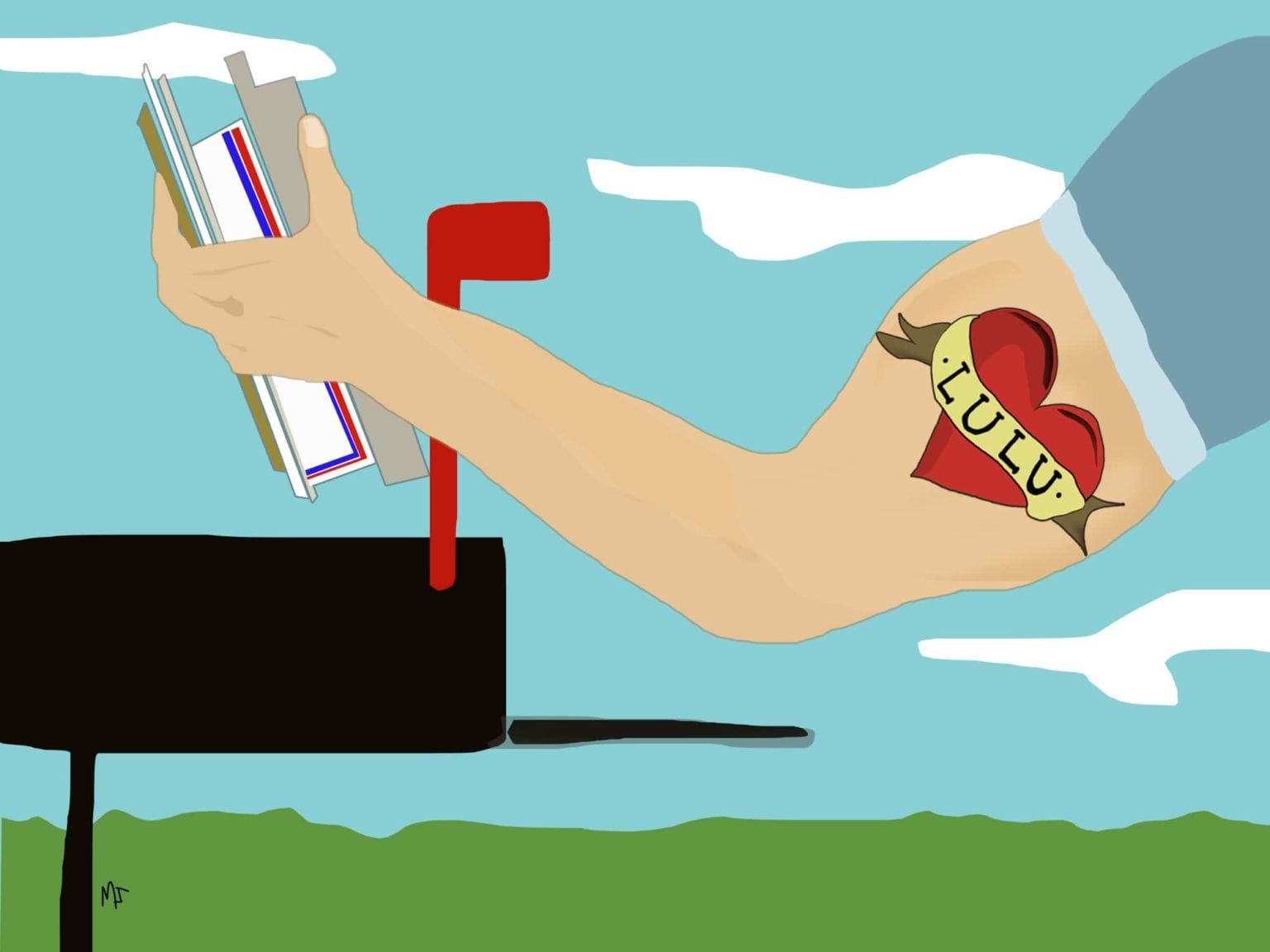
- The Backstory: The origins of Christmas are rooted directly in military strategy during the Second Seminole War. On December 25, 1837, a formidable force of 2,000 U.S. Army regulars and Alabama Volunteers arrived in the region to construct a strategic outpost, which they christened Fort Christmas. Today, a meticulous, full-scale replica of the fort stands as a monument to that era. The town has since capitalized on its festive moniker; every holiday season, its post office is inundated with thousands of pieces of mail from citizens nationwide seeking the coveted "Christmas, FL" postmark. Furthermore, the community hosts Jungle Adventures, home to the world’s largest alligator-shaped building.
5. Two Egg (Jackson County)
- Location: Northwest Florida, near the Georgia border.
- Population (2018): Undetermined/Small Rural Enclave
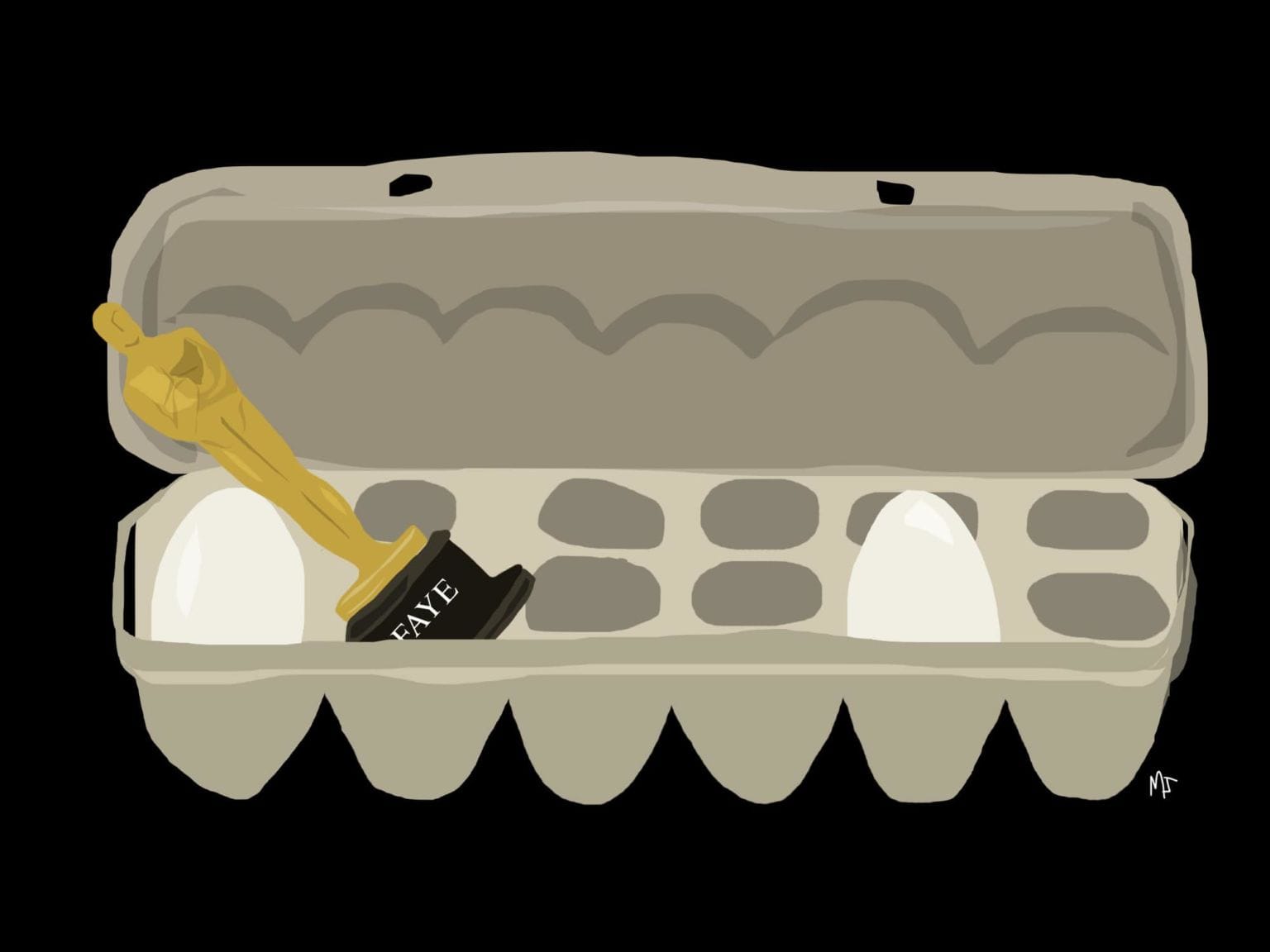
- The Backstory: Long before European contact, the area that encompasses Two Egg served as a vital trading post for Native Americans, yielding archaeological artifacts thousands of years old. Modern settlement began around the Civil War era under the name Allison, honoring a local sawmill enterprise. However, the Great Depression of the 1930s permanently altered the town’s identity. To acquire vital staples like sugar, local children frequently visited a general store to barter items they could scavenge—most notably, pairs of chicken eggs. The barter system stuck, local lore cemented the exchange, and the town was rechristened Two Egg. Notably, the community claims Academy Award-winning actress Faye Dunaway as a childhood resident.
6. Bagdad (Santa Rosa County)
- Location: Florida Panhandle, Santa Rosa County.
- Population (2000): 1,490
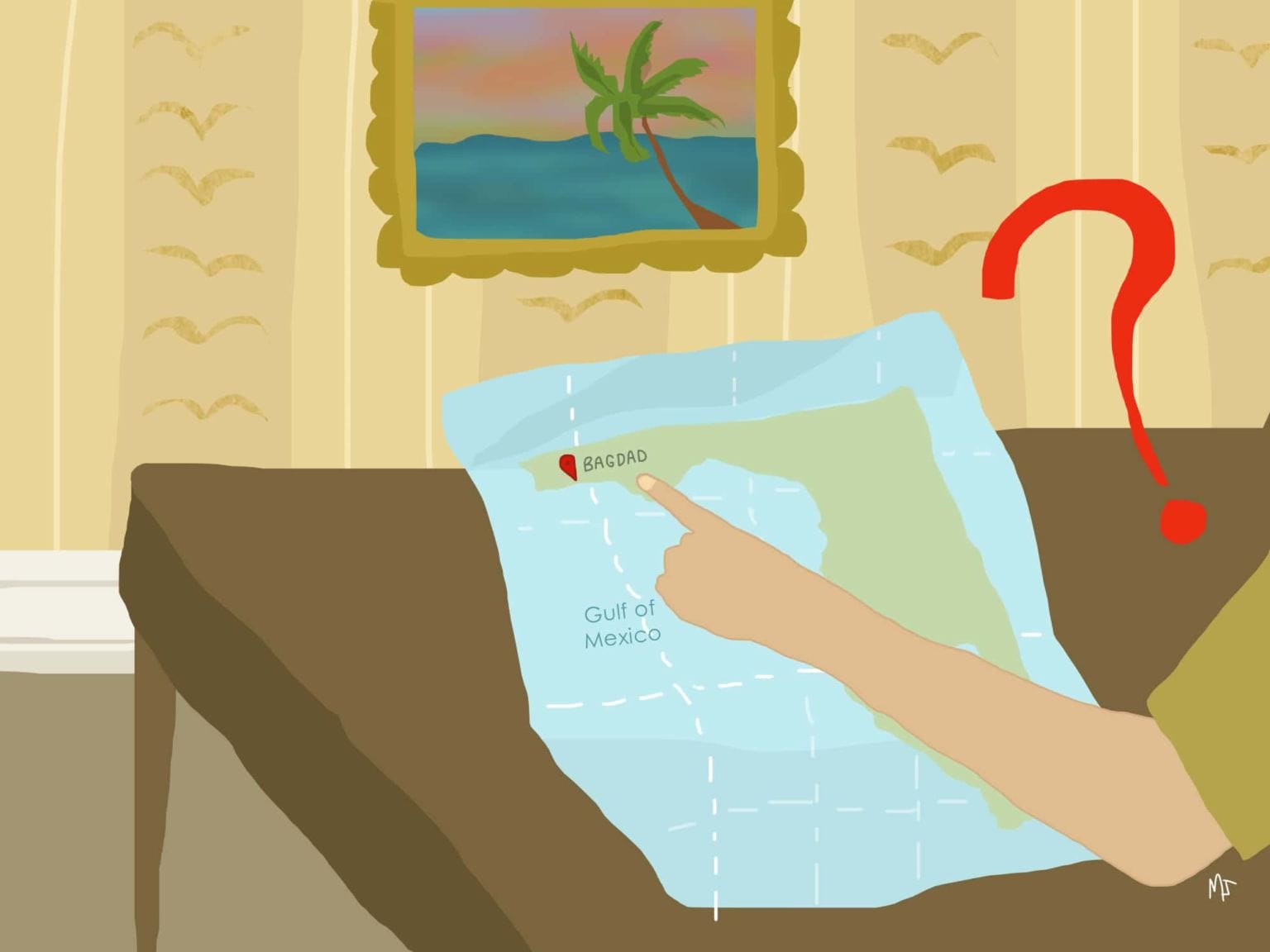
- The Backstory: Established in 1840 primarily as a lumber mill operation, Bagdad shares its name with the capital of Iraq, albeit missing an ‘h’. While definitive documentation regarding the exact inspiration for the name remains elusive, a 1990 historical inquiry surfaced a compelling geographical theory: Bagdad, Florida, sits at the confluence of Pond Creek and the Blackwater River, mirroring the iconic convergence of the Tigris and Euphrates rivers in the Middle East. The town also holds modern fame as the birthplace and childhood home of PGA Tour champion Bubba Watson.
7. Briny Breezes (Palm Beach County)
- Location: South Florida Atlantic coast, Palm Beach County.
- Population (2000): 411
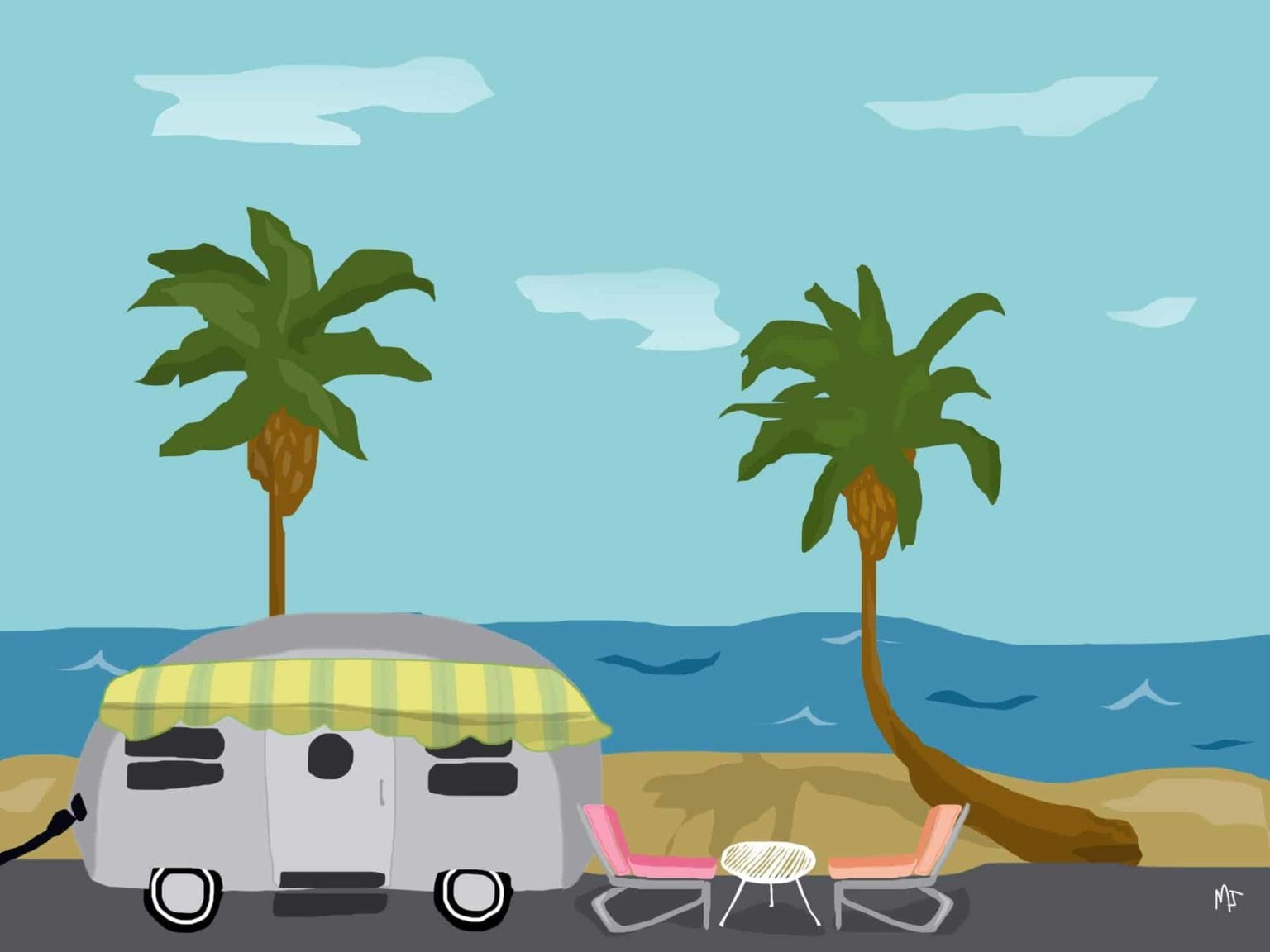
- The Backstory: "Briny," as it is colloquially known, features perhaps the most idiosyncratic socio-economic trajectory in the state. During the 1920s and 30s, the land operated as a strawberry farm owned by a Michigan lumberman who rented coastal parcels to tourists and RV owners for $3 a week. When the owner retired, he offered his tenants the chance to purchase their plots for roughly $2,000 each. The residents pooled their resources, incorporated as Briny Breezes—a nod to its sliver of land squeezed between the Atlantic Ocean and the Intracoastal Waterway—and established a cooperative mobile home community. In 2005, the town made national financial news when developers offered residents $500 million for the 0.1-square-mile property. Though the deal ultimately collapsed amid zoning disputes, Briny Breezes remains a uniquely preserved, retiree-dominated cooperative enclave.
8. Lulu (Columbia County)
- Location: North Central Florida, Columbia County.
- Population (2018): Undetermined
- The Backstory: Documented extensively in regional archives such as the Tampa Tribune, Lulu traces its origins to the 1890s. The region’s inaugural postmaster sought to honor his romantic partner at the time by bestowing her name upon the newly established postal district. While the romance itself proved ephemeral, the name survived, cementing itself on official maps and in the collective memory of North Central Florida.
9. Lorida (Highlands County)
- Location: South of Orlando, situated between Sebring and Lake Okeechobee.
- Population (2018): Undetermined
- The Backstory: Lorida’s cartographic evolution is a study in municipal rebranding. Over the decades, the settlement answered to several names, including Cow House, Sunnyland, and Istokpoga. By 1937, persistent logistical confusion involving local railway freight schedules and the name Istokpoga prompted civic leaders to pursue a radical simplification. They permanently adopted the state’s name—simply dropping the initial "F." Today, the unincorporated community functions primarily as a quiet collection of rustic fish camps and family-run storefronts.
10. Mayo (Lafayette County)
- Location: North Florida, halfway between Gainesville and Tallahassee.
- Population (2010): 1,237
- The Backstory: Unlike the whimsical origins of its peers, Mayo holds the distinction of being the only municipality on this list named after an actual individual: Confederate Colonel James Micajah Mayo. However, the town’s modern claim to fame occurred in 2018, when city officials executed a high-profile corporate partnership. In exchange for a $250,000 charitable donation, Mayo temporarily rebranded itself as "Miracle Whip" as part of a marketing campaign for the competing condiment. Residents proudly donned T-shirts declaring themselves citizens of "Miracle Whip, Florida." Furthermore, the town holds a revered place in collegiate sports history as the birthplace of University of Florida legendary quarterback Kerwin Bell, affectionately dubbed the "Throwin’ Mayoan."
Supporting Context & Metrics
To fully appreciate the scope of these unusual place names, one must examine the demographic and geographic framework that supports them. Florida’s unique landscape—spanning dense swamplands, rolling agricultural ridges, and coastal barrier islands—directly influenced the settlement patterns of the 19th and early 20th centuries.
| Town Name | County | Est. / Historical Population | Primary Historical Driver | Notable Cultural Claim |
|---|---|---|---|---|
| Frostproof | Polk | ~3,032 (2024) | Citrus / Agricultural Marketing | Citrus Baron Ben Hill Griffin Jr. |
| Howey-in-the-Hills | Lake | 1,175 (2018) | Citrus Juice Production | First State Citrus Plant (1921) |
| Yeehaw Junction | Osceola | 240 (2010) | Railway / Ranching / Defense | Secret Cold War Agent TX Testing |
| Christmas | Orange | 1,146 (2018) | Seminole War Military Outpost | Fort Replica & Holiday Postmark |
| Two Egg | Jackson | Rural Enclave | Frontier Barter Economy | Childhood Home of Faye Dunaway |
| Bagdad | Santa Rosa | 1,490 (2000) | Lumber Mill / River Confluence | Birthplace of Golfer Bubba Watson |
| Briny Breezes | Palm Beach | 411 (2000) | Coastal Farming / Cooperative | $500M Land Buyout Attempt (2005) |
| Lulu | Columbia | Rural Enclave | 1890s Postal Romance | Annual Historical Heritage Festivals |
| Lorida | Highlands | Rural Enclave | Railway Simplification | Local Fishing Camps & Lore |
| Mayo | Lafayette | 1,237 (2010) | Civil War Era Settlement | 2018 "Miracle Whip" Rebrand |
Official Statements and Local Perspectives
Preserving the heritage of these unconventional municipalities requires a delicate balance between historical accuracy and commercial self-awareness. Local historical societies and municipal offices frequently field inquiries regarding these eccentric monikers.
Representatives from the Polk County Historical Association emphasize that names like Frostproof illustrate the immense psychological pressure early developers faced when trying to conquer an unforgiving wilderness. "When you are asking families to invest their life savings into planting citrus in what was essentially frontier scrubland, psychological reassurance was just as important as irrigation," noted archival curator Sarah Jenkins. "Naming a town ‘Frostproof’ was an act of manifest destiny through sheer nomenclature."
Similarly, municipal leaders in small enclaves like Briny Breezes view their unusual history not as a novelty, but as a testament to communal resilience. Despite facing immense economic pressures from South Florida real estate developers—epitomized by the near-sale of the entire municipality in 2005—residents have fought fiercely to maintain the cooperative, tight-knit fabric of their coastal mobile home village.
Future Outlook
As Florida continues to experience explosive population growth, welcoming hundreds of new residents daily, its historic landscapes face unprecedented pressures from urbanization and suburban sprawl. Mega-subdivisions and master-planned communities with standardized, corporate-sounding names threaten to homogenize the state’s map.
Yet, the tenacity of these historic settlements—whether it is the seasonal postcard rush in Christmas, the cooperative spirit of Briny Breezes, or the agricultural pride of Frostproof—ensures that Florida’s eccentric linguistic heritage will endure. These anomalous place names serve as permanent reminders of a frontier era defined by wild optimism, eccentric romance, and unapologetic individuality, cementing Florida’s status as America’s most fascinating cultural laboratory.

0 Comments