

Executive Overview
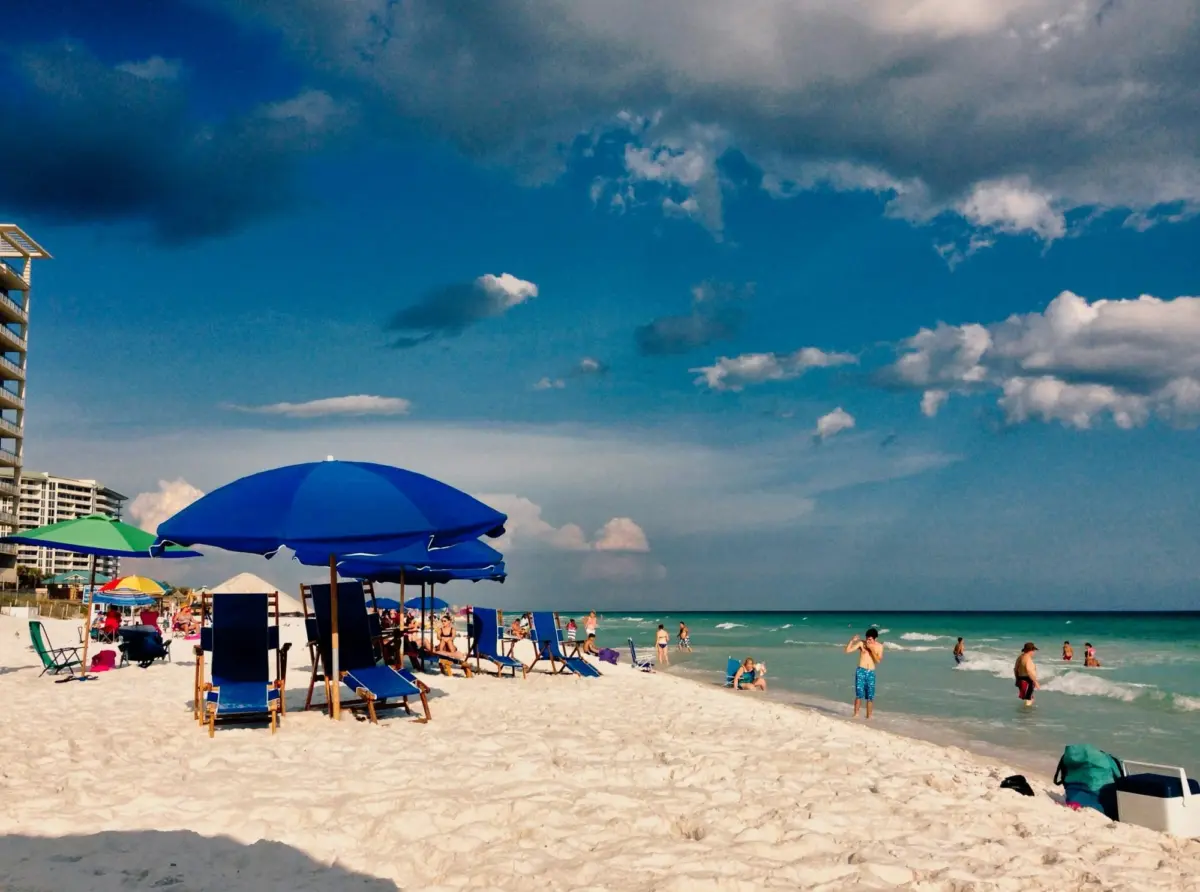
For generations, the phrase "The Sunshine State" has served as an inseparable cultural and geographic shorthand for Florida. It evokes endless stretches of golden beaches, perpetual summer warmth, and cloudless blue skies. Printed on millions of license plates, tourism brochures, and postcards, the moniker feels as permanent and natural as the peninsula’s coastline. Yet, a deep dive into meteorological data, climatological studies, and official rankings reveals a surprising truth: Florida is not actually the sunniest state in the United States.
While state legislators officially codified "The Sunshine State" into law in 1970, modern data tells a different story. According to comprehensive metrics from organizations like the Centers for Disease Control and Prevention (CDC) and the National Weather Service (NWS), Florida routinely falls well outside the top tier of the nation’s sunniest regions. Meteorological realities—specifically the state’s infamous, clockwork summer afternoon thunderstorms—mean that "The Partly Cloudy State" might occasionally be a more scientifically accurate description.
This investigative report examines the data behind America’s sunniest regions, evaluates how Florida actually stacks up against its western and southwestern rivals, explores the urban weather patterns of the peninsula, and proposes a more fitting identity for a state defined overwhelmingly by its vast, life-giving waters.
Detailed Chronology: How Florida Claimed the Sun
To understand how Florida became "The Sunshine State," one must look back at the intersection of tourism, real estate boosterism, and legislative action.
The Pre-Legislative Era (Early 20th Century)
Before the mid-20th century, Florida’s identity was shaped largely by agricultural booms, the drainage of the Everglades, and the nascent luxury tourism industry spearheaded by pioneers like Henry Flagler. Early developers and chambers of commerce realized early on that marketing the state’s climate was its most lucrative asset. Newspapers and promotional pamphlets across the freezing industrial Northeast regularly ran advertisements promising a "land of eternal sun." However, the phrase was merely a colloquialism used by marketers rather than an official designation.
The 1970 Legislative Shift
The informal nickname was institutionalized during the 1970 session of the Florida Legislature. Eager to cement the state’s economic identity as a premier tourist destination and attract northern retirees, lawmakers officially voted to adopt "The Sunshine State" as the official state nickname, replacing the older, less marketable moniker, "The Ever-Glades State."
At the time, the decision went virtually unquestioned by the public. Meteorological data collection was far less centralized, and public perception was heavily shaped by winter vacations spent escaping northern blizzards. For decades, the title went unchallenged. It was simply assumed that a peninsula surrounded by tropical waters and sitting at a relatively low latitude must automatically claim the crown for maximum solar radiation.
Supporting Context & Metrics: The Science of Sunlight
When climatologists and meteorologists measure sunshine, they do not rely on subjective impressions or vacation memories. Instead, they calculate metrics such as the percentage of possible sunshine—the proportion of daylight hours during which sunlight actually reaches the ground versus total potential daylight—as well as total clear days and annual hours of direct sunlight.
Where Florida Ranks Nationally
When the numbers are crunched, the results shock many residents and loyal tourists.
- The CDC Rankings: Based on comprehensive health and environmental data tracking ultraviolet exposure and clear-sky days, the CDC and associated demographic studies place Florida surprisingly low, ranking it as only the 10th sunniest state in the country.
- The National Weather Service Perspective: The National Weather Service offers a slightly more generous assessment, placing Florida at No. 6 among the sunniest states. Still, this falls short of the undisputed dominance implied by its official motto.
Which states routinely beat out Florida? Arid and semi-arid states in the American Southwest—such as Arizona, New Mexico, Nevada, and Texas—dominate the top positions. Cities like Yuma, Arizona, and El Paso, Texas, experience thousands of hours of uninterrupted sunshine annually, largely shielded from the high humidity and convective weather patterns that plague the southeastern United States.
The Phenomenon of the Afternoon Thunderstorm
Why does a state positioned so far south lose out on sunlight metrics? The answer lies in Florida’s unique geography and meteorology. Bordered by the Atlantic Ocean and the Gulf of Mexico, the peninsula creates a colossal sea-breeze convergence zone.
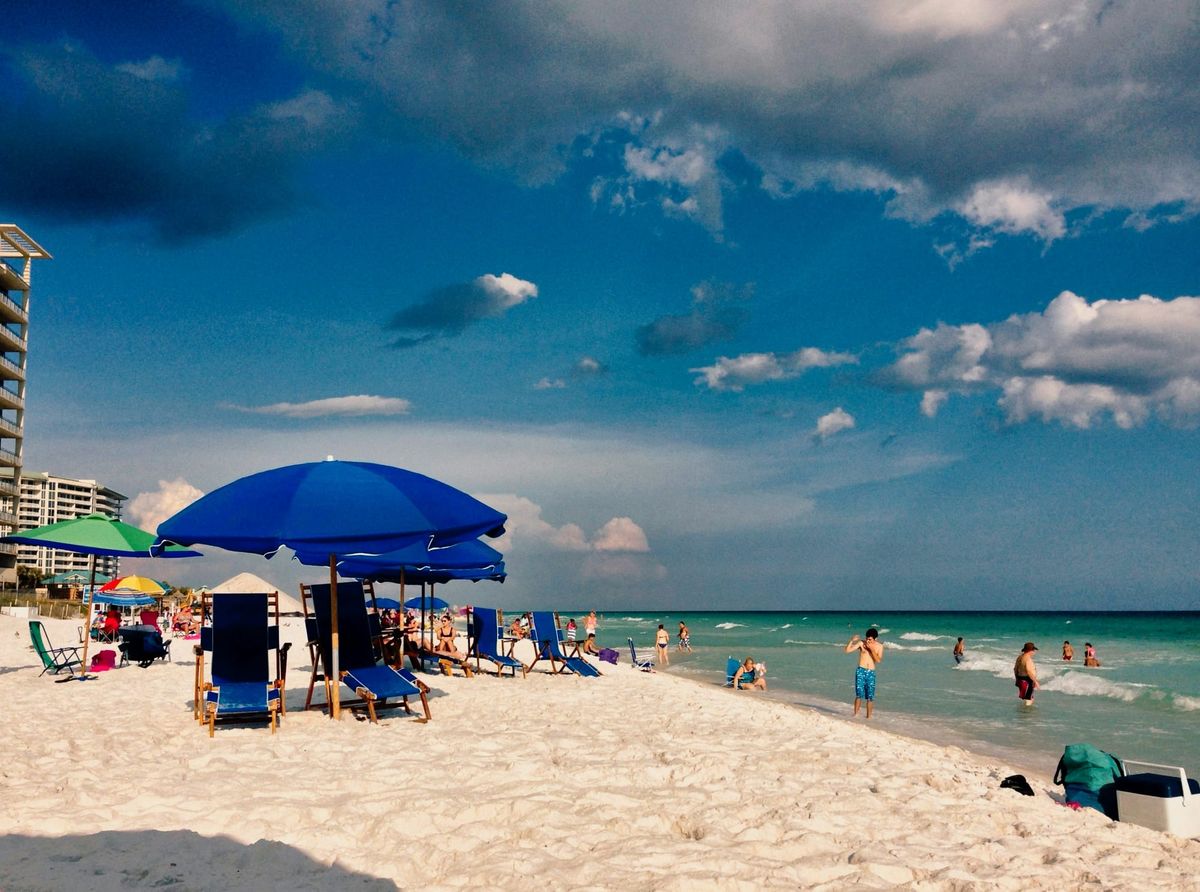
During the spring and summer months, moist, unstable air masses collide over the center of the state nearly every afternoon. This thermodynamic process triggers dramatic, towering cumulonimbus clouds and torrential downpours. While these storms often pass quickly—earning Florida the title of the lightning capital of North America—they frequently shroud entire regions in heavy cloud cover for hours at a time. As one prominent Chicago-based meteorologist half-jokingly suggested, "The Partly Cloudy State" might technically be a more truthful reflection of Florida’s daily weather cycle than an unblemished banner of perpetual sunshine.
Official Statements and Meteorological Insights
Climatologists emphasize that nicknames are cultural artifacts rather than scientific decrees. Nevertheless, the disparity between perception and meteorological reality has sparked lighthearted debates within the scientific community.
"When people think of Florida, they think of a pristine beach under an unbroken blue dome," notes a regional climatologist tracking southeastern weather patterns. "And to be fair, Florida gets an immense amount of solar radiation compared to the Pacific Northwest or the Great Lakes. But claiming it is the sunniest place in the union ignores the vast, dry expanses of the desert Southwest, where humidity and atmospheric moisture simply do not form the daily cloud decks we see across the Florida peninsula."
Furthermore, urban weather studies show significant microclimates within the state itself. When analyzing top-tier cities for weather quality and clear skies, major metropolitan areas in Florida often struggle to crack national top-ten lists for uninterrupted sunshine. Instead, cities that make the grade locally tend to be clustered in specific geographic pockets.
The Sunniest Pockets of Florida
According to lifestyle and weather data compilations—such as analyses conducted by regional forecasting platforms and lifestyle trackers like Only In Your State—the areas boasting the most favorable weather conditions within Florida are consistently concentrated in Southwest Florida.
Regions encompassing counties around Fort Myers, Naples, and the surrounding Gulf Coast microclimates frequently record higher percentages of clear days compared to the more volatile convective zones of Central Florida (such as Orlando) or the tropical downpour-prone regions of the southeast coast. Yet, even these prized southwestern pockets are subject to seasonal hurricane threats, tropical depressions, and extended rainy seasons that keep them trailing behind the arid deserts of the American West.
Future Outlook: Time for a New Moniker?
Given that Florida’s legislative code is unlikely to change its iconic nickname anytime soon—too much commercial and cultural capital is tied up in "The Sunshine State"—what does the future hold for the state’s self-image?
As climate patterns shift and populations continue to boom, residents and visitors are increasingly embracing identities that reflect Florida’s true ecological essence. Rather than clinging to a generic meteorological claim that belongs more accurately to Arizona or New Mexico, environmentalists and travel advocates have proposed alternatives that capture the state’s unmatched geographical features.
The Case for "The Water State"
As highlighted by organizations like Play Hard Florida, a far more accurate and distinctive nickname would honor the state’s defining characteristic: water.
Consider the sheer scale of Florida’s aquatic footprint:
- Coastline: Boasting approximately 1,350 miles of coastline, Florida features the most extensive marine edge in the contiguous United States.
- Inland Waterways: The state is home to roughly 30,000 named lakes—including the massive Lake Okeechobee—and an astonishing 26,000 miles of rivers and streams.
- Iconic Ecosystems: From the slow-moving "River of Grass" in the Everglades to thousands of crystal-clear freshwater springs, water is the lifeblood of the peninsula.
- Beaches: Nearly 663 miles of pristine sandy beaches line its shores, drawing millions of global travelers annually.
Conclusion
While "The Sunshine State" will undoubtedly remain etched on license plates and imprinted in the global imagination, the data tells a richer, more nuanced story. Florida may share its skies with passing afternoon clouds and fierce tropical storms, but its true majesty lies not merely in the sun above, but in the liquid paradise that surrounds it on all sides. Whether officially recognized or not, Florida is, and always will be, America’s premier water wonderland.

0 Comments