While Florida is globally celebrated for its sun-drenched coastlines, sprawling theme parks, and sub-tropical biodiversity, the state harbors a darker, far more enigmatic underbelly. Beneath the veneer of endless summer lies a rich tapestry of folklore, urban legends, and documented paranormal anomalies. From the misty swamps of the Everglades to the historic, coral-stone streets of Key West, the Sunshine State boasts a staggering concentration of haunted locales and cryptid sightings that rival any region in North America.
This exhaustive investigation explores ten of Florida’s most enduring urban legends and supernatural phenomena. By synthesizing historical context, local folklore, and eyewitness accounts, this feature examines the psychological and cultural drivers behind these spine-chilling tales. Whether rooted in tragic historical events, Native American mythology, or the fertile imaginations of frontier settlers, these legends continue to captivate folklorists, paranormal investigators, and thrill-seeking travelers alike.
Detailed Chronology: A Timeline of Terror and Folklore in the Sunshine State
To understand the persistence of Florida’s paranormal landscape, one must trace the historical events that birthed these local myths. The state’s turbulent past—marked by colonial conflicts, the Civil War, yellow fever epidemics, and rapid, sometimes brutal frontier expansion—provided fertile ground for the supernatural.
Pre-Columbian Era: Indigenous communities weave oral histories regarding sacred lands, territorial disputes with massive fauna (such as giant alligators), and the spiritual boundaries of the afterlife, laying the groundwork for sites like Spook Hill.
Civil War Era (1861–1865): The chaos of the American Civil War and the abuses of the plantation era give rise to grim local lore, including dark legends like the midwife of the Bloody Bucket Bridge in Hardee County.
Late 19th Century (1874–1889):
1874: The construction of the St. Augustine Lighthouse begins, eventually setting the stage for decades of maritime tragedy and subsequent ghostly hauntings.
1889: Elizabeth "Bessie" Budd-Graham is laid to rest in Tallahassee’s Old City Cemetery, her unique burial inspiring enduring rumors of witchcraft and occult practices.
Early 20th Century (1906–1920s): Robert Eugene Otto receives a fateful voodoo-infused gift in Key West—a 40-inch straw-stuffed sailor doll destined to become internationally infamous as Robert the Doll. Concurrently, Cassadaga emerges as the "Psychic Capital of the World," housing mediums and spiritualists whose presence culminates in legends like the Devil’s Chair.
1950s–1980s:
1954: The opening of the original Sunshine Skyway Bridge across Tampa Bay creates a vital transit corridor that tragically becomes synonymous with urban legends, notably the vanishing blonde hitchhiker.
1960s–1970s: Bigfoot fever sweeps the nation, manifesting locally as sightings of the pungent, bipedal Florida Skunk Ape across the swamplands.
1980: A catastrophic freighter collision collapses a span of the Sunshine Skyway Bridge, cementing its tragic legacy. During renovations at Key West’s Captain Tony’s Saloon, human skeletal remains are uncovered beneath the floorboards, validating its history as a makeshift morgue and execution site.
Supporting Context & Metrics: Examining the Phenomena
Folklore rarely exists in a vacuum; it requires a cultural ecosystem and geographic peculiarities to thrive. Florida’s unique environmental features—vast, impenetrable cypress swamps, dense fog banks rolling off the Atlantic and Gulf coasts, and isolated rural hamlets—provide the ideal sensory backdrop for unexplained phenomena.
Cultural and Geographic Factors
Isolation and Frontier Hardship: Many of Florida’s legendary sites (such as Cassadaga and Wauchula) originated as isolated outposts where early settlers faced extreme heat, disease, and isolation. Psychological strain in such environments historically fueled the creation of ghost stories and moral fables.
Tourism and Economic Incentives: Towns like Key West and Cassadaga heavily leverage their supernatural histories. The commercialization of entities like Robert the Doll (housed at the Fort East Martello Museum) generates significant cultural tourism, turning local folklore into a sustainable economic driver.
Cryptid Habitat Integration: The Florida Skunk Ape thrives in the public consciousness due to the state’s massive, federally protected wilderness areas, such as the Big Cypress National Preserve. With thousands of acres of virtually impassable swampland, the environment logically accommodates the possibility of undiscovered fauna in the minds of cryptozoologists.
The Top 10 Florida Urban Legends
1. The Bloody Bucket Bridge (Wauchula)
Nestled in Hardee County—widely celebrated as the "Cucumber Capital of the World"—Wauchula holds a far more sinister claim to fame. The legend of the Bloody Bucket Bridge dates back to the Civil War era. According to local lore, an enslaved woman who served as the town’s midwife was driven mad by the trauma of having her own child forcibly taken from her. In a psychological break, she began smothering newborn infants during delivery, falsely declaring them stillborn. She allegedly carried their remains in a bucket to a nearby bridge, dumping them into the river below.
As the myth goes, the guilt eventually consumed her, causing her visions of the buckets filling autonomously with blood. Today, terrified locals and paranormal tourists claim that visiting the bridge under the illumination of a full moon reveals water running unnervingly red with historical blood.
2. The Florida Skunk Ape (Ochopee)
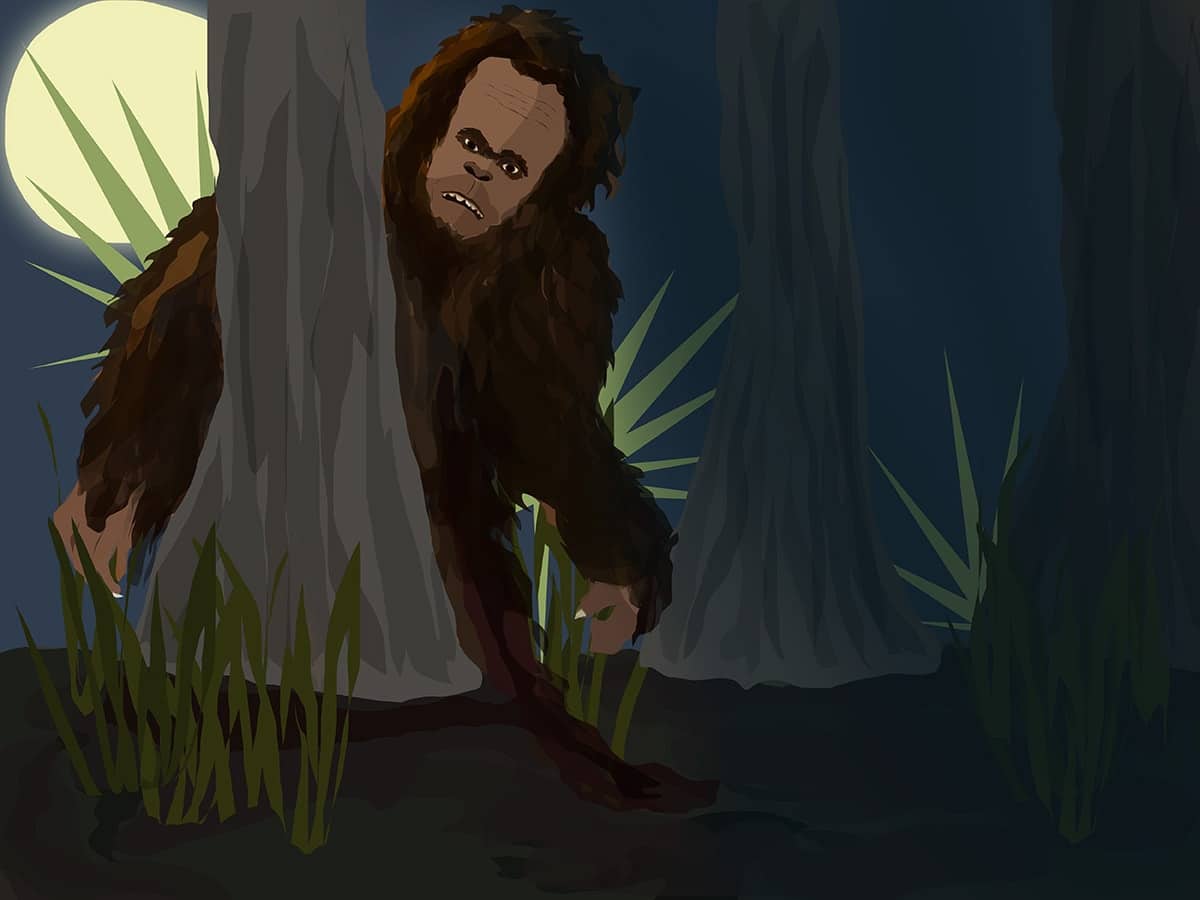
Often dubbed the Swamp Cabbage Man or Myakka Skunk Ape, Florida’s answer to Bigfoot has haunted the state’s southern wetlands since the mid-20th century. Spurred by nationwide cryptid mania in the 1960s and 1970s, witnesses reported a foul-smelling, bipedal ape-like creature roaming the dense brush. The creature derives its moniker from its overpowering, nauseating odor, attributed by believers to its diet and habitat shared with decomposing swamp matter and alligators.
The legend maintains such cultural traction that Ochopee hosts the official Skunk Ape Research Headquarters, where investigators systematically archive historical sightings and photographic evidence.
3. Spook Hill (Lake Wales)
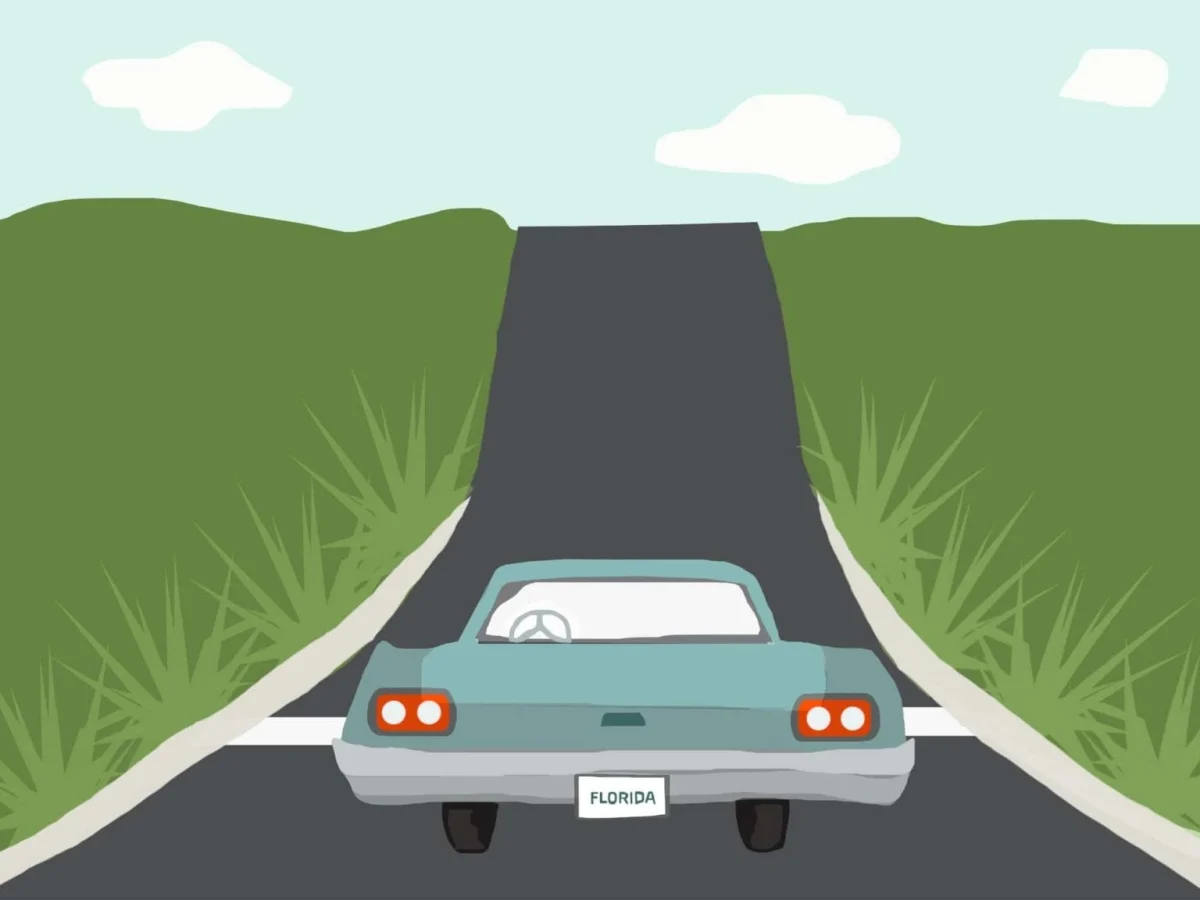
Physics-defying phenomena have drawn curious motorists to Lake Wales for generations. Spook Hill is a classic "gravity hill" where vehicles placed in neutral appear to spontaneously roll uphold. A historical marker on North Wales Drive attributes the anomaly to an ancient battle between an indigenous chief and a massive alligator that terrorized a local village.
According to legend, the chief was buried on the north side of the resulting lake. When pioneer mail riders noticed their horses laboring while traveling downhill, they coined the name. Modern motorists who coast uphill are left to ponder whether the phenomenon is an optical illusion or the restless spirit of the chief protecting his sacred territory.
4. Robert the Doll (Key West)
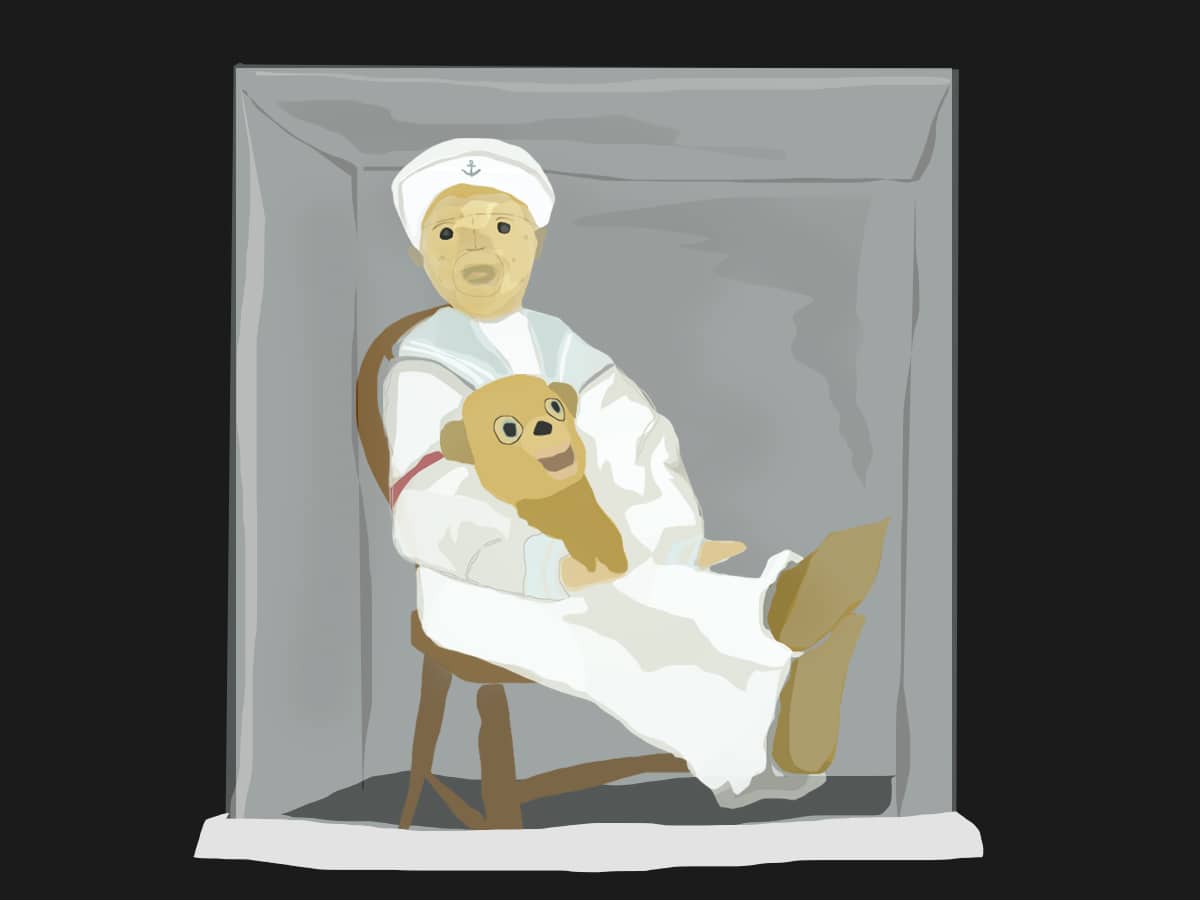
Rated by paranormal enthusiasts as one of the most malevolent artifacts in existence, Robert the Doll was acquired in 1906 by Robert Eugene Otto. Given to him by a family nanny reportedly versed in voodoo, the 40-inch tall, straw-stuffed sailor doll became the boy’s constant companion—so much so that the boy insisted on going by his middle name, Gene, leaving the doll to bear his first name.
Friends and family members reported hearing whispered conversations between Gene and the doll, with distinct, disembodied voices replying in kind. Neighbors claimed to see the doll peering out from the mansion’s upper windows when the house was completely empty. Now permanently housed behind glass at the Fort East Martello Museum, museum staff maintain that visitors must ask Robert for permission before taking his photograph; failure to do so is said to result in immediate camera malfunctions and lingering misfortune.
5. The Devil’s Chair (Cassadaga)
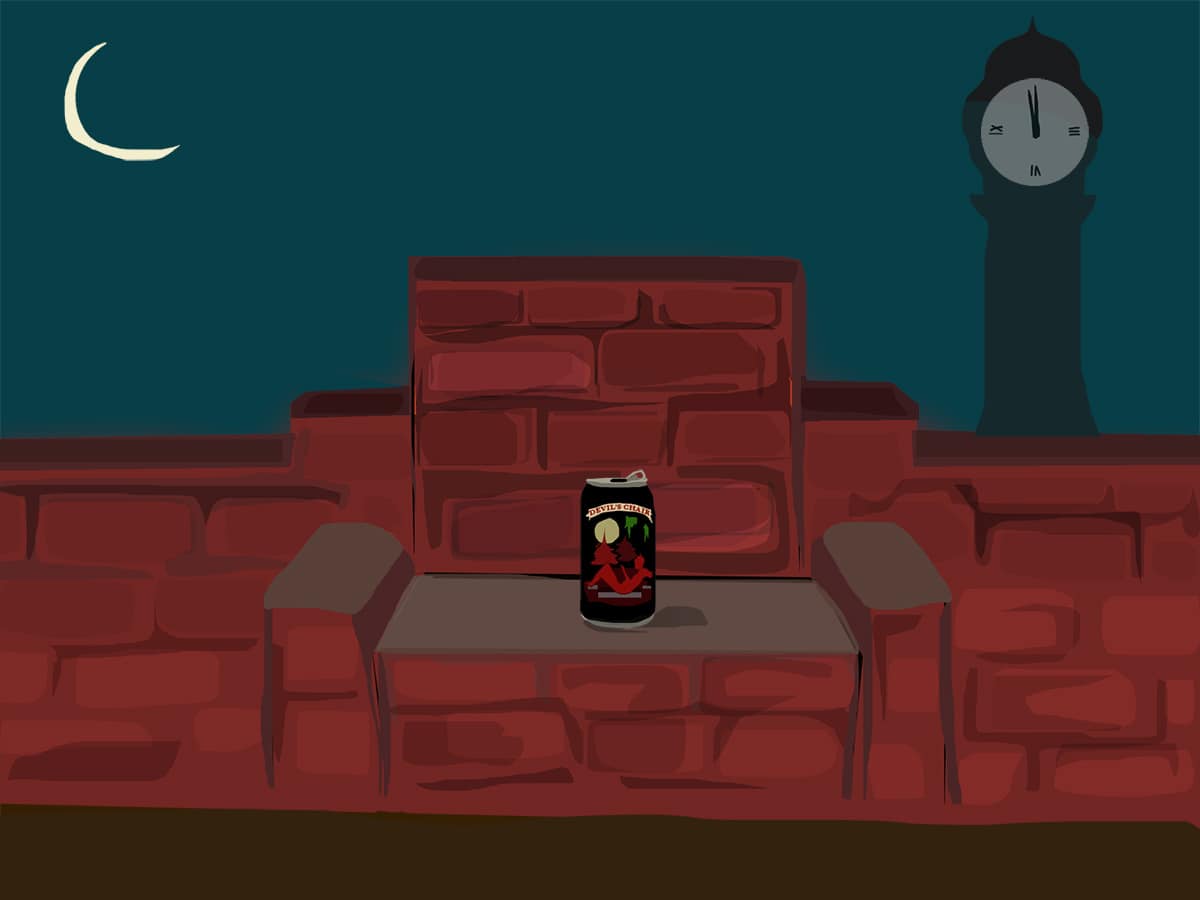
Cassadaga is internationally renowned as the "Psychic Capital of the World" due to its high concentration of resident mediums and spiritualists. However, the town’s municipal cemetery houses a darker attraction: the Devil’s Chair. Fabricated entirely of brick, local legend dictates that the wide bench was constructed by Satan himself.
According to folklore, the devil materializes at midnight to lounge upon the seat, whispering corrupting ideologies into the minds of anyone bold enough to occupy it. A secondary, highly specific urban legend claims that leaving an unopened can of beer on the chair at night will result in the can being found completely empty the following morning—without the pull-tab ever having been cracked.
6. The Grave of the Tallahassee Witch (Tallahassee)
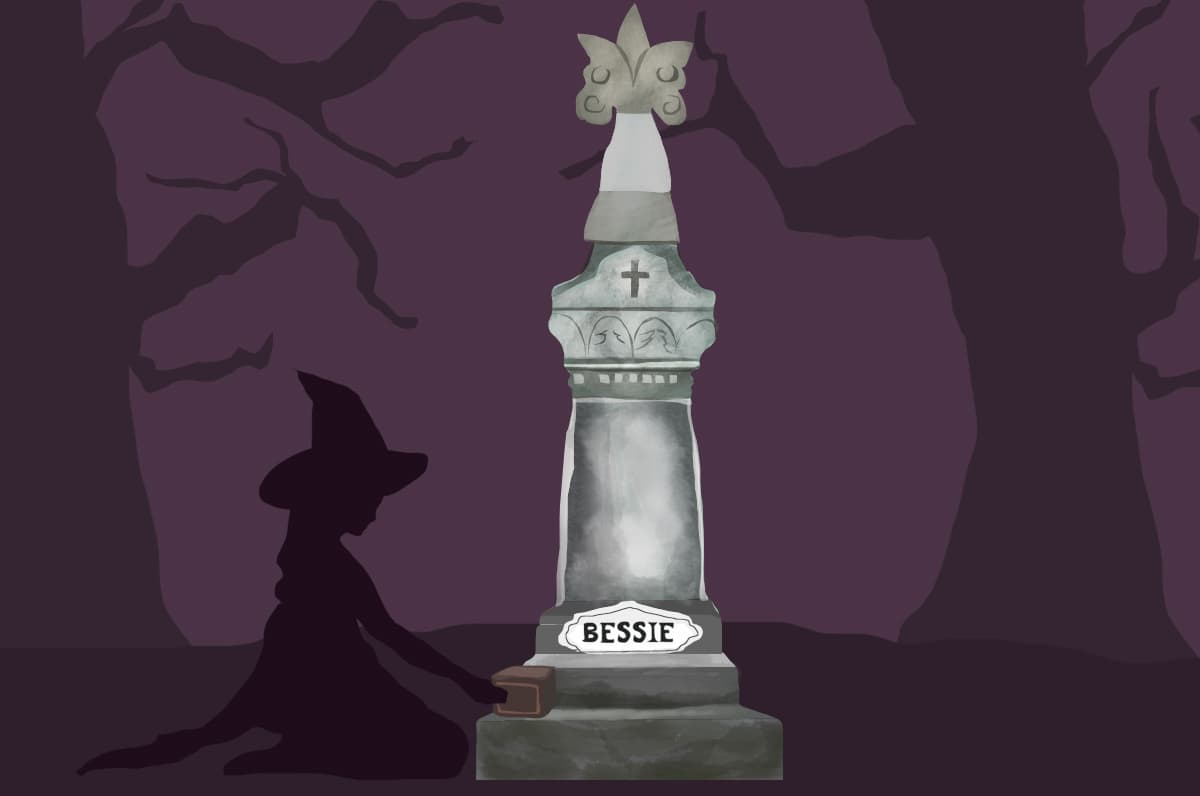
Within Tallahassee’s historic Old City Cemetery lies the elaborate gravesite of Elizabeth "Bessie" Budd-Graham, who was interred in 1889 at the age of 23. Despite historical records indicating she was a devoted wife and mother with no ties to the occult, her tombstone features an eerie, adapted excerpt from Edgar Allan Poe’s poem Lenore:
"Ah! Broken is the golden bowl. The spirit flown forever! Let the bell toll! A saintly soul Floats on the Stygian River…"
Occult scholars and modern folklorists point to cryptic phrases within the epitaph—such as "broken bowl" (interpreted as vampire execution) and "doubly dead" (referencing the destruction of a witch)—as definitive proof of her supernatural status. To this day, modern practitioners of witchcraft frequently visit the site to leave offerings at her headstone.
7. The Ghosts of the St. Augustine Lighthouse
Constructed in 1874, the St. Augustine Lighthouse stands as a monument to maritime safety, yet its history is steeped in tragedy. One of its earliest keepers, Peter Rasmussen, remains a distinct presence; staff and visitors frequently report the rich, distinct aroma of cigar smoke drifting through empty rooms, echoing his lifelong habits.
A far more heartbreaking legend involves the young daughters of a former keeper—Eliza and Mary Pity—who tragically drowned in the adjacent bay during nineteenth-century construction efforts. Visitors exploring the upper platform late at night frequently report hearing the innocent, echoing sound of children’s laughter floating down from the lantern room.
8. The Hanging Tree at Captain Tony’s Saloon (Key West)
Long before it became a legendary watering hole frequented by literary figures like Ernest Hemingway, Captain Tony’s Saloon served as a wireless telegraph station, a cigar factory, and a makeshift morgue. The building was originally constructed directly around Key West’s municipal "hanging tree," used historically for the execution of pirates and outlaws.
When interior flooring was excavated during renovations in the 1980s, construction crews unearthed the skeletal remains of more than a dozen individuals buried directly beneath the barroom floor. Patrons today routinely report poltergeist activity, including disembodied voices and bathroom stall doors that lock, unlock, and swing open with terrifying autonomy.
9. The Sunshine Skyway Bridge Ghost (Tampa Bay)
Spanning the mouth of Tampa Bay to connect St. Petersburg and Bradenton, the modern Sunshine Skyway Bridge is an engineering marvel. However, its immense height has unfortunately made it a frequent site for tragic incidents over the decades.
Motorists traveling the span late at night have reported encountering a distressed blonde hitchhiker standing alone on the shoulder. According to eyewitnesses, once picked up, the woman begins weeping hysterically as the vehicle approaches the apex of the bridge, only to vanish into thin air before the driver can pull over. The legend serves as a melancholy cultural reflection of the bridge’s tragic history, compounded by the devastating 1980 freighter collision that collapsed its central span and claimed 36 lives.
10. The Fairchild Oak (Ormond Beach)
Tucked away within Bulow Creek State Park, the Fairchild Oak is an awe-inspiring natural landmark featuring a massive trunk, sprawling canopy, and thick drapes of Spanish moss. Wilderness enthusiasts revere the ancient tree for its pristine ecological beauty, but local folklore paints a much darker picture.
Urban legend links the historic tree to multiple tragic suicides in the region. Visitors walking beneath its vast boughs frequently report an oppressive shift in atmospheric pressure, accompanied by overwhelming feelings of sudden, unexplained sorrow and fleeting sightings of a melancholic male apparition wandering the immediate tree line.
Official Statements and Cultural Impact
Historians, folklorists, and state park officials maintain a delicate balance between preserving local culture and discouraging dangerous trespassing at these remote sites.
"Urban legends serve a vital psychological function in modern society," notes Dr. Alistair Vance, a cultural anthropologist specializing in Southern folklore. "They allow communities to process historical trauma—such as the Civil War, yellow fever outbreaks, and industrial accidents—through safe, narrative frameworks. When people visit the Bloody Bucket Bridge or the St. Augustine Lighthouse, they aren’t just seeking a scare; they are engaging in a tactile connection with the past."
State park authorities and historical preservation societies emphasize that while these legends add color to Florida’s tourism industry, visitor safety and respect for historical grounds remain paramount. Law enforcement frequently patrols restricted areas like the Old City Cemetery in Tallahassee and private properties like Captain Tony’s Saloon to deter illicit paranormal investigations after dark.
Future Outlook
As Florida’s population continues to surge with new residents and millions of annual tourists, interest in the state’s occult and paranormal heritage shows no sign of waning. Digital media platforms, true-crime podcasts, and paranormal reality television have introduced these century-old legends to an entirely new, digitally native audience.
Moving forward, municipalities and historical societies are increasingly adopting a transparent, narrative-driven approach to tourism. Rather than attempting to suppress these eerie tales, local chambers of commerce are integrating ghost tours and historical folklore exhibitions into official itineraries. This strategy not only satisfies the public’s insatiable appetite for the macabre but also ensures that the complex, often turbulent history of Florida’s pioneers, indigenous communities, and early settlers is never forgotten. Whether navigating the misty swamps of the Skunk Ape or parking on the supernatural incline of Spook Hill, travelers will continue to find that Florida’s true magic lies in the shadows cast by its brilliant sun.







0 Comments