

Executive Overview
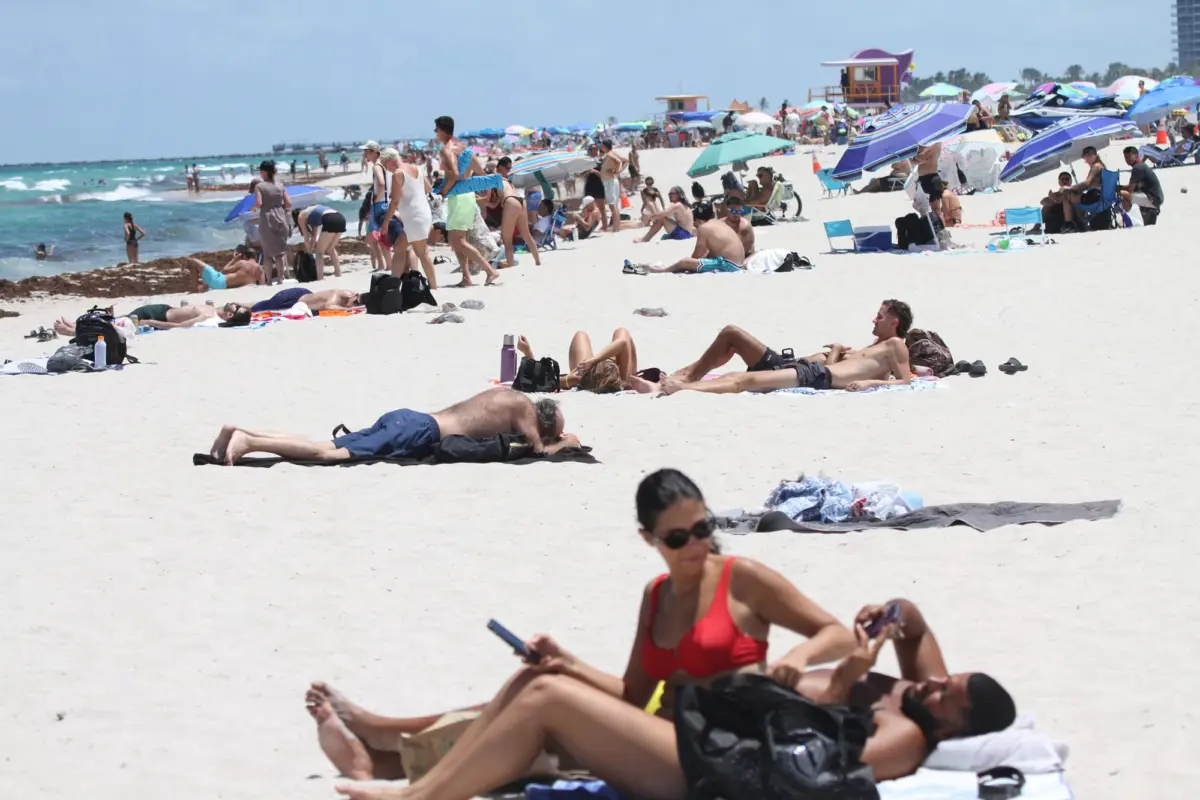
Florida’s tourism juggernaut continues to chart a steady course of growth, defying broader macroeconomic headwinds and fluctuating global travel patterns. According to preliminary data released by VISIT FLORIDA, the state’s official tourism marketing organization, the Sunshine State welcomed an estimated 34.3 million visitors during the third quarter (Q3) of 2025—spanning the months of July through September.
This performance marks a modest yet notable year-over-year increase compared to the same period in 2024, reinforcing the state’s status as one of the preeminent travel destinations in the world. The figures underscore a multifaceted rebound driven heavily by a resilient domestic traveler base, alongside steady incremental gains in key international markets, particularly Latin America.
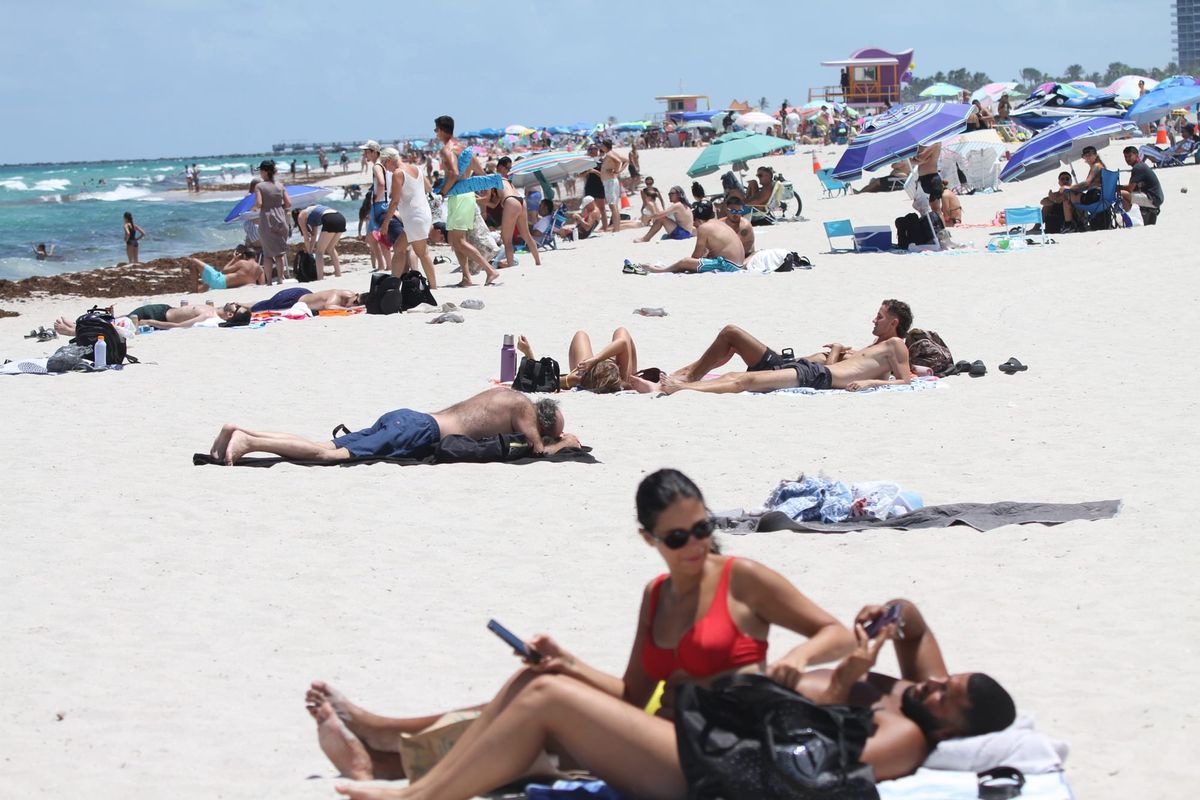
While the numbers highlight robust consumer demand for Florida’s diverse tourism offerings—ranging from the iconic shores of Miami Beach to the family-friendly theme parks of Central Parks and the tranquil ecosystems of the Gulf Coast—industry stakeholders are keenly analyzing the structural shifts underpinning these metrics. As global tourism competition intensifies, Florida’s performance in Q3 2025 offers a valuable case study in destination marketing, economic stewardship, and infrastructure adaptation.
Detailed Chronology and Quarterly Breakdown
To fully understand the trajectory of Florida’s tourism economy in the third quarter of 2025, it is necessary to examine how the summer and early fall travel seasons unfolded across the state.
July: The Peak Summer Surge
The third quarter kicked off at the height of the traditional domestic summer travel window. July traditionally sees a massive influx of families and vacationers taking advantage of school holidays. Despite the characteristically high temperatures and humidity inherent to a Florida summer, visitor volume remained exceptionally high. Theme parks, coastal resorts, and regional attractions reported strong occupancy rates, though hoteliers noted a trend toward shorter, more spontaneous booking windows compared to the post-pandemic revenge-travel boom years.
August: The Shoulder Season Transition
As August arrived, the domestic travel market experienced its customary seasonal tapering as school districts across the country began resuming classes earlier in the month. However, this period saw a strategic pivot in tourism marketing. VISIT FLORIDA and regional convention and visitor bureaus (CVBs) leaned heavily into targeted promotions designed to capture late-summer travelers, weekend getaway seekers, and remote workers looking for extended stays. During this month, international arrivals—particularly from neighboring Latin American nations—helped offset the dip in domestic family travel.
September: Sustaining Momentum into Fall
September historically represents a shoulder month characterized by a significant drop in domestic family travel, coinciding with the peak of the Atlantic hurricane season. While severe weather events can introduce volatility into Florida’s tourism metrics, the broader economic impact in Q3 2025 remained insulated thanks to steady business travel, convention bookings in major hubs like Orlando, Tampa, and Miami, and an influx of international visitors taking advantage of off-peak travel values. By the close of September, the cumulative data solidified the quarter’s total at approximately 34.3 million visitors, capping off a successful summer and early autumn season.
Supporting Context & Metrics: Analyzing the Visitor Mix
A granular examination of the 34.3 million visitors reveals a familiar composition, with domestic travelers anchoring the state’s tourism economy, supplemented by crucial international segments that contribute heavily to high-yield spending.
Domestic Dominance: The U.S. Traveler Base
Domestic travelers accounted for the overwhelming majority of Florida’s tourism traffic in Q3 2025, representing 91.7 percent of total visitation. In absolute terms, this translates to roughly 31.5 million U.S. residents choosing Florida for their vacation, business, or leisure trips.
The strength of the domestic market is attributed to several key factors:
- Accessibility: Florida’s extensive network of international and regional airports, coupled with major interstate corridors, makes it easily reachable for millions of Americans along the Eastern Seaboard, the Midwest, and the South.
- Diverse Product Offerings: Whether consumers are seeking luxury relaxation, eco-tourism, culinary exploration, or entertainment, Florida provides a breadth of experiences that reduces the need for U.S. travelers to look abroad.
- Drive-Market Resilience: A significant portion of domestic visitors originate from within Florida or neighboring states, providing a reliable baseline of short-haul travelers who are less impacted by long-haul flight costs.
International Rebound: Latin America and Beyond
While domestic tourism provides the volume, international visitation remains vital for economic impact, as international travelers typically stay longer and spend more per capita than their domestic counterparts.
During the third quarter of 2025, Florida welcomed an estimated 2.3 million international travelers, representing a healthy year-over-year increase from Q3 2024.
- Latin American Growth: VISIT FLORIDA specifically highlighted elevated travel from Latin American markets, noting a notable surge in visitors from countries such as Brazil. Proximity, cultural ties, and robust airline connectivity between Miami, Fort Lauderdale, and major Latin American hubs continue to drive this vital demographic.
- European Markets: European inbound travel also showed positive momentum, aided by sustained transatlantic flight capacity.
- Canadian Visitors: Canadian arrivals accounted for an estimated 507,000 visitors during the quarter. While Canadian travel to Florida has historically peaked during the winter months, Q3 figures reflect a steady baseline of year-round interest from our northern neighbors.
Official Statements and Strategic Focus
The release of the Q3 2025 data prompted commentary from key state leaders and tourism executives, shedding light on the strategic frameworks driving Florida’s ongoing success.
VISIT FLORIDA’s Strategic Vision
Bryan Griffin, President and CEO of VISIT FLORIDA, emphasized that the continuous growth is a direct testament to the state’s enduring appeal as a dynamic and multifaceted destination.
"Florida’s tourism industry continues to demonstrate remarkable strength and adaptability," Griffin noted in the organization’s report. "Our strategic focus remains centered on maintaining our dominant market share domestically while aggressively expanding our outreach in key international regions where we see high intent to travel."
Griffin pointed to targeted digital marketing campaigns, partnerships with major airlines and online travel agencies (OTAs), and localized public relations efforts in Latin America and Europe as core pillars of VISIT FLORIDA’s operational strategy moving forward.
The Broader Economic Perspective
Weighing in on the macroeconomic implications of the tourism sector, Florida Secretary of Commerce J. Alex Kelly underscored that tourism does not operate in a vacuum. Instead, it is inextricably linked to the state’s broader economic development initiatives.
"A thriving tourism industry is the direct result of deliberate, long-term investments in our infrastructure, workforce development, and community quality of life," Kelly stated. "When we build better transportation networks, support our local service workforce, and preserve the natural and cultural assets that make Florida unique, we create an environment where visitors want to return time and time again—and where businesses want to invest."
Kelly’s comments highlight a growing emphasis among Florida policymakers on sustainable tourism management—balancing the economic imperative of visitor growth with the need to maintain community standards, environmental health, and infrastructure capacity.
Future Outlook: Challenges and Opportunities on the Horizon
As Florida’s tourism industry looks beyond the third quarter of 2025 and into the future, stakeholders must navigate a complex matrix of emerging trends, consumer expectations, and potential challenges.
1. Navigating Economic Pressures and Consumer Spending
While consumer demand has proven remarkably durable, inflation, shifting interest rates, and household budget pressures remain variables that could influence travel behavior. Industry analysts suggest that future tourism growth may rely increasingly on value-driven offerings, personalized travel packages, and targeted promotions designed to capture budget-conscious consumers without sacrificing average daily room rates (ADR) for hoteliers.
2. Deepening International Penetration
The positive momentum seen in Latin American and European markets during Q3 2025 provides a strong foundation, but VISIT FLORIDA and regional tourism boards recognize that sustained international growth requires continuous cultivation. Expanding airlift agreements, participating in major global travel trade shows (such as WTM London and FITUR in Madrid), and tailoring marketing messages to emerging demographics will be critical steps to capture a larger share of outbound global travel.
3. Sustainability and Infrastructure Resilience
With tens of millions of visitors traversing the state annually, maintaining the delicate balance between growth and preservation is paramount. Investments in resilient coastal infrastructure, public transportation modernization, and eco-friendly hospitality practices are no longer optional—they are essential to safeguarding the very natural assets that draw travelers to Florida’s beaches, springs, and parks.
Conclusion
The third-quarter data for 2025 paints a picture of a mature, highly adaptable tourism ecosystem. By successfully balancing a massive domestic traveler base with a targeted, aggressive outreach to international markets, Florida has once again proven its mettle as a global tourism leader. As state leaders and industry professionals apply the strategic lessons learned in 2025, the Sunshine State is well-positioned to maintain its competitive edge in the years to come.

0 Comments