

EXECUTIVE OVERVIEW
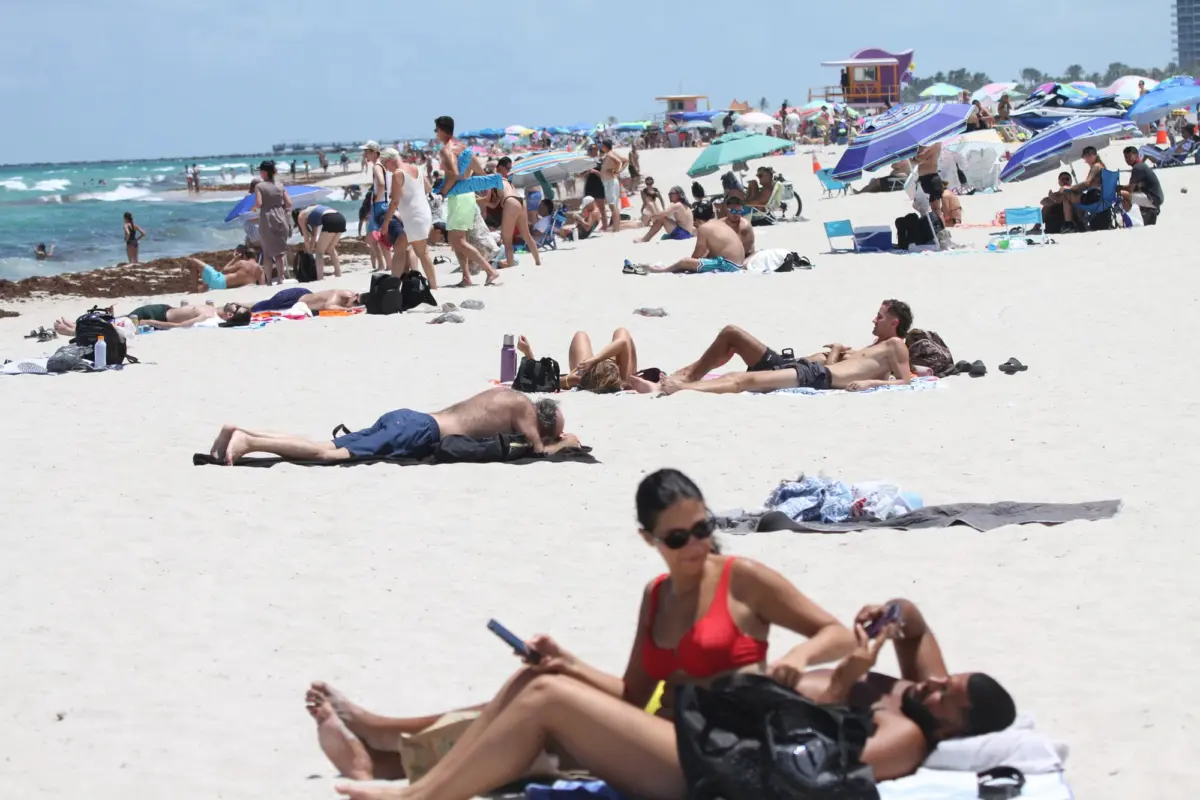
Florida’s tourism juggernaut continues to chart an upward trajectory, demonstrating resilience and unwavering appeal in the face of shifting global economic currents. According to preliminary data released by VISIT FLORIDA, the state’s official tourism marketing and destination management organization, the Sunshine State welcomed an estimated 34.3 million visitors between July and September 2025. This figure represents a steady, encouraging year-over-year increase compared to the corresponding third-quarter period in 2024.
The latest performance metrics highlight more than just incremental gains; they underscore a sophisticated, multi-pronged recovery and expansion strategy that successfully balances the bedrock domestic market with a surging wave of international travelers. While domestic U.S. travelers continue to form the overwhelming majority of Florida’s tourism volume, notable rebounds in overseas and Latin American arrivals signal a broader normalization of global mobility.
Behind these top-line figures lies a complex ecosystem of strategic targeted marketing, robust infrastructure investments, and cross-sector collaboration championed by state leaders and industry stakeholders. As Florida solidifies its status as a premier global destination, this third-quarter report serves as both a testament to the state’s enduring allure and a strategic roadmap for sustained economic vitality heading into the future.
DETAILED CHRONOLOGY: Q3 2025 IN REVIEW
To fully appreciate the scope of Florida’s Q3 2025 tourism performance, it is essential to examine the granular composition and temporal flow of visitor arrivals through the peak summer and early fall shoulder months. The third quarter traditionally bridges the high-energy family summer vacation season and the beginning of the lucrative autumn travel calendar.
July: The Summer Peak and Domestic Dominance
As schools across the United States prepared to close their doors for the final weeks of summer, July 2025 kicked off the quarter with formidable momentum. Major tourism hubs—from the theme parks of Central Florida to the cosmopolitan shores of Miami Beach and the tranquil expanses of the Paradise Coast—reported high occupancy rates. Domestic families spearheaded this wave, taking advantage of extended holiday weekends and flexible summer work arrangements to flock to Florida’s coastal and entertainment corridors.
During this initial phase, air travel metrics provided by major Florida airports, including Miami International (MIA) and Orlando International (MCO), pointed to steady passenger throughput. Despite lingering concerns over domestic inflation and consumer spending fatigue, the appetite for travel to the Sunshine State remained remarkably insulated.
August: Managing the Seasonal Shift
Moving into August, the tourism landscape typically experiences a transitional shift as regional school calendars begin to resume, leading to a tapering of drive-in regional family traffic. However, Q3 2025 bucked traditional seasonal softening patterns through strategic promotional campaigns launched by VISIT FLORIDA and regional convention and visitors bureaus (CVBs).
By pivoting marketing messaging toward late-summer getaway packages, culinary tourism, and wellness retreats, the industry successfully captured a resilient segment of travelers seeking value during the tail end of the season. Concurrently, August marked an acceleration in international arrivals, as global travelers sought to take advantage of shifting currency valuations and specialized summer air corridors established earlier in the year.
September: The Shoulder Season Surge
Traditionally viewed as a quieter month due to the peak of the Atlantic hurricane season and the return of the academic year, September 2025 proved surprisingly robust. The influx of international travelers—particularly from key Latin American markets and European hubs—helped offset the expected contraction in domestic family leisure travel. Furthermore, the growth of the business-events and convention sector in primary markets like Orlando, Tampa, and Jacksonville injected vital mid-week economic activity into hotels, restaurants, and transportation networks.
SUPPORTING CONTEXT & METRICS: BREAKING DOWN THE NUMBERS
A deeper dive into the data compiled by VISIT FLORIDA reveals a diverse tapestry of traveler demographics, proving that the state’s appeal spans various geographic and cultural boundaries.
The Domestic Powerhouse
Domestic travelers remained the bedrock of Florida’s tourism economy throughout the third quarter of 2025. Accounting for an overwhelming 91.7 percent of total visitation, U.S. residents accounted for roughly 31.5 million trips to the state between July and September.
- Drive-In vs. Fly-In Markets: While traditional drive-in markets from neighboring southeastern states (such as Georgia, Alabama, and the Carolinas) remained strong, long-haul domestic travel from northeastern and midwestern hubs showed consistent year-over-year stability.
- Consumer Spending Habits: Industry analysts noted that while domestic visitors demonstrated a heightened consciousness regarding pricing—opting for bundled resort packages and value-driven dining options—their aggregate length of stay and overall expenditure on experiential tourism remained healthy.
International Rebound: Overseas and Latin American Momentum
While domestic tourism provides the volume, international visitation delivers high-yield economic impact. Q3 2025 data revealed encouraging expansions across multiple key international segments:
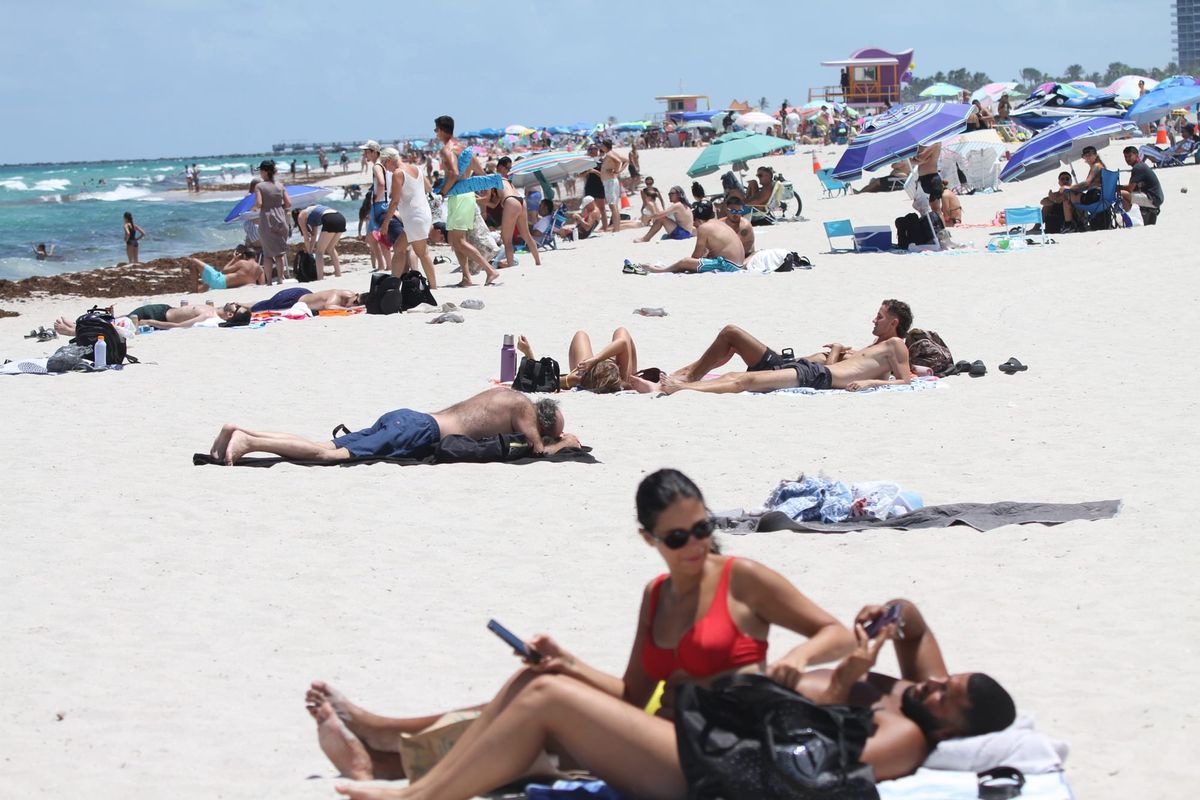
- Overseas Travelers: An estimated 2.3 million international travelers chose Florida for their third-quarter vacations, marking a distinct upward tick from the same period in 2024.
- The Latin American Engine: VISIT FLORIDA spotlighted substantial growth from Latin American markets, led by a resurgence in visitation from Brazil and neighboring nations. Strategic marketing investments in these regions, emphasizing cultural affinities, direct air connectivity, and luxury retail experiences, paid measurable dividends.
- Canadian Contributions: Despite broader economic fluctuations north of the border, Canadian travelers accounted for an estimated 507,000 arrivals during the quarter, reflecting Canada’s enduring preference for Florida’s warm climate and familiar hospitality networks.
OFFICIAL STATEMENTS: LEADERSHIP PERSPECTIVES
The sustained growth outlined in the VISIT FLORIDA Q3 2025 report has drawn positive reactions from the state’s top tourism and economic development officials, who emphasized the intricate link between tourism success, infrastructure development, and proactive marketing.
Visionary Leadership from VISIT FLORIDA
Reflecting on the quarterly data, Bryan Griffin, President and CEO of VISIT FLORIDA, pointed to the results as definitive proof of the state’s unmatched competitive advantage in the global travel marketplace.
"These numbers demonstrate that Florida is not merely maintaining its position as a world-class travel destination; we are actively expanding it," Griffin stated in the official release. "Our strategy is built on a dual-engine approach: protecting and nurturing our foundational domestic market while aggressively and intelligently pursuing key international segments where we know demand is latent and growing."
Griffin emphasized that VISIT FLORIDA’s localized marketing campaigns—tailored specifically to cultural nuances in regions like Latin America and Europe—have been instrumental in turning prospective interest into actualized bookings. By leveraging data-driven advertising and strategic partnerships with global carriers and online travel agencies, the organization has ensured that Florida remains at the top of the consumer consideration set.
Economic Synergy and Infrastructure Investments
Weighing in on the broader macroeconomic implications of the Q3 performance, Florida Secretary of Commerce J. Alex Kelly underscored the symbiotic relationship between tourism, state infrastructure, and community well-being.
"Tourism is the lifeblood of Florida’s economy, but a thriving tourism sector does not happen by accident," Kelly noted. "It is the direct result of deliberate, forward-thinking investments in our transportation networks, our workforce pipeline, and the overall quality of life in our local communities."
Kelly highlighted that the state’s ongoing investments in airport expansions, highway modernizations, and coastal resiliency projects directly enhance the visitor experience while simultaneously benefiting local residents. By fostering a pro-business regulatory environment and supporting workforce training initiatives in hospitality and culinary arts, Florida continues to build an economic foundation capable of supporting millions of visitors without compromising community standards.
FUTURE OUTLOOK: STRATEGIC HORIZONS FOR FLORIDA TOURISM
As the state transitions from the final quarter of 2025 into the highly anticipated winter and spring travel seasons of 2026, industry stakeholders are already looking ahead. The momentum generated in Q3 provides a solid springboard, but maintaining this trajectory requires careful navigation of emerging opportunities and potential challenges.
Expanding International Footprint
Building on the success in Latin American and European markets, VISIT FLORIDA has signaled plans to deepen its international outreach. Emerging middle-class populations in select global regions present untapped potential. By collaborating with international airlines to re-establish and expand direct flight routes into Florida’s secondary and primary airports—such as Palm Beach International, Southwest Florida International, and Jacksonville International—the state aims to reduce travel friction for overseas guests.
Embracing Sustainable and Diversified Tourism
Modern travelers increasingly prioritize sustainability, authenticity, and off-the-beaten-path experiences. Florida’s tourism strategy is evolving to meet these demands by promoting eco-tourism, state park exploration, cultural heritage trails, and culinary tourism beyond the traditional theme park and beach corridors. Encouraging geographic dispersion not only enriches the visitor experience but also alleviates peak-season congestion in primary urban centers, ensuring long-term environmental and community balance.
Workforce Development and Technological Innovation
The future of Florida tourism relies heavily on innovation and human capital. State officials and private industry leaders are doubling down on workforce development programs to ensure that hotels, restaurants, and attractions are staffed by highly trained professionals delivering the legendary hospitality for which the state is renowned. Concurrently, the integration of artificial intelligence, personalized digital marketing, and streamlined booking technologies will enable destination marketers to engage potential travelers with unprecedented precision.
Conclusion
The preliminary Q3 2025 data from VISIT FLORIDA paints a picture of a dynamic, adaptable, and remarkably robust industry. By successfully balancing domestic loyalty with surging international demand, and by aligning marketing vision with foundational infrastructure investments, Florida has reaffirmed its crown as the premier travel destination of the Americas. As the state looks toward the horizon, the collaborative efforts of state leadership, regional partners, and hospitality professionals ensure that Florida’s tourism story will remain one of enduring growth and exceptional visitor experiences for years to come.

0 Comments