Every year, as autumn gives way to freezing temperatures across the northern United States and Canada, a massive demographic migration takes place. More than a million retirees pack their bags, secure their northern properties, and head southward to the sun-drenched expanses of Florida, Arizona, and the broader Sunbelt region. For these seasoned travelers—affectionately and colloquially known as "snowbirds"—this seasonal relocation represents the ultimate retirement ideal: the best of both worlds. It offers an effective escape from treacherous winter weather, icy driveways, and heavy snow shovels, all while allowing retirees to maintain cherished social ties with family and friends up north.
Yet, beneath the glossy brochures of palm trees, pristine golf courses, and endless sunshine lies a complex logistical reality. Transitioning into a snowbird lifestyle is far more demanding than embarking on an extended vacation. It requires meticulous planning, substantial financial investment, and a proactive approach to managing two households simultaneously. From navigating complex interstate tax laws and healthcare coverage gaps to coordinating mail forwarding, pet travel, and long-distance home maintenance, the contemporary snowbird must act as both a leisure-seeker and an efficient estate manager.
This comprehensive report explores the multifaceted world of seasonal migration, breaking down the essential considerations, hidden costs, and strategic decisions that retirees must evaluate before embarking on their journey southward.
Detailed Chronology: The Lifecycle of a Seasonal Migration
Transitioning from a single-home lifestyle to a dual-location existence requires a carefully orchestrated timeline. Successful snowbirds do not simply pack up on a whim when the first snowflake falls; their migration is a year-round operational cycle.
Phase 1: Planning and Destination Selection (Spring to Early Summer)
The snowbird lifecycle begins months before departure. For those looking to purchase a second home or secure a long-term winter rental, the search often starts as early as January or February of the previous winter. Industry experts strongly recommend that first-time snowbirds rent for at least one season—and ideally explore multiple regions—before committing to a permanent property purchase.
During this phase, retirees must weigh lifestyle preferences against practical constraints. Active adult mega-communities, such as The Villages or On Top of the World in Florida, offer robust social calendars and built-in amenities, but they also come with specific rules, homeowners association (HOA) fees, and high rental demands.
Phase 2: Logistics, Reservations, and Maintenance (Mid to Late Summer)
By mid-summer, logistical arrangements must shift into high gear. This includes:
Securing Accommodations: Finalizing lease agreements or scheduling property inspections for secondary homes.
Transportation Strategy: Deciding whether to drive, fly, or tow. Those flying often must book car-shipping services or arrange for a secondary vehicle at their destination. RV owners must reserve sites in popular parks, which fill up months in advance.
Healthcare Coordination: Reviewing medical insurance policies to ensure coverage extends to the destination state, transferring medical records, and synchronizing prescription refills.
Phase 3: The Autumn Exodus (October to November)
As temperatures drop, the physical transition occurs. Homeowners must winterize their northern properties—draining pipes, setting thermostats to low "hibernation" temperatures, unplugging appliances, and arranging for lawn care or snow removal. Simultaneously, postal arrangements, utility pauses, and pet travel preparations are finalized.
Phase 4: The Southern Residence and Spring Return (December to April)
Settling into the Sunbelt community involves establishing local routines, joining community clubs, and integrating into a new neighborhood network. The cycle concludes in the spring when snowbirds reverse the process, packing up their southern residences, conducting spring cleaning, and returning north just in time for the pleasant spring weather.
Supporting Context & Metrics: The Eight Pillars of Snowbird Management
While the allure of warm weather is undeniable, retirees frequently encounter unexpected hurdles. To maintain a seamless lifestyle, snowbirds must address eight core operational pillars.
1. The True Cost of Dual Living
The financial commitment of snowbirding extends far beyond the price of a second mortgage or monthly rent.
Housing and Furnishing: Whether buying a condo, a manufactured home, or a mobile park model, owners must factor in the cost of duplicate appliances, furniture, and kitchenware. Renting offers flexibility—allowing snowbirds to experience a new city each year—but requires fierce competition for high-demand properties.
Insurance: Insuring two homes can be significantly more expensive, particularly because primary insurance rates often surge for properties left vacant for extended periods.
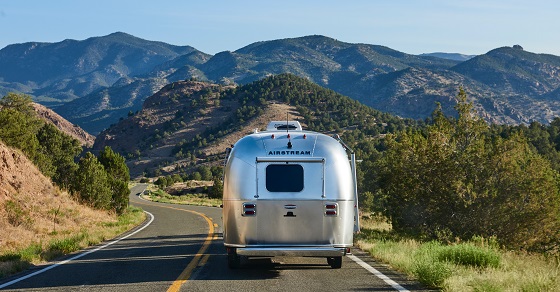
RV Realities: For those utilizing recreational vehicles, expenses include vehicle maintenance, fuel economy trade-offs, and campsite rental fees. Furthermore, because driving a large motorhome locally is unwieldy, many RVers tow a secondary commuter car behind them.
2. The Tax Labyrinth
Tax implications can quickly complicate a retiree’s finances. Property taxes must be paid on every owned structure. More critically, state residency rules vary dramatically. Depending on the number of days spent in each location, retirees may find themselves liable for income taxes in multiple states, alongside differing estate and inheritance tax laws. Furthermore, managing tax documents while away requires digital infrastructure, as traditional mail delivery may not reach them before filing deadlines.
3. Mail and Communication Management
In an era of digital billing, traditional mail still poses a challenge. While email and auto-pay handle most financial obligations, physical mail requires reliable forwarding strategies. Options include USPS forwarding services, specialized third-party mail-forwarding companies, or relying on a trusted neighbor. For RV travelers staying in parks that refuse temporary mail, utilizing a post office General Delivery address becomes essential.
4. Utility Optimization
Maintaining active utility accounts—cable, internet, phone, and electricity—at an unoccupied home is a waste of money. Snowbirds should contact service providers well in advance to inquire about "hibernation" or seasonal suspension options, which allow them to pause billing without completely disconnecting service.
5. Home Maintenance and Winterization
Leaving a home unattended in a freezing climate invites disaster. If heating systems fail, pipes can burst, causing catastrophic water damage. Homeowners must either maintain a reduced indoor heat setting or hire a professional plumber to completely drain the water lines and shut off the main supply. Additionally, appliances should be unplugged, refrigerators emptied and left ajar, and arrangements made for lawn care, weed control, and snow removal to comply with local municipal or HOA codes.
6. The Pet Equation
Traveling with domestic pets is entirely feasible, but it inherently restricts rental options, as many landlords enforce strict no-pet policies. For non-traditional pets—such as birds, reptiles, or fish—retirees must secure dedicated local pet-sitters or formal foster care arrangements for the duration of their absence.
7. Managing Newspapers and Deliveries
While stopping home newspaper delivery is standard procedure, unmonitored properties quickly accumulate unwanted flyers, circulars, and free community newspapers wedged into doorways or tossed onto driveways. These piles serve as an obvious indicator to potential intruders that a home is vacant, making a local neighborhood watch or friendly neighbor indispensable.
8. Healthcare and Medical Coverage
Perhaps the most critical consideration for retirees is healthcare access. Those aged 65 and older enrolled in traditional Medicare enjoy nationwide coverage, allowing seamless medical care across state lines. However, individuals utilizing private health insurance or Medicare Advantage plans often face severe restrictions outside their home network, limiting coverage strictly to emergency room visits. Snowbirds must secure copies of medical records, coordinate prescriptions with nationwide pharmacy chains, and establish relationships with local healthcare providers at their winter destination.
Official Statements & Expert Guidance
Industry experts and retirement authors emphasize that a successful transition requires realism and comprehensive preparation. Dave Hughes, author of The Quest for Retirement Utopia, notes that finding the right environment involves evaluating personal priorities objectively to avoid costly relocation mistakes.
"Enjoying a successful snowbird lifestyle is much more complicated than simply going on a long vacation," Hughes explains. "Everything on this list is doable, especially in today’s electronically connected world. However, it requires a mindset shift from vacationer to dual-homed resident."
Real estate advisors and relocation specialists echo this sentiment, stressing that the preliminary testing phase—renting for a single season before making long-term investments—prevents the financial trap of buying property in an area that ultimately proves unsuitable.
Future Outlook: The Evolution of Seasonal Migration
As the "Baby Boomer" generation continues to enter retirement age, the demographics and mechanics of the snowbird lifestyle are evolving. Future trends point toward increased digitization, with smart-home technology allowing remote monitoring of security systems, thermostat settings, and water leak detectors from hundreds of miles away.
Furthermore, the rise of the flexible "gig economy" and remote property management services is making it easier for younger retirees to adopt hybrid living arrangements without the traditional burdens of homeownership. Co-living spaces, fractional ownership models, and specialized senior rental networks are expanding rapidly across the Sunbelt.
Ultimately, while the modern snowbird migration demands careful navigation of financial, legal, and logistical challenges, the rewards remain unchanged. For those willing to invest the time in thorough planning, the ability to chase the sun and enjoy the best of both worlds offers a remarkably vibrant, healthy, and fulfilling chapter of retirement life.





0 Comments