

Executive Overview
Corporate restructurings, mass layoffs, and aggressive workforce reductions have become an increasingly common fixture of the modern economic landscape. Recently, a major multinational corporation made headlines by announcing a sweeping 15% workforce reduction. To achieve this ambitious downsizing target without relying solely on involuntary terminations, the enterprise rolled out a lucrative early retirement incentive package, mirroring trends observed across corporate America.
This corporate maneuver has thrown the career trajectories of thousands of employees into sharp relief. Among them, scores of professionals find themselves weighing the immediate allure of a generous severance against the long-term reality of abandoning their career timelines years ahead of schedule. According to data released by the Employee Benefits Research Institute (EBRI), this dilemma is far from isolated: roughly 70% of individuals exit the workforce earlier than originally planned, doing so on average three years ahead of their target retirement date.
While financial viability—assessing pensions, 401(k) allocations, and healthcare costs—remains the immediate hurdle for those facing an early exit, a critical dimension is frequently overlooked: psychological and emotional readiness. Retiring early is not merely a financial transaction; it is a profound lifestyle disruption. Transitioning successfully from a high-stakes corporate environment to a fulfilling post-career life requires a deliberate mindset shift, proactive daily structuring, and a clear vision of personal identity outside the confines of a job title. This report explores the psychological mechanics, strategic frameworks, and lifestyle adjustments necessary to navigate early retirement successfully, ensuring that an unexpected corporate exit becomes an opportunity for personal renaissance rather than a source of prolonged distress.
Detailed Chronology: The Evolution of the Early Exit Dilemma
The modern phenomenon of the early retirement package has evolved significantly over the past two decades, shifting from a rare luxury offered exclusively by paternalistic legacy corporations to a tactical human resources instrument used for agile organizational restructuring.
Phase One: The Corporate Announcement
For workers entrenched in corporate environments, the journey typically begins with an abrupt announcement. Leadership declares a mandate to slash overhead, often targeting a double-digit reduction in headcount. To mitigate legal liabilities, public relations fallout, and plummeting employee morale associated with sweeping layoffs, companies introduce voluntary separation programs (VSPs) or early retirement windows. These packages frequently bundle sweetened pension calculations, severance pay, extended healthcare subsidies, and accumulated PTO payouts into an enticing lump sum or structured stipend.

Phase Two: The Immediate Calculus
Upon receiving such an offer, employees are thrust into a high-pressure decision-making window—often lasting no more than 45 to 60 days. Professionals who mapped out careers extending well into their sixties suddenly find their timelines compressed. For instance, consider professionals in their mid-50s who intended to log another three to five peak earning years. Confronted with a lucrative exit package, they must instantly calculate whether their accumulated nest egg, combined with the corporate incentive, can bridge the gap until traditional retirement milestones, such as drawing penalty-free withdrawals or claiming Social Security benefits at age 62 or later.
Phase Three: The Bridge Years
For those who accept the package, the immediate aftermath frequently involves entering a bridge phase. Because early retirement packages rarely cover the full span of decades of anticipated living expenses without careful management, many retirees seek supplemental income streams. Historically, this has manifested as consulting work, transitioning into passion-driven micro-careers—such as professional wedding officiants, specialized instructors, or small-business consultants—or taking on contract assignments. This bridge period lasts until statutory retirement benefits activate, providing both a financial cushion and a gradual psychological decompression from the relentless cadence of the corporate grind.
Phase Four: True Retirement and Identity Stabilization
The final phase of the chronology involves stabilizing into true, permanent retirement. This occurs once supplemental work ceases entirely and government or institutional pensions take over as primary income sources. It is during this phase that the psychological weight of the transition fully materializes. Without the external structure of an organization, meetings, deadlines, and performance reviews, the individual must rely entirely on internal motivation to construct a meaningful daily existence.
Supporting Context & Metrics: The Reality of Workforce Exits
To contextualize the wave of early retirements sweeping corporate sectors, it is essential to examine empirical data regarding workforce longevity and retirement sentiment.
The Employee Benefits Research Institute (EBRI) 2023 Retirement Confidence Survey provides sobering metrics regarding the predictability of career paths. According to the study:

- 70% of retirees leave the workforce earlier than they originally planned.
- On average, these individuals hang up their professional hats three years ahead of their projected schedule.
- The primary catalysts for these early departures are often involuntary or semi-voluntary, driven by corporate downsizing, health complications, or shifting family obligations rather than pure financial abundance.
| Catalyst for Early Exit | Percentage of Workforce Impacted | Typical Financial Impact |
|---|---|---|
| Corporate Restructuring / VSP | High (Varies by economic cycle) | Moderately cushioned by severance packages |
| Health Complications | Moderate | High strain due to unbudgeted medical expenses |
| Family Caregiving Obligations | Moderate | Variable; often results in compressed lifetime earnings |
| Voluntary Burnout / Lifestyle Shift | Low-Moderate | Highly planned and structurally self-funded |
Furthermore, financial planners frequently emphasize that while financial models dictate whether someone can afford to retire, psychological readiness dictates how well they will adapt. The loss of professional status, the sudden abundance of unstructured time, and the erosion of routine work-based social networks represent significant stressors that empirical financial portfolios cannot automatically resolve.
Official Statements & Expert Perspectives
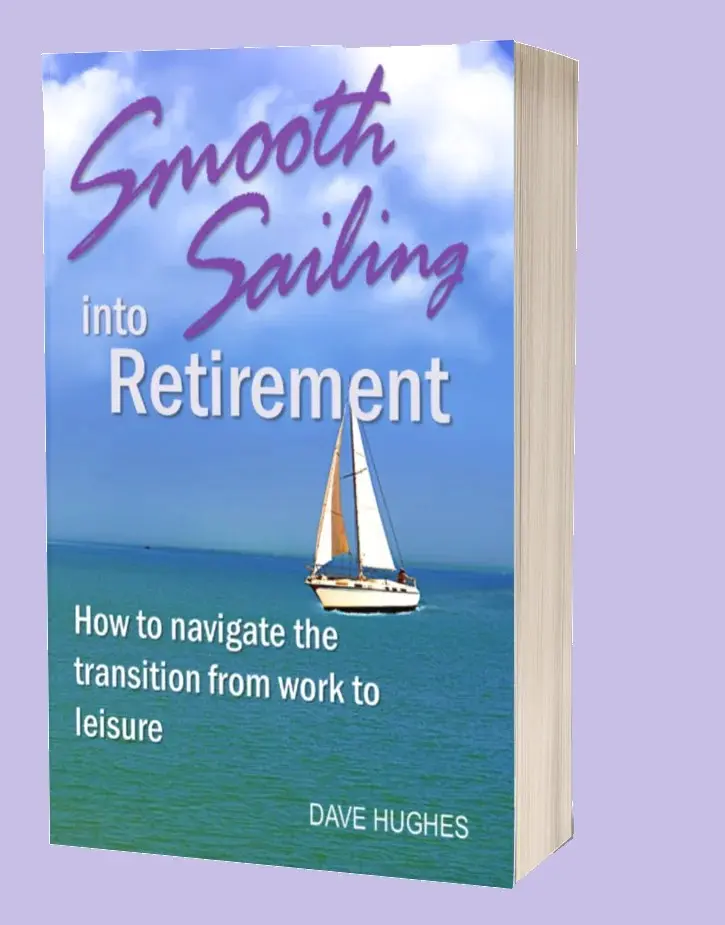
Navigating the emotional landscape of early retirement requires guidance from those who have successfully crossed the divide. Dave Hughes, a retired corporate manager, software engineer, author of Smooth Sailing Into Retirement, and chronicler of the non-financial facets of exiting the workforce, offers deep insights into the mental hurdles of the transition.
Reflecting on his own departure from a major household-name corporation at age 56—more than three years ahead of his original schedule—Hughes notes that the leap, while daunting, remains one of the best decisions of his life:
"I was in the same situation over 11 years ago. I was 56 at the time and planned to work another three and a half years. But the company offered a generous package and after running the numbers and contemplating at great length, I decided to do it. I’ve never regretted my choice."
Hughes acknowledges that accepting the package meant sacrificing years of peak salary earnings, prompting him to spend five years working as a wedding officiant to supplement his income until he began claiming Social Security at age 62. However, he stresses that the real challenge of early retirement is not financial; it is existential.

"Retirement is not a permanent vacation. I think it’s more accurate to view retirement as each week being a 7-day weekend… You are being given 40+ hours of your week back. Your challenge is to fill those hours with pursuits that bring you happiness and fulfillment."
Complementing this perspective, Martha Felt-Barton, a noted voice in retirement lifestyle design, characterizes the transition as a profound personal endowment:
"There are so many other interesting ways to spend your time. I feel like early retirement is a gift, but it’s such an incredible gift. It’s a gift I need to use."
Experts across the fields of gerontology, occupational psychology, and financial life planning universally echo these sentiments. They caution that retirees who view the exit solely as an escape from work—rather than a migration toward a new vocation of living—frequently experience stagnation, depression, and social isolation.
Future Outlook: Designing the Post-Corporate Life
Successfully transitioning into early retirement requires a proactive, multi-dimensional framework. Without the external scaffolding of corporate structures, retirees must deliberately curate a lifestyle that supports physical vitality, mental acuity, social connection, and deep personal fulfillment.

1. Physical Activity: Defeating Sedentary Drift
The sudden transition from an active commute and office mobility to a home-based environment can drastically reduce daily caloric expenditure and physical robustness. Maintaining health in early retirement demands intentionality.
- Structured Recreation: Engaging in recreational sports such as pickleball, tennis, golf, hiking, cycling, or swimming provides both cardiovascular benefits and social engagement.
- Daily Movement: Committing to baseline habits, such as a daily 30-minute walk, taking the stairs, or parking at the far end of lots, helps preserve functional mobility and metabolic health.
2. Mental Stimulation: Lifelong Learning
Corporate environments naturally force continuous problem-solving, skill acquisition, and cognitive engagement. Upon exiting the workforce, the brain requires alternative avenues for stimulation to prevent cognitive decline and combat boredom.
- Academic Pursuits: Many community colleges and universities offer tuition-free or audited courses for seniors, allowing individuals to study history, literature, languages, or sciences without the pressure of degree requirements.
- Autodidactic Exploration: Delving into thought-provoking literature, visiting cultural institutions, and mastering new digital or artisanal crafts keep neural pathways active and agile.
3. Socialization: Proactive Community Building
During working years, socialization is largely frictionless. Colleagues populate the immediate environment, providing built-in conversational partners and lunch companions. Research demonstrates that the vast majority of workplace acquaintances fade rapidly following retirement.
- Relationship Cultivation: Retirees must take the initiative to organize get-togethers, join community choruses, participate in local clubs, or engage in group volunteer work.
- Support Networks: Establishing deep, reciprocal friendships ensures emotional resilience during life’s inevitable challenges.
4. Personal Fulfillment: Finding the "Zone"
Fulfillment is deeply personal—it is the state of being where time dissolves because an activity aligns with core passions. Whether expressed through creative writing, painting, music, environmental conservation, or mentoring the next generation, fulfillment requires no productivity metrics. It exists purely to generate joy and internal completeness.
Conclusion
Facing an early retirement package amid widespread corporate restructuring is a watershed moment in any professional’s life. While the immediate calculations involve pensions, severance multipliers, and healthcare bridges, the true determinant of a successful exit lies in psychological preparedness and intentional life design.

As empirical data confirms that the vast majority of workers leave their careers years ahead of schedule, the cultural narrative surrounding retirement must shift. It is no longer viewed as a static period of decline at the end of life, but rather as an active, vibrant chapter spanning decades. By redefining personal identity away from corporate job titles and embracing a balanced regimen of physical health, mental growth, social engagement, and creative fulfillment, individuals can transform an unexpected workforce reduction into the most rewarding phase of their lives.

0 Comments