

Executive Overview
In the modern corporate landscape, sudden workforce reduction announcements have become a recurring reality. Recently, a major household-name corporation announced plans to slash its workforce by 15%, sweetening the blow for eligible employees with a robust early retirement package. For many workers, such announcements trigger a cascade of complex, high-stakes decisions. While some seize the opportunity to step away from the daily grind early, others find themselves paralyzed by the sudden acceleration of their life timelines.
This corporate downsizing trend mirrors a broader societal shift. According to a comprehensive 2023 Retirement Confidence Survey conducted by the Employee Benefits Research Institute (EBRI), an overwhelming 70% of individuals find themselves retiring earlier than originally planned—exiting the workforce, on average, three full years ahead of schedule. Whether driven by corporate restructurings, health considerations, or a sudden realization of lifestyle priorities, early retirement is no longer a fringe aspiration; it is a statistical norm.
However, transitioning away from a decades-long career involves far more than simply running financial algorithms and determining pension viability. While financial planners can model your portfolio, they rarely address the psychological vertigo that accompanies the loss of a daily routine, professional identity, and workplace community. Transitioning into early retirement requires deliberate mental preparation, a realistic appraisal of how your days will change, and a proactive strategy to cultivate purpose, connection, and joy in a life unburdened by the 9-to-5.
Detailed Chronology: Reflecting on the 11-Year Retrospective
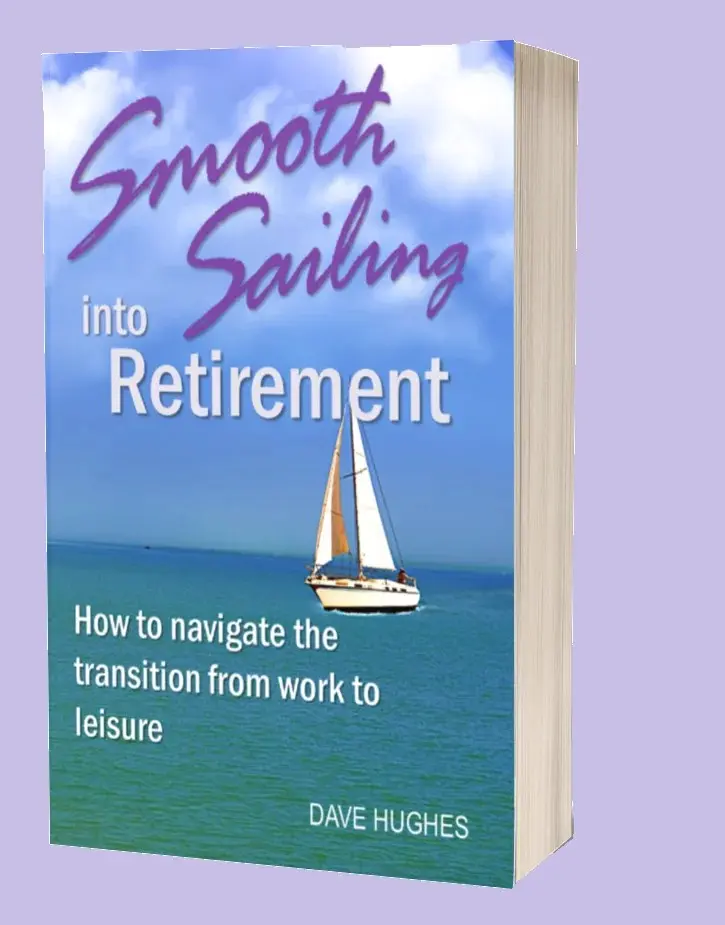
To understand the emotional and psychological architecture of early retirement, it helps to examine real-world transitions. Consider the journey of Dave Hughes, author and retirement lifestyle advocate, who faced a strikingly similar crossroad over eleven years ago.

At the age of 56—just shy of his 57th birthday—Hughes had firmly mapped out his professional trajectory. He anticipated working another three and a half years before hanging up his corporate hat for good. However, his employer introduced a generous early retirement incentive package designed to trim headcount. Faced with an unexpected choice, Hughes engaged in deep introspection, ran meticulous financial models, and ultimately decided to take the leap.
Looking back across more than a decade, Hughes reports a definitive verdict: he has never regretted the choice.
The path, naturally, was not entirely frictionless. Admitting the financial realities of his decision, Hughes acknowledges that he forfeited three and a half years of peak-earning salary. To bridge the financial gap before he became eligible to claim Social Security at age 62, he pivoted creatively, working for five years as a wedding officiant to generate supplemental income.
Yet, the logistical financial adjustments were secondary to the psychological readiness. Hughes was fundamentally prepared to conclude his career chapter because he already possessed a vivid, actionable picture of what his post-corporate life would entail. He did not simply run away from a job; he ran toward a deeply curated lifestyle. This foundational clarity serves as the bedrock for anyone attempting to navigate an unexpected or accelerated exit from the workforce.

Supporting Context & Metrics: The Reality of Accelerated Exits
The intersection of corporate downsizing and personal life planning highlights a profound disconnect between expectation and execution in modern retirement timing. For decades, traditional retirement planning assumed a linear, predictable timeline: enter the workforce in your twenties or thirties, climb the ladder, and step down precisely at age 65.
Data from the Employee Benefits Research Institute paints a radically different picture. The EBRI’s landmark 2023 Retirement Confidence Survey revealed that 70% of retirees leave the workforce earlier than they had planned. On average, these individuals are forced or choose to retire three years ahead of schedule. The catalysts for these premature exits are multifaceted:
- Corporate Restructuring & Layoffs: Mass layoffs, buyouts, and structural downsizings frequently target higher-tenured, higher-earning older workers through early retirement windows.
- Health and Burnout: The physical and emotional toll of modern corporate environments often precipitates a sudden collapse in workplace tolerance, pushing employees to prioritize wellbeing over a few extra years of salary.
- Caregiving Responsibilities: Unforeseen family obligations—such as caring for aging parents or supporting grandchildren—frequently derail long-term career timelines.
These statistics underscore a vital reality: waiting until a predetermined milestone birthday to mentally prepare for retirement is a high-risk strategy. Because external forces frequently dictate your departure date, cultivating psychological flexibility and a post-career identity is an urgent necessity rather than a luxury.
Official Perspectives: Non-Financial Preparedness and the Mindset Shift
While financial advisors are indispensable for evaluating whether a severance package or pension payout can sustain your lifestyle, they rarely address the non-monetary shockwaves of leaving work. Retirement is not a permanent vacation; rather, it is a permanent weekend—a structural shift where every single day belongs entirely to you.

When you wake up on your first official non-work morning to a silent house and no alarm clock, a fundamental question arises: What will you do?
Transitioning successfully requires recognizing that retirement demands a profound psychological pivot. For most of our adult lives, our identity, self-worth, and daily validation are intrinsically tied to our career credentials. Your job title reflects your hard-earned knowledge, your technical skill, your corporate status, and your economic contribution to society.
When you retire, that current-tense identity vanishes overnight. While you may always be a "former" software engineer, manager, or executive, your past title will no longer provide daily validation or purposeful momentum. To thrive, retirees must intentionally construct a new identity anchored not in what they did for a living, but in who they are and how they choose to express themselves.
To successfully navigate this identity transition and fill the newly reclaimed 40+ hours per week, retirees should curate a balanced lifestyle anchored across four foundational pillars:

1. Physical Activity
It is dangerously easy to drift into a sedentary lifestyle upon leaving the workforce, trading office mobility for hours in front of television or computer screens. Maintaining vitality requires intentional movement. Whether engaging in recreational sports like pickleball, tennis, golf, bowling, hiking, and cycling, or simply committing to a brisk 30-minute daily walk, physical engagement is non-negotiable. Even micro-choices—such as parking further away or taking stairs instead of elevators—compound over time to preserve physical independence.
2. Mental Stimulation
Cognitive stagnation is a silent hazard of retirement. Keeping the brain sharp requires continuous learning and curiosity. This can take the form of reading thought-provoking literature, visiting museums, or auditing continuing education courses. Many community colleges and universities offer accessible programs, sometimes allowing seniors to attend under-enrolled classes free of charge. Local libraries and community centers also serve as rich hubs for intellectual enrichment.
3. Socialization
During your working years, socialization is frictionless. You are surrounded by colleagues, clients, and acquaintances for eight to ten hours a day, providing a steady baseline of human contact. Once you retire, however, the vast majority of workplace acquaintanceships fade with surprising speed.
Post-retirement socialization requires proactive effort. You must take the initiative to reach out, organize get-togethers, and embed yourself in community groups, musical bands, choruses, or volunteer organizations. Cultivating a robust circle of genuine friends who offer emotional support and shared experiences is essential for long-term well-being.
4. Fulfillment
Fulfillment is deeply personal—it is whatever makes your heart sing, brings you into a state of deep flow, and makes you lose track of time. It does not need to be economically productive or prestige-driven. Fulfillment might stem from creative expression through writing, painting, or music; it might emerge from philanthropic volunteering, mentoring the next generation, exploring untraveled corners of the world, or simply savoring quiet moments in nature with family and friends. The ultimate objective is joy and alignment with your inner values.

Future Outlook: Designing Your Next Chapter
As corporate landscapes continue to evolve rapidly, early retirement packages and unexpected workforce reductions will remain a fixture of modern economic life. For workers approaching their mid-50s and beyond, the most prudent strategy is to decouple personal worth from corporate titles long before a pink slip or a buyout offer lands on your desk.
Viewing early retirement not as an abrupt termination of utility, but as an extraordinary gift of time, changes everything. It is a blank canvas upon which you can paint a purposeful, vibrant existence. By proactively designing your days around physical vitality, mental growth, social connectivity, and deep personal fulfillment, you can step off the corporate ladder not with anxiety, but with eager anticipation for the adventures that lie ahead.

0 Comments