

Executive Overview
In an era defined by economic recalibration and shifting corporate landscapes, large-scale workforce reductions have become an increasingly common strategy for major corporations seeking agility. Recently, a prominent household-name corporation stunned its workforce by announcing a sweeping 15% reduction in headcount. To achieve this ambitious target without resorting to involuntary layoffs, the enterprise rolled out a remarkably generous early retirement package designed to incentivize eligible, long-tenured employees to exit the workforce ahead of schedule.
This corporate maneuver is far from an isolated incident. Across industries, economic pressures and structural transformations are prompting organizations to offer golden handshakes to older employees. While financial viability—such as severance terms, pensions, and bridge strategies until Social Security eligibility—dominates initial conversations, a critical element is frequently overlooked: the non-financial, psychological transition into early retirement.
Data from the Employee Benefits Research Institute (EBRI) underscores a broader societal trend, revealing that approximately 70% of individuals leave the workforce earlier than originally planned, doing so on average three years ahead of schedule. For many, early retirement is thrust upon them by corporate restructuring or attractive financial incentives. However, stepping away from a decades-long career before traditional retirement age demands a profound paradigm shift. Transitioning successfully requires more than a balanced spreadsheet; it requires a meticulous blueprint for physical vitality, mental stimulation, social connectivity, and personal fulfillment.
Detailed Chronology: A Personal and Professional Retrospective
To understand the weight of accepting a corporate early retirement package, one must examine the lived experiences of those who have navigated the crosscurrents of sudden career termination and reinvention.

Over a decade ago, a seasoned corporate professional—then aged 56 and planning to work for at least another three and a half years—faced an identical crossroads. His employer introduced a lucrative early retirement incentive program amid corporate downsizing. Following rigorous financial calculations and deep introspection, the decision was made to accept the package and step down.
Looking back, the choice remains entirely unregretted, though it was not without logistical hurdles. Leaving the workforce prematurely meant forfeiting nearly four years of peak-earning salary. To bridge the financial gap until officially claiming Social Security benefits at age 62, the retiree spent five years working as a wedding officiant, generating crucial supplemental income while maintaining schedule flexibility.
Crucially, the success of this early exit was not accidental. It was anchored by a pre-existing vision of post-corporate life. Having a definitive framework for how to spend newfound freedom serves as the psychological anchor that prevents early retirement from devolving into stagnation. When corporations downsize and packages are put on the table, employees often feel rushed. Yet, those who weather the transition with grace are invariably those who treat retirement not as the end of productivity, but as the beginning of a self-directed career in living.
Supporting Context & Metrics: The Reality of the Early Exit
The phenomenon of early retirement is underpinned by comprehensive labor and demographic data. According to the 2023 Retirement Confidence Survey published by the Employee Benefits Research Institute (EBRI), the traditional roadmap of working uninterrupted until age 65 or older is increasingly obsolete.

Key statistical insights from modern labor studies highlight:
- The 70% Rule: A staggering 70% of retirees exit the workforce sooner than anticipated.
- The Three-Year Gap: On average, these individuals retire three years earlier than their original target age.
- The Push vs. Pull Dynamics: While some early retirements are "pulled" by accumulated wealth and lifestyle desires, a significant percentage are "pushed" by corporate downsizing, changing skill requirements, and restructuring initiatives—mirroring the current 15% workforce reduction trend seen across major corporations.
While financial planners frequently address the mathematics of early exits—evaluating withdrawal rates, tax implications, and healthcare costs—behavioral economists and retirement transition specialists emphasize that psychological readiness is equally predictive of a successful retirement. Individuals who fail to prepare for the identity shift often experience anxiety, a loss of purpose, and social isolation. Conversely, those who approach retirement with a structured framework of activities report higher life satisfaction scores than their continuously employed peers.
Official Statements and Industry Perspectives
While corporate communications surrounding workforce reductions typically emphasize strategic restructuring and business agility, human resource experts and retirement authors advocate for a more holistic view of employee well-being during downsizing events.
Industry analysts note that when companies offer voluntary early retirement packages (VERPs), they are effectively transferring long-term liabilities off their balance sheets while creating pathways for organizational renewal. However, labor advocates stress that corporations have a vested interest in ensuring that departing employees are psychologically prepared for the profound lifestyle shock that accompanies the removal of a daily professional routine.

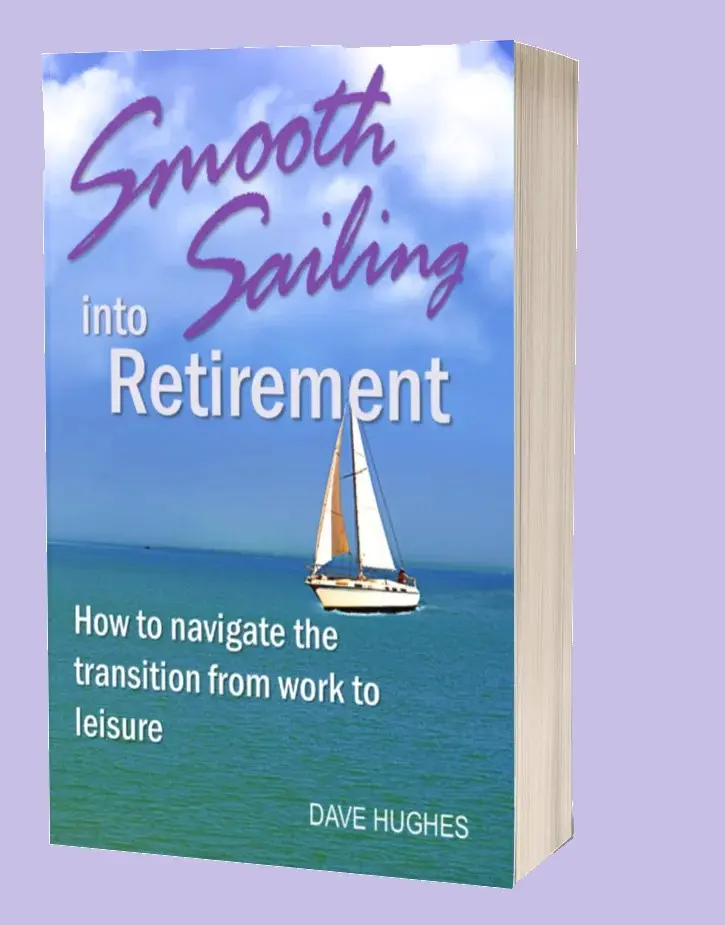
Dave Hughes, author of Smooth Sailing Into Retirement, addresses the emotional and structural realities of leaving the workforce:
"We all love vacations and weekends because they give us a nice break from our work days. I hate to be the bearer of bad news, but retirement is not a permanent vacation. I think it’s more accurate to view retirement as each week being a 7-day weekend. Your ‘job’ now is to be happy living the life you want to live. That may require a significant mindset shift from how you have lived for most of your life."
Retirement specialists point out that the abrupt transition from a high-stress, deadline-driven corporate environment to unstructured freedom can trigger an identity crisis. Because modern society heavily equates career titles with personal worth, shedding a professional moniker requires conscious effort and the deliberate construction of a new post-career identity.
Future Outlook: Designing a Fulfilling Post-Career Blueprint
For professionals currently evaluating an early retirement package—or those anticipating corporate restructuring in their future—the path forward requires a transition from passive employee to active life-architect. Treating retirement as a permanent 7-day weekend means curating a weekly routine that replaces the core pillars previously provided by the workplace.

To build a resilient, joyful, and purposeful early retirement, experts recommend structuring your time across four essential domains:
1. Physical Activity
Sedentary behavior is one of the primary hazards of leaving a physically or mentally active work environment. Transitioning out of an office setting often leads to hours spent in front of television or computer screens.
- Actionable Steps: Incorporate recreational sports such as pickleball, tennis, golf, hiking, or cycling. Establish a baseline routine of daily walking. Leverage minor lifestyle choices—such as taking stairs, gardening, or parking at the far end of lots—to maintain metabolic health and functional mobility.
2. Mental Stimulation
Cognitive decline is often accelerated by a lack of mental engagement following the cessation of career-related problem-solving. Lifelong learning keeps the mind sharp and opens avenues for new social circles.
- Actionable Steps: Read complex, thought-provoking literature, visit cultural exhibits, or audit classes. Many community colleges and universities offer senior-audit programs or continuing education courses that allow retirees to expand their knowledge bases without the pressure of degree-seeking requirements.
3. Deliberate Socialization
During working years, socialization is frictionless. Colleagues surround you for eight hours a day, providing built-in human contact. Once retired, the vast majority of work acquaintances fade away quickly.

- Actionable Steps: Adopt a proactive stance on relationships. Initiate get-togethers, join community bands or choruses, participate in local clubs, and cultivate deep friendships with individuals who provide emotional support and shared community investment.
4. Pursuit of Fulfillment
Fulfillment is deeply personal—it is the state of being "in your zone" where hours pass unnoticed. Unlike work, which is governed by quotas and annual reviews, fulfillment requires no external validation.
- Actionable Steps: Channel energy into creative outlets such as writing, painting, or music. Engage in meaningful volunteer work, explore the natural world, or dedicate time to mentoring the next generation. The objective is not productivity for its own sake, but the cultivation of enduring joy.
The Ultimate Mindset Shift
Ultimately, accepting an early retirement package is not merely a financial transaction; it is an existential reinvention. Shedding the identity of a corporate title—whether engineer, manager, or executive—allows individuals to step into new roles, such as author, artist, mentor, or adventurer. By approaching early retirement with deliberate planning, robust community ties, and a commitment to lifelong engagement, the modern retiree can transform an unexpected corporate exit into the most rewarding chapter of their lives.

0 Comments