

Executive Overview
Between the state’s aquatic apex predators, a fearless populace seemingly auditioning for tabloid headlines, and its modern-day status as the chosen sanctuary for political titans and reality television figures alike, Florida has effectively secured its reputation as America’s "weird uncle." It is the regional embodiment of the eccentric relative who strips down to swim trunks on Christmas morning, splashing wildly in the pool until someone immortalizes the disaster on film.
Yet, this streak of delightful eccentricity is far from a contemporary cultural phenomenon. Long before the era of viral internet memes and endless tabloid fodder, Florida was broadcasting its inherent unpredictability through its civic cartography. Decades ago, early settlers, land speculators, and postmasters bestowed names upon towns, hamlets, and municipalities that range from the mildly curious to the flagrantly bizarre.
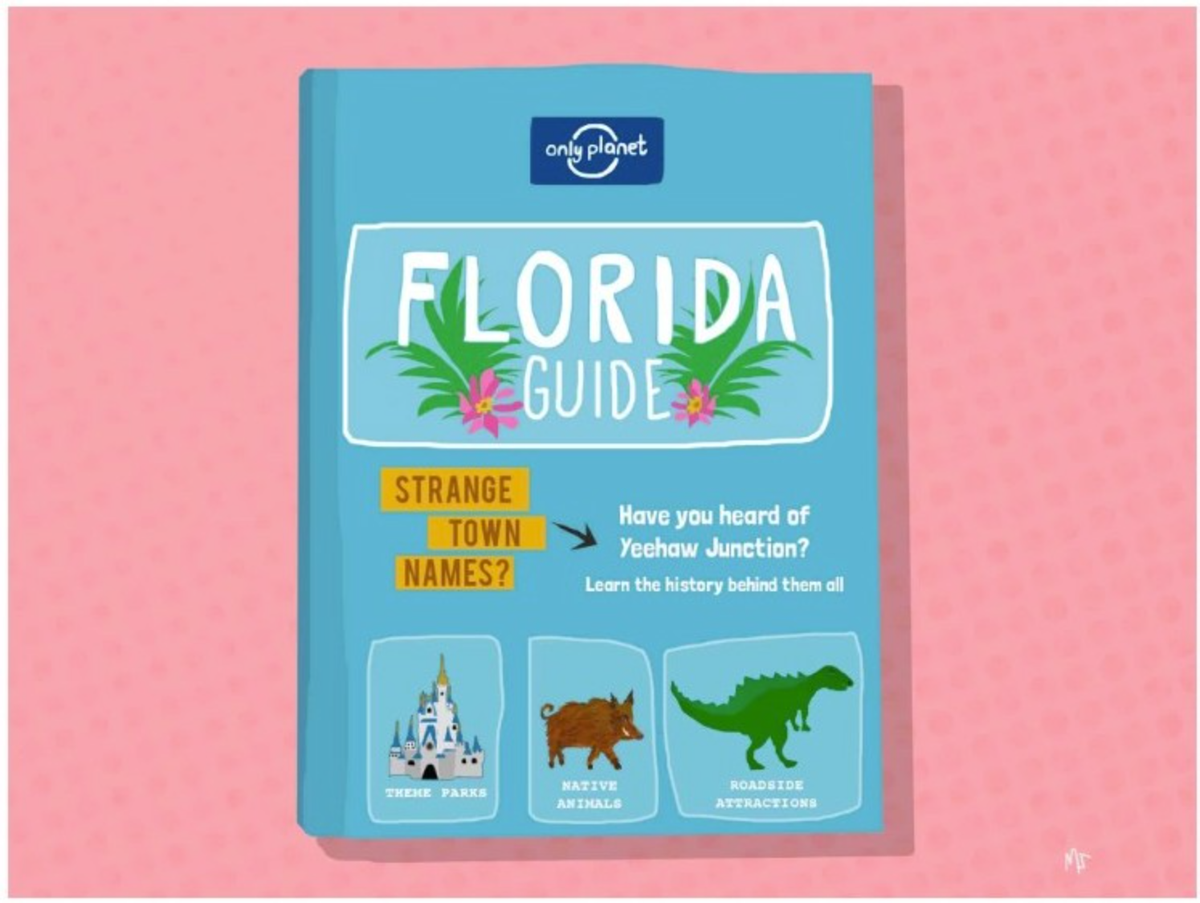
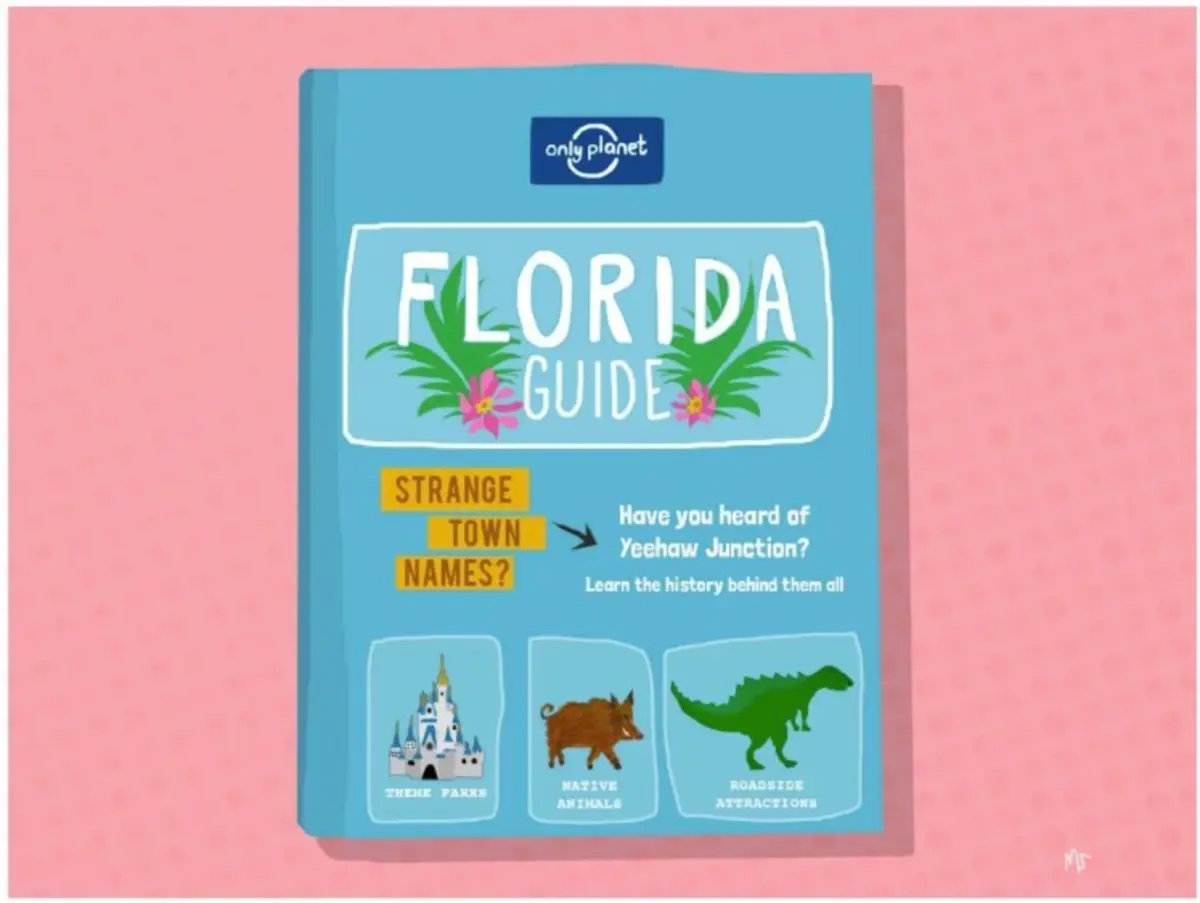
This deep-dive investigative report examines the historical records, folklore, and socio-economic forces that birthed ten of the Sunshine State’s most unusual monikers. From a town mistakenly named after an Iraqi capital to a community built on the backs of breakfast ingredients and strawberry patches, we decode the history etched into Florida’s roadside welcome signs.
Detailed Chronology: How Florida’s Maps Were Written
The nomenclature of Florida’s unconventional settlements spans nearly two centuries of tumultuous development. Understanding how these towns received their titles requires tracing the chronological evolution of the state—from the frontier conflicts of the early 19th century to the speculative real estate booms of the 1920s and corporate marketing stunts of the modern era.
1. Christmas (Established 1837)
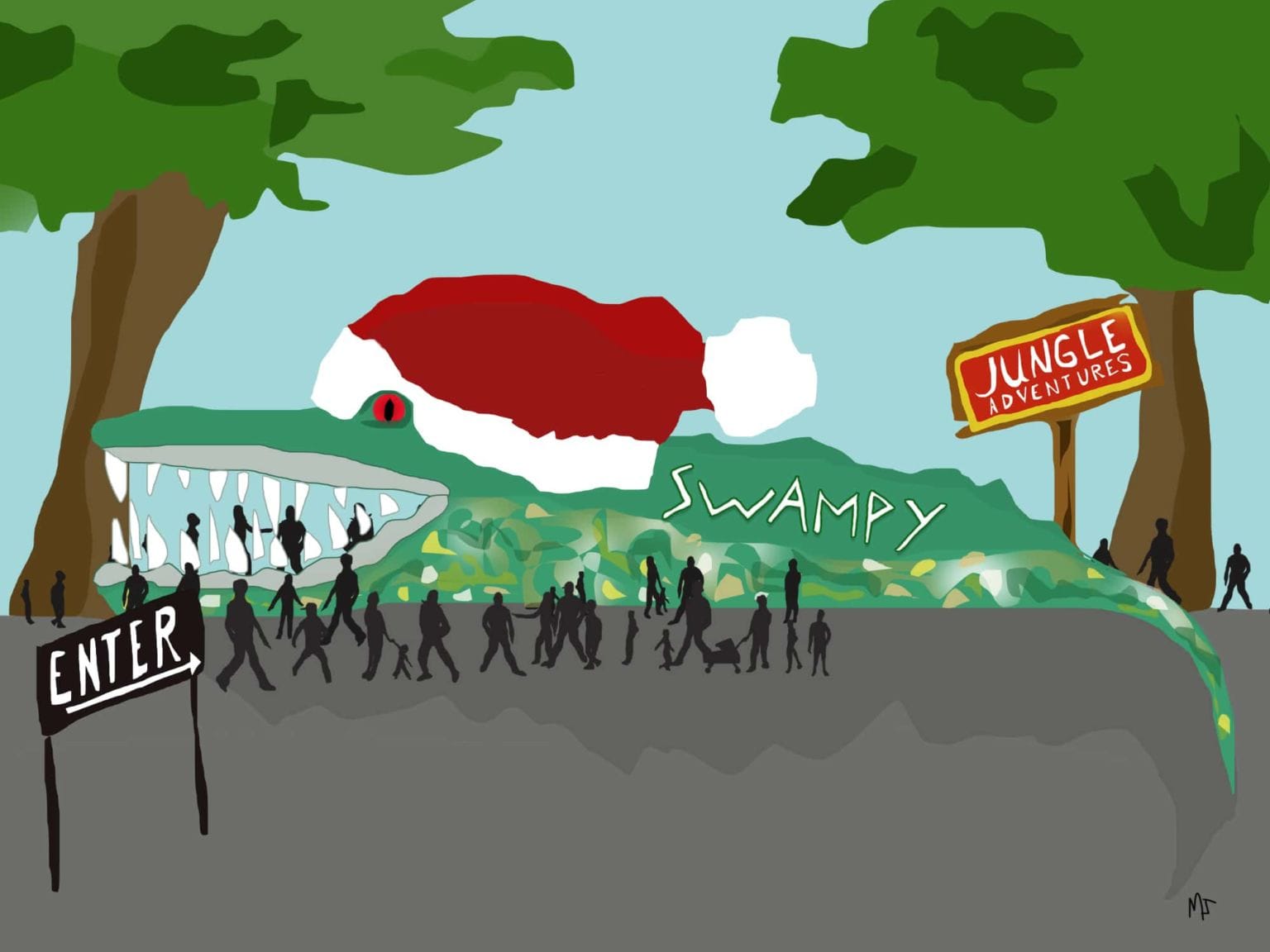
The historical timeline of Florida’s strange names begins deep within the Second Seminole War. On December 25, 1837, a formidable detachment of 2,000 U.S. Army soldiers and Alabama volunteers pushed into a dense region of Central Florida. Their mission was strategic: construct a fortified military outpost. Completed fittingly on Christmas Day, the site was named Fort Christmas. Today, a meticulously maintained, full-sized replica of the fort stands as a monument to that era. Over the decades, the surrounding settlement adopted the name, transforming the military outpost into a holiday-themed geographic oddity whose post office is swamped every December by people desperate to mail letters bearing the postmark "Christmas, Florida."
2. Two Egg (Civil War Era – 1930s)
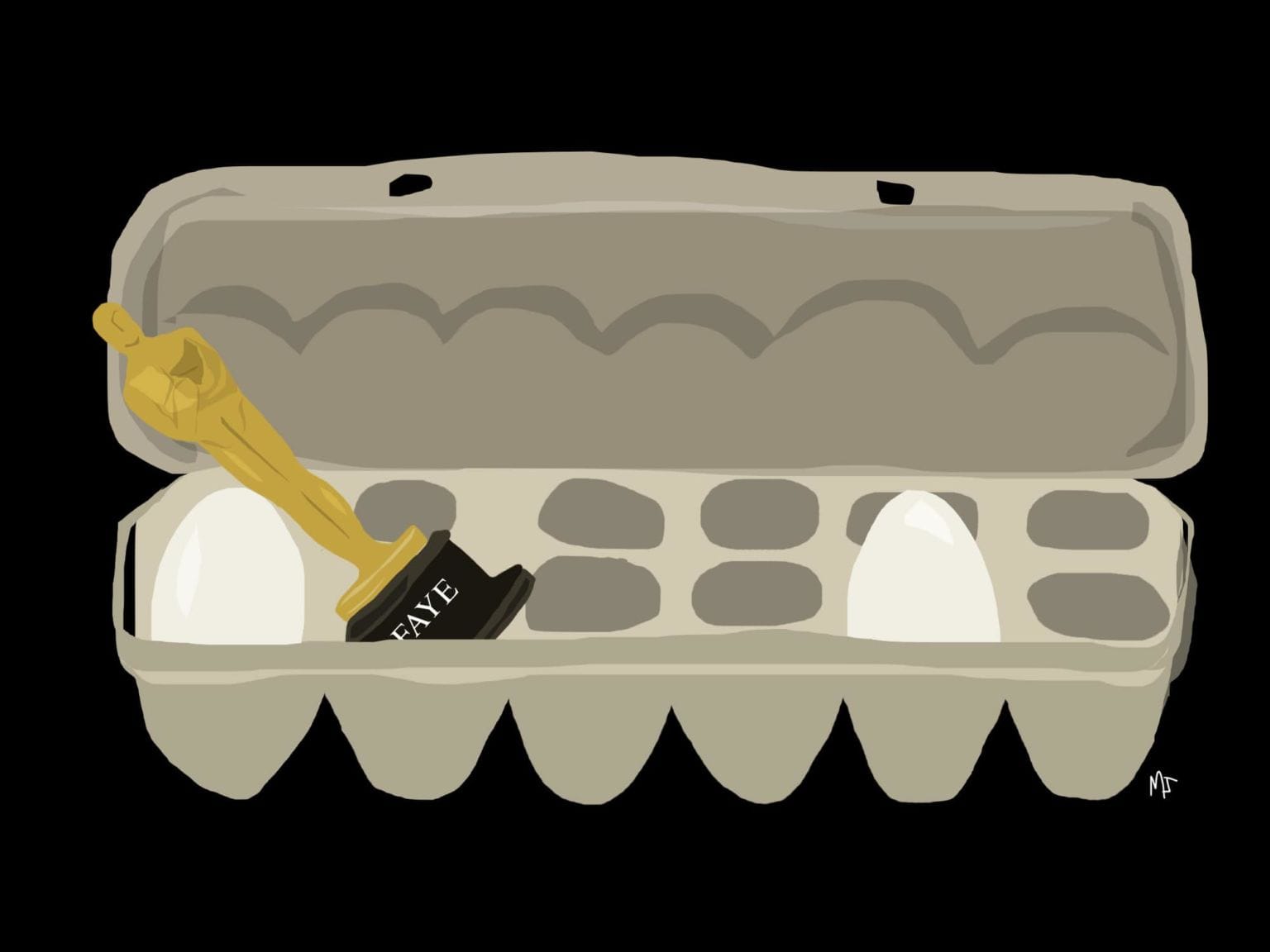
Moving into the latter half of the 19th century, the Northwest Florida-Georgia border region gave rise to a community initially known as Allison, named after the operators of a local sawmill. However, the economic devastation of the Great Depression in the 1930s forced locals into creative barter systems. Oral history dictates that two young boys frequently visited a local general store, trading two eggs in exchange for essential family commodities like sugar. The local vernacular shifted, permanently rebranding the community as Two Egg—a testament to rural resilience and subsistence trading during America’s darkest economic hour.
3. Bagdad (Established 1840)
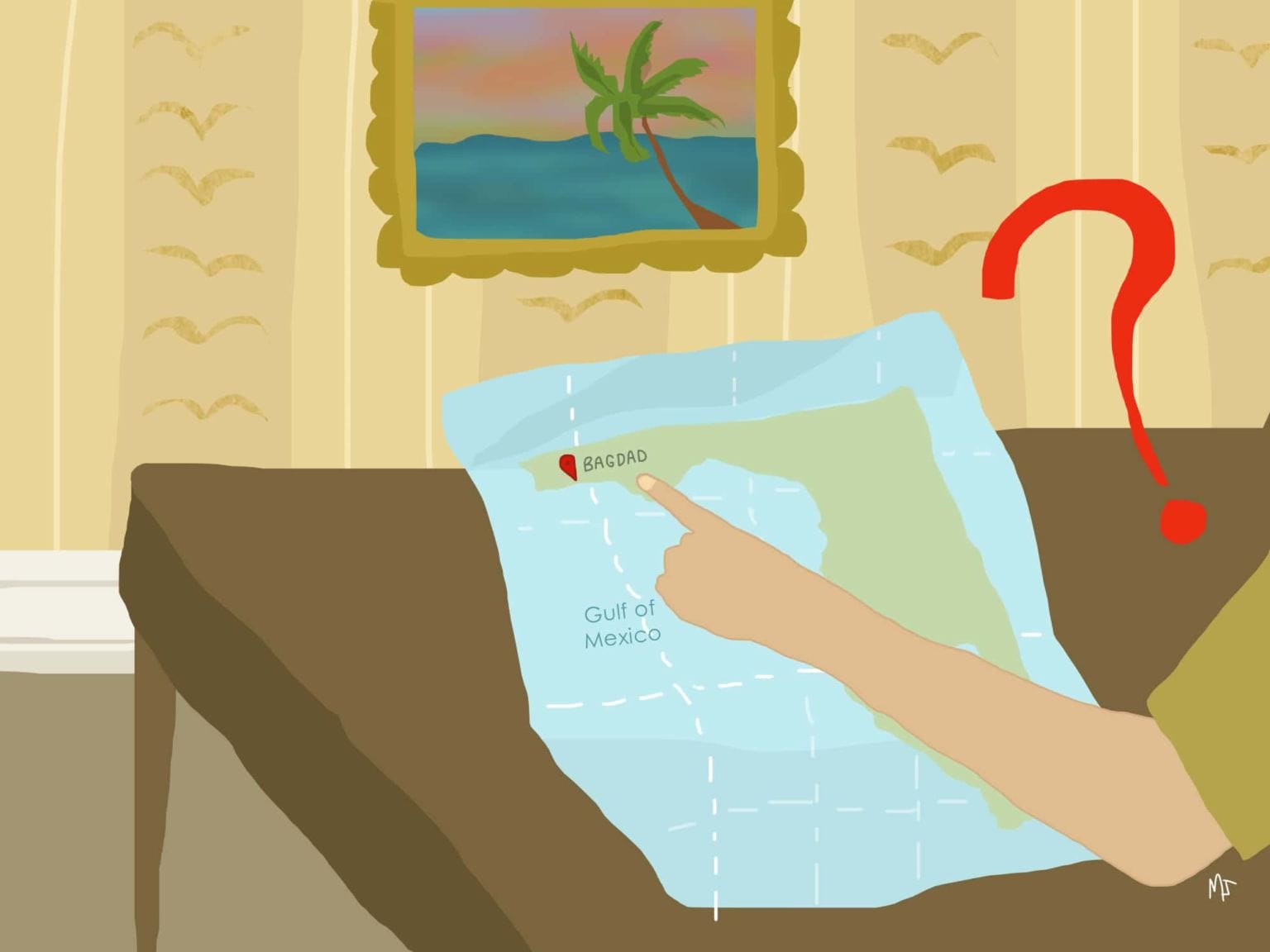
Founded in Santa Rosa County along the Florida panhandle, Bagdad was established as a burgeoning lumber mill town in 1840. While it explicitly shares its name with the capital of Iraq—minus a single letter—historians have long debated the exact etymological inspiration. A prominent local theory from the late 20th century suggests that the geographic convergence of Bagdad’s Pond Creek and the Cypress River closely mirrored the confluence of the Tigris and Euphrates rivers in the Middle East.
4. Lulu (Established 1890s)
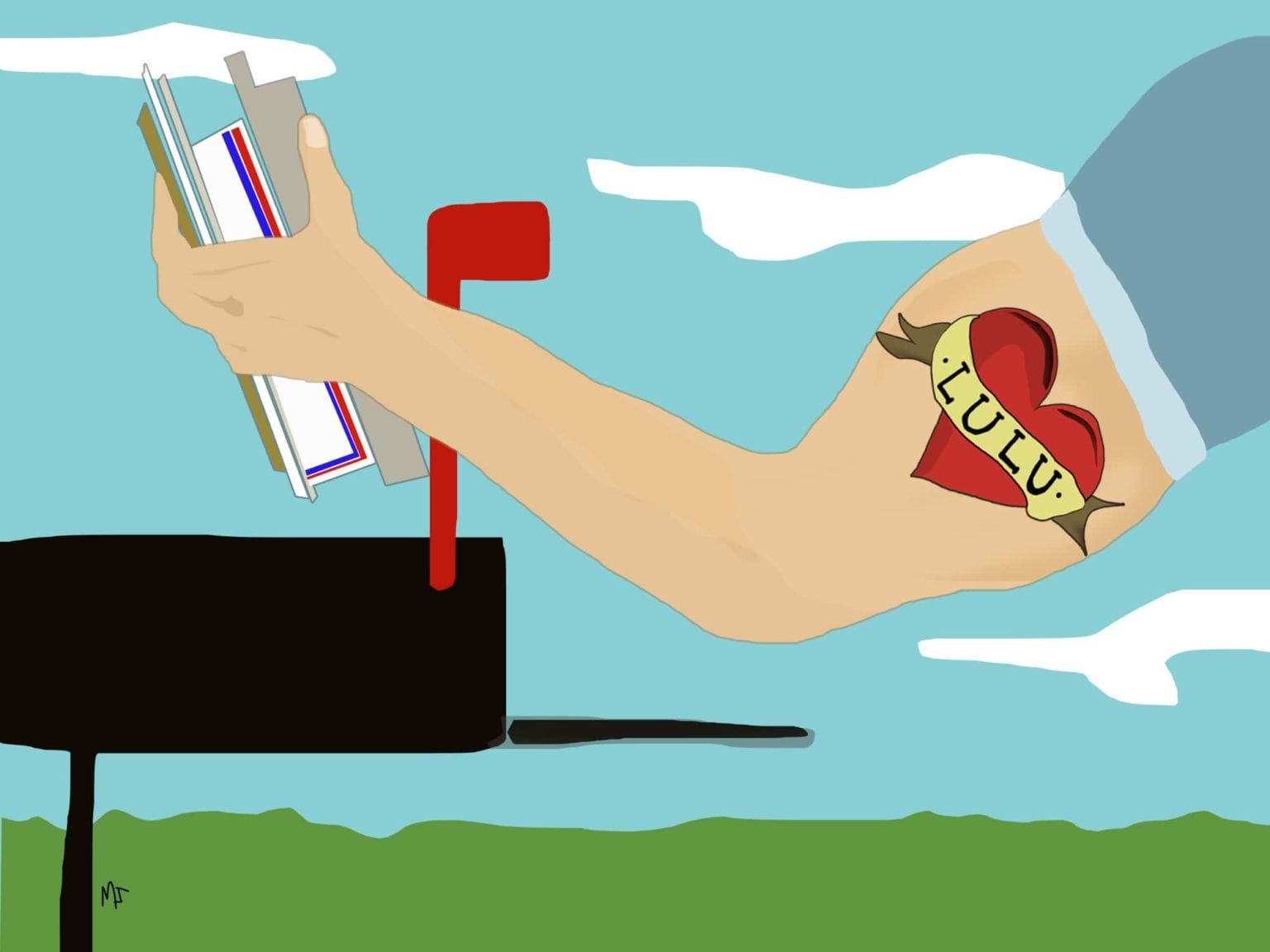
In the rolling hills of North Central Florida’s Columbia County, a romance etched itself permanently onto state maps during the 1890s. According to regional lore documented by the Tampa Tribune, the area’s inaugural postmaster was deeply enamored with a woman named Lulu. When tasked with naming the newly minted post office and surrounding community, he chose to honor his romantic partner. Though the relationship ultimately dissolved, the town’s name survived the test of time.
5. Frostproof (Early 20th Century)
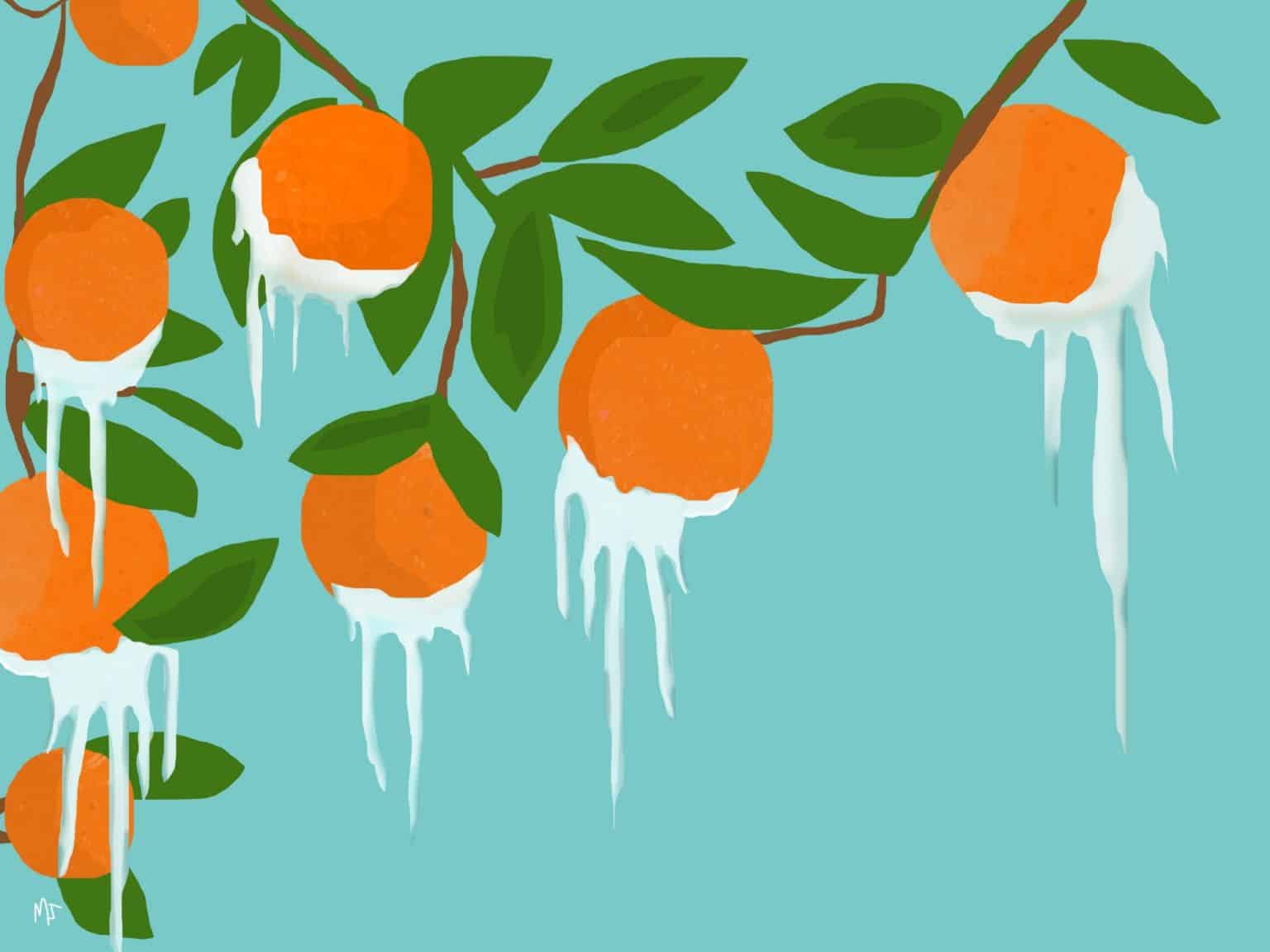
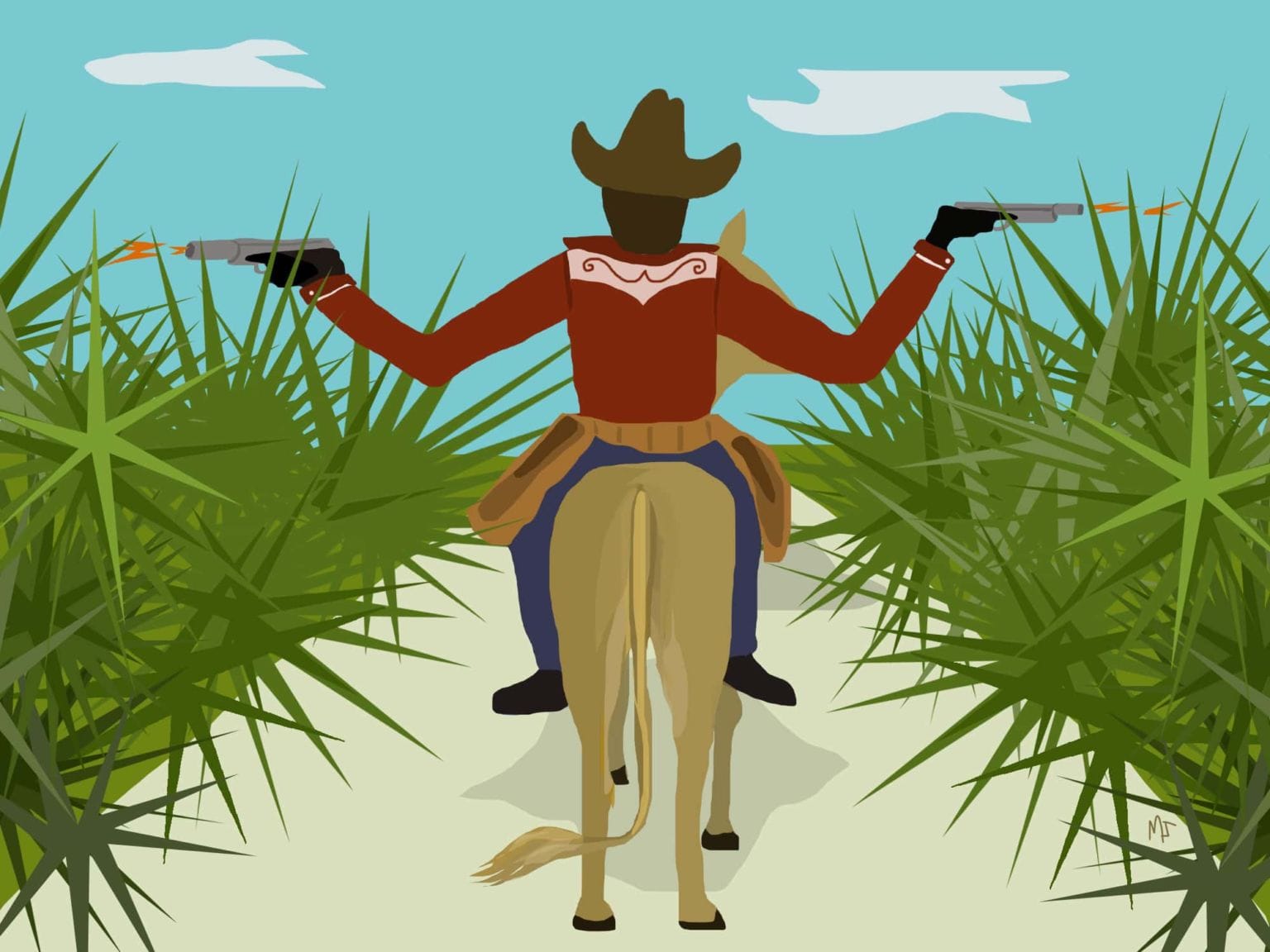
Situated at the dead center of the state in southern Polk County, Frostproof was christened to tackle a massive economic vulnerability: agricultural ruin. Citrus crops are notoriously sensitive to freezing temperatures. While no part of Florida is entirely immune to cold snaps, town founders and developers adopted the name "Frostproof" as a bold marketing ploy designed to lure citrus growers southward, convincing them their investments would be safe from crippling winter frosts.
6. Howey-in-the-Hills (Established 1925)
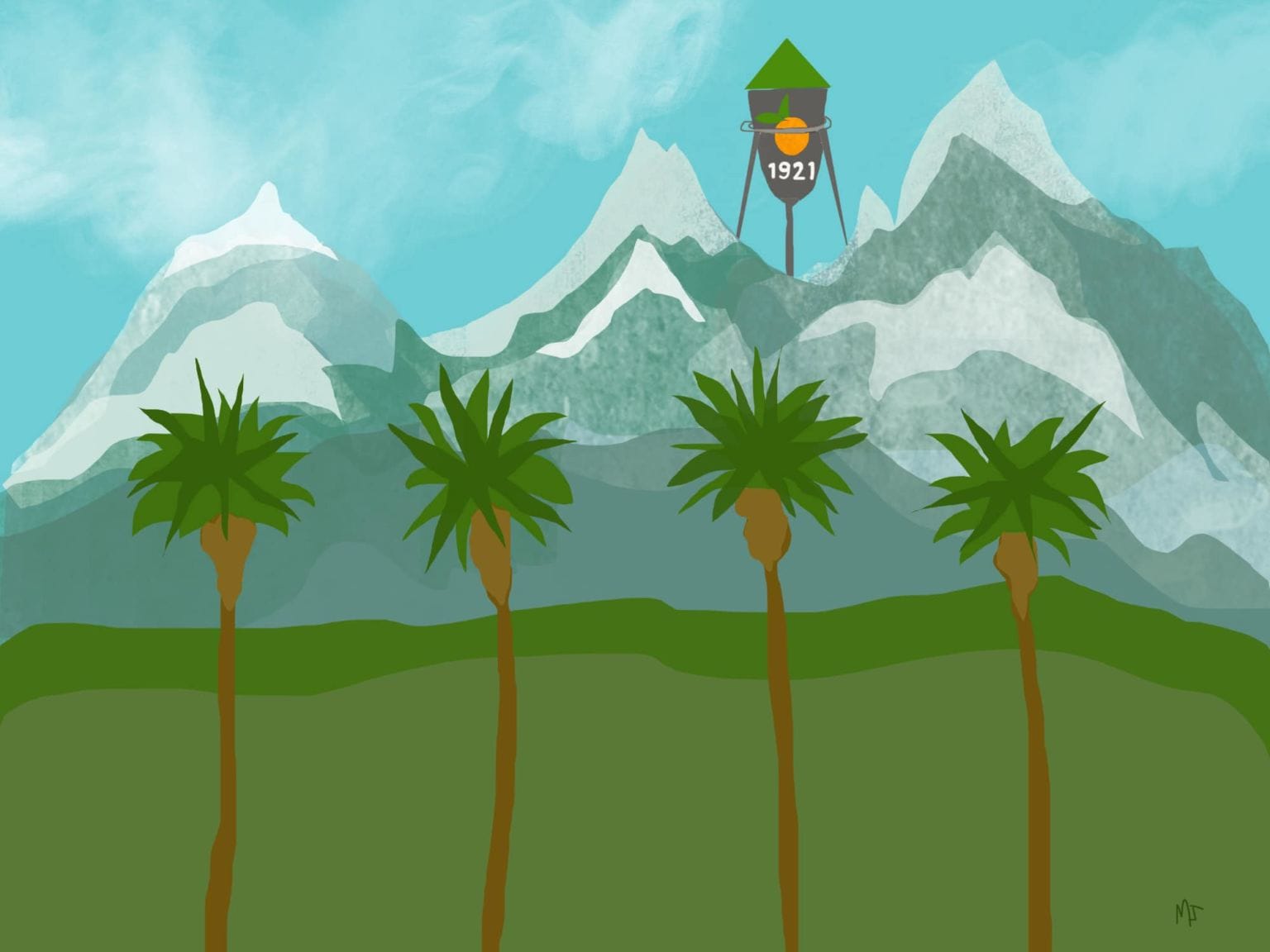
During the roaring real estate boom of the mid-1920s, citrus juice entrepreneur William John Howey founded a settlement in Lake County simply named "Howey." Recognizing the unusual rolling topography of the region—a stark contrast to Florida’s notoriously flat terrain, which Howey grandly dubbed "the Florida Alps"—town leaders officially updated the name to Howey-in-the-Hills in 1927.
7. Briny Breezes (1920s–1950s)
In South Florida’s Palm Beach County, a former strawberry farm owned by a Michigan lumberman evolved into a seasonal trailer park. As tourists rented parcels for a mere $3 a week, the seeds of a unique municipality were planted. When the original owner sought retirement, he offered tenants the chance to purchase their plots for roughly $2,000 each. Incorporated due to its prime geography nestled between the Atlantic Ocean and the Intracoastal Waterway, Briny Breezes remains a tight-knit coastal haven.
8. Lorida (Established 1937)
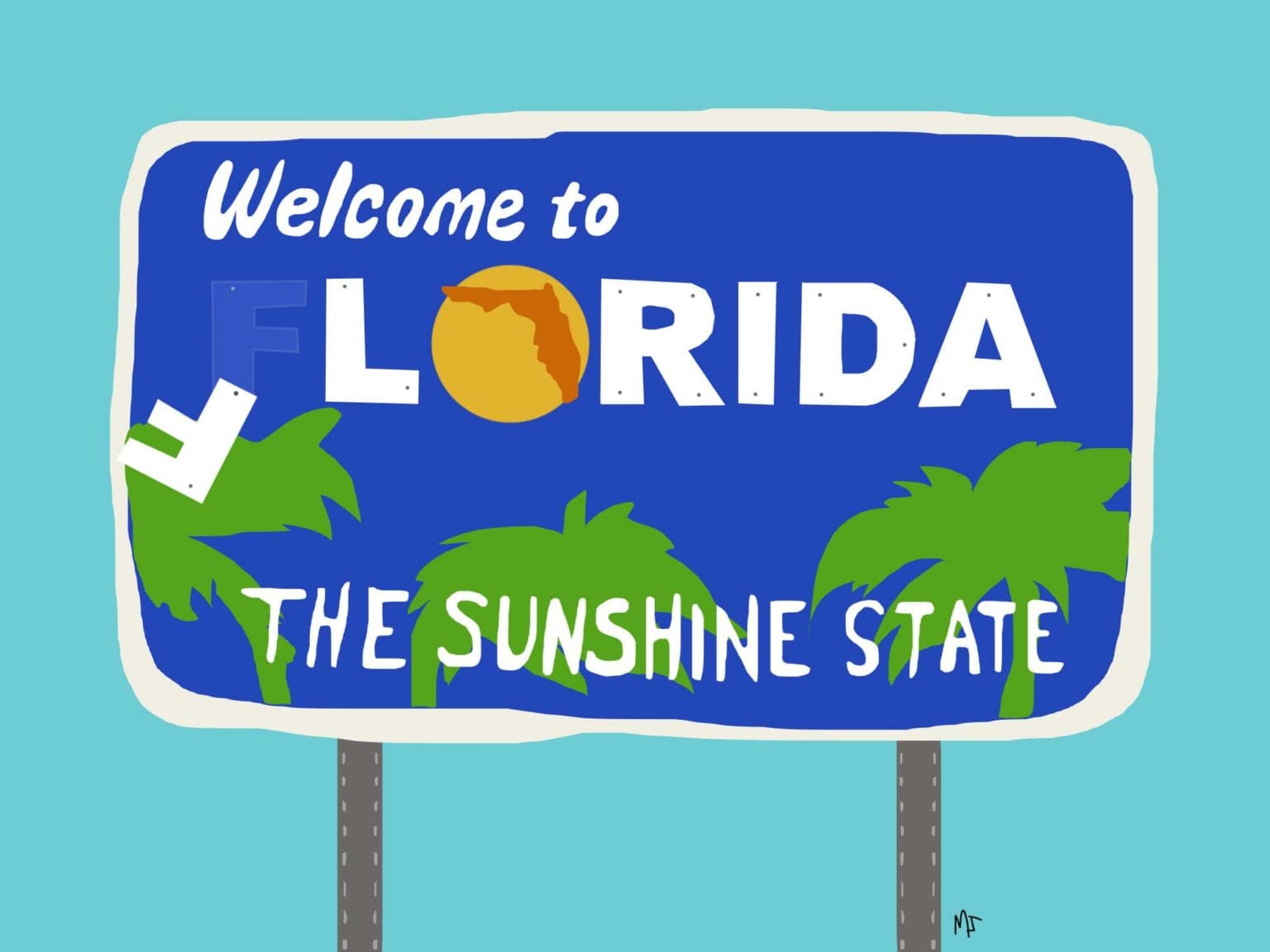
Originally bouncing through various monikers including Cow House, Sunnyland, and Istokpoga, an unincorporated community in Highlands County faced an identity crisis. Constant mail and freight confusion with local railways utilizing the "Istokpoga" name forced community leaders into action. In 1937, they opted for administrative simplicity: they took the state’s name, dropped the leading "F," and officially became Lorida.
9. Yeehaw Junction (Mid-20th Century)
Located at the strategic crossroads of Florida’s Turnpike and State Road 60 in Osceola County, this unincorporated hamlet has generated multiple origin theories. Some linguists argue "Yeehaw" is a phonetic corruption of a Creek Indian word signifying "wolf," nodding to the extinct Florida Black Wolf. Other old-timers claim the area was mockingly dubbed "Jackass Junction" due to the heavy reliance on donkeys by early regional ranchers.
10. Mayo (19th Century – Modern Era)
Mayo serves as the sole municipality in Lafayette County, drawing its original name from a human source: Confederate Colonel James Micajah Mayo. However, the town’s history took a brilliantly absurd turn in 2018 when it temporarily traded its heritage for a corporate paycheck. In a heavily publicized marketing stunt for Miracle Whip, the town briefly rebranded itself as "Miracle Whip, Florida," netting a $250,000 cash donation and outfitting residents in custom commemorative merchandise.
Supporting Context & Metrics
To truly comprehend these municipalities, one must examine their demographic realities, geographic footprints, and economic footprints. Many of these unusual names belong to unincorporated communities or micro-towns where modern populations hover in the hundreds, or are entirely unrecorded.
| Town Name | County | Estimated Population | Primary Historical Catalyst | Major Claim to Fame |
|---|---|---|---|---|
| Frostproof | Polk | ~3,032 (2024) | Citrus industry promotion | Hometown of citrus baron Ben Hill Griffin Jr. |
| Howey-in-the-Hills | Lake | ~1,175 (2018) | Topography / William John Howey | Site of Florida’s first citrus juice plant (1921) |
| Yeehaw Junction | Osceola | ~240 (2010) | Railway station / Creek etymology | Secret Cold War biological testing site ("Agent TX") |
| Christmas | Orange | ~1,146 (2018) | Second Seminole War encampment | Home to the world’s largest alligator-shaped building |
| Two Egg | Jackson | Unrecorded | Great Depression barter systems | Childhood home of Oscar-winning actress Faye Dunaway |
| Bagdad | Santa Rosa | ~1,490 (2000) | 19th-century lumber milling | Birthplace of PGA golf star Bubba Watson |
| Briny Breezes | Palm Beach | ~411 (2000) | Strawberry farm to mobile home cooperative | Setting for the 2005 Cameron Diaz film In Her Shoes |
| Lulu | Columbia | Unrecorded | Postmaster’s romance | Annual historical festival celebrations |
| Lorida | Highlands | Unrecorded | Simplification of railway terms | Urban legends regarding a "Six Flags over Lorida" park |
| Mayo | Lafayette | ~1,237 (2010) | Named after Confederate Col. James M. Mayo | Temporary 2018 rebrand to "Miracle Whip, Florida" |
Official Statements and Local Perspectives
The preservation of these names is not merely a quirk of municipal record-keeping; it is a point of fierce pride for local historians, long-term residents, and municipal governments.
"When you name a town something as whimsical or jarring as Yeehaw Junction or Two Egg, you aren’t just putting words on a map—you are embedding narrative tissue into the landscape," notes Dr. Aris Thorne, a historical geographer specializing in Southeastern American settlements. "People remember these places because the names demand an explanation. They force travelers to stop, ask questions, and engage with the hyper-local history of Florida’s interior."
Local leaders in places like Briny Breezes and Frostproof view their unusual monikers as protective cultural armor against rapid, homogenized suburban sprawl.
"Developers come down here looking to pave over everything with cookie-cutter subdivisions named ‘Pine View Estates’ or ‘Lakeside Manor,’" shares Evelyn Vance, a lifelong resident and archivist in Palm Beach County. "Names like Briny Breezes remind developers and newcomers alike that this land has an idiosyncratic soul that cannot be easily bulldozed or rebranded."
Future Outlook
As Florida continues to experience unprecedented population growth—welcoming thousands of new residents every week—the pressure to modernize, sanitize, and streamline local infrastructure intensifies. Unincorporated pockets like Lulu and Lorida face constant pressures from county rezoning initiatives, while micro-municipalities like Briny Breezes navigate multi-million-dollar real estate acquisition pressures.
Yet, despite the relentless march of modern development, Florida’s peculiar cartography remains surprisingly resilient. The economic value of novelty tourism, digital-age curiosity, and roadside Americana ensures that travelers will continue seeking out these eccentric landmarks. Whether it’s mailing Christmas cards from a fort built in 1837, hunting down historical artifacts in Two Egg, or marveling at the rolling hills of Howey, Florida’s weird town names serve as permanent reminders that the Sunshine State has always marched to the beat of its own eccentric drum.

0 Comments