Every year, more than a million retirees and remote workers pack up their belongings, lock their northern doors, and head south. Known colloquially as "snowbirds," this massive migratory wave leaves behind the biting winds, icy driveways, and shoveling marathons of the northern United States and Canada in favor of the sun-drenched landscapes of Florida, Arizona, and the broader Sunbelt.
For aging adults, the appeal goes far beyond trading heavy coats for t-shirts. Winter weather poses severe physical risks: slips and falls on ice can spell disaster for bone density, and the strenuous labor of shoveling heavy snow frequently triggers cardiovascular emergencies. Furthermore, freedom from the rigid 9-to-5 grind opens the door to active, outdoor-centric lifestyles featuring golf, tennis, swimming, and daily walks—activities that drastically improve longevity and quality of life.
However, transitioning into a dual-location lifestyle is far more complicated than simply embarking on an extended vacation. Beneath the allure of palm trees and ocean breezes lies a complex web of financial, logistical, and legal hurdles. From managing multi-state tax liabilities and specialized home maintenance to navigating disparate healthcare networks and localized mail delivery, successful snowbirding requires careful planning and a strategic mindset. This investigative guide breaks down the true realities of seasonal migration, offering expert insight into how you can enjoy the best of both worlds without falling prey to costly oversights.
Detailed Chronology: Planning Your Seasonal Migration
Embracing the snowbird lifestyle cannot be done on a whim. Because prime destinations and rentals are booked months—sometimes a full year—in advance, prospective migrants must follow a disciplined timeline. Here is how you should structure your planning cycle:
Phase 1: The Exploratory and Trial Year (Spring to Summer)
Before committing hundreds of thousands of dollars to purchase a second home, veterans of the lifestyle strongly advise renting for at least one full season.
Explore Multiple Regions: Don’t limit yourself to a single city. Spend one winter in the humid coastal climate of Florida and the next in the dry desert heat of Arizona.
Test the Community Vibe: Engage with local residents, visit community centers, and evaluate the local infrastructure. If you eventually plan to sell your northern home and make your winter destination permanent, this exploratory phase is critical.
Phase 2: Securing Accommodations (Summer to Early Fall)
Once you have selected your ideal region, you must lock down your winter housing.
Rentals: Platforms like VRBO, Airbnb, and localized community bulletin boards in massive active adult hubs—such as The Villages or On Top of the World in Florida—are invaluable. Because multi-month leases (three months or longer) are in exceptionally high demand, your search should begin as early as January of the preceding year.
Purchasing: If you decide to buy a condo, mobile home, park model, or single-family residence, factor in the time required for closing, purchasing furnishings, and outfitting the home with appliances and kitchenware.
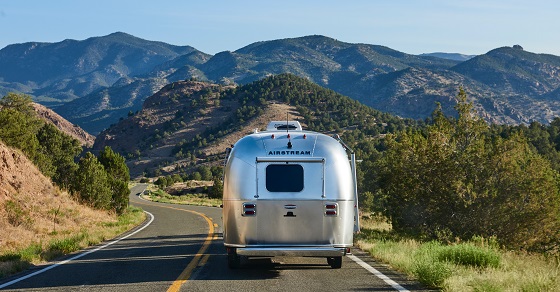
RVs and Motorhomes: For those utilizing recreational vehicles, secure your RV park or campsite reservations well in advance. Keep in mind that driving a massive motorhome locally is unwieldy; you will likely need to budget for a tow vehicle (toad) to get around once parked.
Phase 3: Logistics, Maintenance, and Utilities (Late Fall)
With your housing secured, focus shifts to managing your primary residence and preparing for transit.
Home Hibernation: If you live in an area prone to severe freezes, you must winterize your home. This means either maintaining a reduced heat setting to prevent frozen, burst pipes or hiring a professional plumber to completely blow out and drain your water lines. Unplug electronics, empty the refrigerator, and secure your property.
Property Upkeep: Arrange for local services to handle snow removal, lawn mowing, pool chemistry management, and weed control.
Utilities: Contact your utility providers to inquire about "hibernation" or seasonal suspension options so you aren’t paying for high-speed internet and cable while thousands of miles away.
Phase 4: Departure and Transition (Early Winter)
As migration day approaches, finalize your medical and legal preparations:
Healthcare Protocols: Transition your prescriptions and secure copies of your medical records.
Mail and Subscriptions: Cancel local newspaper deliveries and set up mail forwarding through the USPS, a private mail service, or a trusted neighbor.
Travel: Whether driving, flying, or utilizing a professional car shipping service, ensure your transit logistics are completely ironed out before hitting the road.
Supporting Context & Metrics: The Realities of Dual-Residence Living
Transitioning to a snowbird lifestyle introduces financial and administrative variables that can catch unprepared retirees off guard. Let us examine the core pillars of the snowbird budget and logistics matrix.
1. The Financial Architecture: Buying, Renting, and Insuring
Your choice of accommodation dictates your exposure to ongoing expenses:
Secondary Real Estate: Owning a second home means doubling up on property taxes, maintenance, and insurance. Notably, insurance premiums for vacant or intermittently occupied homes can be significantly higher, as carriers view unattended properties as higher risks for water damage or break-ins.
The RV Equation: Ranging from modest travel trailers to multi-million-dollar luxury motorcoaches, RVs offer ultimate portability. However, they demand a powerful towing vehicle, constant campsite fees, and practical compromises regarding local transportation.
Travel Overhead: Whether you choose to fly and ship your vehicle via a dedicated car-moving service or embark on a multi-day road trip, transit costs must be baked into your annual budget. Don’t forget to account for emergency flights home for family events or medical reasons.
2. The Tax Labyrinth
Tax compliance becomes significantly more complicated when splitting your time between two states:
Property and Income Taxes: Owning property in a Sunbelt state means paying local property taxes there. Furthermore, depending on the exact number of days you reside in your winter state—often benchmarked at the 183-day rule, though varying wildly by jurisdiction—you may trigger state income tax liabilities.
Estate and Inheritance Laws: Different states maintain distinct legal frameworks regarding residency, estate taxes, and inheritance. Consulting with a multi-state tax professional is essential.
Tax Document Delivery: If you remain south past April 15th, establish a secure method for receiving sensitive tax documents and W-2/1099 statements at your temporary address.
3. Mail Management in a Digital Era
While online banking and electronic billing have streamlined remote living, physical mail still poses challenges:
Traditional USPS forwarding works well for static addresses, but mobile snowbirds or RV travelers often rely on third-party mail-forwarding services.
Many RV parks do not accept mail for short-term visitors, requiring the use of USPS General Delivery services. Alternatively, enlisting a trusted neighbor or relative to collect and batch-mail your letters is a reliable fallback.
4. Protecting Your Assets: Maintenance & Security
A vacant northern home is vulnerable to unexpected disasters. Beyond freezing pipes, unattended properties attract unwanted attention. Uncollected flyers stuck in doorframes and free community papers piling up on driveways advertise that nobody is home. Arranging for a local housesitter or a dependable neighbor to check the property weekly is arguably the best investment a snowbird can make.
5. Managing Pets and Medical Care
Pets: Bringing dogs and cats along enhances the journey, but it can severely restrict your options when leasing rental properties. Exotic pets (birds, fish, reptiles) will require dedicated foster care or professional in-home pet-sitting services.
Healthcare Nuances: If you are over 65 and enrolled in traditional Medicare, your coverage travels with you anywhere within the United States. However, if you rely on private health insurance or a Medicare Advantage plan, your coverage is generally restricted to emergency services outside your home network. Establishing a relationship with a local clinic and setting up a secure prescription transfer strategy with your pharmacy are paramount steps.
Official Insights & Industry Perspectives
Financial planners and retirement experts frequently weigh in on the hidden complexities of seasonal migration. According to Dave Hughes, author of The Quest for Retirement Utopia, making the leap requires a sober, realistic assessment of what you truly value in your golden years:
"Everything on this list is doable, especially in today’s electronically connected world. Over a million people migrate seasonally and have done so for many years. However, enjoying a successful snowbird lifestyle is much more complicated than simply going on a long vacation."
Industry experts emphasize that retirees must look past the picturesque imagery of palm trees and sunset walks. The psychological shift of maintaining two distinct households—managing home repairs remotely, dealing with duplicate bills, and adjusting to fluctuating social circles—requires high organizational aptitude and financial resilience.
Real estate analysts also point out that active adult master-planned communities, such as The Villages in Florida, have adapted specifically to the snowbird influx. By offering specialized short-term rental networks, dedicated club memberships, and robust community infrastructure, these hubs have streamlined the integration process for millions of seasonal visitors.
Future Outlook: The Evolution of the Snowbird Experience
Looking ahead, the landscape of seasonal migration is undergoing a profound transformation driven by technology, demographics, and changing workforce dynamics.
The Rise of the "Digital Nomad" Senior: As the younger contingent of retirees enters the snowbird community, expectations around connectivity, smart-home automation, and high-speed remote access are shifting. Winter homes are no longer just places to sleep; they are fully functioning remote offices and media hubs.
Eco-Conscious and Sustainable Travel: With rising fuel costs and an increased focus on carbon footprints, more snowbirds are exploring fuel-efficient electric vehicles (EVs) for local transit, and energy-efficient smart thermostats to monitor their northern homes remotely.
Alternative Housing Models: Co-ownership models, property-swapping platforms, and fractional ownership communities are gaining traction. These innovations lower the steep capital barrier of purchasing a second home, allowing retirees to test multiple regions without long-term financial commitments.
Healthcare Portability: As telehealth matures, managing cross-state medical needs is becoming smoother. Virtual consultations with primary care physicians back home, combined with localized urgent care integration, are bridging the geographic gap in senior healthcare.
Ultimately, while the logistics of becoming a snowbird demand careful planning, meticulous budgeting, and administrative diligence, the rewards are undeniable. For those willing to navigate the complexities, the snowbird lifestyle offers a vibrant, active, and sun-filled chapter that truly delivers the best of both worlds.





0 Comments