

Executive Overview
Every culture possesses its own catalog of the macabre—mythologies designed to explain the inexplicable, warn the unwary, and preserve the collective anxieties of generations past. While the Pacific Northwest harbors Bigfoot, Scotland claims the Loch Ness Monster, and Russian folklore whispers of the subterranean "Well to Hell," Florida holds a uniquely eclectic and unsettling place in the pantheon of American urban legends.
Beyond its sun-drenched beaches, sprawling theme parks, and idyllic retirement communities lies a darker, swamp-fogged underbelly. Florida’s rich history—marked by bloody frontier conflicts, Spanish colonization, piracy, the Civil War, and rapid, often volatile expansion—has birthed a remarkably diverse collection of paranormal lore and regional folklore. From cursed artifacts housed in Key West museums to phantom hitchhikers haunting billion-dollar engineering marvels, these tales form a vital, if eerie, sub-layer of the state’s cultural identity.

This investigative feature examines ten of Florida’s most pervasive urban legends and supernatural sites, tracing their historical origins, the folklore surrounding them, and their enduring grip on the popular imagination.
Detailed Chronology: A History of Florida’s Haunted Landscape
The evolution of Florida’s ghost lore mirrors its turbulent chronology. The following timeline traces the historical roots and reported manifestations of the state’s most infamous paranormal phenomena.

- Mid-19th Century (Civil War Era): The grim events inspiring the legend of the Bloody Bucket Bridge in Hardee County take root during a period of profound national fracture and human suffering.
- 1874: The St. Augustine Lighthouse is erected to safeguard maritime navigation. Within decades, reports of phantom cigar smoke and the tragic drowning of the Pity children establish the structure as a hotbed of spectral activity.
- 1889: Elizabeth "Bessie" Budd-Graham is interred at the Old City Cemetery in Tallahassee. Her unusual tombstone and west-facing orientation spark decades of rumors identifying her as the city’s resident "witch."
- 1906: Robert Eugene Otto receives a 40-inch-tall, sailor-suited doll from a domestic servant practicing voodoo. "Robert the Doll" begins his decades-long reign of psychological terror in Key West.
- Early 20th Century: Pioneer mail riders in Lake Wales observe their horses inexplicably struggling to pull carriages down a sloping grade, christening the geographical anomaly known today as Spook Hill.
- 1954: The original Sunshine Skyway Bridge opens, spanning the mouth of Tampa Bay. Almost immediately, the soaring structure becomes a magnet for tragedy, paving the way for decades of phantom hitchhiker sightings.
- 1960s–1970s: Amid national "Bigfoot" hysteria, eyewitnesses across the South Florida everglades begin reporting sightings of a foul-smelling, bipedal hominid—the Florida Skunk Ape.
- 1980: A catastrophic freighter collision collapses a span of the Sunshine Skyway Bridge, resulting in 36 fatalities and cementing the corridor’s haunting legacy. During the same decade, floor renovations at Key West’s Captain Tony’s Saloon unearth human remains beneath a historic execution tree.
Supporting Context & Metrics: The Anatomy of Florida’s Lore
To understand why Florida generates such potent urban legends, one must examine the intersection of geography, historical trauma, and modern tourism. The state’s unique environmental features—impenetrable cypress swamps, isolated agrarian hamlets, and coastal shipping lanes fraught with peril—provide an ideal backdrop for atmospheric ghost stories.
| Legend / Site | Location | Primary Phenomenon | Historical/Cultural Anchor |
|---|---|---|---|
| The Bloody Bucket Bridge | Wauchula (Hardee County) | Crimson river water; phantom remains | Civil War-era midwife folklore |
| The Florida Skunk Ape | Ochopee / Everglades | Foul odor; bipedal ape sightings | 1970s cryptozoology boom |
| Spook Hill | Lake Wales | Vehicles coasting "uphill" in neutral | Native American legend & pioneer accounts |
| Robert the Doll | Key West | Malfunctioning cameras; moving expressions | Early 20th-century voodoo lore |
| The Devil’s Chair | Cassadaga | Unopened beer cans mysteriously emptied | Volusia County’s spiritualist history |
| Grave of the Tallahassee Witch | Tallahassee | Edgar Allan Poe epitaph; occult offerings | 1889 burial of Elizabeth Budd-Graham |
| St. Augustine Lighthouse | St. Augustine | Spectral cigar smoke; children’s laughter | 19th-century maritime operations |
| Captain Tony’s Saloon | Key West | Automated doors; subterranean skeletons | Former morgue, pirate execution tree |
| Sunshine Skyway Ghost | Tampa Bay | Vanishing blonde hitchhiker | High-fatality bridge history |
| The Fairchild Oak | Ormond Beach | Phantom male apparition; oppressive sorrow | Ancient wilderness preservation site |
The Psychological and Economic Impact
Far from remaining confined to campfire stories, these legends drive a significant sector of Florida’s heritage and dark tourism economy. Museums such as the Fort East Martello Museum in Key West report tens of thousands of annual visitors specifically drawn by the lore of Robert the Doll. Similarly, Cassadaga—founded in 1894 as a spiritualist camp—capitalizes on its reputation as the "Psychic Capital of the World," attracting seekers, skeptics, and paranormal investigators year-round.

Deep Dive: Examining the Ten Legends
1. The Bloody Bucket Bridge (Wauchula)
Hardee County may proudly market itself as the "Cucumber Capital of the World," but local folklore points to a far more gruesome legacy. Situated southeast of Tampa, the legend of the Bloody Bucket Bridge traces back to the Civil War. According to local lore, an enslaved woman serving as the town midwife, devastated by the forced separation from her own child, began murdering the infants she delivered. Falsely informing parents that their newborns were stillborn, she allegedly disposed of their remains in a nearby river using a wooden bucket. Overcome by madness, she eventually believed her buckets were miraculously filling with blood. To this day, locals whisper that visiting the bridge under a full moon reveals water running crimson with innocent blood.
2. The Florida Skunk Ape (The Everglades)
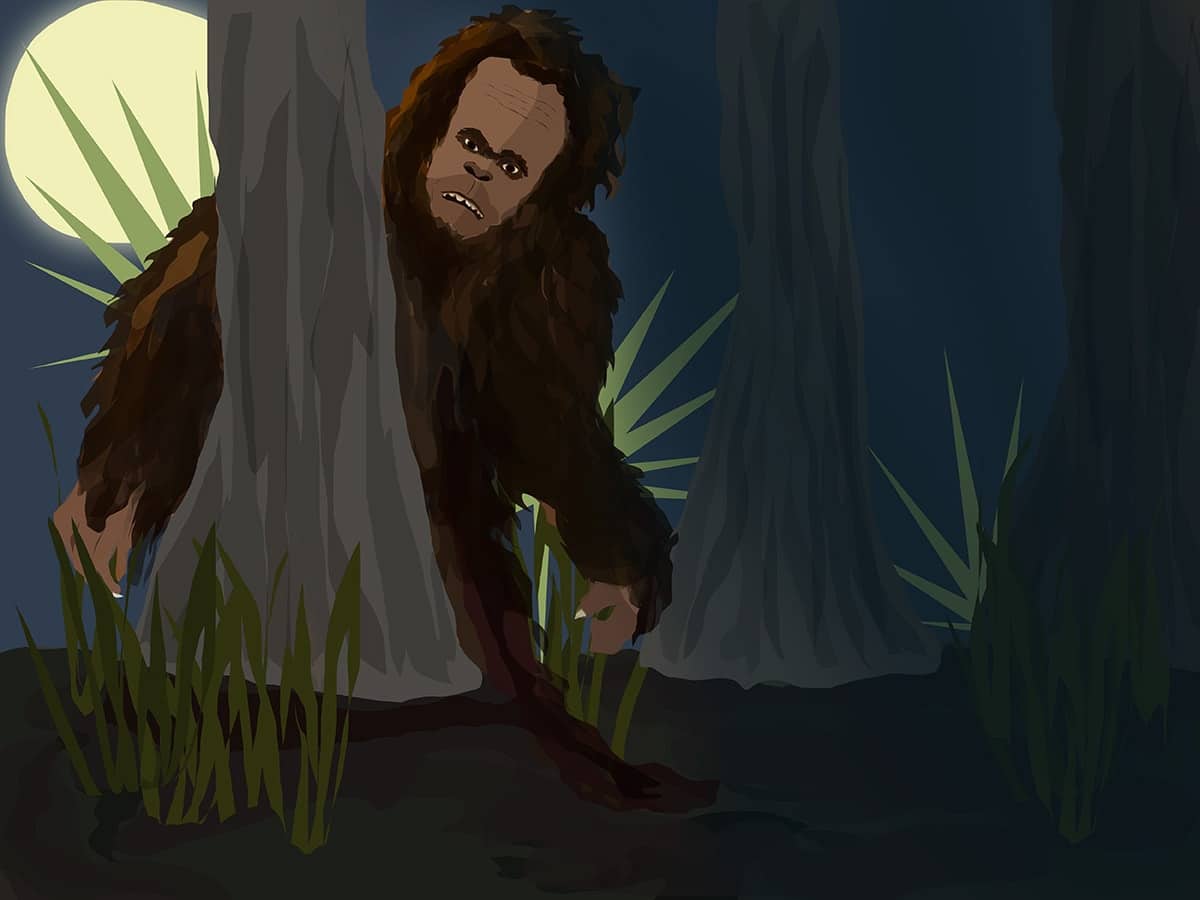
While the Pacific Northwest has Bigfoot and the Himalayas boast the Yeti, Florida lays claim to the Skunk Ape—also known variously as the Swamp Cabbage Man, the Stink Ape, and the Myakka Skunk Ape. Rising to prominence during the cryptid mania of the 1960s and 1970s, reports describe a large, bipedal, ape-like creature roaming the dense wetlands of South Florida, North Carolina, and Arkansas. The creature derives its distinct moniker from an overpowering, foul odor, attributed by believers to its diet and marshland habitat. The phenomenon remains active enough that Ochopee hosts the official Skunk Ape Research Headquarters, where investigators continue to catalog sighting reports.
3. Spook Hill (Lake Wales)
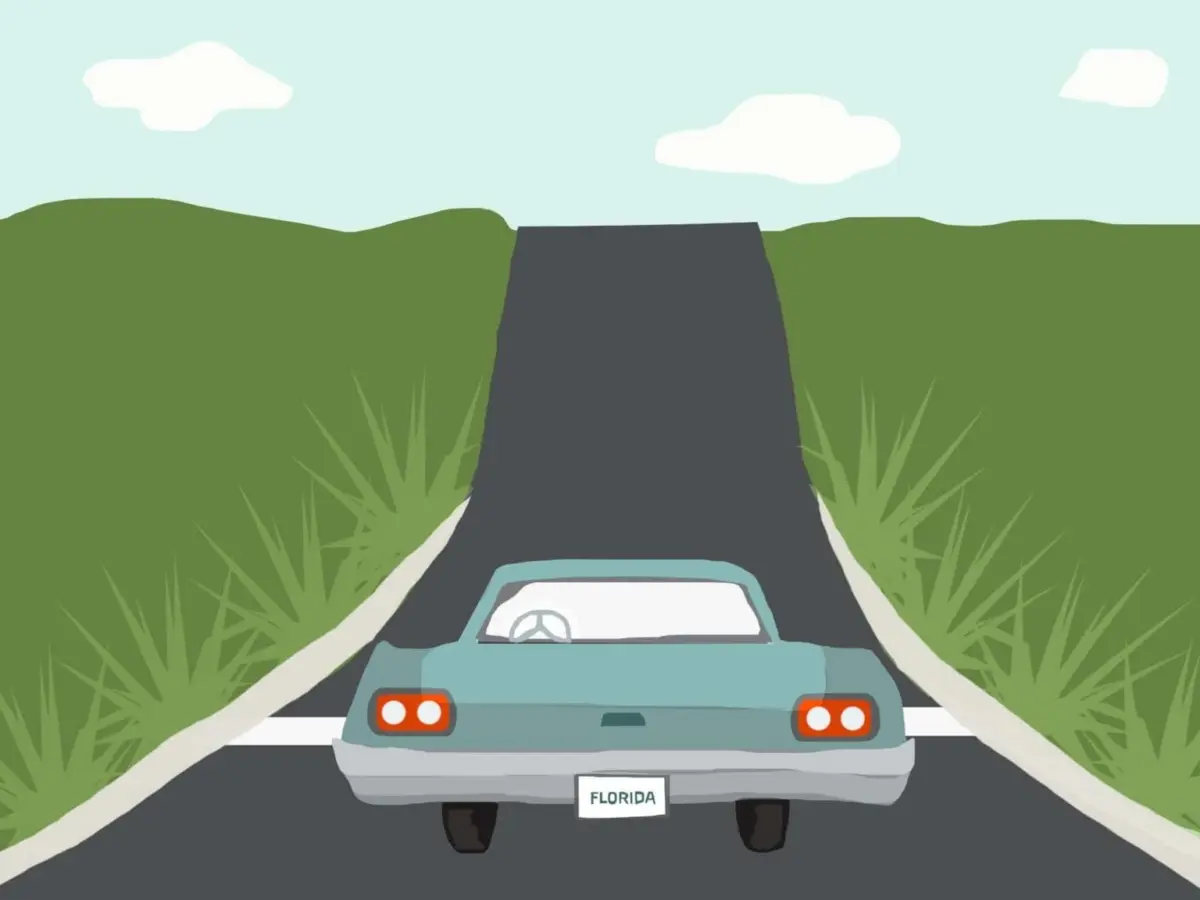
Gravity anomalies have fascinated travelers for generations, but few possess the narrative weight of Spook Hill in Lake Wales. When drivers navigate to a specific stretch of North Wales Drive, place their vehicles in neutral, and remove their feet from the pedals, their cars appear to roll steadily uphill against the pull of gravity. Local legend attributes the phenomenon to an ancient battle between a Native American chief and a giant alligator that terrorized a lakeside village. The chief, slain in the skirmish, was reportedly buried on the northern slope. When pioneer mail riders first noticed their horses straining to descend the grade, they dubbed it Spook Hill—a haunting attributed by believers to the restless spirit of the chief or the vengeful gator.
4. Robert the Doll (Key West)
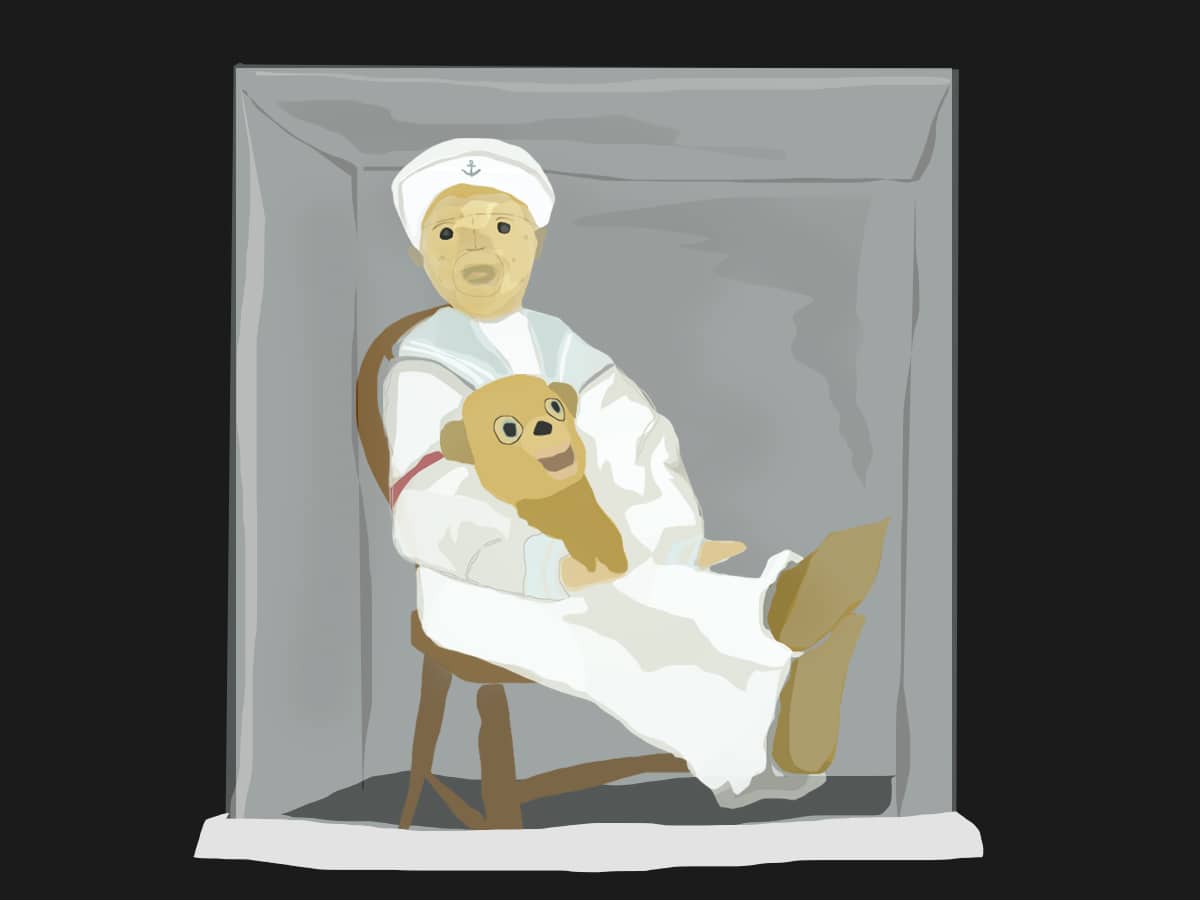
Arguably the most psychologically unnerving artifact in American folklore, Robert the Doll resides behind glass at the Fort East Martello Museum in Key West. Crafted in 1906 and given to young Robert Eugene Otto by a disgruntled domestic servant skilled in voodoo, the 40-inch-tall, sailor-suited figure quickly became the center of bizarre domestic disturbances. Young Gene insisted the doll answer to his own name, leading family members to report hearing hushed conversations between the boy and the toy. Neighbors frequently claimed to see Robert shifting from window to window as they passed the Otto residence. Modern museum curators report that visitors who photograph the doll without first asking for its explicit permission often experience sudden camera malfunctions and electronic failures.

5. The Devil’s Chair (Cassadaga)
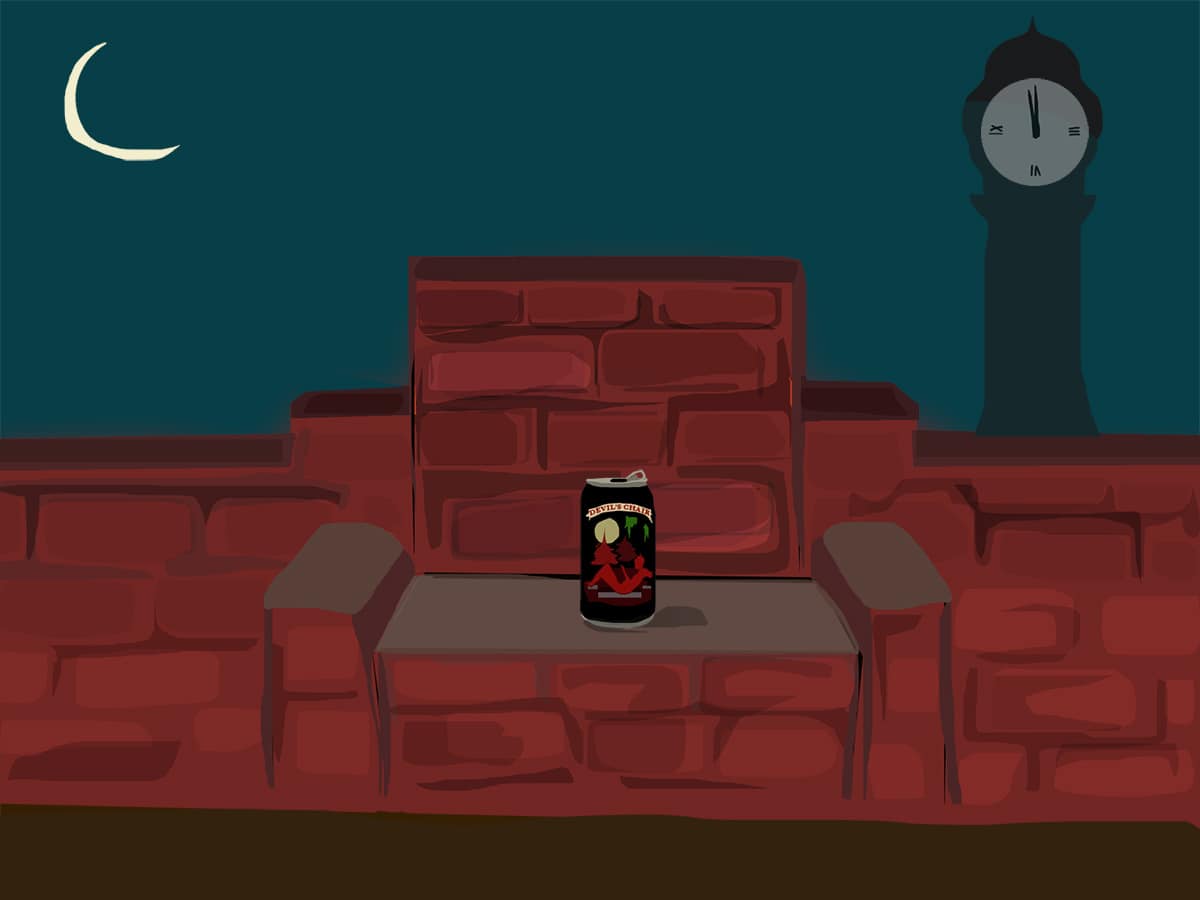
Cassadaga is internationally celebrated as a sanctuary for mediums, spiritualists, and clairvoyants. However, its most notorious landmark is an ordinary-looking brick bench situated within the local cemetery: the Devil’s Chair. Folklore dictates that the seat was constructed by Satan himself, who returns at midnight to meditate and plot human corruption. Legend warns that anyone bold enough to sit on the bench after dark will be subjected to whispers of dark thoughts and lifelong haunting. A companion legend adds a bizarre domestic twist: if an unopened can of beer is left on the chair at dusk, it will be found completely empty—yet still unopened—by dawn.
6. The Grave of the Tallahassee Witch (Tallahassee)
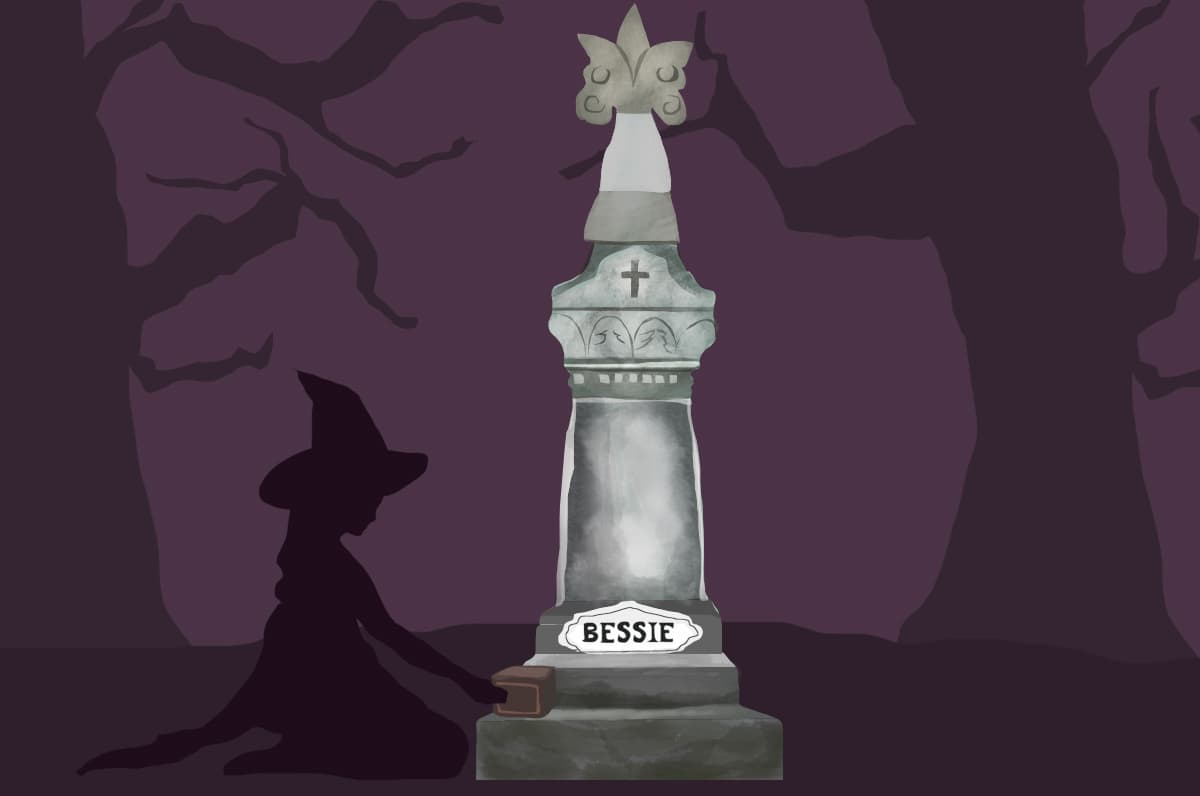
In the historic Old City Cemetery in Tallahassee rests Elizabeth "Bessie" Budd-Graham, who passed away in 1889 at the age of 23. Despite her brief life and conventional family status, her grave is adorned with one of the most elaborate and unorthodox markers in the cemetery. Oriented to face west—contrary to conventional Christian burial practices—the tombstone features an epitaph directly adapted from Edgar Allan Poe’s dark masterpiece, Lenore:
"Ah! Broken is the golden bowl. The spirit flown forever! Let the bell toll! A saintly soul Floats on the Stygian River…"
Occult scholars and local mythos suggest the verse contains coded references to vampirism and witchcraft, specifically noting the line "doubly dead" as an allusion to the execution methods required for practitioners of the dark arts. Today, modern practitioners frequently leave tokens and offerings at her headstone.
7. The Ghosts of the St. Augustine Lighthouse (St. Augustine)
Established in 1874, the St. Augustine Lighthouse has watched over Florida’s oldest city for over a century and a half. Naturally, a structure steeped in isolation and maritime tragedy has accumulated a dense catalog of spectral encounters. Staff and visitors frequently report smelling the distinct, rich aroma of pipe tobacco, attributed to the lingering spirit of early keeper Peter Rasmussen. More haunting are the tales of Eliza and Mary Pity, daughters of a former keeper who tragically drowned during construction work in the late 19th century. Late at night, visitors near the top of the tower frequently report hearing the innocent, echoing laughter of children bouncing down the spiral iron stairs.
8. The Hanging Tree at Captain Tony’s Saloon (Key West)
Long before it became a legendary watering hole frequented by artists and literary figures like Jimmy Buffett and Ernest Hemingway, the building housing Captain Tony’s Saloon served as a wireless telegraph station, a cigar factory, a morgue, and the site of Key West’s municipal "hanging tree." Early builders chose to incorporate the massive tree—used to execute violent criminals and pirates—directly into the architecture of the structure rather than cut it down. During floor renovations in the 1980s, construction crews unearthed the skeletal remains of more than a dozen individuals buried beneath the floorboards. Patrons and staff routinely report poltergeist activity, including doors that lock autonomously and disembodied whispers echoing from empty hallways.
9. The Sunshine Skyway Bridge Ghost (Tampa Bay)
Spanning the mouth of Tampa Bay to connect St. Petersburg and Bradenton, the modern Sunshine Skyway Bridge is an engineering masterpiece marred by a tragic history. Following its opening and a catastrophic freighter collision in 1980 that claimed 36 lives, the soaring vertical span became a frequent site for desperate individuals seeking to end their lives. Over time, motorists traveling the elevated highway began reporting encounters with a radiant blonde hitchhiker. According to eyewitnesses, the woman accepts rides, sits silently in the passenger seat, and begins weeping as the vehicle approaches the apex of the bridge—only to vanish entirely before reaching the other side.
10. The Fairchild Oak (Ormond Beach)
Tucked within Bulow Creek State Park in Ormond Beach, the Fairchild Oak is a magnificent specimen of southern live oak, draped in cascading Spanish moss and possessing a massive, sprawling root system. While conservationists revere the tree as a pristine natural monument, local folklore paints a darker picture. Urban legend ties the ancient oak to multiple tragic suicides in the park’s early history. Visitors walking beneath its sprawling canopy frequently report an overwhelming sense of sudden grief, paired with unverified accounts of a transparent male apparition lingering among the shadows of the branches.

Future Outlook
As Florida’s population continues to burgeon—welcoming hundreds of new residents daily—the state’s ancient landscapes and historic infrastructure are increasingly paved over by modern suburban development. Yet, despite rapid urbanization, Florida’s urban legends stubbornly persist.
Historians, folklorists, and tourism boards note that these tales serve a vital psychological function: they anchor a transient, forward-looking population to a deep and complex past. Whether viewed as supernatural verities or whimsical regional folklore, tales like Robert the Doll and Spook Hill ensure that Florida’s mysterious heritage will continue to captivate the imagination of generations to come, proving that even in the sunniest of states, shadows run deep.

0 Comments