

Executive Overview
Florida’s economic engine continues to hum against a backdrop of shifting macroeconomic conditions, powered by an unyielding influx of travelers from across the globe. According to preliminary metrics released by VISIT FLORIDA, the state’s official tourism marketing arm, the Sunshine State welcomed an estimated 34.3 million visitors during the third quarter (Q3) of 2025—spanning the critical months of July through September. This figure represents a resilient, incremental increase over the corresponding period in 2024, proving that Florida remains a premier global destination despite domestic inflationary pressures, shifting currency valuations, and fluctuating global travel patterns.
The third quarter performance underscores the state’s unique ability to capture both domestic and international market share. While domestic travelers continue to anchor the volume of Florida’s tourism economy—accounting for over 91% of total visitors—strategic international recovery initiatives are steadily paying dividends. Growth was particularly pronounced in key Latin American markets and select European corridors.
As state officials, hospitality leaders, and economic strategists analyze these latest figures, the overarching narrative is clear: Florida tourism is no longer merely recovering from historical disruptions; it is entering a sophisticated new phase of sustainable growth, infrastructure adaptation, and targeted global marketing. This comprehensive report explores the demographic breakdowns, official commentary, economic drivers, and forward-looking strategies defining Florida’s travel landscape in late 2025.
Detailed Chronology: Q3 2025 Travel Patterns and Seasonal Dynamics
The trajectory of Florida’s third-quarter tourism performance tells a story of seasonal adaptation and steady execution. Traditionally, Q3 presents distinct challenges and opportunities for Florida’s tourism ecosystem. Spanning the peak of the summer family vacation season in July and August before transitioning into the shoulder-season lull of September, the quarter requires travel and hospitality operators to pivot rapidly between high-volume leisure tourism and emerging niche markets.
July: The Summer Peak
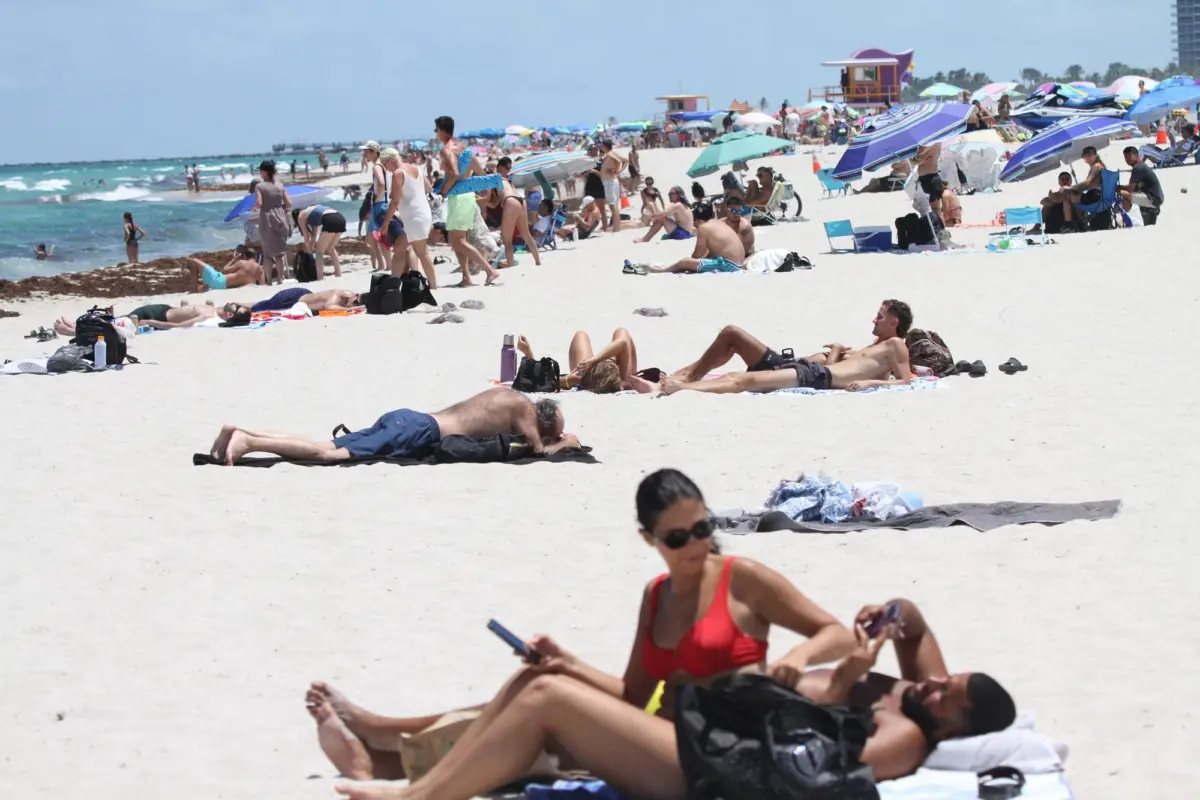
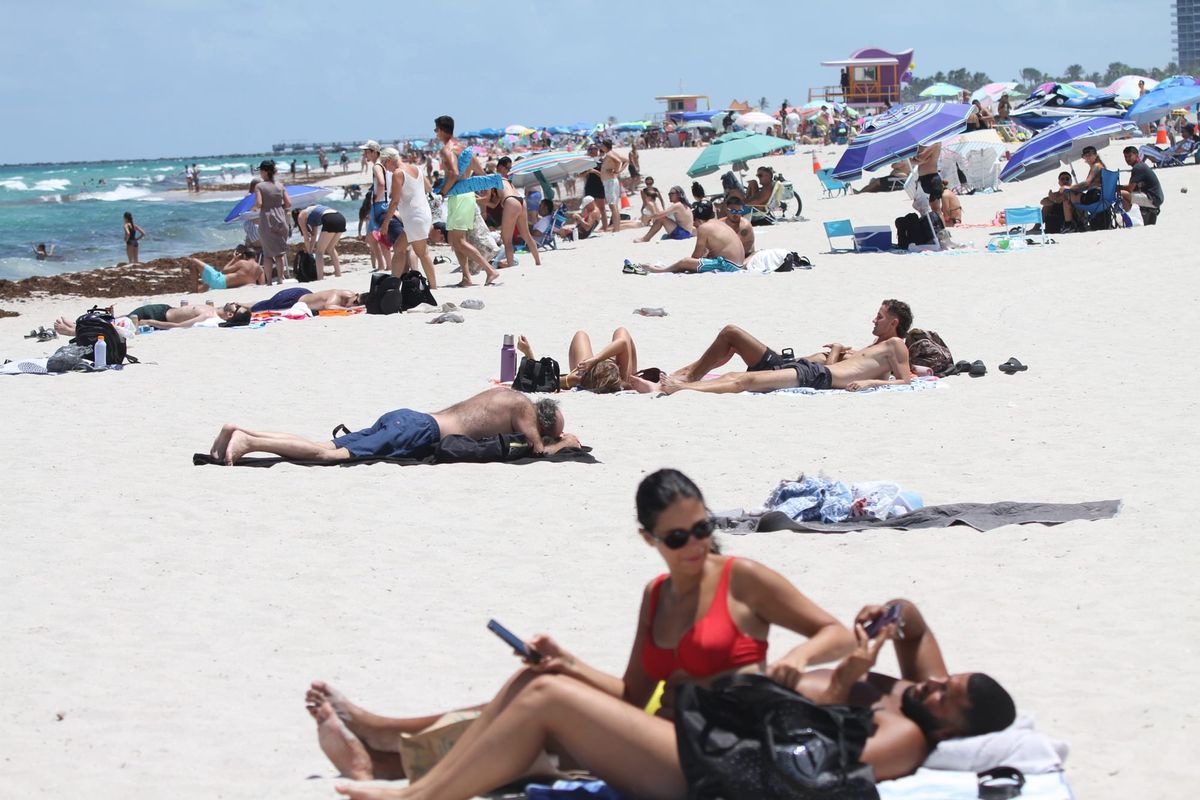
July 2025 set a robust baseline for the quarter, driven heavily by domestic family travel, school summer breaks, and strong hotel occupancy rates across coastal destinations like Miami Beach, the Florida Keys, and the broader South Florida region. Theme parks in Central Florida also reported steady domestic attendance, supported by aggressive summer promotions and new seasonal entertainment offerings. Despite high seasonal temperatures and the customary afternoon rain patterns typical of a Florida summer, visitor volume remained high, fueled by interstate road trips and competitive airline pricing into major hubs such as Orlando, Miami, and Tampa.
August: The Transition Phase
As August unfolded, traditional domestic family travel began a gradual seasonal contraction as school districts across the United States prepared for early autumn reopenings. However, this dip was successfully cushioned by an uptick in regional drive-market tourism, targeted staycation incentives for Florida residents, and an early wave of international travelers capitalizing on late-summer holiday windows. Hospitality operators noted steady mid-week business travel and convention bookings, which helped sustain resort and urban hotel performance through the back half of the month.
September: Shoulder-Season Resilience
September historically marks a quieter period for Florida tourism, often challenged by the peak of the Atlantic hurricane season and the post-Labor Day travel void. Nevertheless, Q3 2025 data reflects a surprisingly resilient September. Strategic marketing campaigns deployed by VISIT FLORIDA, alongside aggressive promotional pricing from airlines, cruise lines, and resort operators, helped maintain baseline occupancy levels. Furthermore, the burgeoning growth of international arrivals—particularly from Latin America, where travel seasons differ from the U.S. school calendar—helped fill rooms during what was once considered a predictable industry slump.
Supporting Context & Metrics: Deconstructing the Visitor Demographics
A granular analysis of the 34.3 million visitors who descended upon Florida in Q3 2025 reveals distinct shifts in traveler composition, highlighting both the bedrock strengths of the industry and areas of emerging international growth.
+-------------------------------------------------------------------------+
|                  FLORIDA Q3 2025 VISITOR BREAKDOWN                      |
+-------------------------------------------------------------------------+
| Domestic Travelers (U.S. Residents)    | 31.5 Million (91.7%)           |
| International Overseas Travelers       | 2.3 Million  (6.7%)            |
| Canadian Travelers                     | 507,000      (1.6%)            |
+-------------------------------------------------------------------------+
1. Domestic Dominance: The U.S. Market
Domestic travelers remained the undeniable powerhouse of Florida’s tourism economy in the third quarter of 2025, accounting for 91.7 percent of total visitation. This translates to approximately 31.5 million U.S. residents choosing Florida for their summer and early autumn getaways.
The primary drivers of this domestic loyalty include:
- Geographic Proximity and Accessibility: Excellent interstate highway networks and a dense web of direct domestic flight routes make Florida easily accessible from the U.S. Eastern Seaboard, Midwest, and Texas.
- Diverse Product Offerings: From the theme parks of Orlando and the luxury shopping of Palm Beach to the ecological wonders of the Everglades and the relaxed charm of the Panhandle beaches, Florida offers a diversified vacation portfolio that appeals to multi-generational families, solo travelers, and couples alike.
- Drive-Market Resilience: Even amid fluctuating airfares, regional drive-market visitors from neighboring Southeastern states provided a reliable, continuous stream of bookings for coastal and inland destinations alike.
2. International Overseas Recovery
International tourism demonstrated encouraging upward momentum in Q3 2025, contributing an estimated 2.3 million overseas travelers to the state’s visitor tally. While still working back toward pre-pandemic peak volumes in certain long-haul markets, the steady year-over-year growth signals renewed confidence among global travelers.
VISIT FLORIDA’s focused data analytics pinpointed a significant resurgence from Latin American markets, led notably by Brazil. Brazilian travelers—traditionally known for strong economic impact through retail shopping, extended stays, and luxury hospitality engagement—returned in robust numbers. European markets, particularly the United Kingdom, Germany, and France, also maintained a steady presence, aided by coordinated cooperative marketing campaigns between VISIT FLORIDA and major international air carriers.
3. The Canadian Market Segment
Canadian visitation accounted for an estimated 507,000 arrivals during the third quarter. While Q3 is traditionally a lighter period for Canadian travel to Florida compared to the winter "snowbird" migration spanning November through April, the summer figures reflect steady interest from Canadian families seeking warm-weather getaways, despite currency exchange rate considerations.
Official Statements and Industry Insights
The release of the Q3 2025 data prompted widespread commentary from state leaders, tourism executives, and economic development officials, emphasizing that tourism is not just a leisure sector, but the foundational bedrock of Florida’s broader economic architecture.
Leadership Perspectives at VISIT FLORIDA
Bryan Griffin, President and CEO of VISIT FLORIDA, framed the third-quarter numbers as a testament to the state’s enduring appeal and the effectiveness of targeted promotional strategies.
"Florida’s tourism industry continues to demonstrate remarkable strength, adaptability, and appeal," Griffin stated in the official release. "Our Q3 data proves that whether travelers are seeking world-class family entertainment, pristine natural preserves, or vibrant cultural hubs, Florida remains the top-of-mind destination. By maintaining a disciplined, data-driven focus on our core domestic markets while aggressively expanding our reach in key international arenas, we are ensuring sustainable, long-term vitality for our state’s hospitality sector."
Griffin emphasized that VISIT FLORIDA’s strategic roadmap relies heavily on real-time market intelligence. By identifying shifting consumer preferences—such as the rising demand for experiential travel, outdoor recreation, and wellness tourism—the organization has been able to tailor its global messaging to resonate with modern travelers.
Economic Strategy and Infrastructure: The View from Commerce
Florida Secretary of Commerce J. Alex Kelly provided a broader macroeconomic perspective, tying the tourism sector’s ongoing success directly to the state’s proactive investments in infrastructure, workforce development, and community quality of life.
"A thriving tourism industry does not happen by accident; it is the direct result of deliberate, forward-thinking investments in our state’s infrastructure, workforce pipeline, and local communities," Kelly noted. "When we invest in safer roadways, modern airport expansions, workforce training programs, and environmental preservation, we are simultaneously enhancing the visitor experience and elevating the quality of life for Florida residents. Tourism is a multi-billion-dollar economic engine that drives job creation, fuels small businesses, and generates vital tax revenue that lightens the burden on local taxpayers."
Secretary Kelly pointed out that the jobs supported by Florida’s tourism industry—spanning hospitality management, culinary arts, aviation, entertainment, and retail—serve as vital entry points for career advancement and economic mobility for thousands of Floridians.
Future Outlook: Strategic Horizons for Florida Tourism
As the state looks beyond the third quarter of 2025 and prepares for the upcoming winter and spring travel seasons, tourism stakeholders are aligning around several key strategic priorities designed to sustain momentum and navigate potential headwinds.
1. Deepening International Penetration
Building on the growth observed in Latin American and European markets during Q3, VISIT FLORIDA has announced plans to expand its international marketing footprint. This includes targeted digital campaigns in Brazil, Colombia, Mexico, the United Kingdom, and Germany. Furthermore, tourism executives are working closely with international airport authorities across Florida—including Miami International Airport (MIA), Orlando International Airport (MCO), and Fort Lauderdale-Hollywood International Airport (FLL)—to secure new direct air routes and increase seat capacity from emerging global economic centers.
2. Diversifying Tourism Offerings: Beyond the Beaches and Theme Parks
While world-famous beaches and iconic theme parks remain the primary anchors of Florida tourism, strategic diversification is becoming a cornerstone of future marketing efforts. State tourism leaders are placing increased emphasis on promoting:
- Ecotourism and Nature Travel: Highlighting the Everglades, state parks, freshwater springs, and wildlife conservation areas to attract environmentally conscious travelers.
- Culinary Tourism: Showcasing Florida’s diverse gastronomic landscape, from Michelin-starred dining in Miami, Orlando, and Tampa to authentic regional cuisines like Florida Cracker culture and coastal seafood trails.
- Arts, Culture, and History: Promoting cultural districts, historic sites (such as St. Augustine and the Historic African American cultural hubs in Eatonville and Miami), and world-class museums to attract high-yield cultural tourists.
3. Workforce Development and Service Excellence
Maintaining Florida’s reputation for world-class hospitality requires a dedicated, well-trained workforce. State agencies and private sector partners are continuing to invest in hospitality training initiatives, vocational education partnerships, and leadership development programs. These efforts aim to address labor market dynamics, reduce turnover, and ensure that every visitor encounters the legendary customer service that defines the Florida brand.
4. Sustainability, Resilience, and Environmental Stewardship
The long-term viability of Florida’s tourism industry is inextricably linked to the health of its natural environment. Protecting pristine beaches, coral reef systems, water quality, and state parks is a paramount priority for both state agencies and private tourism operators. As climate resilience and sustainable tourism practices take center stage globally, Florida tourism leaders are actively supporting initiatives focused on coastal conservation, renewable energy integration in hotels and resorts, and responsible wildlife viewing guidelines.
Conclusion
The preliminary Q3 2025 tourism data released by VISIT FLORIDA paints a picture of a mature, dynamic, and remarkably resilient industry. Welcoming 34.3 million visitors in a single quarter is no small feat; it is a clear reflection of strategic marketing, unmatched geographic assets, and the tireless dedication of Florida’s millions of hospitality professionals.
As Florida looks toward the future, the combination of domestic loyalty, rebounding international markets, strategic infrastructure investments, and a commitment to sustainable growth positions the Sunshine State to retain its crown as the undisputed king of global leisure travel for years to come.

0 Comments