Between its apex predators lurking in suburban retention ponds, the daredevil residents who perpetually dominate national tabloid headlines, and its modern status as the adopted haven for high-profile political figures, Florida has firmly cemented its reputation as America’s "weird uncle." It is the metaphorical relative who strips off his clothing to dive headfirst into the pool every Christmas morning, thrashing wildly until someone snaps a photo of the unfolding disaster.
However, this penchant for the eccentric is far from a modern phenomenon born of social media algorithms or 24-hour news cycles. The Sunshine State was dropping warning signs of its impending socio-cultural instability decades before the turn of the century. Long before the era of viral video clips, early settlers, pioneering industrialists, and land speculators baptized the state’s cities, townships, and unincorporated hamlets with names that range from the merely curious to the downright absurd.
To understand the soul of modern Florida, one must examine its cartography. This investigative feature explores the hidden histories, peculiar anomalies, and localized lore behind ten of the strangest town names in Florida, tracing how these extraordinary monikers came to grace the map of the American Southeast.
Detailed Chronology of Florida’s Peculiar Nomenclature
1. Frostproof: The Citrus Gamble
Location: Central Florida, southern end of Polk County (equidistant between Tampa and Orlando).
Estimated 2024 Population: 3,032
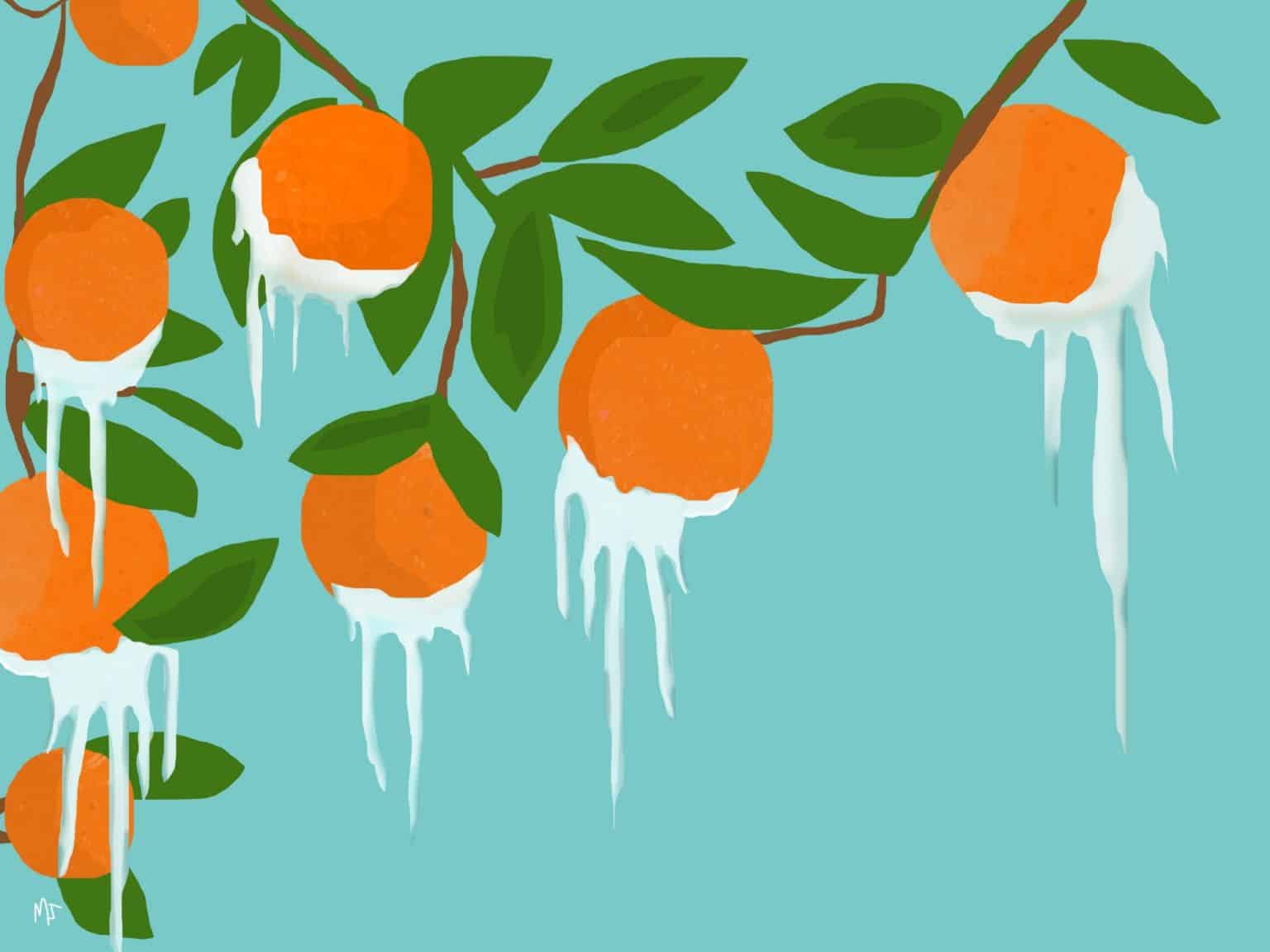
The Skinny: No city in Florida is truly "frost proof." While freezing temperatures rarely linger for long in the semi-tropical climate, historic freezes have periodically devastated local agriculture. According to historical accounts, the name was not a statement of absolute meteorological fact, but rather an intentional marketing ploy. Settlers adopted the optimistic moniker in the late 19th and early 20th centuries specifically to entice citrus growers—whose crops are notoriously vulnerable to cold snaps—to invest in local acreage.
Famous Native: Citrus baron Ben Hill Griffin Jr.
2. Howey-in-the-Hills: The Florida Alps
Location: Lake County, situated northwest of Orlando within the broader metropolitan sphere.
Population (2018): 1,175
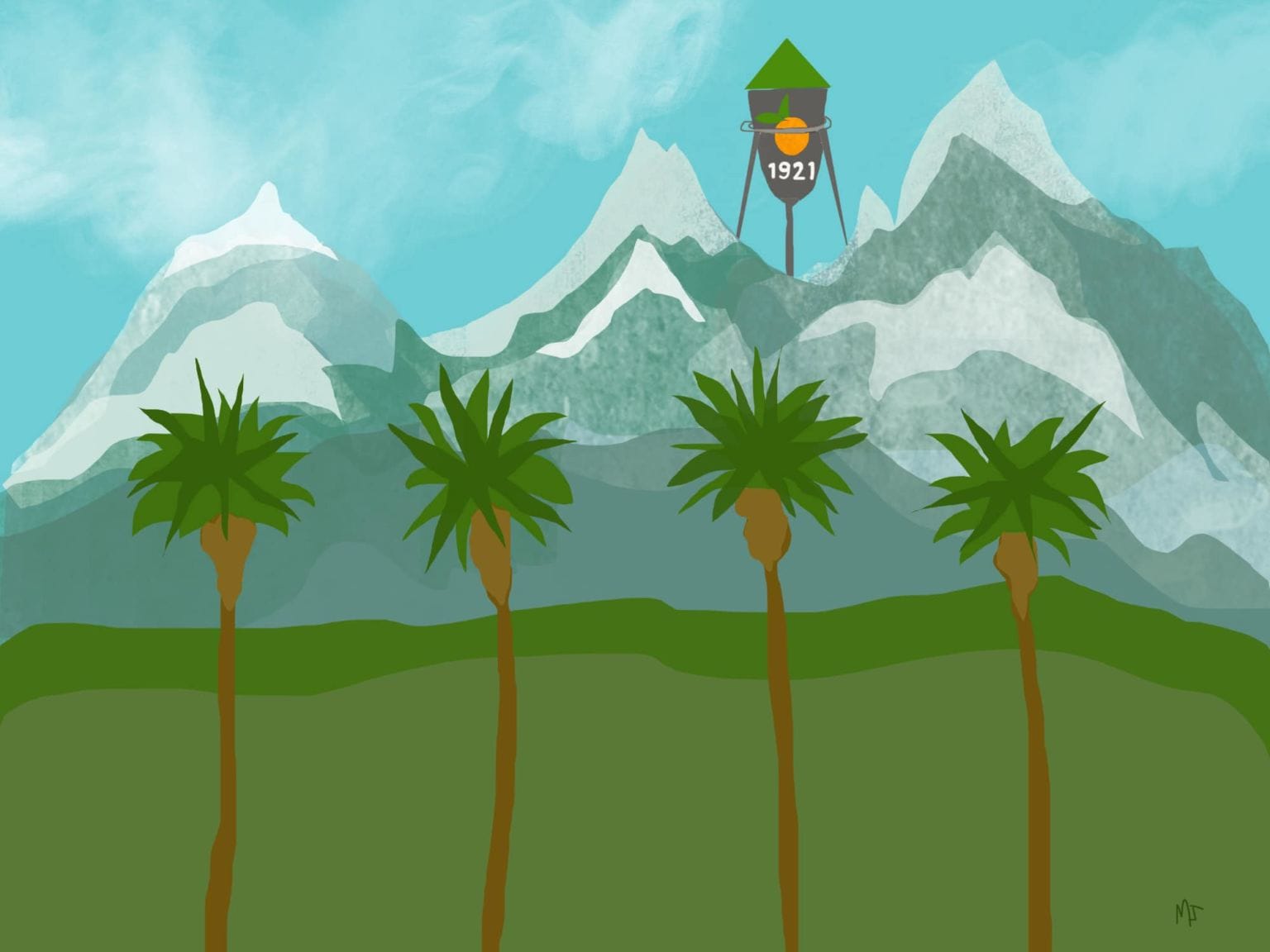
The Skinny: Founded originally in 1925 as the humble town of "Howey" by agricultural magnate and citrus juice pioneer William John Howey, the municipality underwent a dramatic rebranding in 1927. The name was officially hyphenated to "Howey-in-the-Hills" to honor the uniquely undulating, rolling topography of the surrounding terrain. Howey himself, prone to grand promotional hyperbole, famously marketed the area as "the Florida Alps"—a bold geographical stretch for a state where the highest natural point barely crests 345 feet.
Claim to Fame: The state’s very first commercial citrus juice plant opened its doors here in 1921.
3. Yeehaw Junction: Crossroads of Mystery and Myth
Location: Unincorporated Osceola County, at the isolated intersection of Florida’s Turnpike and State Road 60.
Population (2010): 240
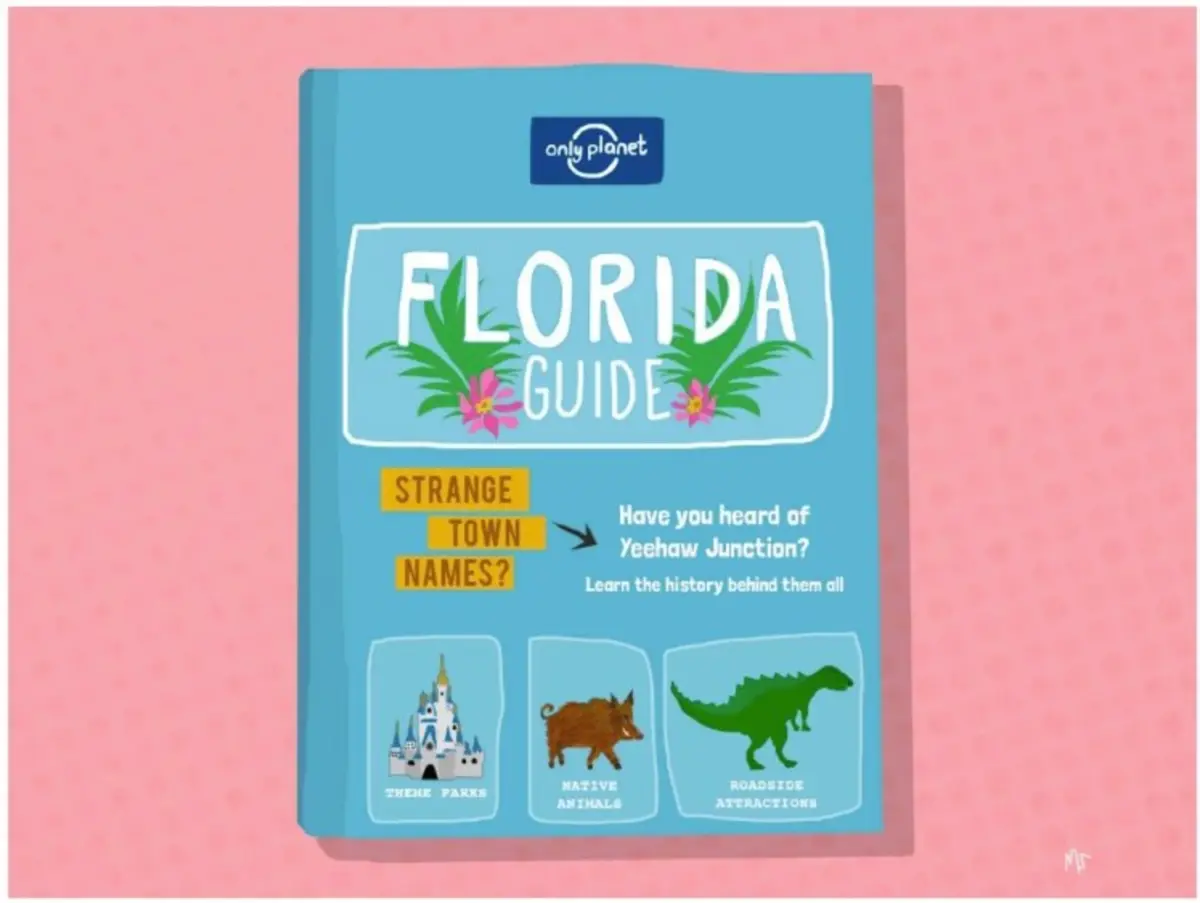
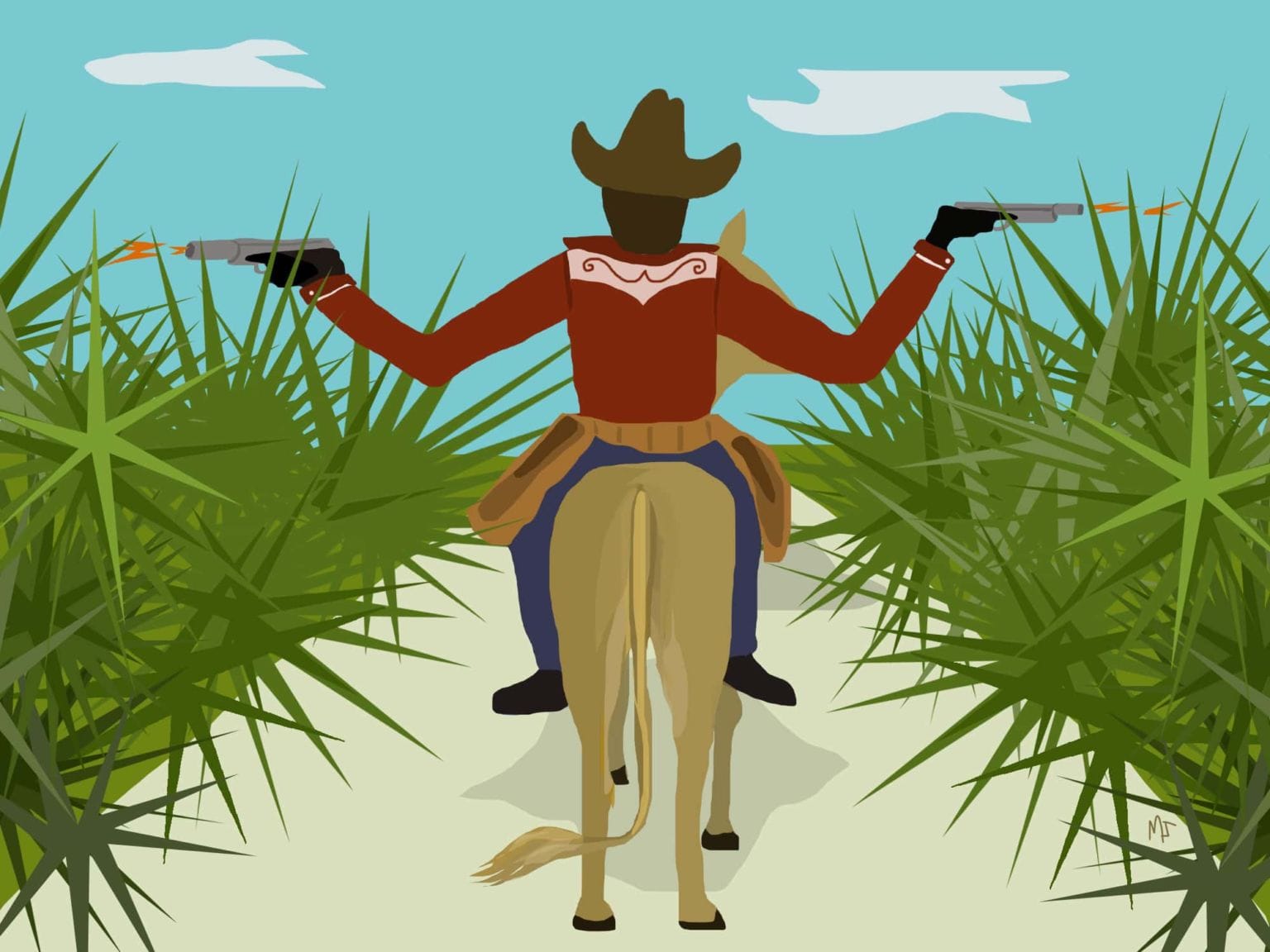
The Skinny: More of a map coordinate than an actual urban center, Yeehaw Junction boasts multiple conflicting origin stories. The first attributes the name to the nearby Yeehaw station established by the Florida East Coast Railway. A second linguistic theory suggests "Yeehaw" is a phonetic corruption of a Creek Indian word signifying "wolf"—a nod to the extinct Florida Black Wolf. Yet a third, saltier local account claims the desolate outpost was once widely known as "Jackass Junction" due to the packs of burros ridden by early regional cattle ranchers.
Claim to Fame: In the late 1960s, Yeehaw Junction served as the clandestine testing ground for a biological warfare agent designated "Agent TX," designed to decimate enemy wheat crops during wartime. The experiments remained classified until 2002.
4. Christmas: Forts, Festivities, and Fauna
Location: Unincorporated Orange County, situated directly east of Orlando.
Population (2018): 1,146
The Skinny: On December 25, 1837, amidst the violent escalations of the Second Seminole War, a massive contingent of 2,000 U.S. Army soldiers and Alabama volunteers marched into the remote wilderness to establish a military outpost. Aptly named Fort Christmas, a full-scale historical replica still stands today. Every December, the local post office is inundated with thousands of pieces of holiday mail sent by citizens eager to secure a genuine "Christmas, Florida" postmark.
Famous Native: Sculptor James Hughlette "Tex" Wheeler, famed for his iconic statue of legendary racehorse Seabiscuit at California’s Santa Anita Park.
5. Two Egg: The Great Depression Currency Exchange
Location: Jackson County, nestled near the Northwest Florida-Georgia border.
Population (2018): Undocumented / Unincorporated
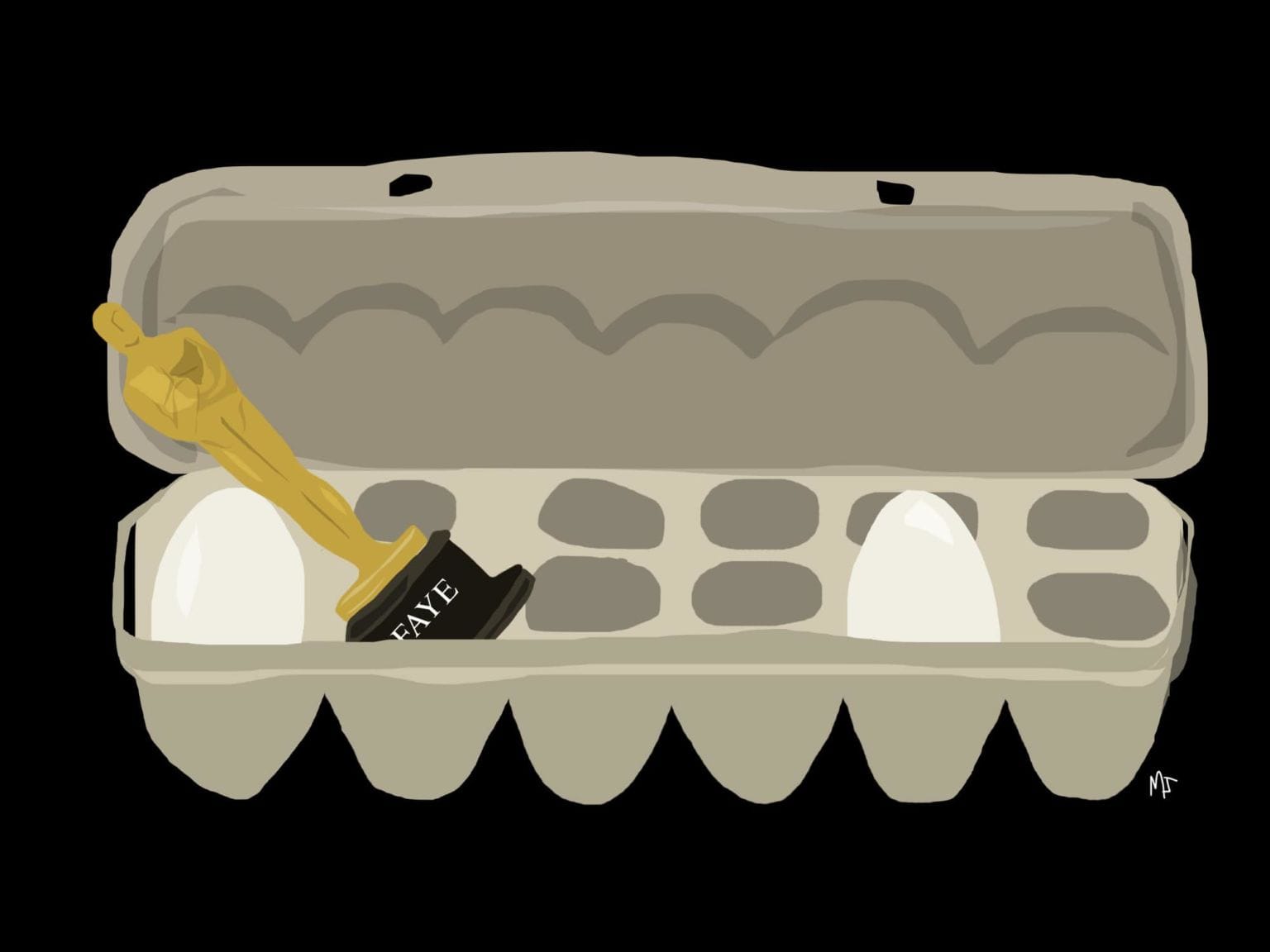
The Skinny: Archaeological excavations reveal that the land underlying Two Egg was utilized as a Native American trading hub for millennia. Modern European settlement began around the Civil War era under the designation "Allison," named after a local sawmill proprietor. However, the town’s defining name emerged during the hardships of the 1930s Great Depression. Lacking cash, local children frequently visited the community store to barter two raw chicken eggs in exchange for staple goods like sugar. The barter system ultimately stuck, forever branding the settlement as Two Egg.
Claim to Fame: The community proudly claims Academy Award-winning actress Faye Dunaway as a childhood resident.
6. Bagdad: The Panhandle’s Timber Empire
Location: Santa Rosa County, within the Florida Panhandle.
Population (2000): 1,490
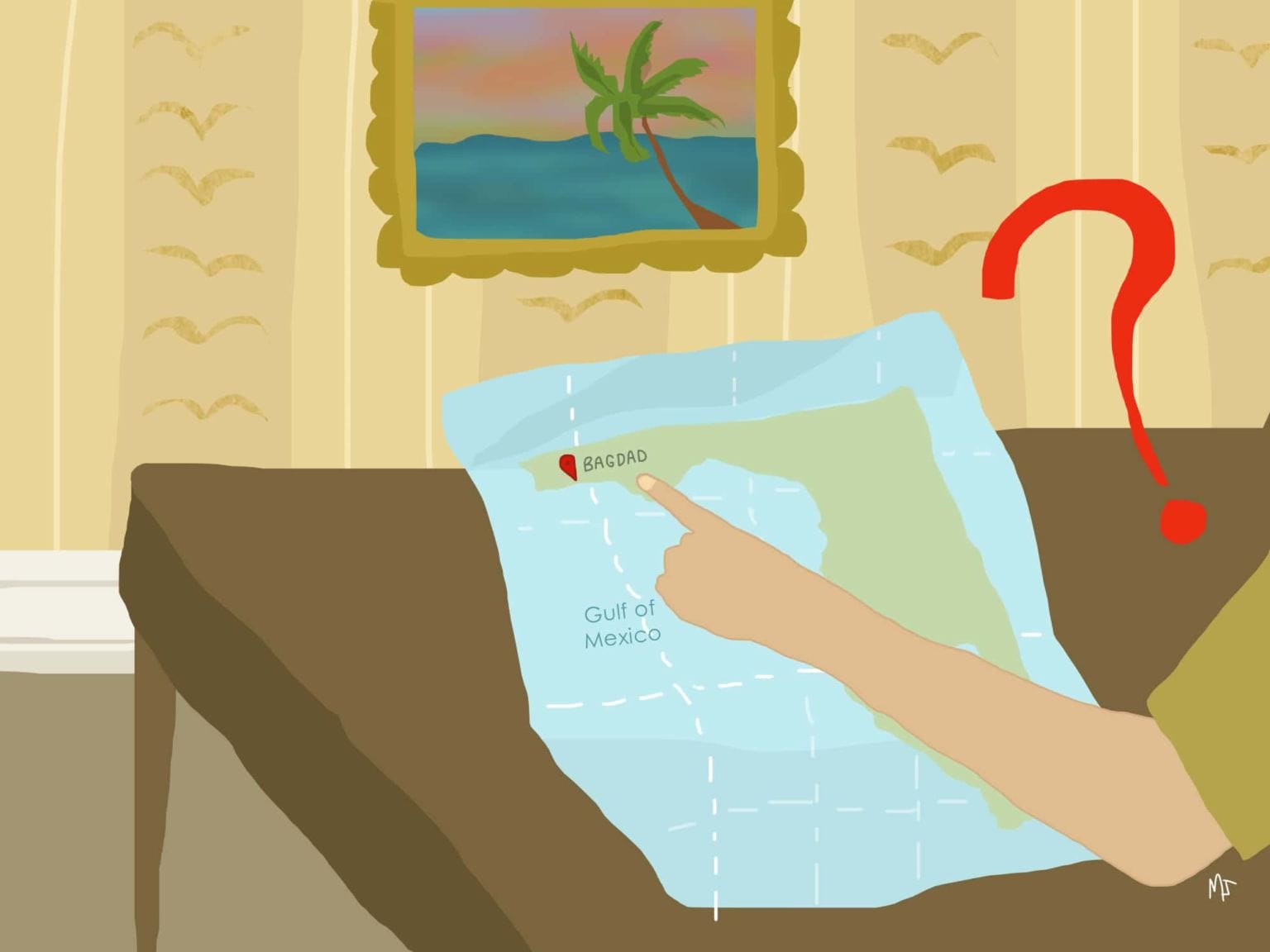
The Skinny: Founded in 1840 as an expansive lumber milling town, Bagdad shares its name—minus a single vowel variant—with the capital of Iraq. Historians have long debated the exact inspiration behind the nomenclature. A 1990 archival newspaper report theorized that the naming convention derived from local geography: Pond Creek converges with the Blackwater River in a manner eerily reminiscent of how the Tigris and Euphrates rivers meet in the Middle Eastern basin.
Famous Native: PGA Tour champion and major winner Bubba Watson.
7. Briny Breezes: The Mobile Home Billion-Dollar Dream
Location: Coastal Palm Beach County in South Florida.
Population (2000): 411
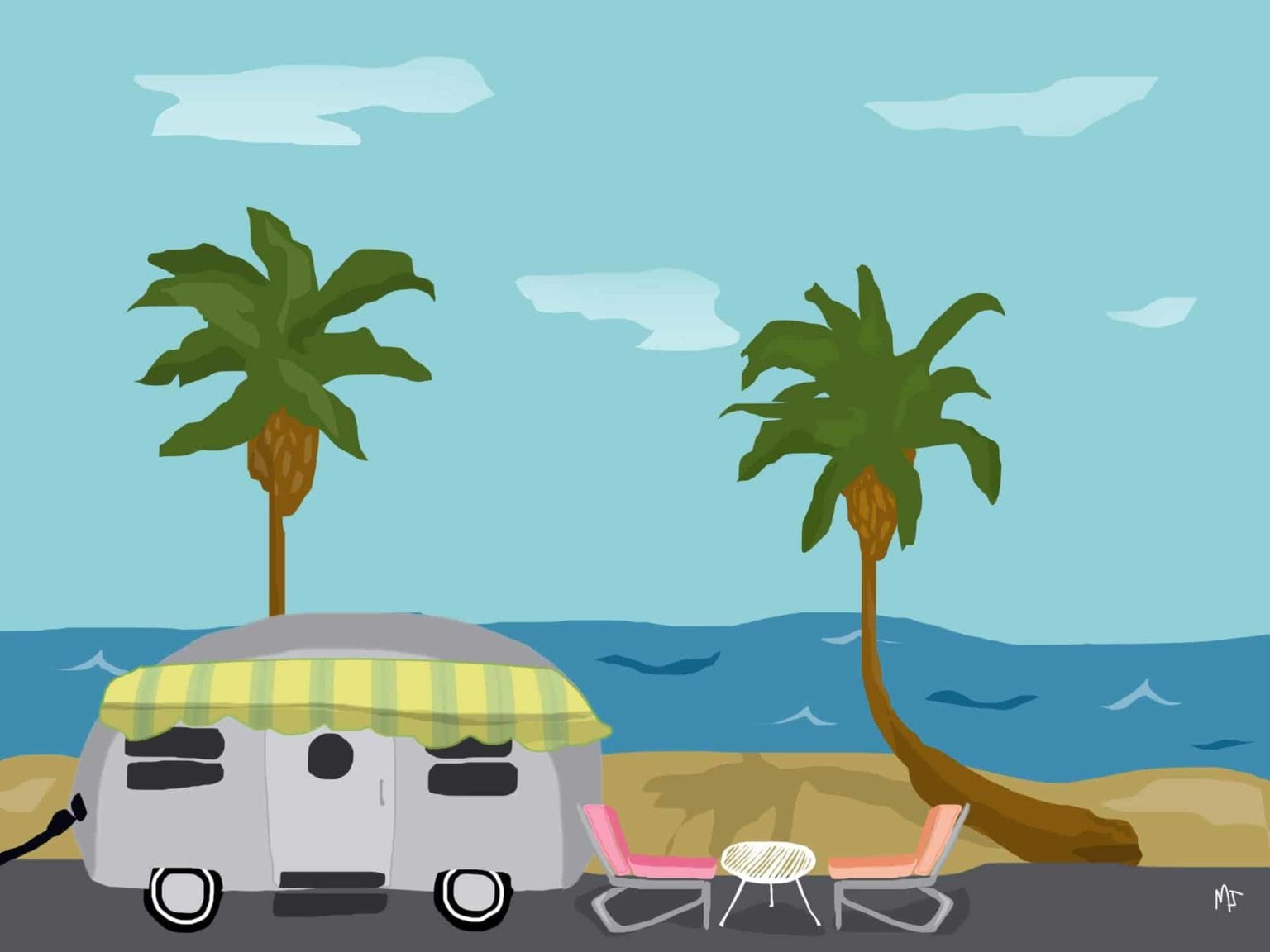
The Skinny: Known affectionately as "Briny," this micro-town’s history reads like a Hollywood script. During the 1920s and 1930s, the oceanfront parcel operated as a strawberry farm owned by a Michigan lumberman who rented space to tourists and trailer campers for three dollars a week. Decades later, the retiring owner offered tenants the chance to purchase their plots for roughly $2,000 each. Incorporated due to its strategic geography between the Atlantic Ocean and the Intracoastal Waterway, Briny Breezes made national financial headlines in 2005 when a real estate developer offered residents a staggering $500 million to sell their land. Though the deal ultimately collapsed amid zoning disputes, the 0.1-square-mile coastal enclave remains populated primarily by retirees living in manufactured homes.
Claim to Fame: The 2005 Cameron Diaz feature film In Her Shoes was set and filmed on location, featuring local residents as background extras.
8. Lulu: A Postmaster’s Romance
Location: Columbia County, North-Central Florida.
Population (2018): Undocumented / Unincorporated
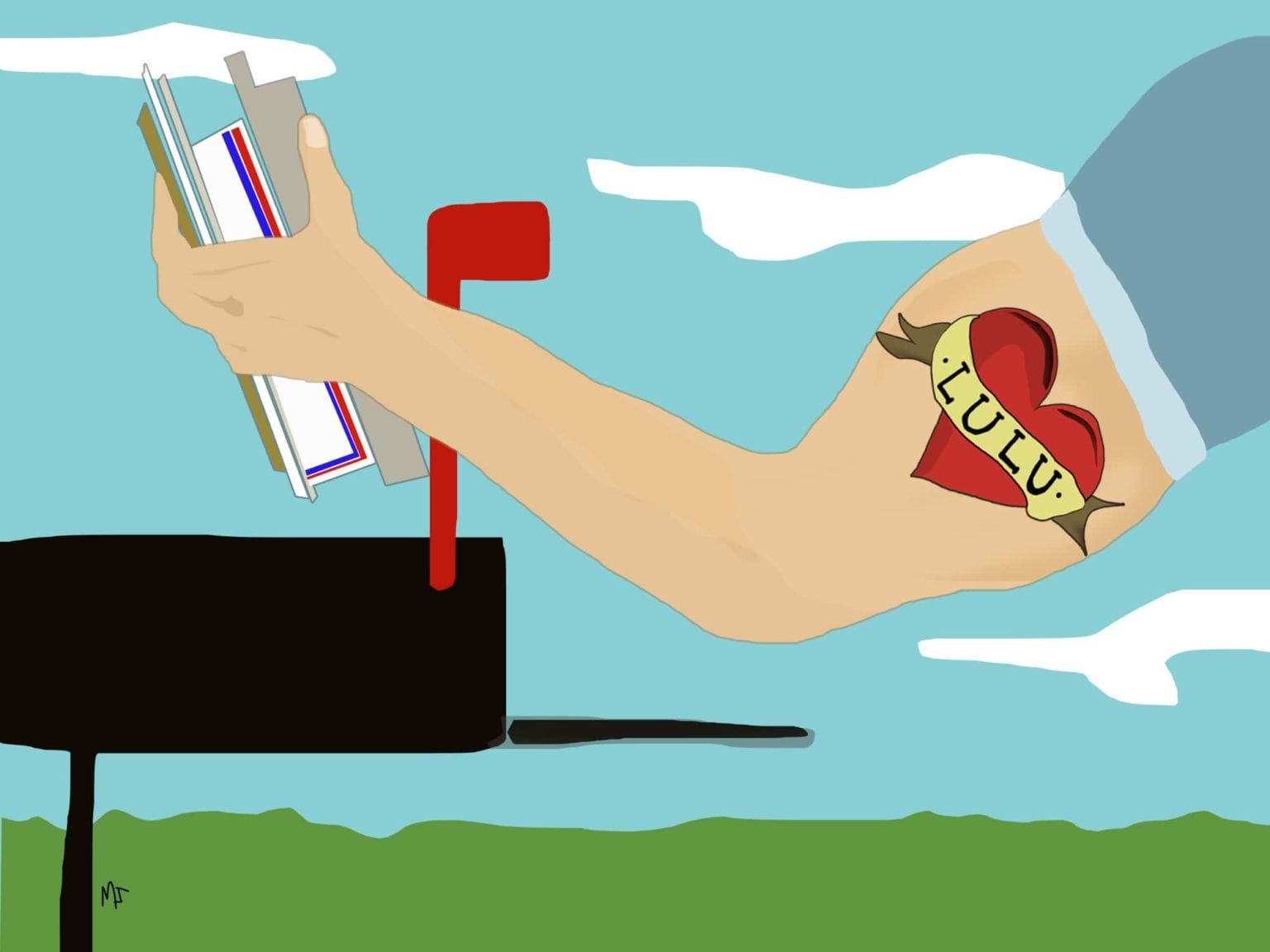
The Skinny: According to historical features published by the Tampa Tribune, Lulu received its unconventional title during the 1890s when the area’s inaugural postmaster sought to honor his romantic partner by naming the nascent post office and settlement after her. Although the whirlwind romance ultimately dissolved into history, the moniker endured on official maps long after the relationship ended.
Claim to Fame: Throughout the 1990s, current and former residents gathered annually for community festivals dedicated to preserving the town’s quirky heritage.
9. Lorida: The State Without the "F"
Location: Highlands County, situated south of Orlando between Sebring and Lake Okeechobee.
Population (2018): Undocumented / Unincorporated
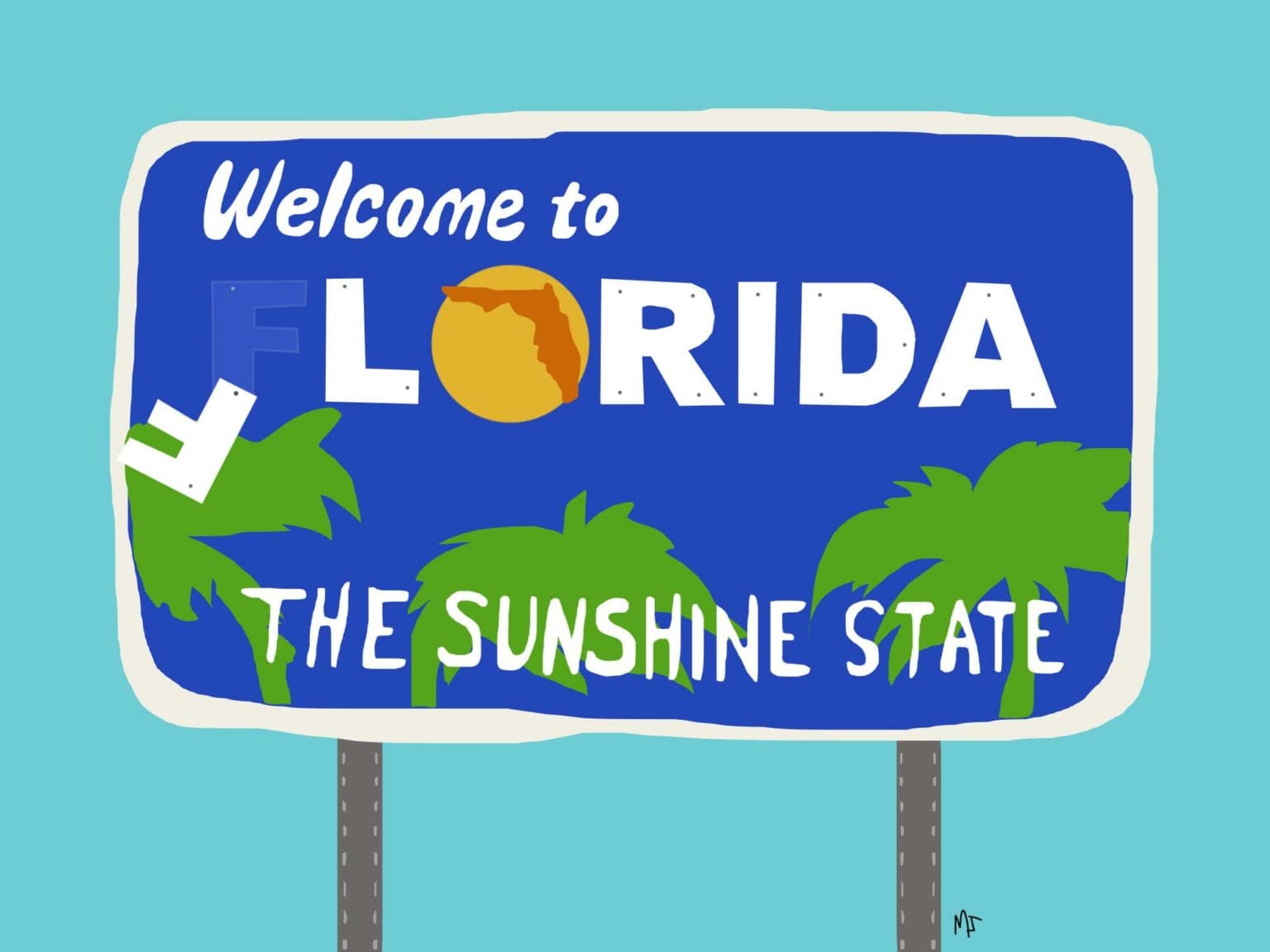
The Skinny: Over its long and colorful existence, this agrarian settlement cycled through multiple titles, including Cow House, Sunnyland, and Istokpoga. Persistent logistical confusion involving local railway freight schedules and the similarly named Lake Istokpoga forced community leaders to take direct action in 1937. They opted to adopt the state’s exact name, simply dropping the leading "F." Today, the quiet community functions primarily as a rustic haven for freshwater fishing camps and family-run bait shops.
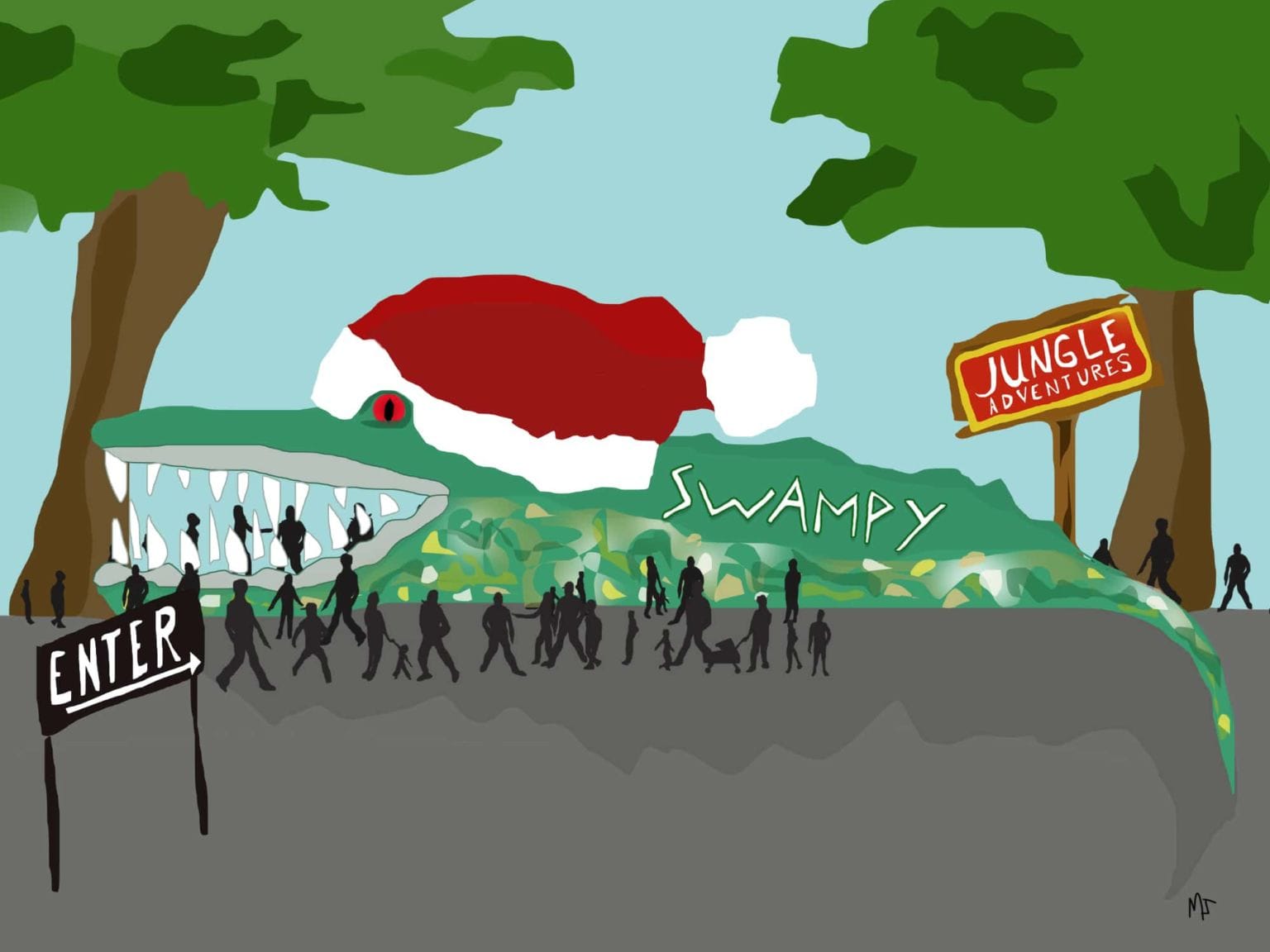
Claim to Fame: Persistent, tongue-in-cheek local rumors periodically surface claiming the swampy region is destined to become the site of a mythical "Six Flags over Lorida" theme park.
10. Mayo: From Confederate Colonel to Condiment
Location: Lafayette County, serving as the county seat in North Florida between Gainesville and Tallahassee.
Population (2010): 1,237
The Skinny: Unlike many of its whimsically named neighbors, Mayo has historical roots tied directly to a real historical figure: Confederate Colonel James Micajah Mayo. However, the town achieved modern infamy in 2018 when it executed a temporary, stunt-driven rebrand. As part of a corporate marketing campaign orchestrated by Kraft Heinz, the municipality temporarily changed its name to "Miracle Whip." Local citizens wore shirts proclaiming pride in living in "Miracle Whip, Florida," and national television commercials were filmed on-site in exchange for a reported $250,000 municipal donation.
Famous Native: University of Florida quarterback legend Kerwin Bell, famously nicknamed the "Throwin’ Mayoan."
Supporting Context & Metrics
To objectively evaluate the economic and demographic footprint of these idiosyncratic settlements, data compiled from regional planning councils and historical registries highlight several notable trends:
Micro-Municipalities: Over 60% of the towns featured on this list operate as unincorporated communities rather than fully incorporated municipalities. This status means they rely directly on county commissioners for municipal services, police protection, and infrastructure maintenance.
Economic Resilience: Despite population figures hovering well below 2,000 residents for the majority of these locales, tourism driven by novelty-seeking travelers contributes an estimated 12% to 15% of micro-economy revenues in places like Christmas and Two Egg.
Geographical Dispersion: While South Florida attracts global attention for its metropolitan sprawl and coastal wealth, Florida’s eccentric nomenclature is concentrated heavily within the rural interior, the agricultural Polk and Highlands counties, and the densely forested Panhandle.
Official Statements and Archival Commentary
Municipal historians and cultural preservationists emphasize that these names are far more than historical footnotes; they serve as vital windows into the mindset of early American expansionism.
Dr. Alistair Vance, a historical geographer specializing in Southeastern settlement patterns, noted in an interview regarding regional naming conventions:
"When pioneers carved out towns in the Florida wilderness, they weren’t utilizing bureaucratic planning committees. They used hyperbole, personal grievances, romantic nostalgia, and desperate marketing strategies. Names like Frostproof or Howey-in-the-Hills were psychological tools designed to make hostile, swampy, and isolated environments sound like prosperous havens to eastern investors."
Similarly, local civic leaders in communities like Christmas have long embraced their unusual designations as economic assets. A representative from the Orange County Parks and Recreation Department remarked during archival restorations at Fort Christmas:
"The postmark alone brings thousands of people through our doors every winter. People want to connect with a sense of place that feels distinct, humorous, and undeniably authentic. Our name is our brand."
Future Outlook
As rapid urbanization, suburban sprawl, and massive population influxes continue to reshape the Florida landscape, historic micro-communities face mounting pressures. Unincorporated hamlets like Yeehaw Junction and Lorida find themselves increasingly squeezed by expanding state highway corridors and commercial development.
Yet, despite the relentless march of modern concrete and glass, the cultural legacy embedded within Florida’s peculiar place names remains remarkably resilient. Whether through annual festivals in Lulu, holiday mail rushes in Christmas, or the enduring legacy of citrus pioneers in Frostproof, these eccentric monikers ensure that the state’s storied history of the bizarre will continue to captivate cartographers, historians, and curious travelers for generations to come.



0 Comments