

NEW YORK — As global heads of state, top-tier business executives, and climate activists descend upon Manhattan for the United Nations General Assembly and New York City Climate Week, a stark and unmistakable reality frames this year’s high-level dialogues: the era of abstract climate debates has collided with immediate, high-cost economic disruptions.
No longer confined to long-term scientific projections or localized environmental disasters, the converging pressures of unprecedented extreme weather, soaring fossil fuel costs driven by geopolitical conflicts, and the voracious, unprecedented energy appetite of the artificial intelligence boom have created a polycrisis. World leaders are being forced to grapple with a volatile intersection of technological advancement, geopolitical instability, and ecological collapse that is rewriting the playbook for global energy and economic policy.
Executive Overview
The backdrop for this year’s diplomatic sessions is defined by a jarring duality. On one hand, global investments in renewable energy infrastructure have hit historic highs, proving that the economic viability of green tech is increasingly undeniable. On the other hand, the physical impacts of climate change are accelerating far faster than political and financial institutions can adapt.
Adding fuel to this complex fire are two relatively new, disruptive variables:
- The AI Energy Demand Surge: The rapid, exponential expansion of generative artificial intelligence and massive data centers threatens to strain national grids, driving up household electricity bills and inadvertently stoking planet-heating emissions.
- Geopolitical Fossil Fuel Shocks: Ongoing military conflicts and strategic maneuvers—including disruptions tied to actions in Iran, Ukraine, and Venezuela—have restricted energy supplies, inflating prices at the pump and triggering worldwide inflation and public protests.
Experts warn that these concurrent forces have fundamentally transformed the climate discourse. It is no longer merely an environmental concern for conservationists; it is a kitchen-table economic crisis affecting working-class families through surging electricity and fuel bills, and an urgent security challenge for nations attempting to power the next generation of digital infrastructure.
Detailed Chronology: A Summer of Extremes and Economic Strain
The urgency driving this year’s New York summits is rooted in a brutal sequence of environmental and geopolitical shocks that have unfolded over recent months.
The Human and Ecological Toll of 2026’s Extremes
Throughout the summer, communities across the globe reeled from an unrelenting sequence of weather extremes. Record-shattering heat waves scorched densely populated regions, while prolific wildfires ravaged ecosystems from North America to the Mediterranean.
Perhaps the most visceral symbol of this year’s climate catastrophe occurred along the Nepal-China border, where a sudden glacial collapse triggered catastrophic flash floods. The disaster swept through communities in Nepal’s Nuwakot district, leaving more than 1,300 people dead and forcing survivors to rely on makeshift ziplines across swollen rivers like the Trishuli to commute and receive aid.
Scientists emphasize that these are not isolated anomalies. “We’ve gone from seeing the fingerprints of climate change in individual events to seeing the handprint of climate change on the whole world,” noted Bill Hare, CEO of Climate Analytics.
The Inflationary Pressures of Fossil Fuel Dependency
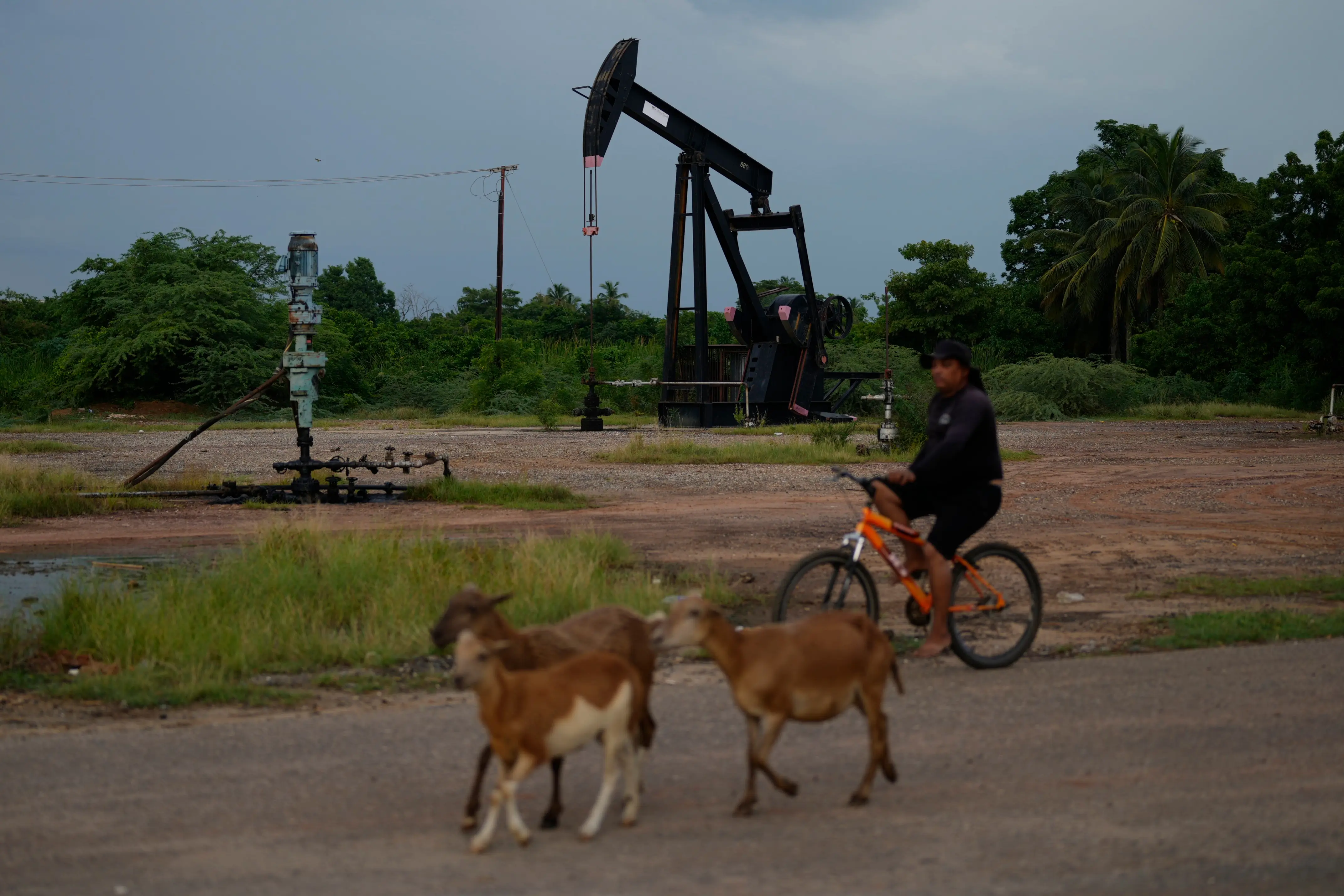
Simultaneously, global energy markets experienced severe turbulence. Disruptions stemming from regional conflicts—most notably the war in Iran—severely disrupted petroleum supplies. According to United Nations climate chief Simon Stiell, energy shortages stemming from the Iran conflict alone have cost American consumers more than $100 billion in inflated fuel prices.

These spikes have transcended national borders, cascading into broader economic inflation. Spurred by surging costs for basic goods and transportation, public protests have erupted from Kenya to Indonesia. In the United States, consumer confidence plummeted as gasoline prices reached historic, record-breaking highs, straining household budgets and fueling public discontent ahead of the autumn political cycle.
Supporting Context & Metrics: The Paradox of the Energy Transition
A deeper look at the data reveals a profound paradox at the heart of the global energy landscape: while the deployment of clean energy is accelerating at a record-breaking pace, it is struggling to outpace the sheer volume of new energy demand.
The Record Rise of Renewables
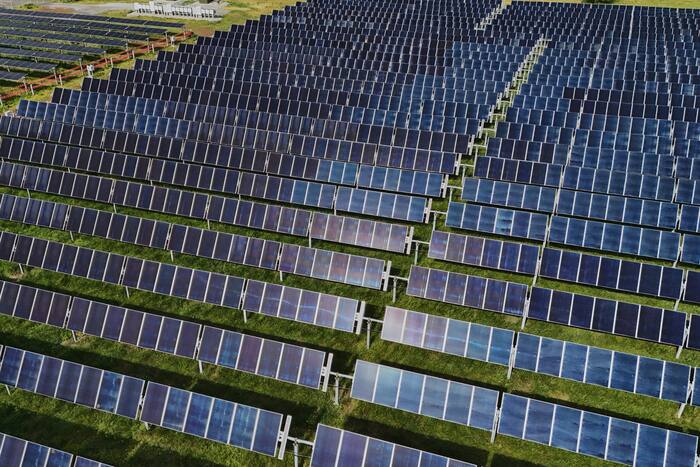
According to a comprehensive new assessment released at the onset of Climate Week by the International Renewable Energy Agency (IRENA), the Global Renewables Alliance, and Turkish climate officials, global renewable power installations reached an unprecedented peak of 693 gigawatts in 2025. To put this into perspective, this single-year addition equals roughly half of the total installed power capacity of the entire United States.
However, the report sounds a sobering alarm. Despite this phenomenal growth, the world must build significantly more renewable power capacity between 2026 and 2030 than has been constructed in all of human history combined if it is to meet the foundational target set at COP28 to triple global renewable capacity by the end of the decade.
The Counterweight: Fossil Fuel Resurgence and the AI Factor
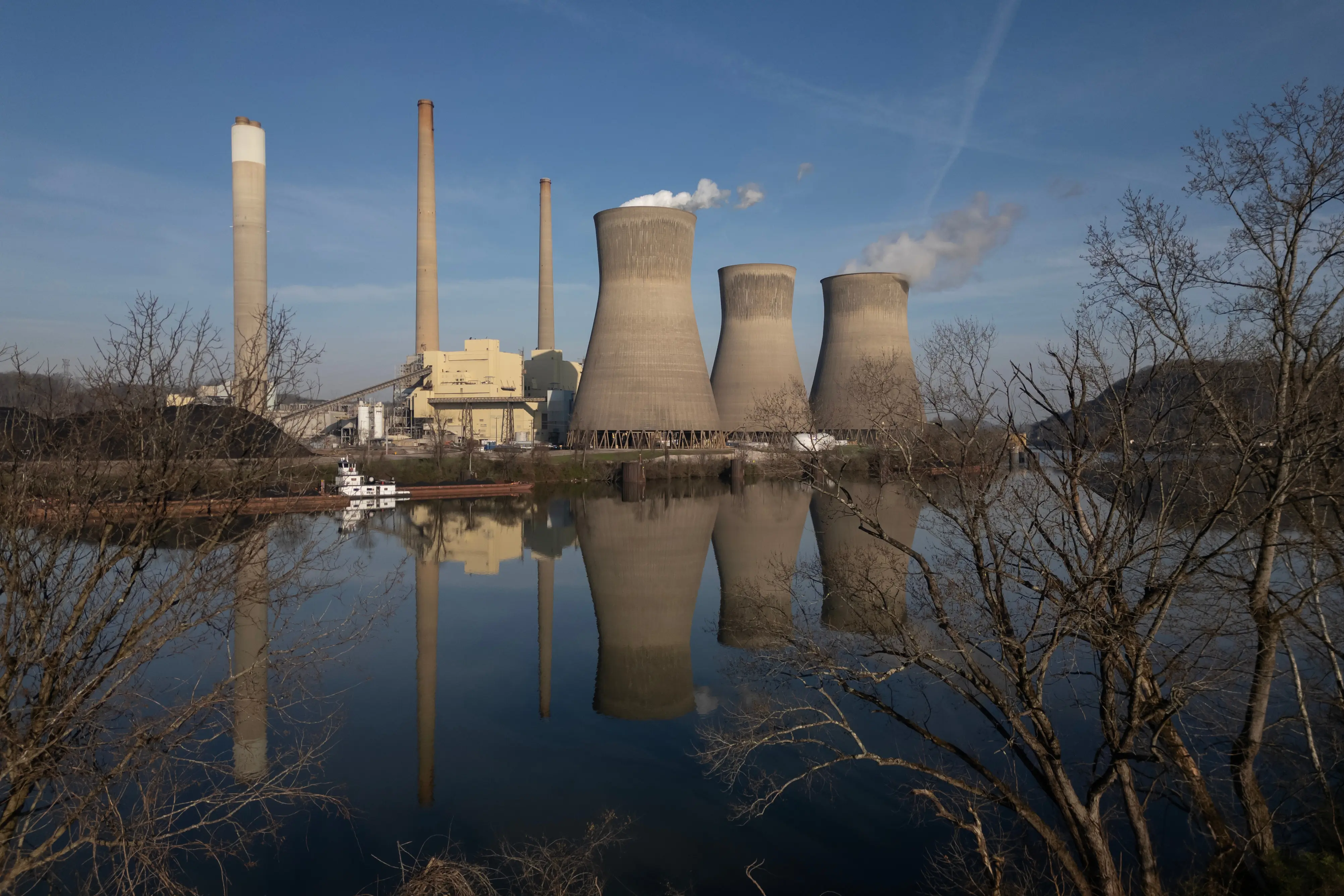
Compounding this challenge is a troubling rebound in fossil fuel investments. Driven largely by nations like China rapidly expanding their coal-fired power portfolios to meet burgeoning baseload electricity demands, carbon emissions have proven stubbornly resilient.
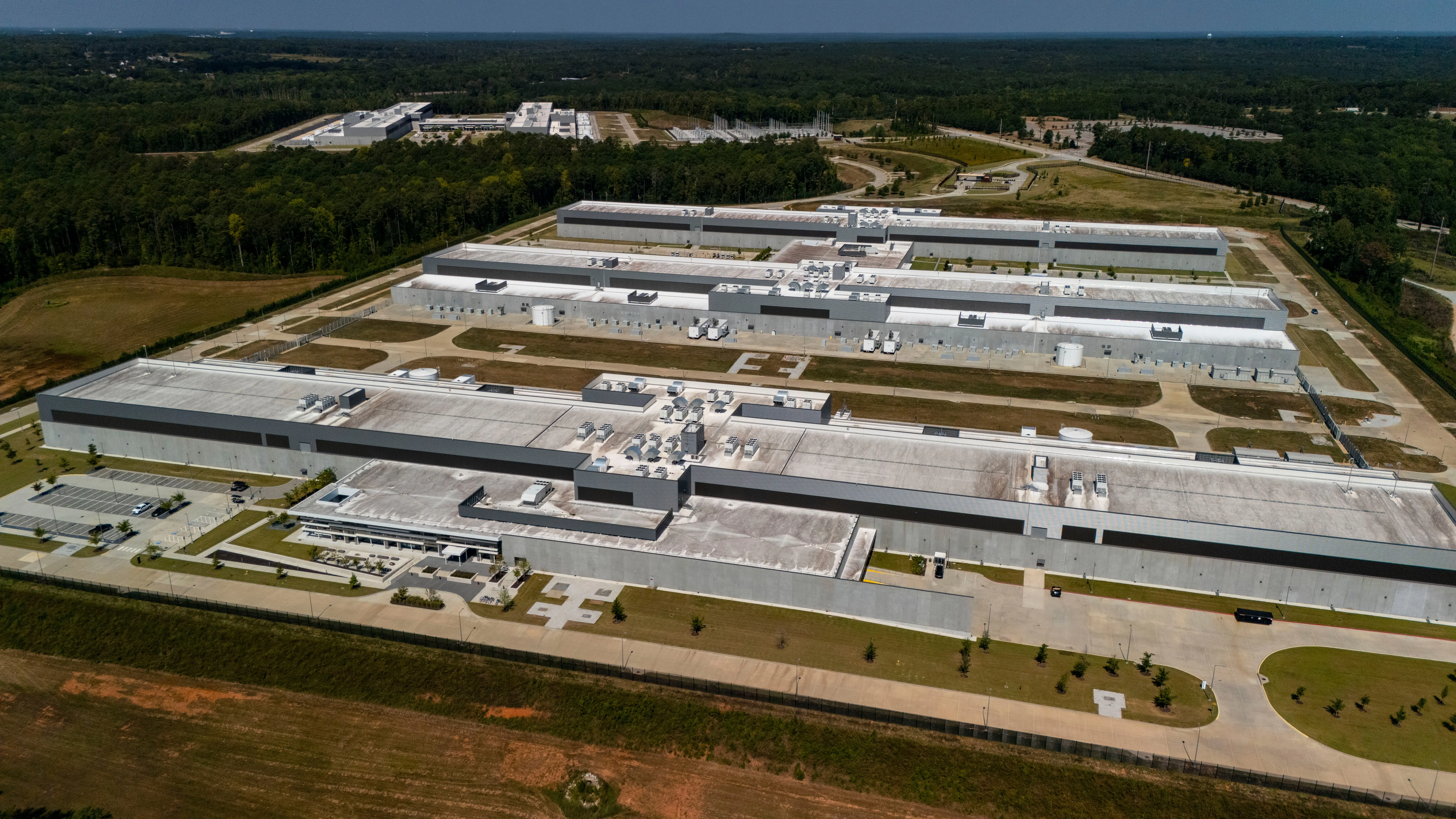
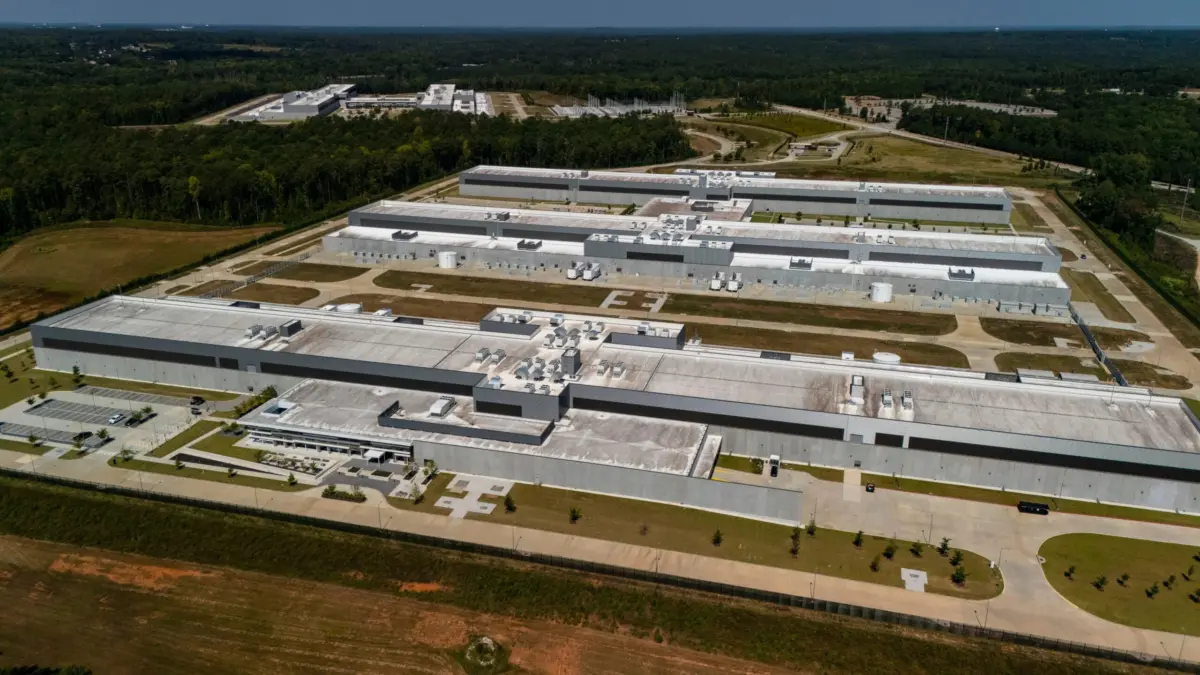
Compounding this demand is the meteoric rise of artificial intelligence. Data centers required to train and run massive large language models and cloud infrastructure are drawing unprecedented amounts of power. Caleb Max, President of the National Artificial Intelligence Association, noted that while AI currently accounts for roughly 1.5% of global electricity consumption, that figure is projected to double to 3% by the end of the decade.
While the tech sector argues that AI efficiency is improving and that machine learning will ultimately unlock breakthroughs in climate science and smart-grid management, critics remain deeply skeptical. The immediate reality for many urban residents—such as community organizers in Washington, D.C., reporting $200 spikes in monthly electricity bills—is that digital expansion is driving up immediate utility costs.
Official Statements and Industry Perspectives
The friction between technological ambition, economic reality, and environmental sustainability has brought starkly contrasting viewpoints to the forefront of this week’s discussions.
-
Simon Stiell, UN Climate Chief:
"Energy-guzzling artificial intelligence is driving up planet-heating pollution from coal, oil, and gas, while ratcheting up energy costs for households and businesses. All while fueling disinformation, social division, and even larger inequalities of wealth. AI leaders are now on thin ice when it comes to license to operate, and sinking deep underwater when it comes to public support."
-
Mohamed Adow, Director of Powershift Africa:
"There are two climate stories happening at the same time. One is extremely hopeful: renewable energy is booming, technology is improving, and the economics of clean energy increasingly make sense without anyone having to make a moral argument for it. The other is terrifying: climate impacts are accelerating faster than our political and financial systems are responding. New York needs to bring those two stories together."
-
Johan Rockström, Director of the Potsdam Institute for Climate Impact Research:
"The journey so far on renewables is remarkable. It’s particularly impressive given that it’s succeeding despite unfair competition, because it’s competing with heavily subsidized fossil fuel-based energy and electricity systems. Paradoxically, leaders who are passionate advocates of fossil fuels are, through their market disruptions, actually helping us transition away from fossil fuels faster by making oil and gas painfully expensive."
-
Caleb Max, President of the National Artificial Intelligence Association:
"AI currently uses about 1.5% of global electricity, and it should reach 3% by the end of the decade, but it’s becoming much more efficient. Furthermore, it could help solve the climate problem by unlocking numerous currently unknown advances in science, technology, and research."
Future Outlook: Navigating the Road Ahead
As delegates lock into negotiations throughout the remainder of the UN General Assembly and Climate Week sessions, the path forward hinges on a delicate balancing act.
- Decoupling Growth from Carbon: The immediate imperative for policymakers is ensuring that the massive influx of electricity demand—spurred by data centers and vehicle electrification—is met entirely by new renewable installations rather than legacy fossil-fuel generation. Without aggressive regulatory guardrails, the digital revolution risks locking in high-carbon infrastructure for decades.
- Protecting Vulnerable Consumers: With inflation and high energy prices threatening social stability globally, governments must implement targeted economic policies that protect lower-income households from the immediate shocks of energy transitions and geopolitical conflicts.
- Accelerating Systemic Infrastructure Upgrades: As IRENA Director-General Francesco La Camera emphasized, nations must "move faster, electrify faster, and build the systems to support it." This requires massive capital injections into modernizing global electrical grids, upgrading battery storage capacities, and streamlining bureaucratic hurdles for clean-energy project approvals.
Ultimately, the conversations in New York this week signal a definitive shift. Climate policy is no longer viewed through the isolated lens of environmentalism; it is recognized as the foundational architecture upon which global economic stability, technological progress, and human security will rest for the remainder of the 21st century.
The Associated Press’s climate and environmental coverage receives financial support from multiple private foundations. The AP remains solely responsible for all editorial content.

0 Comments