

Executive Overview
To millions of travelers, retirees, and sun-seekers across the globe, Florida is inextricably linked to a single, golden moniker: "The Sunshine State." It is stamped across millions of novelty license plates, emblazoned on tourism brochures, and deeply woven into the cultural identity of America’s southeasternmost peninsula. Yet, an investigation into meteorological data, historical records, and climatological rankings reveals a surprising truth. By nearly every objective measure of solar irradiance and clear-sky days, Florida is not the sunniest state in the nation. In fact, depending on the dataset consulted, it frequently hovers outside the top tier altogether.
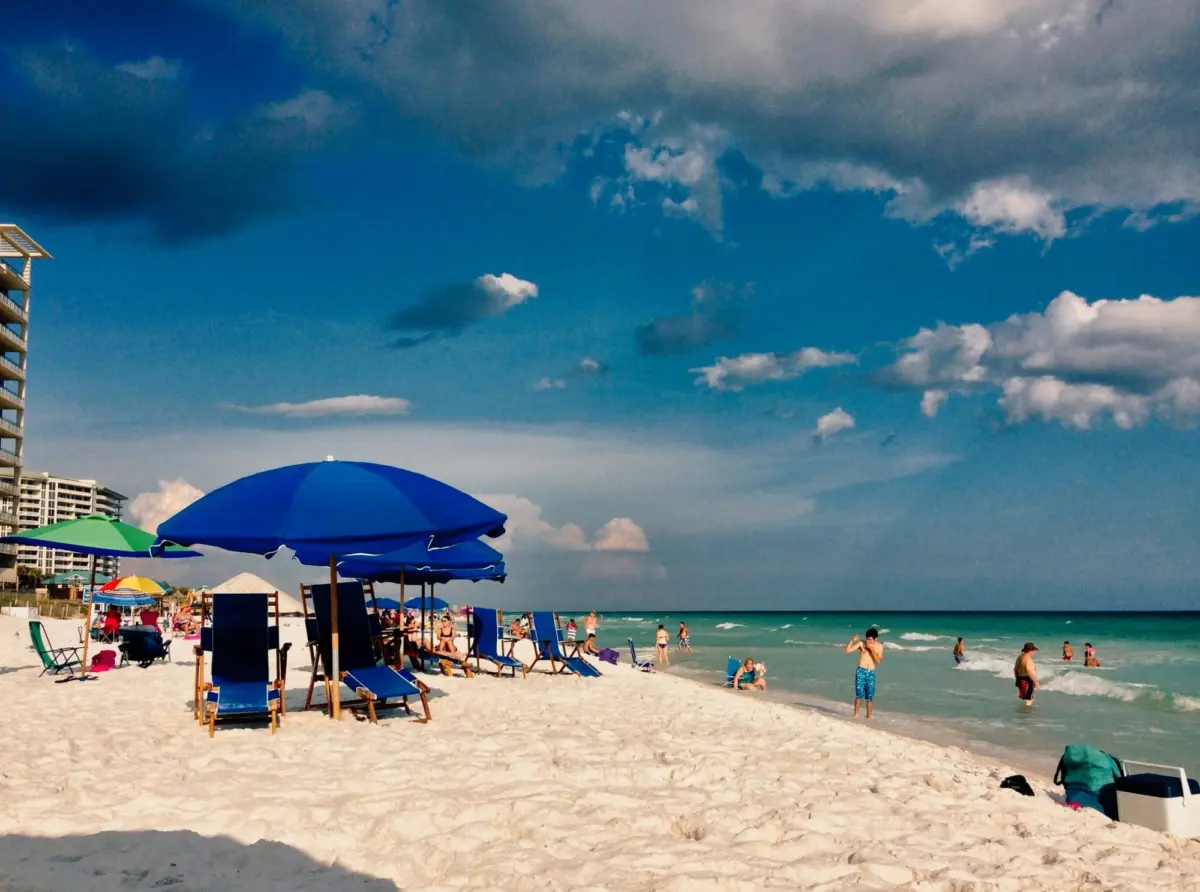
While Florida lawmakers officially codified "The Sunshine State" into state statute in 1970—replacing the older, less marketable "Everglade State"—the title is increasingly turning out to be a brilliant exercise in tourism marketing rather than an accurate geographical descriptor. Driven by subtropical weather patterns, an abundance of coastal humidity, and an almost clockwork daily cycle of convective afternoon thunderstorms, Florida might be more accurately branded as "The Partly Cloudy State."
This feature-length investigation explores the climatological reality behind Florida’s famous nickname. We examine how meteorological institutions rank the sunniest states in America, evaluate the surprising performance of Florida cities in national weather indices, and consider alternative monikers—such as "The Water State"—that might more accurately capture the true geographical essence of the peninsula.
Detailed Chronology: The Evolution of Florida’s Identity
To understand how Florida became "The Sunshine State," we must look back at how the region branded itself as a frontier of leisure and recovery. Long before air conditioning turned the swampy peninsula into a year-round metropolis, Florida marketed its climate as a therapeutic escape from harsh northern winters.
The Pre-Legislative Era
Throughout the late 19th and early 20th centuries, promoters of Florida tourism—most notably railroad magnates like Henry Flagler—emphasized the health benefits of the region’s warm weather and natural light. Tuberculosis sanatoriums and grand resort hotels popped up along both coasts, advertising the restorative power of Florida’s endless blue skies. However, during this period, the state lacked an official, universally recognized moniker.
For decades, early promotional materials frequently referred to Florida as "The Everglade State," a nod to the sprawling, mysterious wetlands that dominated its southern interior. While accurate to the indigenous ecology, the term "Everglade" carried certain rustic, swampy connotations that post-World War II boosters and real estate developers were eager to shed in favor of something brighter, cleaner, and more commercially appealing.
The 1970 Legislative Codification
The turning point arrived in 1970. Seeking to modernize its image and align its official identity with the booming tourism and retirement industries, the Florida Legislature officially adopted "The Sunshine State" as the official state nickname. It was a masterstroke of branding, designed to evoke immediate imagery of pristine beaches, orange groves, and perpetual warmth.
For half a century, the nickname went virtually unquestioned by the general public. It became a cultural touchstone, appearing on standard-issue automobile license plates beginning in 1979 and cementing itself in the national lexicon. Yet, even as the phrase gained ubiquitous status, meteorologists and climatologists quietly compiled data that told a vastly different story about what was happening in the skies above the peninsula.
Supporting Context & Metrics: Parsing the Climatological Data
When everyday travelers think of sunshine, they picture unbroken blue horizons from dawn until dusk. But how do federal agencies and independent meteorological researchers actually calculate which state is the sunniest?
The National Rankings Breakdown
Depending on the specific metrics used—such as average annual percentage of possible sunshine, total hours of direct sunlight, or frequency of clear days—the leaderboard shifts dramatically.
- The CDC and Public Health Metrics: Data frequently cited from public health tracking agencies and population research platforms (such as the World Population Review) positions Florida remarkably low on the list of sunniest states. In these broader health-related climatological aggregates, Florida often lands in 10th place.
- National Weather Service Metrics: More localized meteorological tracking by the National Weather Service places Florida slightly higher, frequently landing it at No. 6 among the sunniest states.
- The Undisputed Champions: So, which states consistently beat Florida to the top spots? Unsurprisingly, the arid and semi-arid states of the American Southwest claim dominance. States like Arizona, New Mexico, Nevada, and Texas routinely sweep the top positions due to their desert climates, low relative humidity, and sparse cloud cover. Cities like Yuma, Arizona, and El Paso, Texas, record thousands of hours of sunshine annually, leaving Florida’s coastal peninsula far behind in raw solar accumulation.
The Myth of the Sunniest Cities
If the state as a whole ranks outside the top tier, surely Florida’s booming urban centers must make up the difference, right? A look at national indices suggests otherwise.
When researchers compile lists of the top ten sunniest cities in the United States, major Florida metropolises like Miami, Orlando, Jacksonville, and Tampa are routinely shut out of the top tier. The top ten sunniest urban areas in the nation are overwhelmingly dominated by the Southwest:
- Yuma, Arizona
- Redding, California
- Las Vegas, Nevada
- Phoenix, Arizona
- Tucson, Arizona
- El Paso, Texas
- Fresno, California
- Reno, Nevada
- Flagstaff, Arizona
- Albuquerque, New Mexico
Finding Sunshine Within the Peninsula
While Florida may not match the arid brilliance of the Mojave or Sonoran deserts, certain pockets of the state fare better than others. A weather and lifestyle analysis conducted by the regional platform Only In Your State evaluated various Florida locales to determine which regions boast the most favorable, sun-drenched weather patterns.
Interestingly, the highest-ranking weather destinations in Florida are heavily concentrated in Southwest Florida. Cities and communities such as Naples, Fort Myers, and Punta Gorda tend to experience lower annual rainfall totals and slightly fewer convective afternoon storms than their counterparts in Central Florida or the southeastern coast. Yet, even these idyllic Gulf Coast havens must contend with seasonal phenomena that complicate the "Sunshine State" narrative.
Meteorological Perspectives: "The Partly Cloudy State"
To understand why Florida falls short of its reputation, one must look closely at its unique subtropical meteorology. Nestled between the warm waters of the Gulf of Mexico and the Atlantic Ocean, Florida experiences a distinct maritime climate characterized by high humidity and atmospheric instability during the warmer months.
The Afternoon Thunderstorm Phenomenon
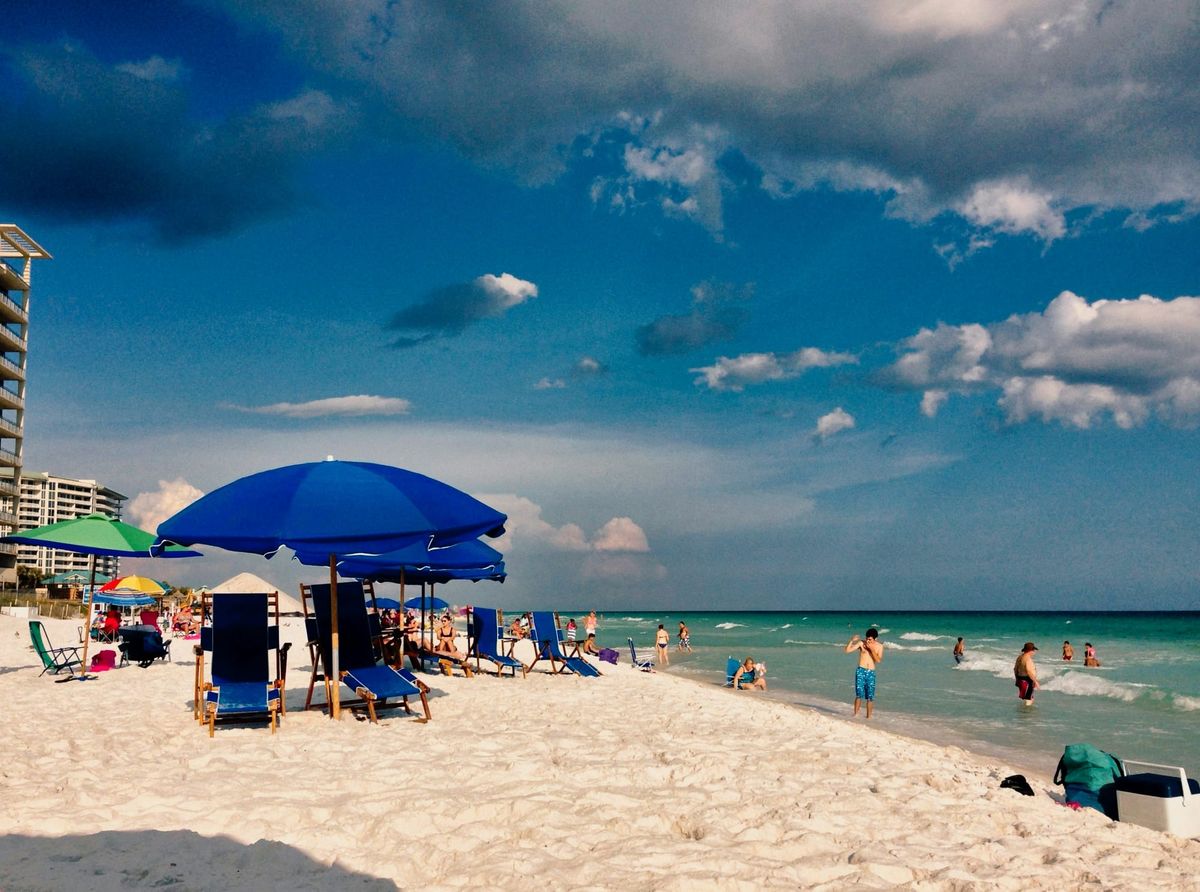
During late spring and throughout the summer, Florida is subjected to a daily meteorological cycle known as sea-breeze convergence. Cool air from the surrounding oceans pushes inland during the day, colliding over the center of the peninsula. This collision forces warm, moisture-laden air rapidly upward into the atmosphere, where it condenses into towering cumulus clouds.
The result? The sky, which was crystal clear at 10:00 AM, frequently morphs into a dark, churning canvas of torrential downpours and lightning by 2:00 PM. Meteorologists point out that while these storms often blow over within an hour or two, leaving sunshine in their wake, they fundamentally disrupt the continuous solar tracking that defines true desert sunshine states.
As one Chicago-based meteorologist wryly noted when analyzing national weather trends, "The Partly Cloudy State" would be a far more scientifically accurate label for Florida than its current moniker. The state’s weather is defined not by uninterrupted days of blinding light, but by dynamic, rapidly shifting skies, sudden cloud buildups, and dramatic tropical downpours.
Official Statements and Industry Reflections
The dissonance between Florida’s official nickname and its actual meteorological standing has not gone unnoticed by local tourism boards, environmental advocates, and outdoor recreation groups.
Tourism and Branding Realities
Representatives from various Florida tourism and destination marketing organizations maintain that "The Sunshine State" is far more than a literal meteorological report—it is an emotional and cultural brand.
"When people book a ticket to Florida, they aren’t looking at a spreadsheet of relative humidity or cloud-cover percentages," noted a tourism marketing strategist based in Central Florida. "They are looking for an escape from gray winters, a feeling of warmth, and a culture centered around the outdoors. ‘The Sunshine State’ captures that spirit perfectly, even if an afternoon summer shower rolls through for forty minutes."
The Push for an Ecological Rebranding
On the other side of the spectrum, environmental groups and outdoor recreation advocates have increasingly argued that Florida’s identity should lean into its defining geographical feature: water.
Organizations like Play Hard Florida have championed the conversation around redefining the state’s cultural identity. They argue that continuing to focus exclusively on sunshine overlooks the staggering ecological wealth that truly sets the peninsula apart from every other state in the nation.
Future Outlook: Could a Name Change Ever Happen?
As climate patterns shift, urban populations swell, and tourism strategies evolve, the question remains: Could Florida ever shed "The Sunshine State" in favor of something more accurate?
The Case for "The Water State"
From a strictly geographical and ecological standpoint, a compelling argument can be made for a nickname that honors Florida’s liquid landscape. Consider the numbers:
- Coastline: Florida boasts approximately 1,350 miles of coastline, giving it the most extensive coastal frontage in the contiguous United States.
- Lakes: The peninsula is home to roughly 30,000 freshwater lakes, ranging from massive inland seas like Lake Okeechobee to thousands of crystal-clear sinkhole and spring-fed ponds.
- Rivers: The state’s interior and coastal drainage systems comprise an astonishing 26,000 miles of rivers and streams.
- Beaches: Sun-worshippers can access over 663 miles of sandy beaches along both the Atlantic and Gulf coasts.
- The Everglades: The unique, slow-moving sheet of water known as the River of Grass covers millions of acres, creating a globally significant subtropical wilderness unlike anything else on Earth.
Given this breathtaking abundance of aquatic ecosystems, advocates suggest that "The Water State"—or a return to a modernized version of "The Everglade State"—would ground Florida’s identity in its physical reality rather than a generalized meteorological cliché.
The Practical Obstacles of Rebranding
Despite the logical appeal of an ecological rebrand, the practical reality of changing a state nickname that has been deeply entrenched for over half a century makes an official legislative shift highly unlikely. "The Sunshine State" is a multi-billion-dollar brand equity asset. Millions of consumers worldwide immediately associate the phrase with vacation, leisure, and happiness.
Furthermore, even if Florida ranks 10th in sunniness compared to arid western deserts, it still receives vastly more annual sunshine and warmth than the snow-bound northern and midwestern states from which the vast majority of its visitors and new residents migrate. To a traveler escaping a freezing winter in Chicago, Minneapolis, or Boston, a passing Florida afternoon thunderstorm feels like a minor footnote in an otherwise brilliantly sunlit escape.
Conclusion
Ultimately, Florida may never surrender its iconic title, no matter how many meteorologists point out that Arizona or New Mexico take home the crown for raw solar hours. "The Sunshine State" is secure in its cultural legacy. Yet, understanding the meteorological nuance—acknowledging the daily afternoon storms, the soaring humidity, and the magnificent, life-giving waters that define the peninsula—allows us to appreciate Florida for what it truly is: a dynamic, subtropical paradise where sun and water engage in a perpetual, beautiful dance.

0 Comments