
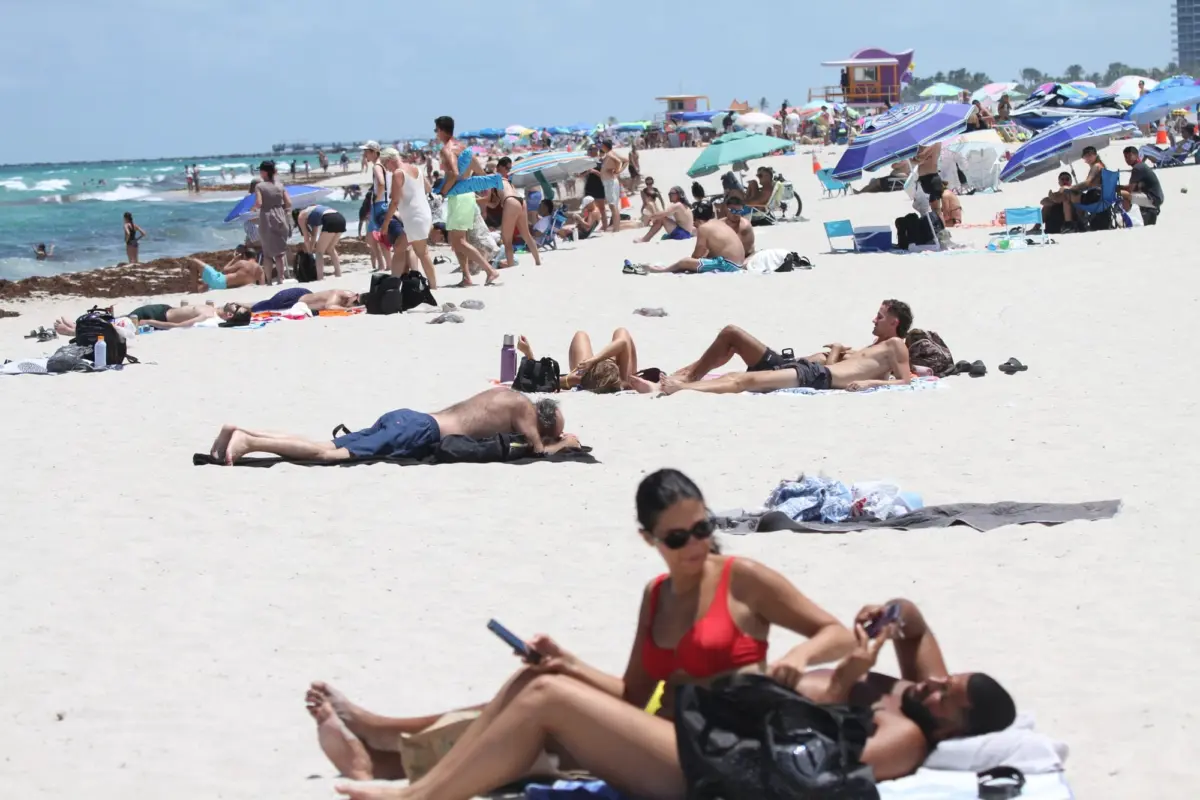

MIAMI BEACH, Fla. — Florida’s relentless tourism machine has proven its resilience once again. According to preliminary data released by VISIT FLORIDA, the state’s official tourism marketing arm, the Sunshine State welcomed an estimated 34.3 million visitors between July and September 2025. This figure marks a steady, upward trajectory compared to the same three-month period in 2024, defying broader economic uncertainties and proving that the state’s allure remains as potent as ever.
The latest metrics paint a picture of a diversifying traveler base. While domestic travelers continue to serve as the bedrock of Florida’s tourism economy—accounting for more than 91% of total visitors—crucial international segments are showing robust signs of revival. As travel patterns normalize globally, state tourism officials are capitalizing on strategic marketing initiatives aimed at capturing high-value international travelers, positioning Florida not just as a domestic getaway, but as a premier global hub.
Executive Overview
The third-quarter performance for 2025 underscores the critical role tourism plays as the engine of Florida’s broader economy. Generating billions of dollars in taxable revenue, supporting hundreds of thousands of jobs, and driving continuous infrastructure development, the tourism sector remains the state’s economic bellwether.
Key takeaways from the Q3 2025 VISIT FLORIDA report include:
- Total Visitation: Approximately 34.3 million travelers visited Florida during Q3 2025, representing a year-over-year increase.
- Domestic Dominance: U.S. residents made up 91.7 percent of the total volume, totaling roughly 31.5 million travelers.
- International Recovery: Overseas visitation climbed to an estimated 2.3 million arrivals, reflecting sustained demand from key foreign markets.
- Canadian Contributions: Canadian travelers added another 507,000 arrivals to the quarterly ledger.
- Strategic Momentum: Targeted international outreach—particularly across Latin America and select European corridors—is yielding measurable returns in passenger volume and tourist spending.
Despite inflationary pressures and shifting consumer spending habits nationwide, Florida has managed to hold onto its domestic market share while aggressively reclaiming ground in the international arena lost during the post-pandemic years.
Detailed Chronology: How Q3 Unfolded
To understand how Florida achieved these figures in the third quarter of 2025, it is necessary to examine the operational cadence of the state’s tourism sector leading up to and through the summer and early fall months.
July 2025: Kickstarting the Summer Peak
As the summer vacation season hit its stride in July, Florida’s coastal destinations, theme parks, and metropolitan centers experienced massive inflows of domestic families. Major hubs like Orlando, Miami, Tampa, and the Keys reported high hotel occupancy rates, even amidst typical seasonal afternoon thunderstorms and high humidity. VISIT FLORIDA rolled out localized digital campaigns emphasizing family travel, hidden-gem state parks, and culinary tourism to distribute economic benefits beyond traditional tourist traps.
August 2025: Navigating the Shoulder Season and International Influx
By August, as domestic travel traditionally cools due to the return of the K-12 and university academic calendars, the state experienced a strategic shift. While U.S. family travel began tapering off, international arrivals—particularly from Latin American markets like Brazil, Colombia, and Argentina—helped bridge the gap. Brazil, in particular, showed a marked resurgence in passenger volumes, aided by expanded flight frequencies from major Latin American carriers into Miami International Airport (MIA) and Fort Lauderdale-Hollywood International Airport (FLL).
September 2025: Transitioning into Autumn and Business Travel
Entering September, the landscape shifted toward late-summer leisure travelers, convention attendees, and early-bird snowbirds. Despite September historically serving as a peak month for tropical weather monitoring in the Atlantic basin, Florida’s hospitality sector maintained strong momentum. Business travel and convention bookings in cities like Orlando and Tampa provided a reliable baseline of occupancy, ensuring that Q3 closed on a positive, growth-oriented note.
Supporting Context & Metrics: Breaking Down the Numbers
A deeper dive into the data provided by VISIT FLORIDA reveals shifting demographics and vital insights into where visitors are coming from and how they are traveling.
+-----------------------------------------------------------------+
|               FLORIDA Q3 2025 VISITATION BREAKDOWN              |
+-----------------------------------------------------------------+
| Category             | Estimated Visitors  | Percentage of Total|
+----------------------+---------------------+--------------------+
| Domestic (U.S.)      | ~31.5 Million       | 91.7%              |
| Overseas (Intl.)     | ~2.3 Million        | ~6.7%              |
| Canada               | ~507,000            | ~1.6%              |
+-----------------------------------------------------------------+
| TOTAL                | ~34.3 Million       | 100%               |
+-----------------------------------------------------------------+
The Domestic Powerhouse
Accounting for 31.5 million visitors, the domestic market remains the lifeblood of Florida tourism. Drive-market visitors from neighboring states such as Georgia, Alabama, and other southeastern hubs formed a substantial portion of this volume, frequenting Florida’s beaches, springs, and coastal towns. Simultaneously, direct flight corridors from major northeastern and midwestern metros (such as New York, Chicago, and Atlanta) kept air travel volume robust.
The Latin American and European Rebound
The reported 2.3 million overseas visitors represent a critical victory for state marketers. Latin America continues to be Florida’s most reliable international feeder market. Proximity, cultural affinity, and deep-rooted commercial ties make South Florida, in particular, a second home for many travelers from Brazil and the Caribbean.
VISIT FLORIDA’s targeted promotional campaigns in Europe—focusing on the United Kingdom, Germany, and France—also bore fruit during the quarter. Direct transatlantic flight revivals into Orlando and Miami have restored seat capacities closer to pre-2020 levels, enticing European holidaymakers seeking sun, theme parks, and luxury retail experiences.
Canadian Traveler Trends
While Canadian arrivals tallied approximately 507,000 for the quarter—a modest figure compared to the winter months when "snowbirds" flock south in droves—the Q3 numbers indicate steady pre-season interest. Exchange rate considerations and economic conditions in Canada continue to be monitored closely by tourism operators as they prepare for the vital Q4 and Q1 high seasons.
Official Statements and Industry Insights
The release of the Q3 2025 data prompted optimistic commentary from state leaders, who emphasized that tourism success is not accidental, but rather the result of coordinated public-private partnerships, targeted marketing, and strategic state investments.
VISIT FLORIDA President and CEO Bryan Griffin pointed to the data as clear evidence of the state’s enduring brand strength.
"These numbers reflect the relentless appeal of Florida as a world-class destination," Griffin stated. "Our strategy is clear: we are working diligently to maintain our ironclad domestic market share while aggressively expanding our outreach in key international corridors. When travelers around the globe think of unforgettable experiences, safety, and hospitality, Florida remains at the top of their minds."
Adding an economic and structural perspective, Florida Secretary of Commerce J. Alex Kelly underscored how broader state policies directly support the tourism industry’s performance. Kelly noted that sustained investments in public infrastructure, workforce development programs, and community quality of life create an environment where both residents and visitors thrive.
"A thriving tourism economy doesn’t happen in a vacuum," Kelly remarked. "By continually investing in our transportation networks, workforce training, and local communities, we ensure that Florida is not only a phenomenal place to visit, but an exceptional place to live and do business. The Q3 metrics are a direct reflection of this holistic approach to economic development."
Industry stakeholders across the state—ranging from major theme park operators in Central Florida to boutique hotel owners in the Florida Keys—echoed these sentiments, reporting healthy revenue margins and high guest satisfaction scores through the summer and early fall.
Future Outlook: Challenges and Opportunities on the Horizon
While the third quarter of 2025 delivered undeniably positive results, VISIT FLORIDA and industry leaders are not resting on their laurels. As the state looks toward the future, several key challenges and opportunities will dictate the trajectory of Florida’s tourism economy.
1. Navigating Global Economic Headwinds
Currency fluctuations, inflationary pressures, and economic policy shifts in key international markets—such as the United Kingdom and parts of Europe—require VISIT FLORIDA to remain agile in its marketing spend. Deploying data-driven, highly targeted digital campaigns will be essential to ensure that marketing dollars yield maximum return on investment.
2. Infrastructure and Sustainable Growth
With millions of visitors traversing the state annually, managing infrastructure capacity is paramount. Investments in airport expansions (such as ongoing updates at MIA, MCO, and TPA), regional transit projects, and roadway improvements are vital to preventing congestion and ensuring a seamless visitor experience. Furthermore, sustainable tourism practices—ranging from beach preservation and coral reef protection to water conservation initiatives—are increasingly prioritized to protect the natural assets that draw visitors to Florida in the first place.
3. Expanding Niche Markets
Looking ahead, state tourism officials are doubling down on diversification. Beyond traditional leisure and family travel, Florida is aggressively courting the lucrative business events, meetings, and conventions (MICE) sector, as well as sports tourism. Hosting major collegiate and professional sporting events, alongside global trade shows, provides a reliable cushion against seasonal fluctuations in leisure travel.
Conclusion
Florida’s tourism industry enters the final stretch of 2025 from a position of undeniable strength. By balancing a dependable, massive domestic visitor base with a rebounding international market, the Sunshine State continues to set the benchmark for American tourism. As long as state leaders maintain their focus on strategic infrastructure investment, targeted global marketing, and pristine environmental stewardship, Florida’s travel economy is well-positioned to break new ground in the years to come.

0 Comments