


Executive Overview
Every year, more than a million retirees and remote workers from the frostbitten regions of the United States and Canada pack their bags and head south. Bound for the sun-drenched landscapes of Florida, Arizona, and other Sunbelt states, these seasonal migrants—affectionately and widely known as "snowbirds"—pursue the best of both worlds: maintaining deep-rooted connections with family, friends, and familiar neighborhoods while trading freezing slush, icy sidewalks, and treacherous winter commutes for endless blue skies and temperate breezes.
While the cultural allure of the snowbird migration is undeniable, transitioning into a multi-residence lifestyle is far more intricate than simply embarking on an extended vacation. As retirees age, enduring bitter winters becomes increasingly hazardous. Slips on hidden ice patches carry a high risk of debilitating injuries, and the heavy, physical strain of shoveling deep snow can pose severe cardiovascular risks. Freed from the rigid constraints of a traditional 9-to-5 working life, older adults naturally gravitate toward climates that foster active, outdoor lifestyles—enabling year-round access to golf, tennis, swimming, and daily walking routines without seasonal interruptions.
However, beneath the idyllic veneer of poolside relaxation and palm trees lies a labyrinth of logistical, financial, and administrative challenges. From managing dual properties and navigating multi-state tax jurisdictions to orchestrating mail forwarding, pet transport, and continuity of healthcare, the snowbird lifestyle demands meticulous planning. This comprehensive investigative report explores the multifaceted realities of seasonal migration, offering expert insights into the true costs, hidden hurdles, and strategic best practices required to transition seamlessly between two worlds.
Detailed Chronology and Planning Roadmap
Transitioning into a seasonal snowbird requires a disciplined, year-round timeline to ensure that both the primary northern home and the southern winter retreat remain secure, functional, and financially optimized. Experienced snowbirds and retirement lifestyle planners generally recommend adhering to a phased preparation schedule.
Phase 1: Exploration and Test-Driving (January – March of the Prior Year)
Before committing to a permanent purchase in the Sunbelt, financial planners and seasoned travelers strongly advise "test-driving" potential destinations. Because a winter haven may eventually become a permanent retirement sanctuary, prospective snowbirds should spend at least one full season renting in a target area.
- The Rental Strategy: Utilizing platforms such as Airbnb, VRBO, or specialized real estate networks within master-planned active adult communities (such as The Villages or On Top of the World in Florida), travelers should experience different geographic pockets.
- Evaluating Community Culture: Renting allows individuals to evaluate humidity levels, proximity to medical facilities, social infrastructure, and local traffic patterns before deploying capital toward a property purchase.
Phase 2: Securing Accommodations and Logistics (April – June)
High-demand Sunbelt rental markets fill up astonishingly fast. Many seasoned snowbirds lock in their winter rentals as early as January or February—a full year in advance.

- Property Selection: During this window, travelers must decide whether they will purchase a secondary property (such as a single-family home, condominium, or manufactured/park model home), rent on an annual seasonal basis, or invest in a recreational vehicle (RV).
- Vehicle and Transit Planning: Those planning to fly to their southern destination must coordinate reliable local transportation. Options include renting a car for the season, purchasing an affordable runabout vehicle to keep at the winter home, or hiring a specialized car shipping service to transport their primary vehicle safely down the interstate.
Phase 3: Administrative, Tax, and Healthcare Preparations (July – September)
As the summer peaks, attention must shift to the bureaucratic realities of maintaining dual households.
- Tax and Residency Audit: Snowbirds must review state-specific residency laws. Spending a significant portion of the year in a secondary state can trigger state income tax obligations, property tax assessments, and complex inheritance or estate tax implications.
- Healthcare Mapping: For seniors over the age of 65, reviewing health insurance coverage is paramount. While traditional Medicare provides nationwide coverage, many private Medicare Advantage plans or commercial health maintenance organizations (HMOs) restrict coverage to specific local networks, limiting out-of-state benefits strictly to emergency medical care.
Phase 4: Property Shutdown and Departure (October – November)
As the first autumn chills sweep across the northern latitudes, the physical migration begins.
- Northern Home Maintenance: Homeowners must winterize their primary residences. If leaving a home unheated during freezing temperatures, professional plumbers must be hired to blow out and drain all water supply lines, completely shutting off the main water valve to prevent catastrophic pipe bursts. Alternatively, maintaining a reduced, safe interior heat setting is required. All non-essential appliances should be unplugged, and refrigerators emptied and left ajar.
- Mail and Utilities: Homeowners should contact utility providers to inquire about seasonal "hibernation" or vacation rate tiers for cable, internet, and phone services. Mail forwarding strategies—via USPS, third-party services, or trusted neighbors—must be activated.
Supporting Context and Metrics: The Seven Pillars of Snowbird Management
To fully appreciate the scope of seasonal migration, one must examine the specific pillars that sustain the lifestyle. Neglecting any single component can turn a dream retirement into an administrative nightmare.

1. The Financial Architecture and Housing Options
The financial footprint of snowbirding varies drastically depending on the chosen mode of accommodation:
- Purchasing a Second Home: Buying a secondary residence involves upfront capital expenditures for the property, along with secondary furniture, appliances, and housewares. Crucially, homeowners insurance rates for vacant properties left unattended for extended periods can be substantially higher. Furthermore, property taxes must now be paid in two distinct municipalities.
- Leasing and Renting: Renting offers ultimate geographic flexibility, allowing seniors to explore a new city or state every winter. However, soaring rental rates in prime Sunbelt locations require robust budgeting.
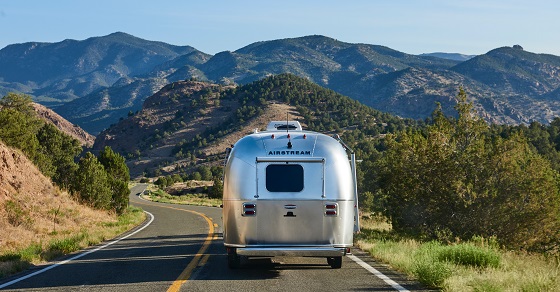
- The RV and Motorhome Lifestyle: For those seeking ultimate mobility, recreational vehicles ranging from luxury Class A motorhomes to towable travel trailers offer a unique solution. Pets, clothing, and personal items travel effortlessly. However, RV owners face unique logistical hurdles: finding reliable, long-term space in crowded RV parks, managing high fuel costs, and navigating local transportation. Because driving a massive motorhome to run grocery errands is impractical, many RVers tow a smaller commuter car behind their rig.
2. Tax Compliance and Residency Nuances
A common misconception among new snowbirds is that spending winter in a warmer state has zero tax consequences. In reality, state tax authorities closely monitor the number of days spent within their borders—often using the traditional "183-day rule" as a benchmark, though audits can evaluate ties such as voter registration, driver’s licenses, and primary medical providers. Consulting a certified public accountant (CPA) specializing in multi-state taxation is essential to avoid unexpected penalties.
3. Mail Handling and Digital Continuity
While paperless billing and email have streamlined modern life, physical mail still arrives. Traditional USPS forwarding has limitations when dealing with temporary seasonal changes, and many RV parks strictly refuse to accept mail for transient visitors. Utilizing dedicated commercial mail-forwarding services or arranging for a trusted neighbor to bundle and ship mail periodically ensures that critical documents, tax notices, and packages are never lost.

4. Home Security and Exterior Maintenance
Leaving a northern home vulnerable during winter invites security risks and weather damage. Beyond winterizing plumbing, homeowners must coordinate exterior property upkeep. If local ordinances or homeowners associations (HOAs) mandate snow removal, lawn care, or weed control, pre-arranged contracts with local landscaping and property management services are mandatory. Additionally, arrangements must be made to clear unwanted advertising circulars and free community newspapers from the driveway to prevent signaling to potential intruders that the home is unoccupied.
5. Pet Logistics
For animal lovers, traveling with dogs and cats is entirely feasible, though it narrows the pool of available rental properties and requires pet-friendly transportation planning. For owners of exotic pets—such as birds, reptiles, or fish—temporary relocation is impossible, necessitating trusted pet-sitters or formal foster care arrangements for the duration of the winter season.
6. Medical Continuity and Prescription Management
Healthcare access is perhaps the most critical consideration for aging snowbirds. Seniors must verify whether their insurance policies extend across state lines. Additionally, establishing a relationship with a local physician at the winter destination ensures uninterrupted care. Managing prescription refills requires careful coordination, particularly for patients utilizing mail-order pharmacy services that automatically ship three-month supplies, requiring secure delivery locations or synchronized local pharmacy transfers.

Expert Insights and Official Perspectives
Retirement lifestyle experts and authors who have spent decades analyzing demographic shifts emphasize that while the snowbird culture is thriving, it requires a mindset shift.
"Enjoying a successful snowbird lifestyle is infinitely more complicated than simply going on a long vacation," notes retirement researcher and author Dave Hughes in his comprehensive guide, The Quest for Retirement Utopia. "It requires balancing two distinct domestic ecosystems, managing dual financial overheads, and proactively solving administrative hurdles before they escalate into crises. When planned meticulously, however, it provides an unparalleled enhancement to quality of life during our golden years."
Demographic analysts point out that the continuous growth of active adult master-planned communities—such as The Villages in central Florida—underscores the permanent expansion of this lifestyle. Infrastructure in these regions has rapidly evolved to support seasonal influxes, offering specialized healthcare networks, recreational programming, and social clubs designed specifically to integrate transient residents seamlessly into local civic life.

Future Outlook: The Evolution of Seasonal Migration
Looking ahead, the landscape of the snowbird lifestyle is poised for transformation driven by demographic shifts, technological innovation, and economic trends.
- The Rise of the "Digital Nomad" Senior: As younger generations approach retirement age with higher levels of digital literacy and remote-work capabilities, the traditional definition of a snowbird is expanding. Rather than anchoring themselves to a single southern home for an entire winter, modern retirees increasingly favor dynamic, multi-stop itineraries, utilizing flexible short-term rentals and high-speed satellite internet to move fluidly across the country.
- Climate and Economic Pressures: Changing weather patterns and shifting housing market valuations across the Sunbelt are forcing snowbirds to cast a wider net. While traditional hubs in Florida and Arizona remain immensely popular, emerging secondary markets in the Carolinas, the Texas Hill Country, and the Pacific Northwest are gaining traction as retirees seek alternatives to rising insurance premiums and cost-of-living expansions in saturated areas.
- Technological Integration: Smart-home automation is revolutionizing how snowbirds manage absentee properties. Advanced Internet of Things (IoT) sensors now allow homeowners to monitor interior temperatures, humidity levels, water shut-off valves, and security camera feeds in real time from thousands of miles away, dramatically reducing the anxiety of dual-home ownership.
Ultimately, while mastering the logistics of dual-location living requires patience, financial prudence, and organizational discipline, the rewards remain extraordinary. For the millions who make the seasonal pilgrimage, trading the bitter cold for vibrant sunshine and active community living represents the true epitome of retiring fabulously.

0 Comments