

By the Florida Travel + Life Editorial Desk
Published | News & Lifestyle
Executive Overview
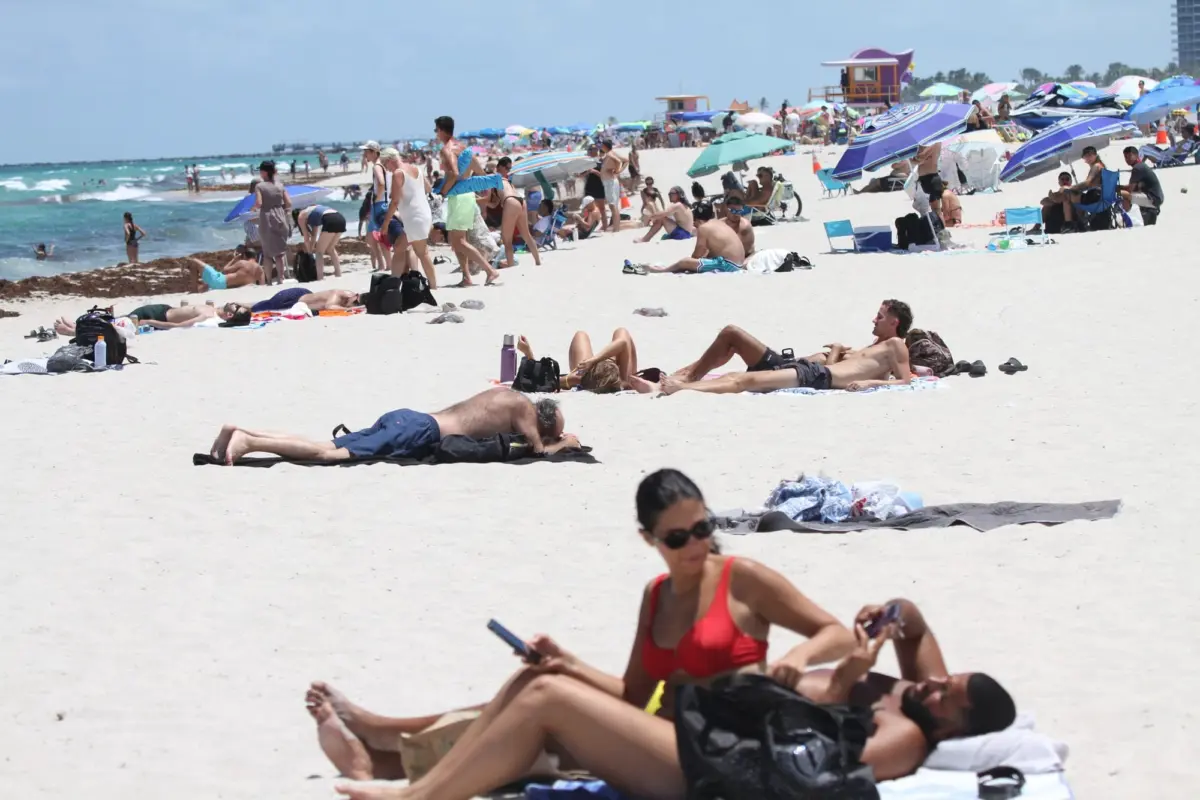
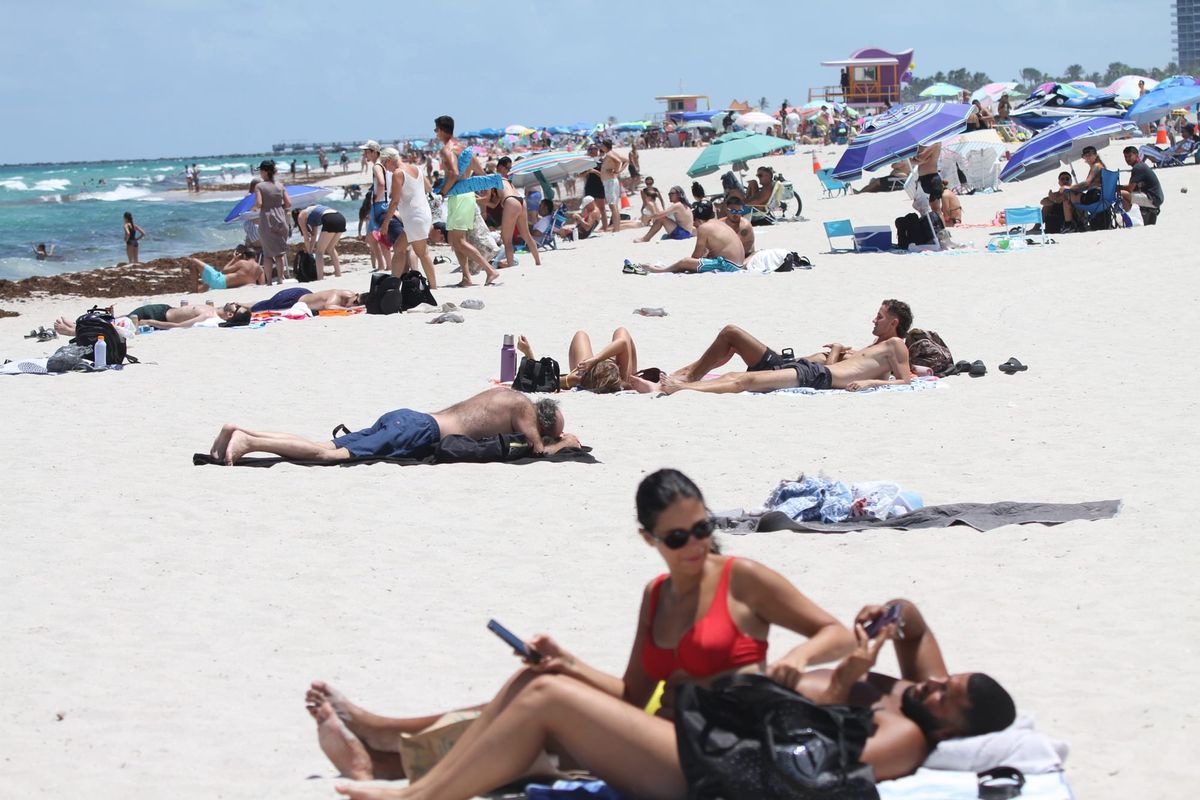
Florida’s powerhouse tourism industry continued its steady upward trajectory through the third quarter of 2025, defying broader macroeconomic anxieties, inflationary pressures, and shifting global travel preferences. According to preliminary data released by VISIT FLORIDA, the state’s official destination marketing organization, an estimated 34.3 million visitors descended upon the Sunshine State between July and September 2025.
This performance marks a modest yet significant year-over-year increase compared to the corresponding period in 2024, reinforcing the state’s status as one of the world’s premier travel destinations. The Q3 figures highlight a robust domestic travel market that continues to anchor the state’s hospitality sector, complemented by a steadily recovering international segment. Driven by strategic targeted marketing campaigns, infrastructure investments, and a relentless focus on diverse traveler segments, Florida’s tourism apparatus continues to serve as a vital engine for state economic growth, employment, and local community development.
Detailed Chronology: The Q3 2025 Travel Landscape
The third quarter—traditionally encompassing the peak summer vacation months followed by the beginning of the shoulder season in September—presents unique challenges and opportunities for Florida’s tourism stakeholders. Historically, Q3 encounters intense competition from international destinations, shifting school calendars, and seasonal weather patterns, including the Atlantic hurricane season.
Despite these variables, the trajectory of visitor arrivals throughout July, August, and September 2025 remained remarkably consistent:
- July 2025: Kicking off the quarter, July saw peak domestic family travel, buoyed by theme park attendance in Central Florida, coastal resort bookings across the Atlantic and Gulf coasts, and robust cruise line departures from ports such as Miami, Port Canaveral, and Fort Lauderdale.
- August 2025: As domestic leisure travel typically experiences a mid-to-late summer cooling period due to the return-to-school season, Florida successfully pivoted its marketing strategies toward regional drive-market travelers, short-stay weekend getaways, and early international bookings.
- September 2025: The final month of the quarter captured early-autumn travelers, convention attendees, and international visitors seeking to capitalize on shoulder-season rates. Even with localized weather disruptions typical of late summer, hotel occupancy rates and airport passenger throughput remained resilient.
When aggregated, these summer and early-autumn months culminated in the milestone figure of 34.3 million total visitors, demonstrating that Florida’s appeal transcends traditional seasonal boundaries.
Supporting Context & Metrics: Breaking Down the Visitor Demographics
A granular examination of the Q3 2025 data reveals the underlying architecture of Florida’s tourism economy. While the headline figure of 34.3 million visitors captures attention, the distribution among domestic, overseas, and Canadian segments provides crucial insights into market shifts and strategic opportunities.
1. Domestic Travel: The Indispensable Anchor
Domestic travelers continued to form the bedrock of Florida’s tourism ecosystem. Accounting for an overwhelming 91.7 percent of total visitation, approximately 31.5 million U.S. residents traveled to or within Florida during the third quarter.
The dominance of domestic travel underscores the enduring appeal of the state’s drive-markets—particularly from neighboring southeastern states—as well as strong air connectivity from major U.S. metropolitan hubs like New York, Chicago, Atlanta, and Dallas. Factors driving this domestic volume include aggressive promotional packages by hospitality providers, the expansion of low-cost carrier routes into regional Florida airports, and the continuous evolution of world-class attractions across the state.
2. International Rebound: Overseas Markets Show Vitality
While domestic visitors make up the vast majority, international travel remains a high-value sector critical to the state’s economic health, as overseas visitors typically stay longer and spend more per capita.
During Q3 2025, Florida welcomed an estimated 2.3 million international travelers, marking a healthy year-over-year increase compared to Q3 2024. VISIT FLORIDA’s localized data emphasized a notable surge in travel from Latin American markets. Specifically, countries like Brazil exhibited marked growth in arrival numbers, driven by stabilized currency exchange rates, expanded direct airline routing, and targeted promotional initiatives executed by VISIT FLORIDA and its industry partners.
3. Canadian Visitation
Rounding out the international numbers, Canadian visitors accounted for an estimated 507,000 arrivals during the third quarter. While Q3 is traditionally a slower period for Canadian travel to Florida compared to the winter months—when "snowbirds" migrate south en masse—the half-million mark reflects a steady pre-seasonal baseline and ongoing interest in Florida as a preferred year-round escape for Canadian families.
Official Statements and Strategic Vision
The release of the Q3 2025 data prompted reactions from state leaders and tourism executives, who framed the numbers not merely as a temporary win, but as the calculated result of long-term strategic planning and public-private collaboration.
VISIT FLORIDA Leadership Perspective
Bryan Griffin, President and CEO of VISIT FLORIDA, pointed to the data as undeniable proof of the state’s unmatched magnetism as a global travel hub.
"Florida continues to prove that our destination’s diverse offerings—from our world-renowned beaches and natural springs to our vibrant cultural centers and entertainment hubs—resonate deeply with travelers worldwide," Griffin stated in the organization’s official release. "Our strategy is built on diversification and precision. By maintaining our dominant market share domestically while aggressively cultivating high-potential international markets, we ensure that Florida’s tourism economy remains robust, adaptable, and primed for sustainable long-term growth."
Griffin emphasized that VISIT FLORIDA’s upcoming promotional blueprint will double down on key international corridors, particularly within Latin America and select European nations, to accelerate the recovery and expansion of overseas arrivals.
Florida Commerce Perspective
Weighing in on the broader economic implications of the tourism sector, Florida Secretary of Commerce J. Alex Kelly underscored the symbiotic relationship between tourism performance and the state’s broader economic development strategy.
"Tourism is not an isolated industry in Florida; it is the front porch of our state’s booming economy," Kelly remarked. "The continued growth we are seeing in visitor volume is directly supported by deliberate, forward-thinking investments in our state’s infrastructure, workforce development initiatives, and community quality of life. When we build better roads, support local small businesses, and cultivate a premier workforce, we create an environment where both residents and visitors thrive."
Kelly noted that state commerce initiatives are closely aligned with local municipalities to ensure that tourism growth does not outpace community infrastructure, thereby preserving the unique quality of life that attracts both tourists and new permanent residents to Florida.
Future Outlook: Navigating Challenges and Capitalizing on Opportunities
As Florida’s tourism industry looks beyond the third quarter toward the winter peak and into 2026, industry analysts and state planners are balancing optimism with a clear-eyed assessment of potential headwinds.
Key Growth Drivers for the Future
- Targeted International Campaigns: With Latin American markets showing renewed vigor, VISIT FLORIDA’s ongoing cooperative marketing agreements with major international airlines and travel agencies are expected to yield further dividends. Similar promotional campaigns are slated for key European hubs, aiming to capture long-haul travelers seeking winter sun.
- Infrastructure and Connectivity: Ongoing investments in Florida’s airports—including major modernization projects at Miami International Airport, Orlando International Airport, and Tampa International Airport—will enhance passenger capacity and the overall traveler experience. Furthermore, the expansion of high-speed rail services like Brightline continues to revolutionize intra-state travel, making it easier for visitors to explore multiple regions of the state without relying on automobiles.
- Diversification Beyond the Coast: While Orlando’s theme parks and Miami’s nightlife remain global icons, VISIT FLORIDA’s strategic focus increasingly highlights ecotourism, historical heritage tourism, and culinary travel. Destinations along the Nature Coast, the Florida Keys, and historic inland towns are seeing increased interest from travelers seeking authentic, off-the-beaten-path experiences.
Potential Challenges to Monitor
Despite the positive momentum, industry leaders remain vigilant regarding several macroeconomic and environmental factors:
- Global Economic Pressures: Fluctuations in foreign exchange rates and inflationary pressures on consumer discretionary spending in key international markets could influence travel budgets.
- Sustainability and Resource Management: Balancing record-high visitor volumes with environmental conservation—particularly regarding Florida’s fragile marine ecosystems, Everglades restoration, and beach preservation—remains a critical mandate for local and state policymakers.
- Weather and Climate Resilience: As demonstrated by historical patterns, the Atlantic hurricane season poses an annual operational challenge. Continued investment in disaster response infrastructure, transparent communication channels, and robust travel advisories remains essential to mitigating the impact of weather-related disruptions.
Conclusion
The third-quarter data for 2025 cements Florida’s status as a resilient economic juggernaut. Welcoming 34.3 million visitors in a single quarter is a testament to the tireless efforts of the state’s hospitality workforce, innovative marketing strategies by public-private partnerships, and an unmatched portfolio of tourism assets. As Florida adapts to changing global travel trends, the state remains well-positioned to maintain its crown as the premier destination for travelers from every corner of the globe.

0 Comments