Long before the modern luxury houses of Fifth Avenue cemented their status as global arbiters of elegance, the primordial geography of Arkansas was quietly forging treasures of its own. Roughly one hundred million years ago, a violent volcanic upheaval forced countless diamonds from the earth’s mantle to the surface of what is now the Natural State, seeding a geological legacy unlike any other in North America.
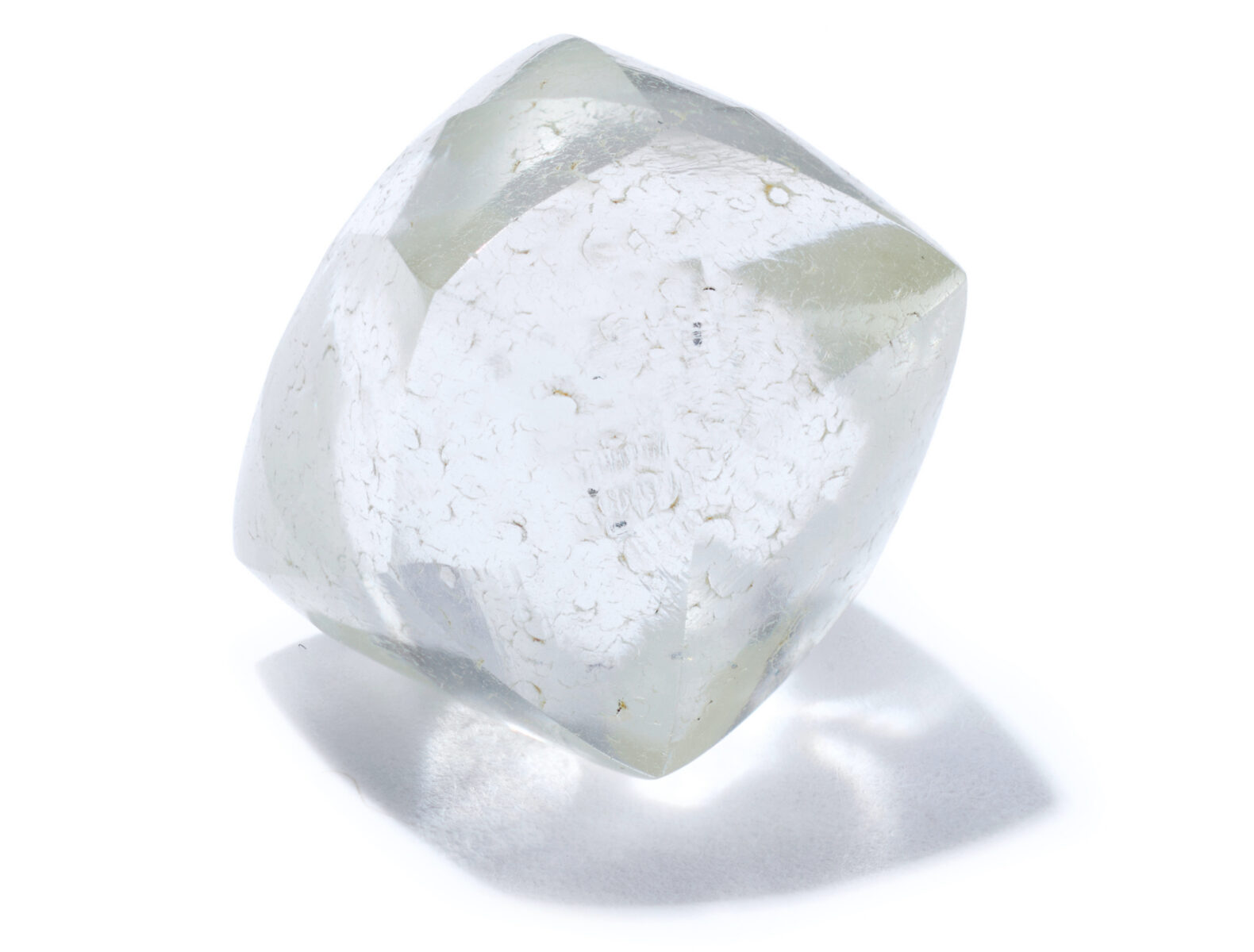
Today, that subterranean history has returned to its roots in spectacular fashion. The legendary 27.21-carat "Arkansas Diamond"—discovered by an eleven-year-old girl in Searcy exactly a century ago in 1926—has traveled home from the secure vaults of the Tiffany Archives in New York City. The historic gemstone now serves as the crown jewel of a major new exhibition at the Crystal Bridges Museum of American Art in Bentonville, Arkansas.
Titled Nature Adorned: The Artistry of Tiffany & Co. and the American Imagination, the exhibition runs through March 29, 2027. It weaves a multidisciplinary tapestry by placing rare minerals, historic gems, and legendary Tiffany & Co. creations in direct conversation with American paintings, sculptures, and works on paper from Crystal Bridges’ permanent collection. By pairing fine art with high jewelry, the exhibition explores how the organic world has inspired generations of creators, challenging viewers to rethink the porous boundaries between fine art, decorative craft, and the raw earth itself.
Detailed Chronology: From Volcanic Upheaval to Modern Museum Walls
The narrative arc spanning from Arkansas’s prehistoric depths to the sunlit galleries of Bentonville is a sweeping century-old tale of serendipity, industrial ambition, and institutional curation.
Prehistoric Genesis and the 1906 Discovery
The story begins deep within the earth’s crust approximately 100 million years ago, when a volcanic pipe—specifically the lamproite pipe underlying present-day Pike County—pushed diamond-bearing magma upward. For eons, these geological deposits lay undisturbed until an unsuspecting Arkansas farmer uncovered the state’s very first diamond in 1906. This initial find shattered the prevailing notion that North America lacked viable diamond deposits, instantly turning the region into an object of fascination for prospectors, mineralogists, and international jewelers alike.
The 1926 Centenary Find
Twenty years after that first discovery, lightning struck twice. In 1926, an eleven-year-old girl walking through Searcy, Arkansas, stumbled upon an extraordinary stone weighing an astonishing 27.21 carats. Uncut, raw, and possessing a captivating crystalline structure, it immediately established itself as one of the largest and most significant gem-quality diamonds ever unearthed in the United States. Recognizing its historic and aesthetic value, Tiffany & Co. swiftly acquired the stone. For the past hundred years, the so-called Arkansas Diamond has resided securely within the Tiffany Archives in New York City, serving as a quiet testament to American geological wealth.
The Return Home: Autumn 2026
Now, exactly one century after its discovery, the 27.21-carat colossus has made its triumphant physical return to Arkansas. Its arrival anchors Nature Adorned, joining forces with two other notable diamonds discovered within state lines to form the centerpiece of Crystal Bridges’ ambitious fall exhibition. By bringing these stones back to the state of their origin, museum leadership has orchestrated a rare cultural homecoming, bridging the gap between corporate archival preservation and regional pride.
Supporting Context & Metrics: The Intersection of Fine Art and High Craft
Nature Adorned is much more than a display of shiny rocks; it is a rigorous curatorial thesis investigating the cross-pollination of artistic mediums. The exhibition asks a fundamental question: How do artists translate the ephemeral beauty of the natural world into permanent materials?
Curating the Natural World
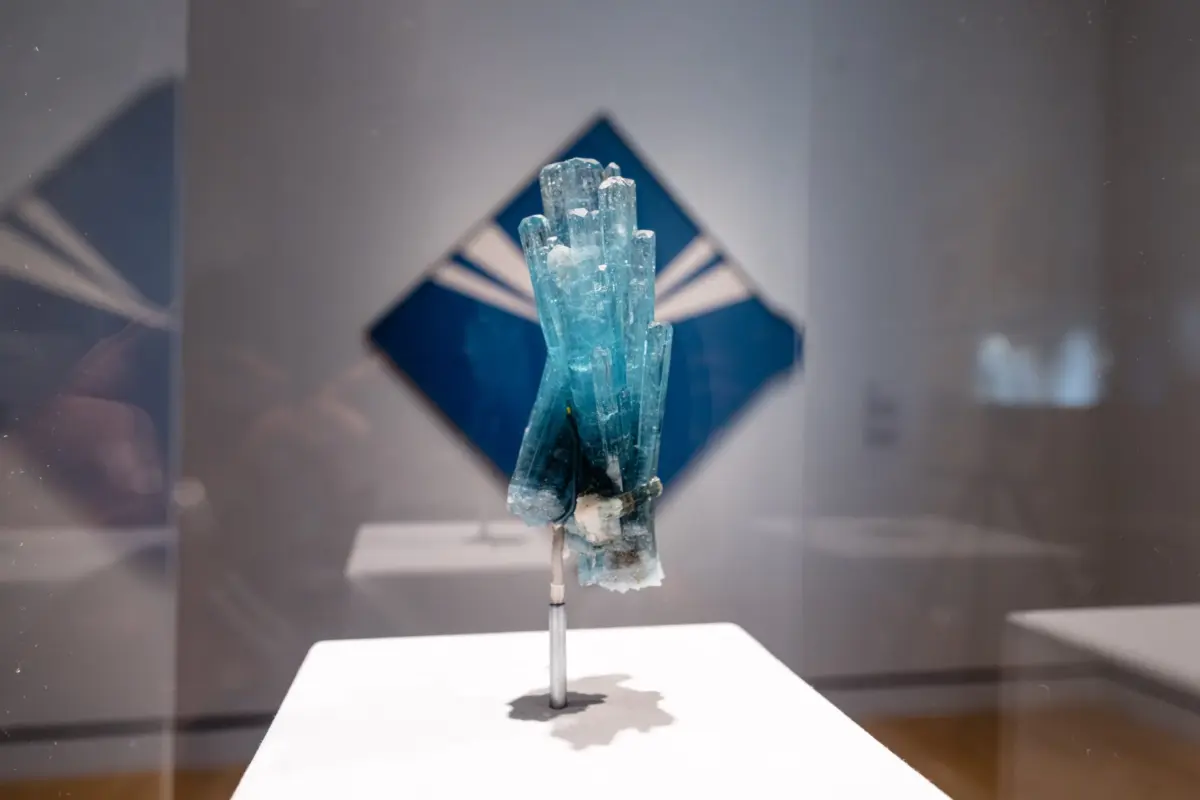
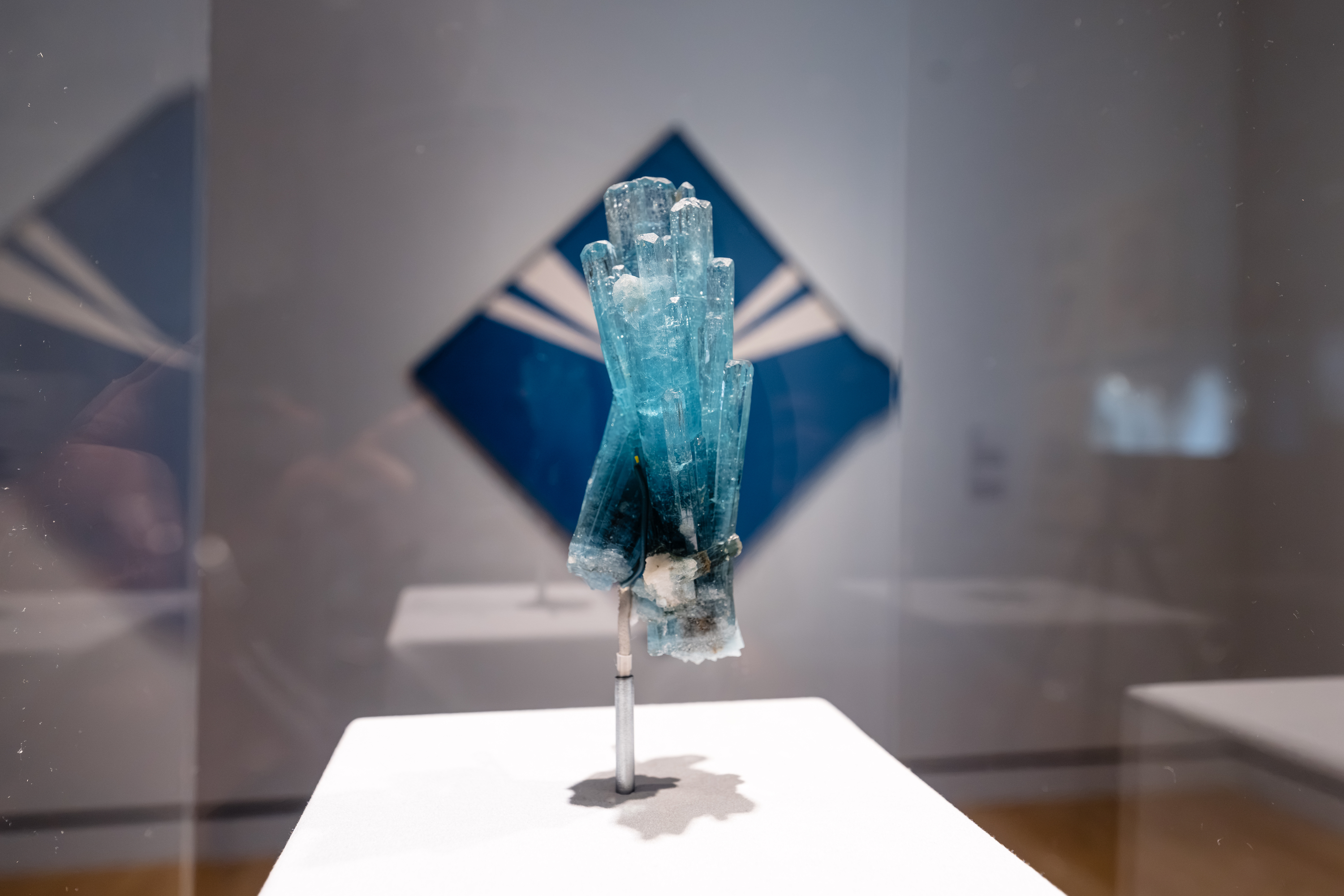
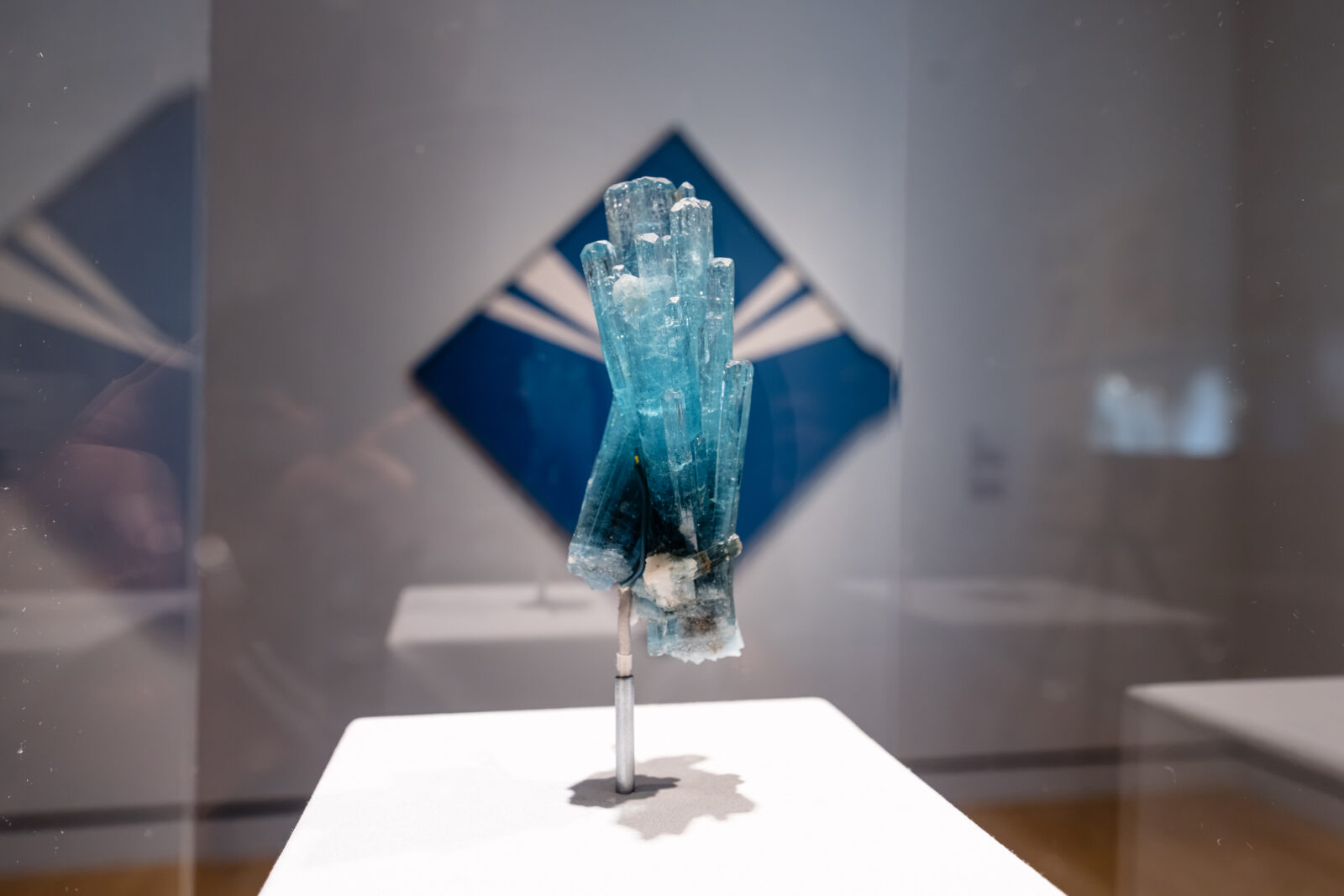
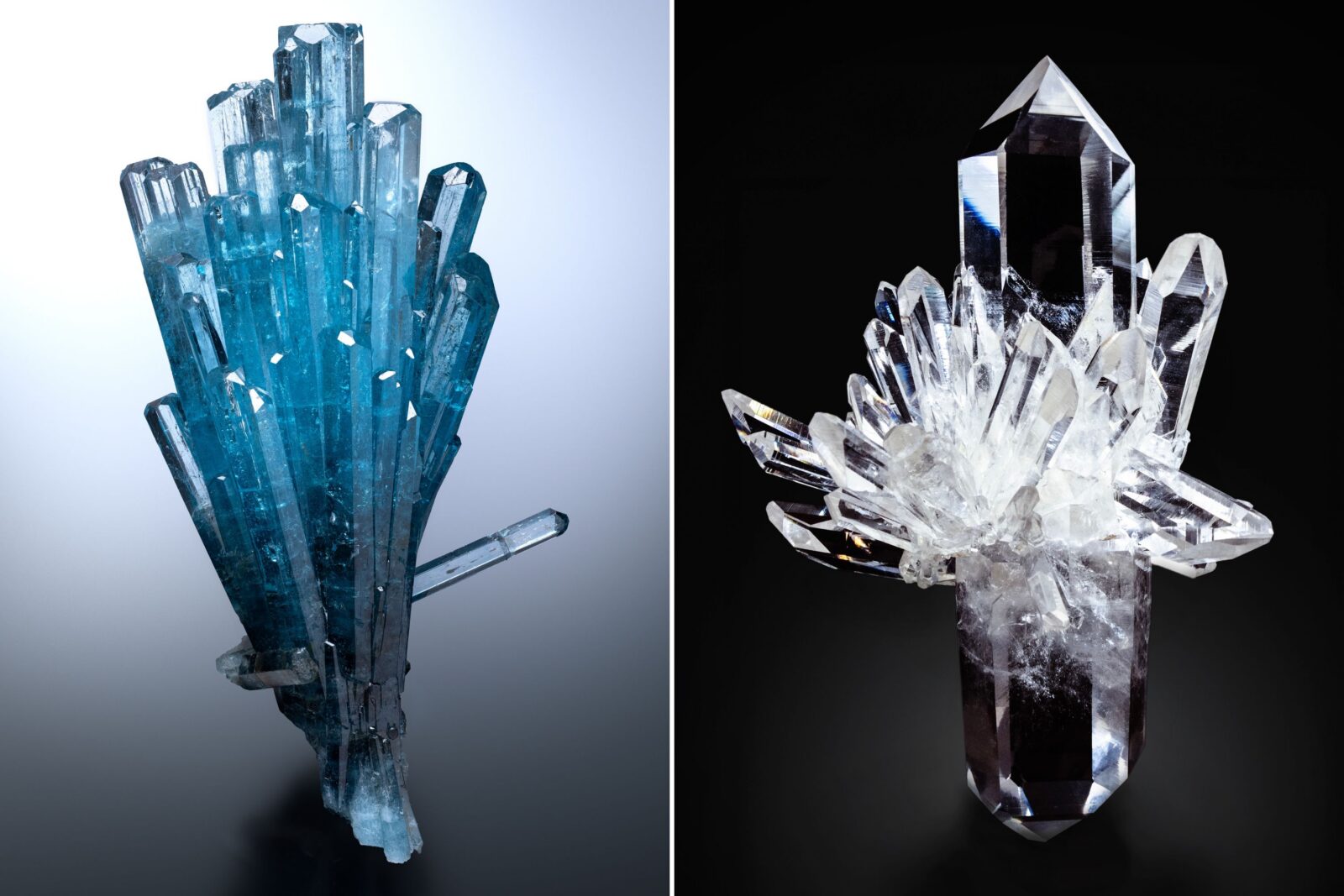
Exhibition curator Jen Padgett and her team have designed the gallery spaces to foster dialogues across disparate disciplines. Rather than grouping objects strictly by chronology or medium, the installation juxtaposes natural mineral specimens—such as deep-blue iron-infused beryl and towering, nearly four-inch-tall quartz crystals from Crystal Bridges’ permanent collection—directly alongside mid-century abstract masterpieces.
For example, the raw, geometric forms of these natural minerals and historic diamonds are displayed in direct visual conversation with Carmen Herrera’s striking 1965 abstract work, Cerulean. Herrera’s painting uses sharp spatial cuts to transform a familiar square canvas into a dynamic diamond shape, echoing the precise facets of the gemstones nearby.
Iconic Tiffany Works on Display
Visitors navigating the galleries will encounter an array of breathtaking historical objects drawn from the Tiffany & Co. archives and American art history:
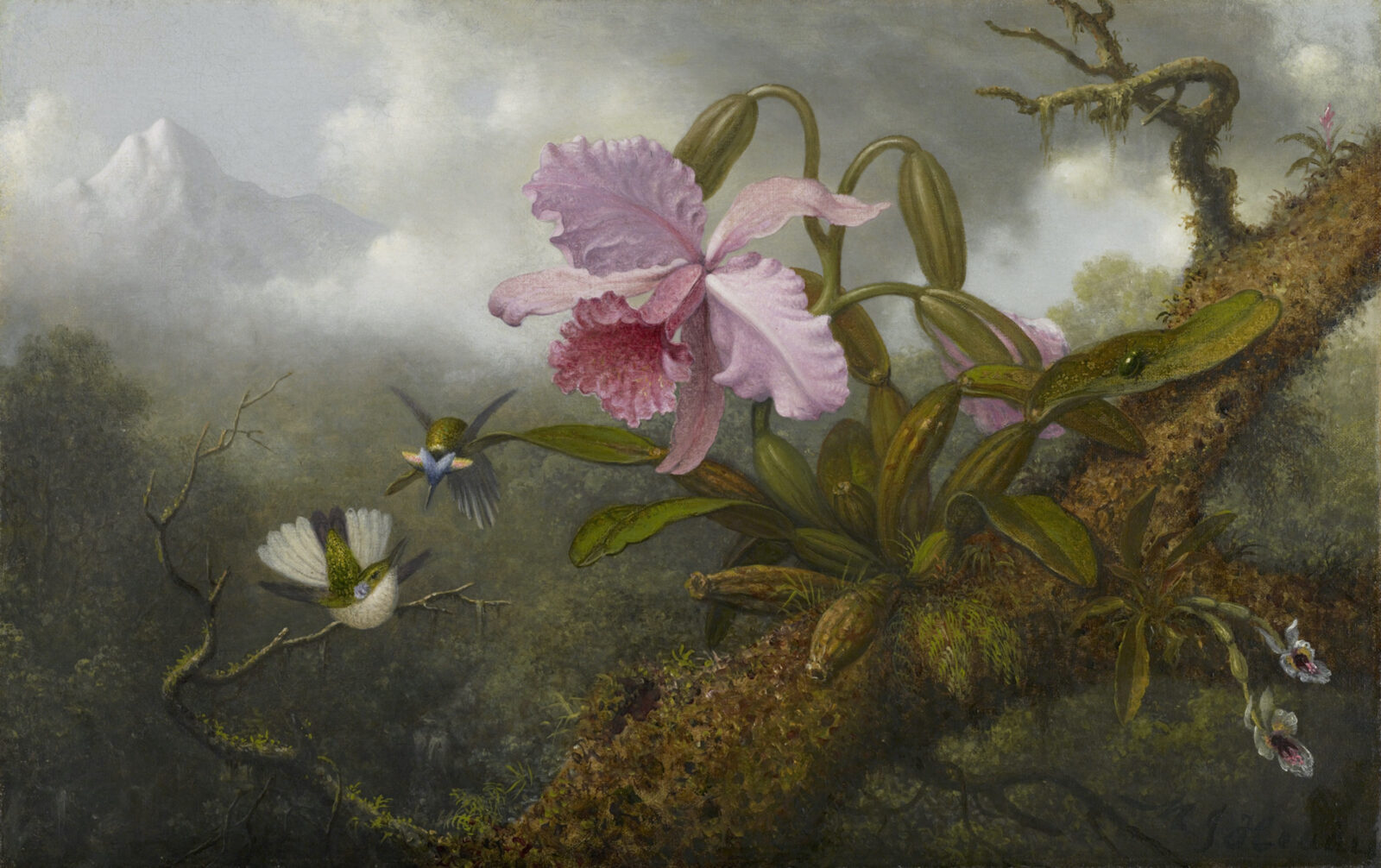
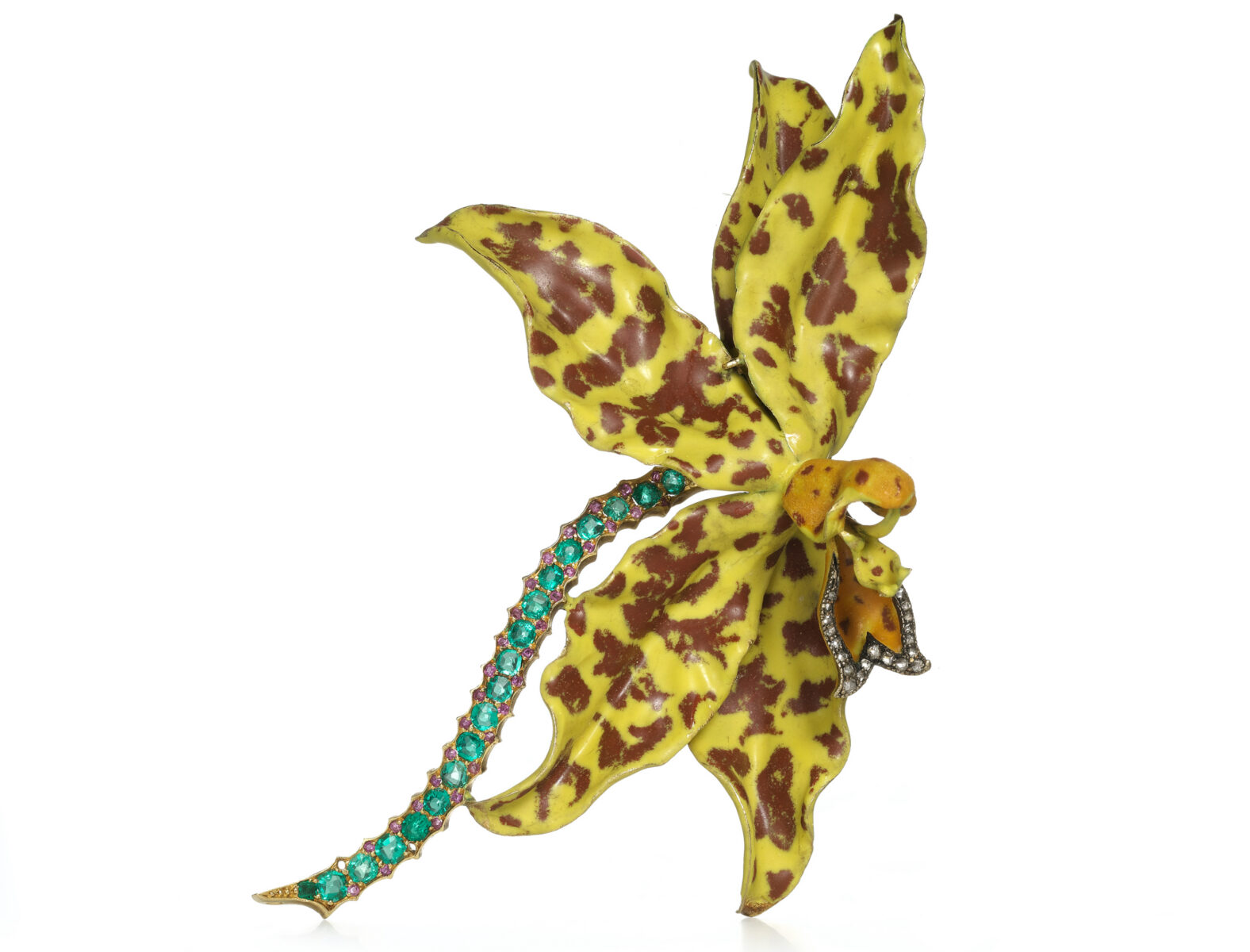
The Tiger Orchid Brooch: Designed in the late 1800s by George Paulding Farnham for Tiffany & Co., this masterwork utilizes sterling silver, diamonds, emeralds, pink sapphires, and enamel to capture the sultry, complex geometry of an orchid. Nearby, Martin Johnson Heade’s late-19th-century oil painting, Cattleya Orchid, Two Hummingbirds and a Beetle, provides a botanical baseline, demonstrating how naturalists and jewelers alike obsessed over the same tropical flora.
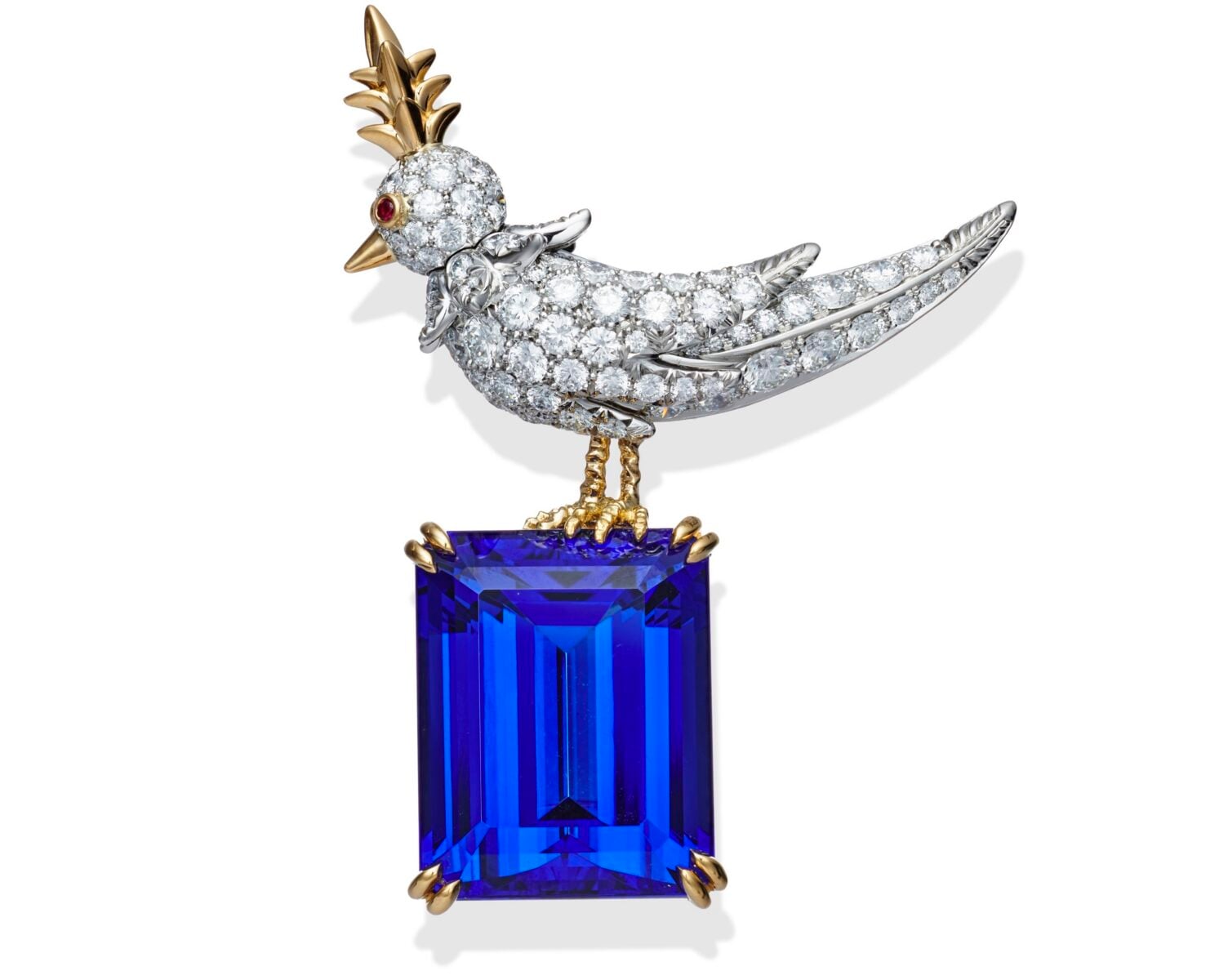
Bird on a Rock Brooch: A legendary creation by French designer Jean Schlumberger for Tiffany, this whimsical yet sophisticated piece features a bejeweled avian subject perched atop a massive colored gemstone. The exhibition pairs Schlumberger’s organic playfulness with Hope Gangloff’s contemporary figurative painting, Queen Jane Approximately, exploring how different eras interpret organic postures and human-nature interactions.
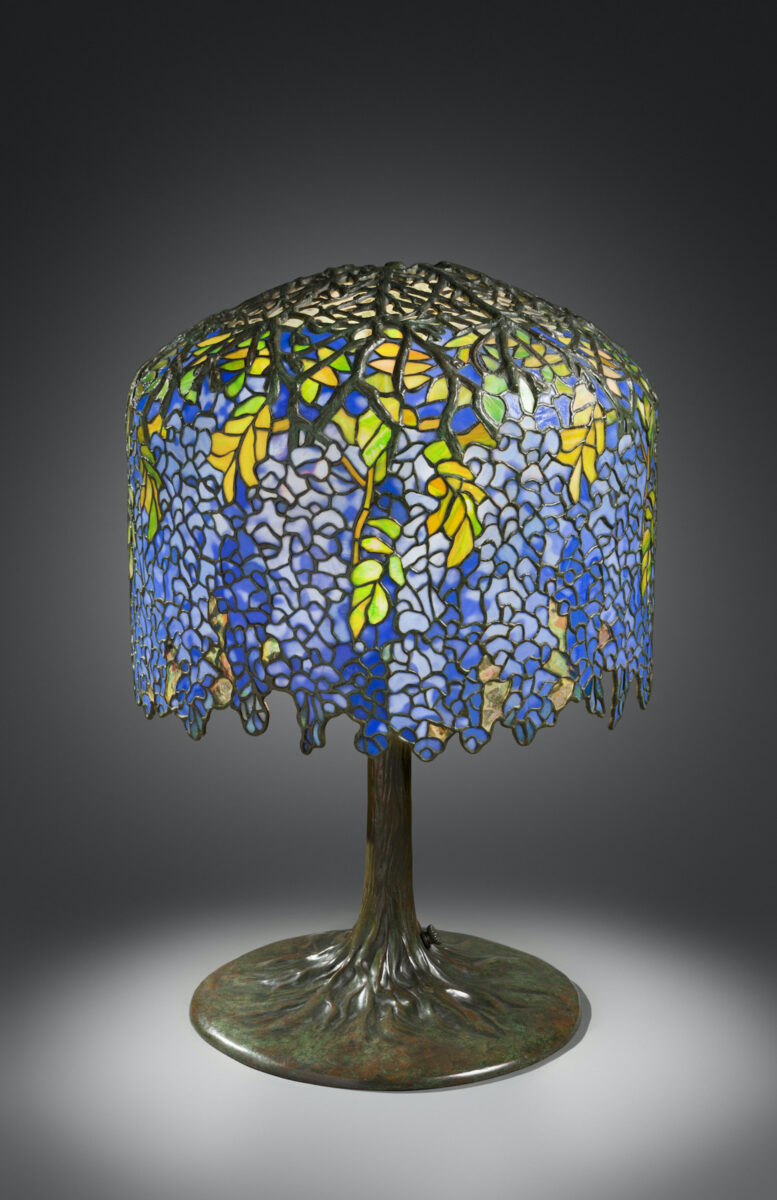
The Wisteria Table Lamp: Dating to circa 1905–1906, this iconic Art Nouveau masterpiece was designed by Clara Driscoll while she led the pioneering "Tiffany Girls" glass-cutting department at Tiffany Studios. Its cascading glass panels mimic the draping blooms of a wisteria tree, capturing ambient light in a manner that mirrors George Inness’s luminous 1867 landscape painting, Sunset on a River, also featured in the exhibition.
Official Statements and Curatorial Perspectives
The institutional weight of Nature Adorned lies in its ability to recontextualize both regional heritage and corporate design history.
"The pairings across the Tiffany Archives and Crystal Bridges help us to see both collections in a new light," explains Jen Padgett, curator of the exhibition. "Comparing how artists draw inspiration from nature—whether depicting an orchid in a painting or transforming its form into a brooch—allows us to appreciate their ingenuity and imagination."
Padgett emphasizes that the physical return of the state’s most famous gemstones serves a dual educational and cultural purpose:
"Having the diamonds here allows us to highlight Arkansas’s natural resources and bring attention to the state’s unique place in the story of American gems."
This sentiment is underscored by Arkansas’s singular status within the American landscape. Unlike commercial diamond operations dominated by industrial conglomerates in foreign nations, Arkansas remains the only place in the United States where amateur prospectors and everyday tourists can hunt for diamonds—and legally keep whatever they unearth. This unique democratic relationship with the earth is centered at Crater of Diamonds State Park in Murfreesboro, a public site that continues to yield remarkable stones to this day and serves as the provenance for the supplementary diamonds featured in the exhibition.
Future Outlook: Legacy and Exhibition Run
As cultural institutions increasingly seek interdisciplinary approaches to engage modern museum-goers, Nature Adorned: The Artistry of Tiffany & Co. and the American Imagination sets a high water mark for regional American museums. By synthesizing decorative arts, industrial archives, natural history, and canonical American painting, Crystal Bridges has created an accessible yet intellectually rigorous exploration of human creativity.
For scholars, gemologists, and art enthusiasts alike, the exhibition offers a rare window into the alchemy of design. More importantly, it provides a poignant reminder that beauty often begins in the most volatile of places—whether in the fiery, subterranean pressures of prehistoric Arkansas or the meticulous, imaginative studio work of a master craftsman on Fifth Avenue.
Nature Adorned will remain on view at the Crystal Bridges Museum of American Art in Bentonville, Arkansas, through March 29, 2027. Given the historical significance of the loans from the Tiffany Archives and the rare public display of the 27.21-carat Arkansas Diamond, the exhibition is expected to draw tens of thousands of visitors from across the globe before its conclusion next spring.




0 Comments