
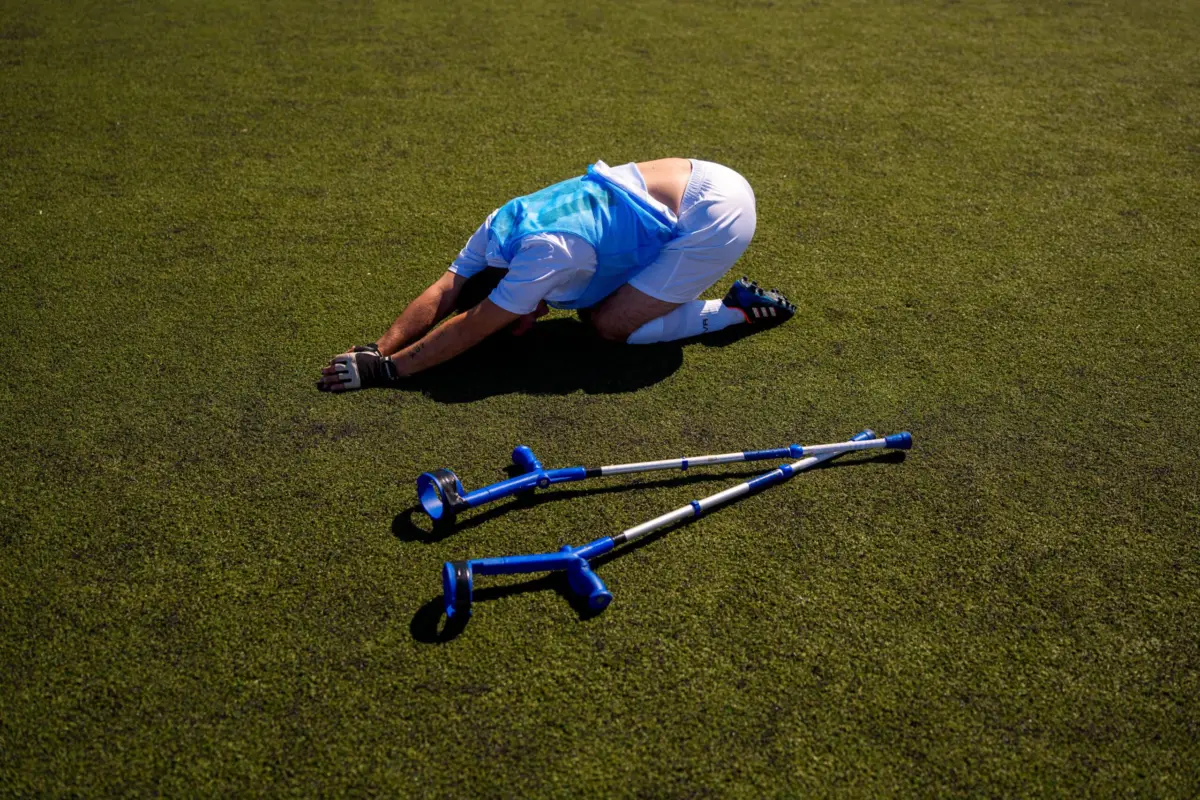

BUCHAREST — In the heart of Romania’s historic capital, the inaugural European Amputee Football Federation (EAFF) Conference League reached its emotional crescendo on Friday, Sept. 25, 2026. Culminating a fast-paced, high-intensity two-day tournament held on Sept. 24 and 25, Israel’s Maccabi Haifa FC captured the championship title following a commanding 4-0 victory over Scotland’s Ayr United.
More than just a showcase of athletic achievement, the tournament marked a watershed moment for adaptive sports across Europe. Designed specifically to bridge the developmental gap for nations and clubs lacking established domestic amputee football frameworks, the Bucharest competition delivered a profound message of resilience, rehabilitation, and international unity.
Executive Overview
The launch of the EAFF Conference League represents a pivotal evolution in the landscape of European adaptive athletics. Modelled after traditional, elite European club competitions for able-bodied athletes, this newly minted tournament provides a vital stepping stone for clubs operating outside established domestic ecosystems.
Over the course of the two-day event in Bucharest, four pioneering clubs stepped onto the international pitch:
- Maccabi Haifa FC (Israel)
- Ayr United (Scotland)
- FCSB (Romania)
- Panathinaikos AC PwD (Greece)
For players, coaches, and organizers alike, the tournament was much more than a quest for silverware. It served as a powerful testament to the healing and transformative power of team sports. Among the tournament’s most poignant narratives was the journey of Maccabi Haifa’s Ben Binyamin, whose personal triumph mirrored that of his club. Having suffered severe trauma during the October 7, 2023, Hamas attack on the Tribe of Nova music festival—an ordeal resulting in the amputation of his right leg—Binyamin found himself facing a daunting physical and psychological rehabilitation. Standing proudly with the championship trophy in Bucharest, he embodied the defiant spirit of an athlete who refused to let tragedy define the boundaries of his potential.
Detailed Chronology: The Road to the Bucharest Finals
Day One: Opening Matches and Tactical Prelude
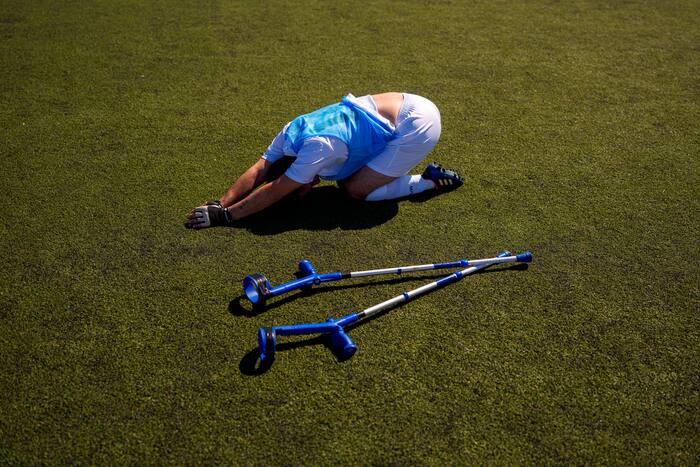
The atmosphere at the Bucharest venue on Thursday, Sept. 24, 2026, crackled with anticipation as teams took to the field for the opening fixtures of the tournament. The event kicked off with rigorous training sessions and warm-ups, showcasing the intense physical conditioning required for elite amputee soccer.
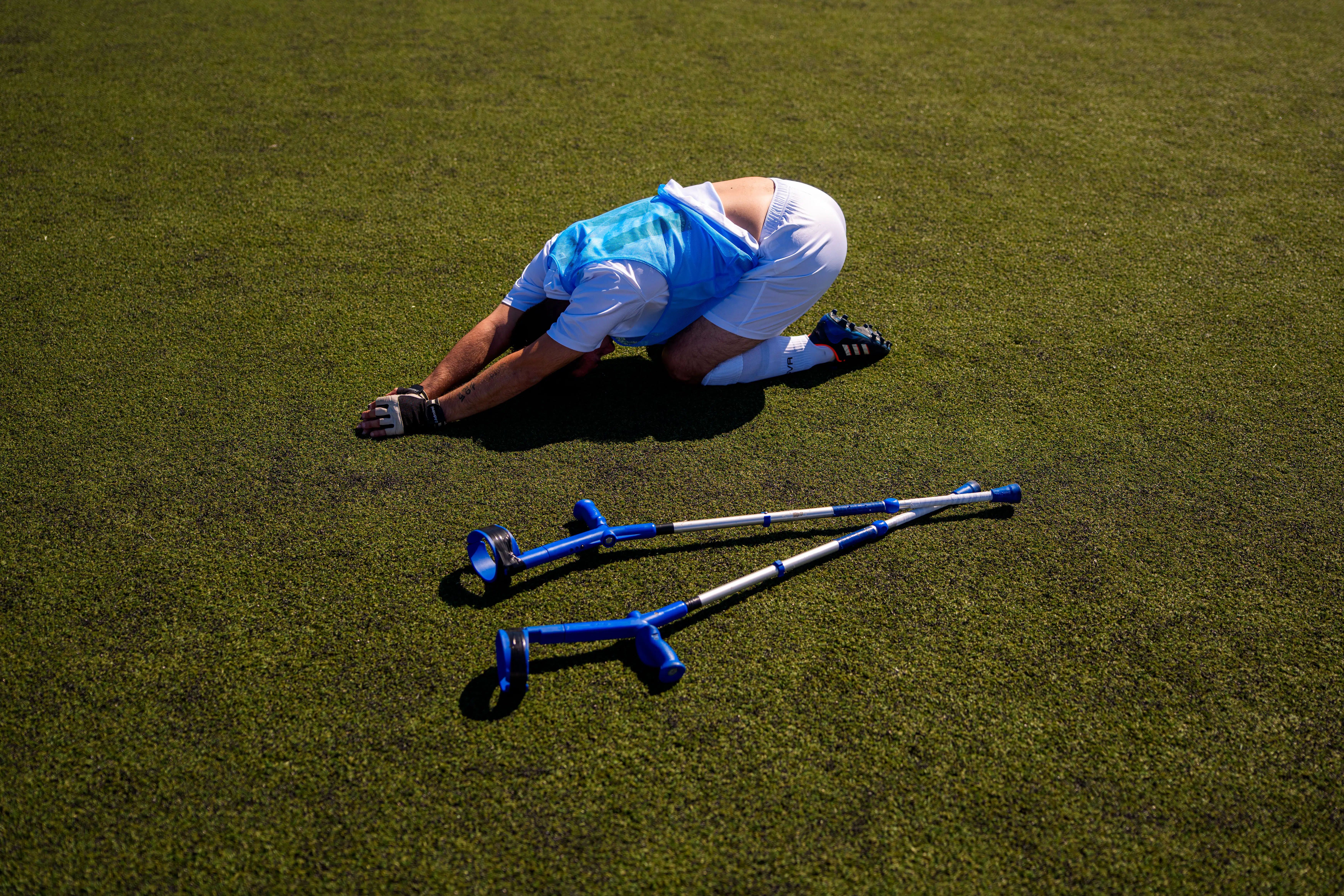
In the opening fixtures, players like Vasileios Gogolos of Greece’s Panathinaikos demonstrated the meticulous flexibility and core strength necessary to navigate the dynamic 7-a-side format. From the opening whistle, the standard of play dispelled any preconceptions about adaptive sports, exhibiting rapid transitions, precise passing combinations, and tenacious defensive blocks.
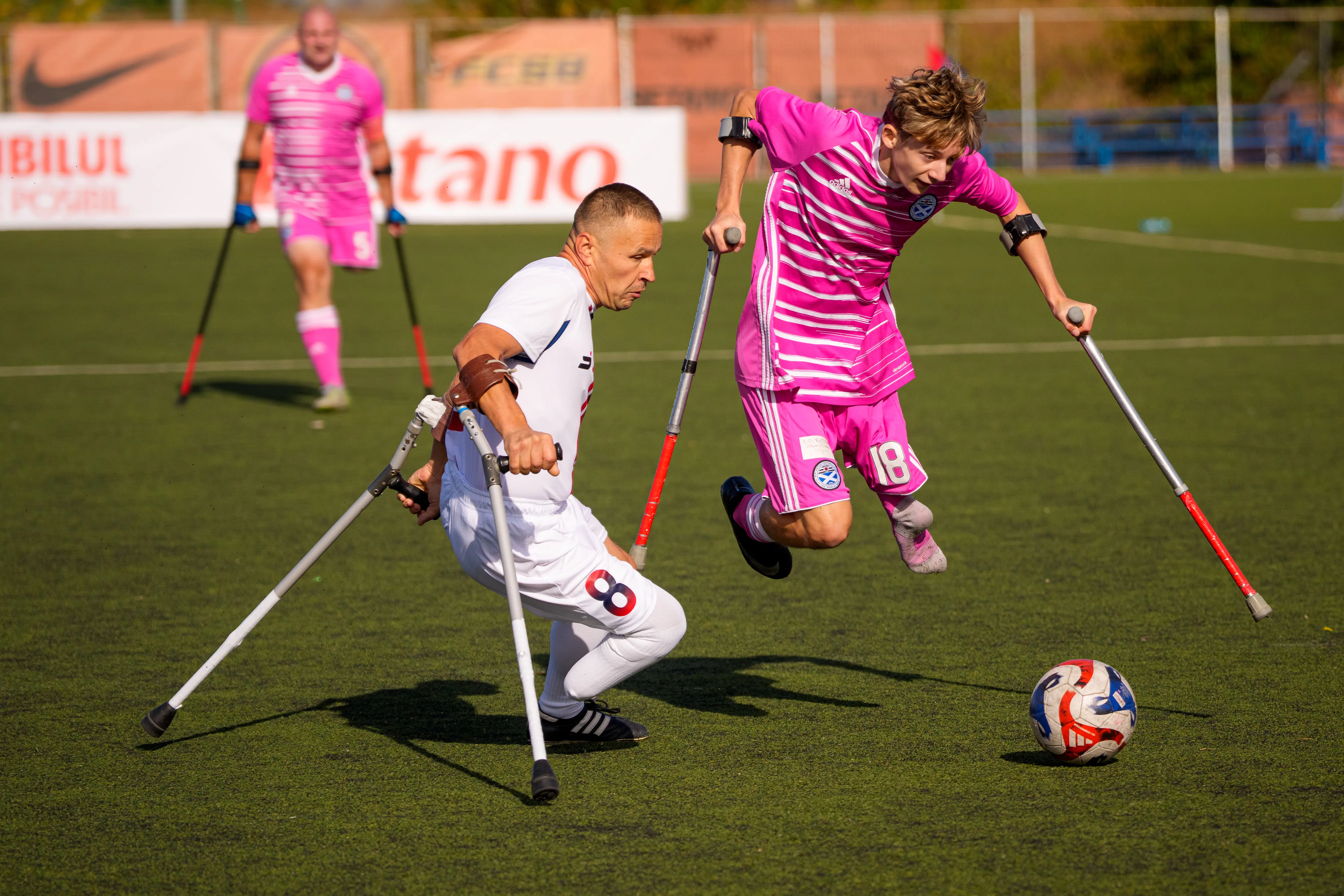
Maccabi Haifa established their defensive dominance early in the tournament, signaling their intent to control the tempo of the competition. Meanwhile, hosts FCSB and Scotland’s Ayr United engaged in fiercely contested physical duels, testing the tactical adaptability of managers and players alike on a compact 60-meter by 40-meter pitch.
Day Two: The Championship Climax and Medal Ceremony
Friday, Sept. 25, brought the tournament to its dramatic conclusion. The final fixture pitted the defensive powerhouse Maccabi Haifa against a resilient Ayr United squad that had fought valiantly throughout the group stage.
Maccabi Haifa executed their game plan with clinical precision, capitalizing on swift counter-attacks and disciplined defensive shape. By the final whistle, a decisive 4-0 scoreline sealed their status as the first-ever champions of the EAFF Conference League. Notably, the Israeli side completed the entire tournament without conceding a single goal—a defensive feat that underscored their tactical discipline and collective focus.
Following the match, the medal and trophy ceremony served as an emotional high point of the event. Ben Binyamin hoisted the championship trophy to the cheers of teammates and tournament officials, cementing a fairytale ending for a club that has leveraged football as an instrument of national pride and personal recovery.
Supporting Context & Metrics: The Anatomy of Amputee Soccer
To fully appreciate the magnitude of the EAFF Conference League, one must understand the unique rules, physiological demands, and organizational structures that govern amputee football.
Field Dimensions and Gameplay Mechanics
- Format: 7-versus-7 (six outfield players and a goalkeeper).
- Pitch Size: 60 meters in length by 40 meters in width.
- Player Classifications:
- Outfield Players: Must have a lower-limb amputation or limb deficiency. They play utilizing specialized forearm crutches and must avoid intentionally contacting the ball with their crutches.
- Goalkeepers: Must have an upper-limb amputation or limb deficiency, playing with both legs intact but missing one hand or arm.
- Duration: Matches are typically structured in two halves of 25 minutes, demanding exceptional cardiovascular endurance and upper-body strength due to the constant reliance on crutches for propulsion, tackling, and shooting.
Institutional Framework and Growth
The European Amputee Football Federation (EAFF), established in 2015, operates under the broader umbrella of adaptive sports governance. While the World Amputee Football Federation (WAFF) was founded earlier in 2002—overseeing quadrennial global World Cups—the EAFF has focused intensely on regional development.
The introduction of the Conference League addresses a critical gap: while major footballing nations boast robust domestic leagues, smaller or developing federations often struggle to maintain consistent competition structures. By instituting a tier of European competition specifically for these clubs, the EAFF ensures that players from non-traditional markets receive exposure to high-level, international tournament environments.
The EAFF’s competitive pyramid now features a diverse array of initiatives, including:

- The Nations League
- The Champions League
- The Europa League
- The newly minted Conference League
- Specialized Women’s and Junior Development Camps
Official Statements and Perspectives
The human element of sport was front and center throughout the Bucharest tournament, with players and managers reflecting on the profound impact of international competition.
Ben Binyamin, whose journey from the tragic events of the Tribe of Nova festival to the summit of European amputee football captivated observers worldwide, spoke candidly about the therapeutic role of the sport:
"I am very happy that we won this tournament, we won without conceding a single goal. Football itself for us is our physiotherapy, our life, and our second family. It helps us in life. It gives us strength. We are very satisfied, very happy to bring pride to the country."
For Binyamin and many of his teammates, the pitch is not merely a place of recreation; it is a sanctuary of rehabilitation. The camaraderie forged in training camps and international fixtures provides an indispensable support network for individuals processing life-altering trauma.
On the opposing side of the final pitch, Ayr United manager Iain Matthew offered an insightful and pragmatic assessment of his team’s performance, emphasizing the developmental value of the experience for Scottish amputee football:
"The competition is great for smaller nations to get European football experience. I think we could have played better, we could have defended better, but you’ve got to praise your players for what they’ve done over the week."
Matthew’s remarks encapsulate the core mission of the Conference League: providing developmental milestones for nascent programs, allowing them to benchmark their progress against seasoned continental opponents and return home with elevated tactical awareness.
Future Outlook: Sustaining Momentum in Adaptive Sports
As the dust settles on Bucharest, the broader athletic community faces the challenge of sustaining and expanding the momentum generated by the inaugural EAFF Conference League.
Expanding Infrastructure and Participation
The success of clubs like Maccabi Haifa, FCSB, Ayr United, and Panathinaikos demonstrates that the appetite for competitive amputee football is robust and expanding. However, structural challenges remain. Establishing domestic leagues in countries where the sport is still in its infancy requires sustained financial investment, grassroots recruitment, and partnerships with national football associations.
Organizations like the EAFF are actively lobbying for greater integration of adaptive sports within mainstream football governance structures. By aligning with traditional powerhouse clubs—many of which are beginning to sponsor or house official amputee sections—the sport gains crucial institutional backing, media visibility, and access to training facilities.

The Horizon: Towards Global Inclusivity
The long-term vision for amputee football extends far beyond regional tournaments. With international governing bodies continually refining classifications, expanding women’s divisions, and increasing youth outreach, the sport is positioning itself as a cornerstone of modern inclusive athletics.
Events like the Bucharest Conference League serve as beacons of possibility. They prove that athletic excellence is defined not by physical completeness, but by discipline, tactical ingenuity, and unbreakable human resolve. As the EAFF looks ahead to future iterations of the tournament, the legacy of Bucharest 2026 will undoubtedly inspire a new generation of athletes to take up the crutches, step onto the pitch, and redefine the boundaries of what is possible.

0 Comments