

Executive Overview
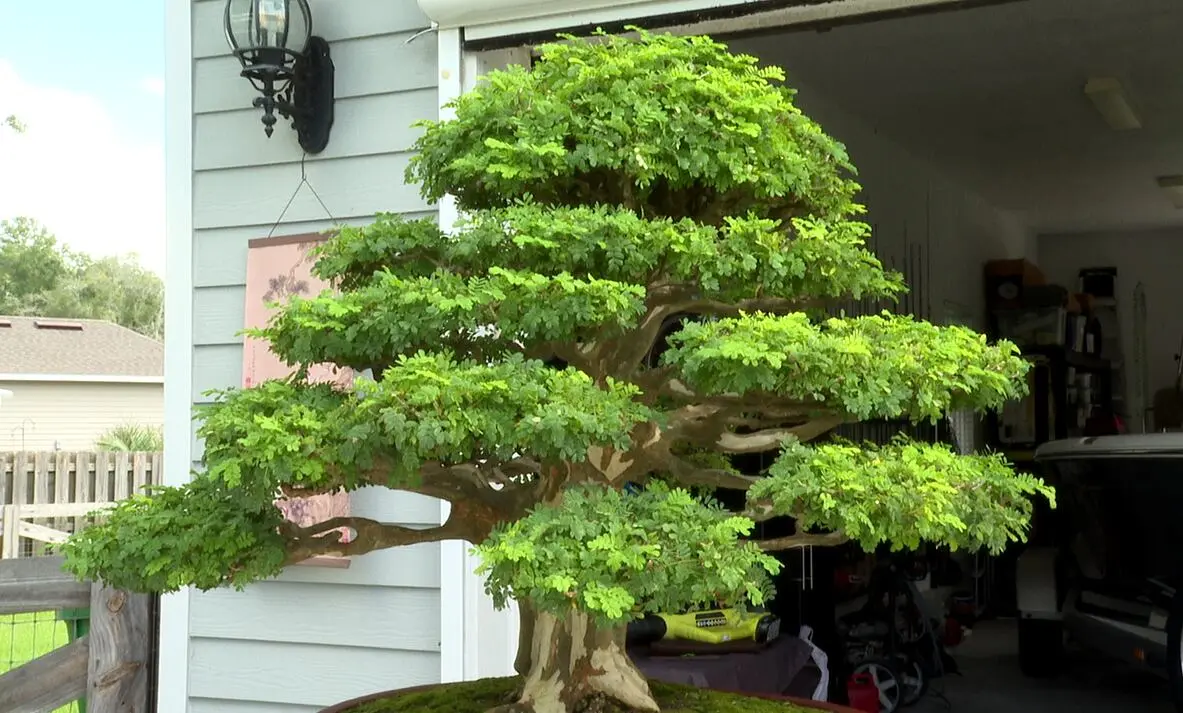
In the quiet, sun-drenched landscapes of High Springs, Florida, a master of an ancient and meticulous horticultural craft has achieved national acclaim. John Grumbar, a dedicated local botanical artisan, captured the prestigious "Best in Show" award at the United States National Tropical Bonsai Exhibition. Standing out among an elite field of roughly one hundred premier contestants from across the nation, Grumbar’s crowning achievement was a magnificent, thirty-year-old Brazilian rain tree affectionately named "Princess."
This sweeping victory not only earned him the top overall honor but also secured the "Best in Class for Large Bonsai" title, cementing his status as a visionary in modern American arboriculture. Grumbar’s triumph transcends a mere aesthetic victory; it is a testament to the resilience of tropical horticulture in the challenging climate of the American Southeast. By mastering the delicate balance between intense subtropical sunlight, humidity, and protective shade management, Grumbar has proven that world-class bonsai cultivation is thriving in Alachua County.
For local residents and botanical enthusiasts alike, this milestone puts North-Central Florida on the map as a growing epicenter for fine horticultural arts. Beyond the competition floor, Grumbar remains deeply rooted in his community, offering everyday plant lovers and collectors the rare opportunity to view his living sculptures in person at the Alachua County Farmers Market. This in-depth report explores the meticulous journey behind "Princess," the technical nuances of growing exotic tropical bonsai in Florida, and the broader cultural impact of Grumbar’s national championship.
Detailed Chronology
Decades in the Making: The 30-Year Evolution of "Princess"
The journey to the national winner’s podium did not happen overnight; it was the culmination of three decades of unwavering patience, discipline, and artistic vision. A thirty-year commitment to a single tree requires a profound psychological and physical investment. When John Grumbar first acquired the Brazilian rain tree (Pithecellobium tortum), it was vastly different from the majestic specimen that captivated the judges at the national exhibition.
Over the course of thirty years, "Princess" underwent countless cycles of pruning, wiring, repotting, and structural refinement. In the world of bonsai, thirty years represents a significant portion of a master’s working life. During this extensive timeline, Grumbar guided the tree’s canopy development, coaxed its characteristic fine-textured foliage into lush pads, and nurtured its trunk to display the rugged, mature character that distinguishes a masterwork from a mere houseplant. Every bend in the branch, every taper of the trunk, and every surface root (nebari) reflects years of intentional manipulation and deep botanical intuition.
The Road to the National Exhibition
Preparing a specimen for a competition of the caliber of the United States National Tropical Bonsai Exhibition is a high-stakes, nerve-wracking endeavor. Months before the event, growers must assess their trees for peak seasonal health, foliage density, container harmony, and overall structural perfection. For Grumbar, the preparation of "Princess" involved fine-tuning the soil moisture regimes, cleaning the bark, and delicately pruning stray shoots to ensure the silhouette was immaculate.
Transporting a thirty-year-old tropical tree of significant size to the exhibition venue requires meticulous care to prevent branch breakage, soil disruption, and environmental shock. Once on-site, the curation of the display—including the selection of matching accent plants and display tables—plays a critical role in how the jury perceives the entry. When the judging panel evaluated the field of one hundred exceptional entries, "Princess" stood apart. The judges recognized not only the technical execution of the styling but also the profound vitality and health of a tropical tree cultivated far outside its native South American habitat. Securing both "Best in Class for Large Bonsai" and the ultimate "Best in Show" award was the historic climax of this rigorous, decades-long timeline.
Supporting Context & Metrics
The Art and Science of Tropical Bonsai in Florida
While traditional bonsai originated in East Asia using temperate species like pines, junipers, and maples, the American bonsai movement has increasingly embraced tropical and subtropical species. This evolution is particularly relevant in peninsular Florida, where high humidity and warm temperatures create an environment that can either support or destroy delicate potted trees, depending on the grower’s expertise.
Brazilian rain trees are native to the coastal rainforests of Brazil. They are celebrated in the bonsai community for their fern-like, bipinnate leaves that naturally close at night, their smooth, grayish bark that ages gracefully, and their capacity to develop dramatic nebari. However, cultivating them in Florida introduces unique environmental variables.
Key Environmental Metrics & Management Strategies
- Temperature Extremes: Summer ambient temperatures in Alachua County frequently exceed 90°F (32°C), creating severe heat stress conditions for containerized plants whose root systems are restricted within shallow ceramic pots.
- Solar Radiation: The intensity of the Florida sun can scorch delicate foliage and rapidly evaporate soil moisture, necessitating strategic shade management.
- Humidity Dynamics: While high relative humidity benefits tropical foliage, stagnant air combined with excessive moisture can invite fungal pathogens, requiring rigorous preventative care and excellent airflow design.
To mitigate these challenges, Grumbar implements precise microclimate controls. Rather than leaving his collection exposed to the relentless glare of the midday and afternoon sun, he utilizes specialized shade cloth structures. This pragmatic yet scientifically grounded approach shields the canopy from solar degradation while still allowing optimal light penetration for photosynthesis during the gentler morning hours.
Official Statements and Horticultural Insights
The victory at the national exhibition has brought well-deserved attention to Grumbar’s methodology. In interviews following the event, the award-winning artisan offered profound insights into the parallels between human endurance and plant physiology under environmental stress.
"I just put up a shade cloth to help protect them from that afternoon sun, summer sun that’s very intense," Grumbar explained, detailing his day-to-day horticultural management. "Because trees do also go through heat stress just like people, but people have the ability to go inside and get in air conditioning and cool off. Plants, you have to protect them from the heat stress."
This philosophy underscores the core ethos of professional bonsai cultivation: an empathetic, responsive relationship between the caretaker and the living sculpture. Grumbar does not merely grow trees; he safeguards their biological well-being against an unforgiving climate. By recognizing that plants experience physiological strain analogous to human discomfort, he adopts a proactive stance on shade mitigation, hydration timing, and root-zone thermal regulation.
Horticultural experts note that this level of nuanced observation is precisely what separates casual hobbyists from national champions. The ability to read subtle signs of heat stress—such as leaf curl, premature dropping, or slowed cambium growth—allows Grumbar to adjust his management protocols before irreversible damage occurs. The judges at the national exhibition clearly saw the results of this attentive stewardship in the vibrant health, flawless structure, and undeniable vigor of "Princess."
Future Outlook
Expanding the Horizons of Florida Bonsai
As John Grumbar returns to High Springs with his Best in Show trophy, the local and national bonsai communities are left to ponder the future trajectory of his work. Winning a national title is often a watershed moment for an artist, opening doors to advanced teaching engagements, guest curation roles at major botanical institutions, and deeper collaborations with master growers across the United States and abroad.
For the regional scene in Alachua County, Grumbar’s success serves as a powerful catalyst for public interest in arboriculture. The misconception that world-class bonsai can only be successfully maintained in temperate climates or specialized conservatory environments has been decisively dismantled. Through pragmatic innovations like shade-cloth integration and expert microclimate adaptation, growers in the American Southeast are increasingly proving capable of producing internationally competitive botanical art.
Where to Experience the Art Firsthand
For those inspired by Grumbar’s national triumph, experiencing these living masterpieces is remarkably accessible. Rather than locking his award-winning collection away in a private, climate-controlled sanctuary, Grumbar maintains a strong connection to his local community.
Botanical enthusiasts, art lovers, and aspiring horticulturists can view his extraordinary collection in person at the Alachua County Farmers Market. This weekly gathering provides a rare, hands-on educational opportunity for the public to interact with a national champion, observe the intricate detailing of tropical bonsai up close, and discuss cultivation techniques directly with a master of the craft. As Grumbar looks toward the future—perhaps styling the next generation of tropical contenders—his work at the farmers market ensures that the timeless, patient art of bonsai remains accessible, grounded, and deeply rooted in the heart of Florida.

0 Comments