

TALLAHASSEE, Fla. — In the quiet moments of modern marriage, the erosion of a lifelong bond rarely begins with a catastrophic betrayal. More often, it starts with a whisper of dissatisfaction, a recurring complaint, or a sharp, continuous stream of everyday criticisms. Relationship researchers and family counselors have long warned that chronic fault-finding acts much like a slow-dripping acid, steadily eating away at the bedrock of trust, intimacy, and emotional safety that couples spend decades building.
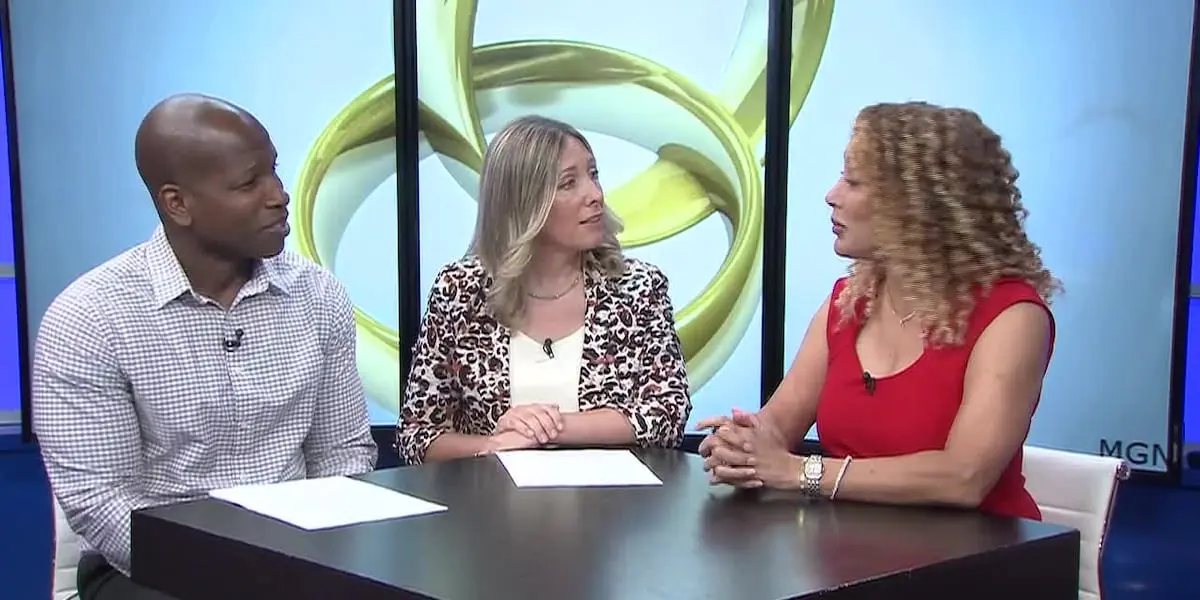
To explore this silent relational crisis, a recent installment of the WCTV public affairs program State of the Union turned its focus to the mechanics of marital communication. Anchor Ava Van Valen sat down with certified marriage coaches Tank and Sarah Ackerman to unpack why couples fall into the trap of constant critique, how these negative patterns manifest behind closed doors, and, most importantly, what actionable steps partners can take to transform destructive habits into a foundation of healthy, positive communication.
This comprehensive report examines the psychological toll of marital criticism, contextualizes the broader landscape of relationship health in America, explores expert insights from the Ackermans, and outlines a future outlook for couples seeking to fortify their unions against modern stressors.
Executive Overview
The societal pressures weighing on contemporary marriages have never been more complex. Financial strain, work-life imbalance, digital distractions, and the lingering social shifts following global disruptions have left many households stretched thin. Under these high-pressure conditions, patience wears thin, and partners frequently turn to what psychologists term "relational shorthand"—using criticism, sarcasm, and micro-corrections to express frustration.
However, relationship dynamics research consistently demonstrates that unchecked criticism is one of the most reliable predictors of marital dissolution. Unlike a direct expression of a need or an emotion, criticism attacks a partner’s character, signaling that something is fundamentally wrong with them as a person.
Key takeaways from the recent State of the Union discussion include:
- The Acid Metaphor: Constant criticism does not merely create temporary arguments; it systematically corrodes the emotional safety nets required for vulnerability and intimacy.
- The Shift from Critique to Connection: Healthy communication requires moving away from fault-finding and toward vulnerable, need-based expressions that invite partnership rather than defensiveness.
- The Role of Professional Guidance: Certified marriage coaches Tank and Sarah Ackerman emphasize that communication patterns are learned behaviors that can be unlearned and replaced with intentional, constructive habits through structured guidance.
Detailed Chronology: The Anatomy of Marital Breakdown and Renewal
To understand how marriages shift from affection to alienation, relationship experts trace a distinct chronological progression of behavioral patterns. Similarly, the pathway toward healing requires a deliberate, sequential approach to rebuilding trust.
Phase 1: The Honeymoon and Early Adaptation
In the initial stages of a relationship, positive perception tends to dominate. Partners typically offer maximum benefit of the doubt, overlooking minor annoyances and assuming positive intent. During this phase, emotional safety is high, and differences are viewed as charming quirks rather than irreconcilable flaws.
Phase 2: The Accumulation of Unmet Expectations
As years pass, the realities of daily life set in. Responsibilities multiply, personal stressors accumulate, and expectations regarding domestic labor, financial management, and emotional support frequently clash. When partners fail to communicate these growing frustrations directly and constructively, resentment begins to take root beneath the surface.
Phase 3: The Onset of Chronic Critique
This is the critical tipping point where casual observations devolve into persistent criticism. Instead of saying, "I felt overwhelmed when the dishes were left undone," a partner might resort to character attacks: "You never help out; you’re completely inconsiderate." According to marital researchers, this transition from addressing a specific behavior to attacking a partner’s character marks the beginning of the erosion of emotional safety.
Phase 4: The Defensive Spiral
As criticism becomes normalized, the receiving partner inevitably responds with defensiveness, stonewalling, or counter-attacks. Communication breaks down into a predictable cycle of accusation and retreat. Intimacy dwindles, and home ceases to be a sanctuary, transforming instead into an arena of constant evaluation.
Phase 5: Intervention and Behavioral Realignment
This is where expert intervention becomes vital. As discussed by Tank and Sarah Ackerman on State of the Union, couples must intentionally disrupt this cycle. The recovery process involves:
- Awareness: Catching critical remarks in real-time before they leave the lips.
- Deconstruction: Identifying the underlying unmet need behind the frustration.
- Reconstruction: Relearning how to express desires without assigning blame.
Supporting Context & Metrics: The Science of Marital Communication
To fully grasp why the Ackermans’ coaching methods are so urgently needed, one must look at the empirical data surrounding marital satisfaction, communication styles, and the physiological impacts of chronic relational stress.
The Gottman Institute Research
For decades, longitudinal studies conducted by renowned relationship researchers—most notably Dr. John Gottman—have mapped out the exact behaviors that predict whether a marriage will thrive or fail. Gottman famously identified what he termed the "Four Horsemen of the Apocalypse" in marriage: Criticism, Contempt, Defensiveness, and Stonewalling.
Among these, criticism is typically the first to manifest. While a complaint focuses on a specific action, criticism is broader, global, and often includes words like "always" or "never."
- Statistical Impact: Longitudinal data indicates that couples who engage in persistent, unmitigated criticism during conflict discussions face a significantly higher probability of separation within the first seven years of marriage if the pattern goes uncorrected.
- The Contempt Transition: When criticism is left unaddressed for too long, it frequently mutates into contempt—treating a partner with disrespect, mocking them with sarcasm, or rolling one’s eyes. Contempt is single-handedly cited by researchers as the number one predictor of divorce.
The Physiological Toll of Emotional Safety Loss
The phrase "slow-dripping acid" used to describe marital criticism is not merely poetic; it has physiological backing. Chronic emotional stress caused by a hostile or overly critical home environment triggers the body’s sympathetic nervous system, keeping individuals in a prolonged state of "fight or flight."
- Health Outcomes: Studies published in behavioral medicine journals indicate that individuals in distressed, highly critical marriages exhibit elevated cortisol levels, compromised immune function, and a statistically higher risk of cardiovascular complications over time.
- Emotional Burnout: Emotional safety acts as a psychological buffer against external stressors. When that safety is compromised by an intimate partner, the individual loses their primary sanctuary, leading to profound emotional exhaustion and depression.
Official Insights: Perspectives from Tank and Sarah Ackerman
During their appearance on WCTV’s State of the Union with Ava Van Valen, certified marriage coaches Tank and Sarah Ackerman provided profound insights into the mechanics of transforming negativity into positive dialogue. Drawing from their extensive clinical and coaching experience, the Ackermans shed light on the common pitfalls couples face and offered practical frameworks for renewal.
Unmasking the Root of Criticism
According to Sarah Ackerman, criticism is rarely about the surface-level issue—be it unmade beds, late arrivals, or mismanaged budgets.
"When a person resorts to constant critique, they are almost always expressing an unmet emotional need in the most ineffective way possible," Sarah explained during the segment. "Beneath the harsh words is usually a frightened, exhausted, or lonely partner who simply does not know how to say, ‘I need you to see me, I need you to help me carry this weight.’"
Tank Ackerman emphasized the importance of accountability in shifting the dynamic. He noted that partners often fall into a blame game, waiting for the other person to change first.
"Change in a marriage never happens through coercion or constant correction," Tank stated. "You cannot nag someone into becoming a loving, attentive partner. Real transformation begins when one person decides to step off the battlefield of criticism and model a completely different way of communicating."
Actionable Strategies for Positive Communication
The Ackermans outlined several core principles that couples can implement immediately to curb criticism and foster emotional intimacy:
- The Gentle Startup: Instead of launching into a conversation with an accusation ("You never listen to me"), partners are encouraged to use a gentle startup that begins with "I" rather than "You" ("I’ve been feeling a bit disconnected lately and would love some dedicated time to talk").
- Compliment-to-Critique Ratio: Research suggests that stable, healthy relationships maintain a high ratio of positive interactions to negative ones (historically cited as at least 5-to-1 during conflict and everyday life). Consciously increasing words of appreciation helps rebuild the emotional bank account.
- Pausing Before Reacting: Recognizing the physiological spike of defensiveness allows a partner to call a temporary timeout, self-soothe, and return to the conversation with a clearer, calmer mindset.
Future Outlook: The Evolution of Marriage Coaching and Relational Health
As society continues to navigate rapid technological, economic, and cultural transformations, the landscape of marriage is evolving. The future of relational health will likely rely heavily on proactive education, accessible coaching resources, and a cultural shift away from the unrealistic expectation that good marriages happen effortlessly.
The Shift Toward Proactive Maintenance
Historically, couples sought counseling only when their marriage was on the brink of collapse—often described by therapists as walking through the door twenty years too late. However, the rising popularity of marriage coaching, workshops, and media segments like the one featured on WCTV points toward a healthier trend: proactive maintenance.
Just as individuals visit the gym or schedule routine medical check-ups to maintain physical wellness, modern couples are increasingly viewing relationship coaching as a standard wellness practice. Learning conflict resolution skills, emotional regulation, and effective communication before a crisis hits is becoming recognized as the gold standard for long-term marital longevity.
Integrating Technology and Accessibility
Furthermore, the accessibility of marriage coaching is expanding. Platforms offering virtual sessions, workshops, and digital resources mean that expert guidance from professionals like Tank and Sarah Ackerman is no longer limited to those living in major metropolitan areas or traditional therapy offices. Couples in rural and suburban communities alike can access tools to protect their emotional safety and rebuild trust from the comfort of their homes.
Conclusion: Rebuilding the Sanctuary
Ultimately, the message delivered on State of the Union serves as both a warning and a beacon of hope. Constant criticism may act as a slow-dripping acid that eats away at a marriage, but awareness, humility, and intentional communication can act as the neutralizing agent.
By recognizing criticism for what it truly is—a misdirected plea for connection—and by adopting structured, positive communication strategies, couples can halt the erosion of their bonds. In doing so, they can rebuild an environment of profound trust, emotional safety, and enduring intimacy capable of withstanding the trials of modern life.
To stay informed on local news, expert interviews, and community developments, continue following WCTV across all digital platforms, and download the WCTV News app for instant access to the biggest headlines as they develop.

0 Comments