
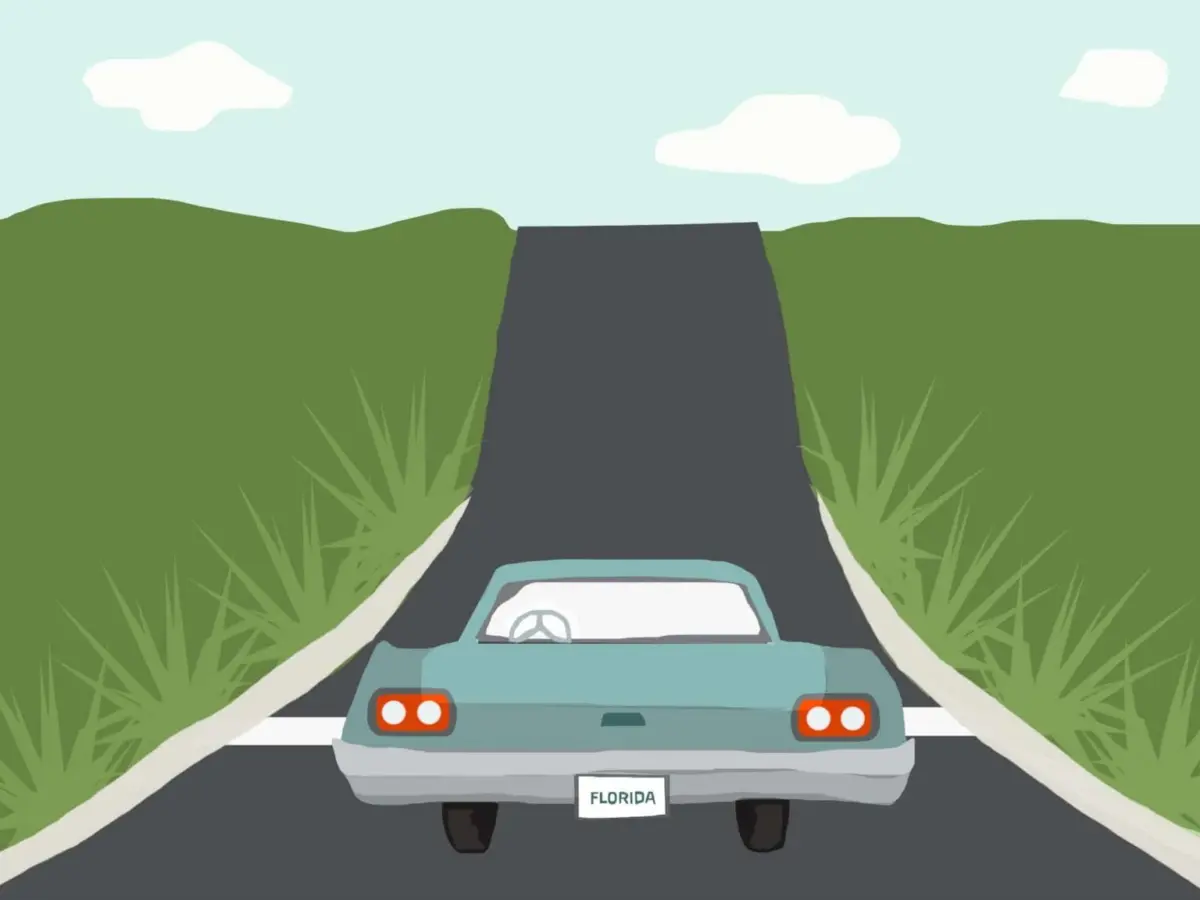

Executive Overview
While Florida is globally renowned for its sun-drenched coastlines, neon-lit theme parks, and vibrant subtropical ecosystems, a darker, more macabre subculture thrives beneath the Spanish moss. Far removed from the tourist traps, the state boasts a rich tapestry of folklore, supernatural encounters, and urban legends that rivals any Gothic European province or the cryptid-heavy expanse of the Pacific Northwest.
From phantom hitchhikers traversing monolithic suspension bridges to voodoo-cursed dolls housed in Key West museums, Florida’s history is steeped in tragedy, frontier violence, and unexplained phenomena. This investigative overview examines ten of the most pervasive, unsettling, and historically rooted urban legends across the Sunshine State. By examining the intersection of regional history, eyewitness testimonies, and cultural psychology, we uncover the enduring allure of Florida’s most terrifying haunts.
Detailed Chronology: A History of the Unexplained
Florida’s transition from a wild, untamed frontier to a densely populated modern state has left a wake of unresolved historical trauma. The chronology of the state’s supernatural folklore spans centuries of settlement, conflict, and tragedy.

- The Civil War Era (1861–1865): Deep within the rural expanses of Hardee County, the dark origins of the Bloody Bucket Bridge legend take root amidst the brutalities of the American Civil War, establishing a legacy of infanticide and madness.
- Late 19th Century (1874–1889): The structural growth of Florida’s infrastructure and cities births enduring tragedies. The St. Augustine Lighthouse (established 1874) becomes a site of fatal accidents involving the keepers’ children, while the 1889 burial of Elizabeth "Bessie" Budd-Graham in Tallahassee lays the foundation for the enduring myth of the Tallahassee Witch.
- Early 20th Century (1906): In Key West, artist Robert Eugene Otto receives a 40-inch-tall doll from a disgruntled family servant, setting off a century-long saga surrounding Robert the Doll and his alleged supernatural agency.
- Mid-20th Century (1954–1980s): The Sunshine Skyway Bridge opens in 1954, eventually becoming a focal point for tragic losses and the subsequent phantom hitchhiker sightings that intensified following the catastrophic 1980 freighter collision. Concurrently, the 1960s and ’70s spark nationwide cryptid mania, giving local validity to the pungent Florida Skunk Ape.
- Modern Era: Contemporary paranormal investigators, tourists, and locals continue to sustain these traditions, visiting sites like Spook Hill, The Devil’s Chair, and Captain Tony’s Saloon to test the boundaries of empirical reality.
Supporting Context & Metrics: The Top 10 Florida Legends
1. The Bloody Bucket Bridge (Wauchula, Hardee County)
Located southeast of Tampa in Wauchula—historically celebrated as the "Cucumber Capital of the World"—lies a site of unspeakable folklore. According to local accounts dating back to the Civil War, an enslaved woman serving as a local midwife suffered the trauma of having her own child forcibly taken from her. Driven to a psychotic break, she allegedly began smothering newborns, telling grieving parents they were stillborn, and disposing of their bodies in a nearby river using a wooden bucket.
The legend maintains that her guilt ultimately drove her insane, and she began to hallucinate her buckets filling spontaneously with blood. Today, regional lore cautions travelers that visiting the bridge under a full moon will reveal the river water running crimson.
2. The Florida Skunk Ape (Ochopee & Everglades Region)
Often styled as the Swamp Cabbage Man or Myakka Skunk Ape, this bipedal hominid shares direct behavioral and anatomical similarities with the Pacific Northwest’s Bigfoot. Emerging prominently during the cryptid fascination of the 1960s and 1970s, the creature earned its moniker from a deeply pungent, sulfurous odor attributed to its marshland habitat and diet.

Unlike purely theoretical cryptids, the region hosts the official Skunk Ape Research Headquarters in Ochopee, Florida. Here, field researchers continuously compile eyewitness accounts, footprint casts, and audio recordings from the deep Everglades.
3. Spook Hill (Lake Wales)
Gravity hills—where optical illusions caused by rising and falling terrain make a downhill slope appear upward—are rare geological oddities. Spook Hill in Lake Wales offers one of the most famous iterations. Motorists who position their vehicles in neutral at the designated marker watch in disbelief as their cars roll seemingly uphill against gravity.
Local lore attributes this phenomenon to a historic battle between an indigenous village chief and a giant alligator. According to the official town marker, the chief was buried on the northern slope after slaying the beast. Pioneer mail riders first noted their horses struggling through the area, and modern drivers continue to experience the uncanny sensation of being pulled upward—or pushed by unseen, protective forces.

4. Robert the Doll (Key West)
Rated by paranormal historians as one of the most active haunted objects in the world, Robert the Doll resides permanently behind glass at the Fort East Martello Museum in Key West. Originally gifted in 1906 to young Robert Eugene "Gene" Otto by a household nanny skilled in voodoo, the 40-inch straw-stuffed sailor doll quickly became an object of terror.
Gene and the doll became inseparable, with family members reporting distinct, disembodied conversations emanating from Gene’s bedroom. Neighbors frequently swore they saw the doll moving from window to window while the family was away. Modern museum protocol dictates that visitors must ask Robert for permission before taking his photograph; failure to do so is routinely blamed for camera malfunctions, electronic failures, and sudden bouts of bad luck.
5. The Devil’s Chair (Cassadaga)
Cassadaga, internationally recognized as the "Psychic Capital of the World" due to its dense population of spiritualists and mediums, is also home to the municipal cemetery containing the Devil’s Chair. Fashioned from thick brick blocks, the bench is said to have been constructed by Lucifer himself.
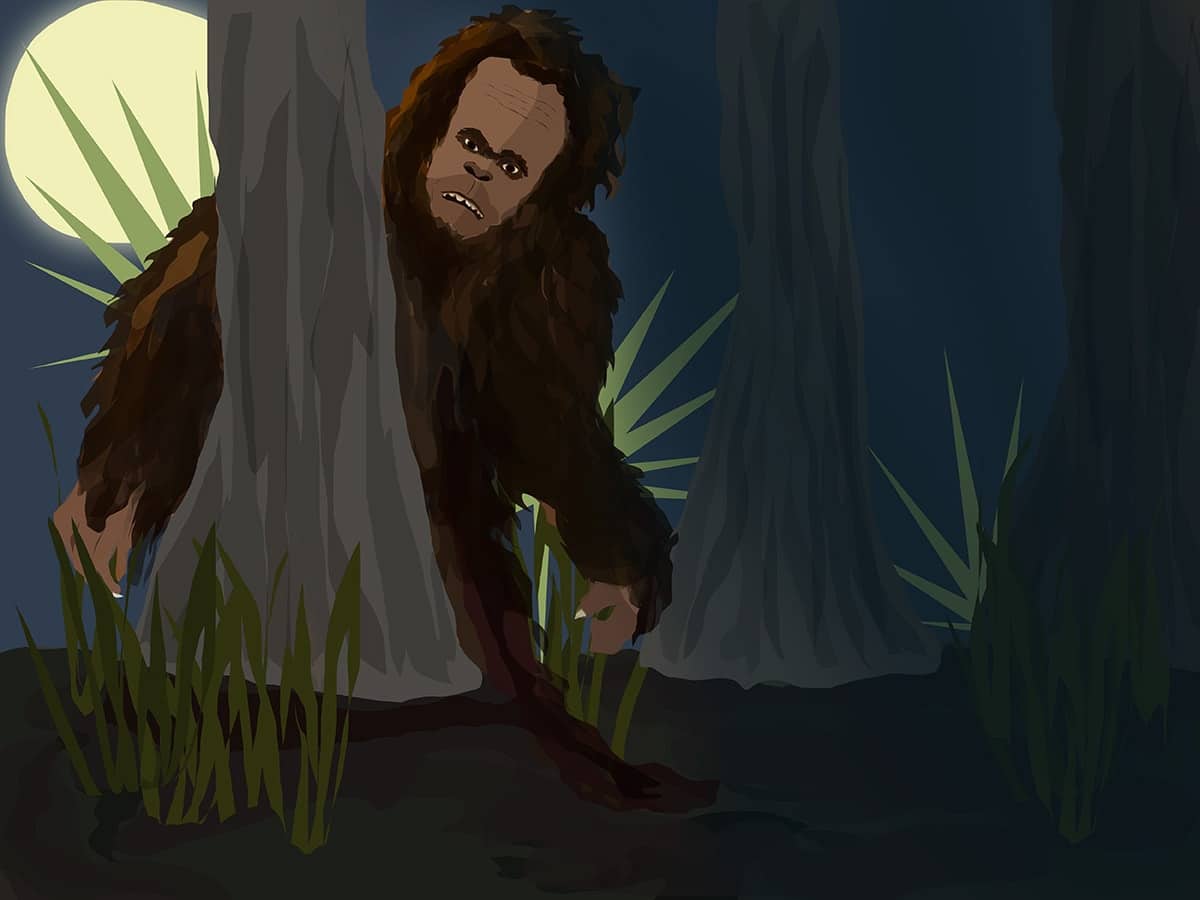
Local legend dictates that Satan returns to occupy the seat precisely at midnight, whispering subversive, psychological torment into the minds of anyone daring enough to sit there. A companion piece of folklore states that if an unopened can of beer is left on the seat overnight, it will be found completely empty the following morning—without the pull-tab ever being broken.
6. Grave of the Tallahassee Witch (Tallahassee)
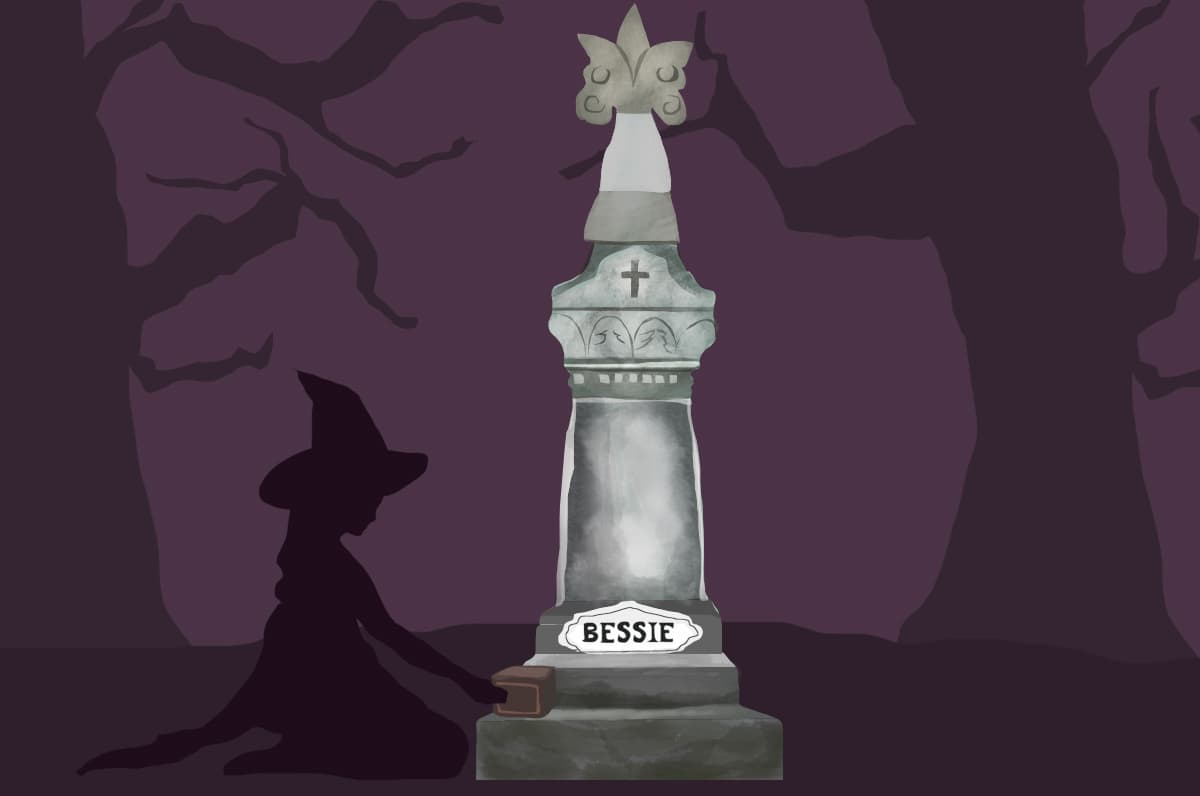
Deep within Tallahassee’s historic Old City Cemetery rests Elizabeth "Bessie" Budd-Graham, who passed away in 1889 at the age of 23. Despite her brief life as a young wife and mother, her gravesite features one of the most elaborate and heavily scrutinized headstones in the capital city.
Occult scholars and tourists frequently point to two prominent anomalies: the headstone faces west rather than the traditional Christian east, and it bears an epitaph directly adapted from Edgar Allan Poe’s poem Lenore. Practitioners of modern witchcraft and occult researchers interpret phrases like "Broken is the golden bowl" and "doubly dead" as coded markers for vampirism and witchcraft, drawing regular offerings from modern practitioners.

7. The Ghosts of the St. Augustine Lighthouse (St. Augustine)
St. Augustine, America’s oldest continuously occupied European-established settlement, is a hotbed of paranormal activity. Built in 1874, the St. Augustine Lighthouse features documented reports of ghostly encounters spanning generations.
Among the most famous spirits is Peter Rasmussen, an early keeper whose heavy cigar smoke still drifts through the winding stone stairwells. More tragic are the lingering manifestations of Eliza and Mary Pity, young sisters who drowned in the adjacent waters during late 19th-century restoration projects. Visitors and staff members frequently report hearing the distinct sound of children laughing from the top of the tower long after the grounds have closed to the public.
8. The Hanging Tree at Captain Tony’s Saloon (Key West)
Long before it became a premier watering hole on Duval Street, the building housing Captain Tony’s Saloon served manifold historical purposes: a wireless telegraph station, a cigar factory, a morgue, and the site of Key West’s municipal hanging tree. Early builders chose to construct the saloon directly around the massive tree rather than remove it, utilizing its branches to execute local criminals and pirates.
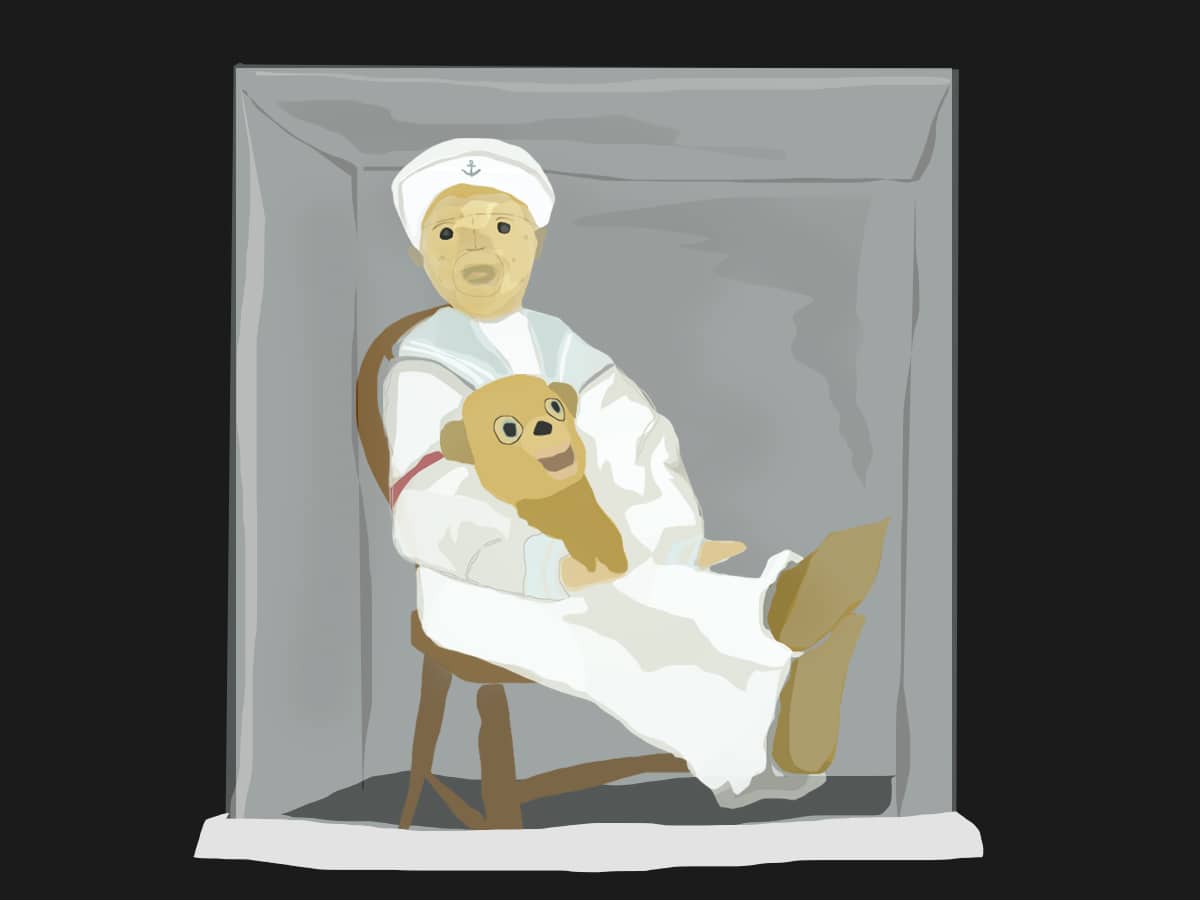
When flooring renovations were conducted in the 1980s, construction workers uncovered the skeletal remains of over a dozen individuals buried beneath the subfloor. Today, patrons routinely report abrupt temperature drops, disembodied voices, and bathroom stall doors that lock and unlock autonomously.
9. The Sunshine Skyway Bridge Phantom (Tampa Bay)
Spanning the mouth of Tampa Bay to connect St. Petersburg and Bradenton, the modern cable-stayed Sunshine Skyway Bridge is an engineering marvel. Tragically, its immense height has also made it a focal point for hundreds of desperate individuals over the decades.
Motorists traversing the span at night frequently report encountering a distressed, beautiful blonde hitchhiker stranded on the shoulder. Drivers who pull over to offer assistance note that she weeps silently as the vehicle approaches the peak of the span, only to vanish into thin air before the car can cross safely—evoking classic urban legends of the phantom hitchhiker intensified by real-world maritime and structural tragedies, such as the 1980 freighter collision that claimed 36 lives.
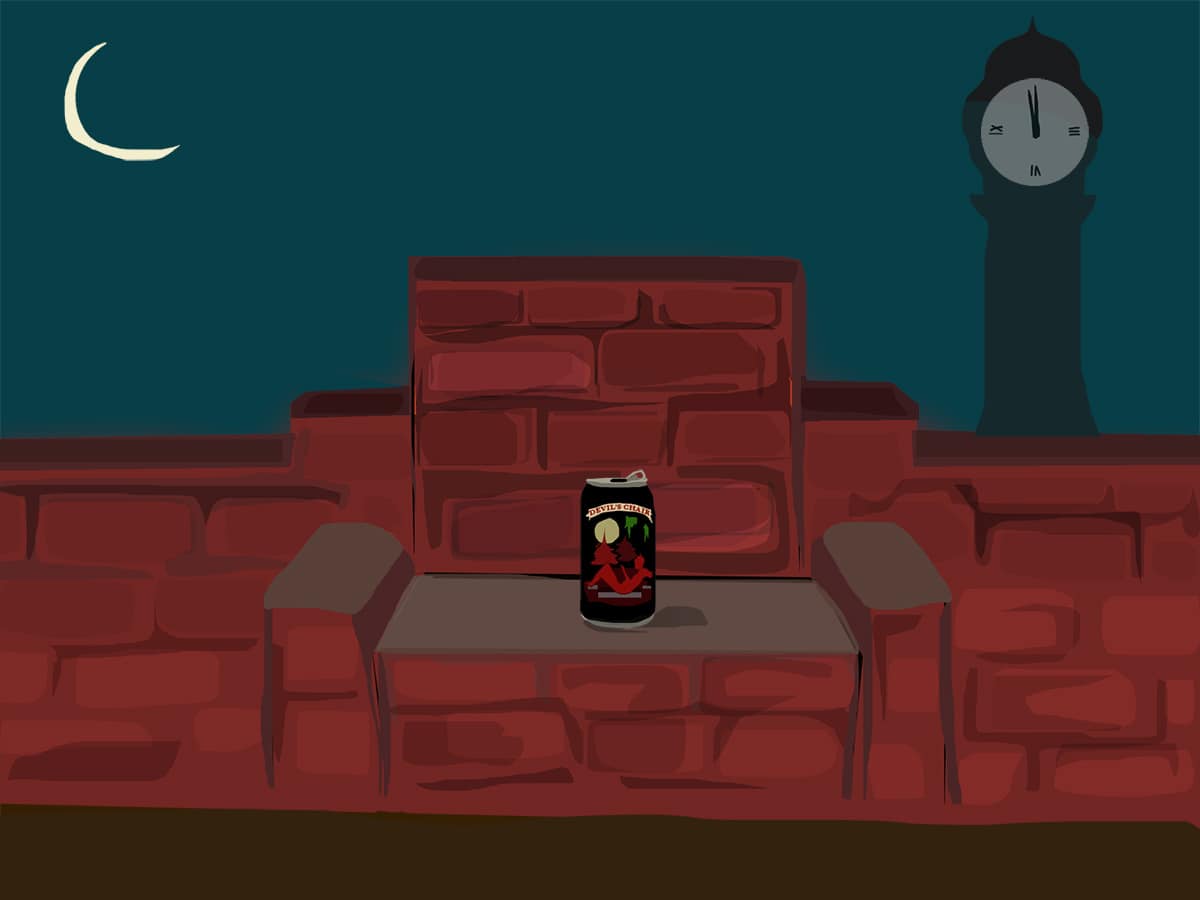
10. The Fairchild Oak (Ormond Beach)
Nestled within Bulow Creek State Park in Ormond Beach, the Fairchild Oak is an imposing botanical specimen featuring a massive, sprawling canopy draped in heavy Spanish moss. Believed to be hundreds of years old, the tree is a cherished landmark for conservationists and hikers.
However, local folklore associates the ancient oak with profound melancholy and tragedy, linking it to historic suicides. Paranormal enthusiasts claim that the site is haunted by the lingering apparition of a sorrowful male figure, and visitors walking directly beneath its massive boughs frequently report an inexplicable wave of heavy emotion and sudden temperature drops.
Official Statements & Regional Perspectives
While folklorists and paranormal investigators view these locations as vital repositories of cultural history and regional identity, local municipalities and tourism boards maintain a measured, pragmatic approach.
"Florida’s history is complex, layered, and often intense," notes a regional historical society representative. "The stories that persist—whether it is Spook Hill or Robert the Doll—serve as cultural mirrors. They reflect the anxieties, tragedies, and pioneering spirit of the people who settled this challenging landscape long before air conditioning and interstate highways."
Law enforcement and park rangers, meanwhile, urge caution for thrill-seekers attempting unauthorized after-hours investigations at sites like the Bloody Bucket Bridge or Cassadaga Cemetery, noting that trespass laws are strictly enforced regardless of supernatural claims.
Future Outlook
As Florida continues to experience rapid population growth and commercial development, the preservation of these haunted landmarks remains a point of contention between urban expansion and historical conservation. Ghost tourism has emerged as a major economic driver for historic hubs like St. Augustine and Key West, ensuring that these eerie narratives will be preserved for future generations.

Whether viewed through the lens of psychological projection, historical trauma, or genuine supernatural phenomena, Florida’s urban legends provide a vital counter-narrative to the state’s endless sunshine. They remind residents and travelers alike that beneath the veneer of modern paradise lies a deep, mysterious past that refuses to stay buried.

0 Comments