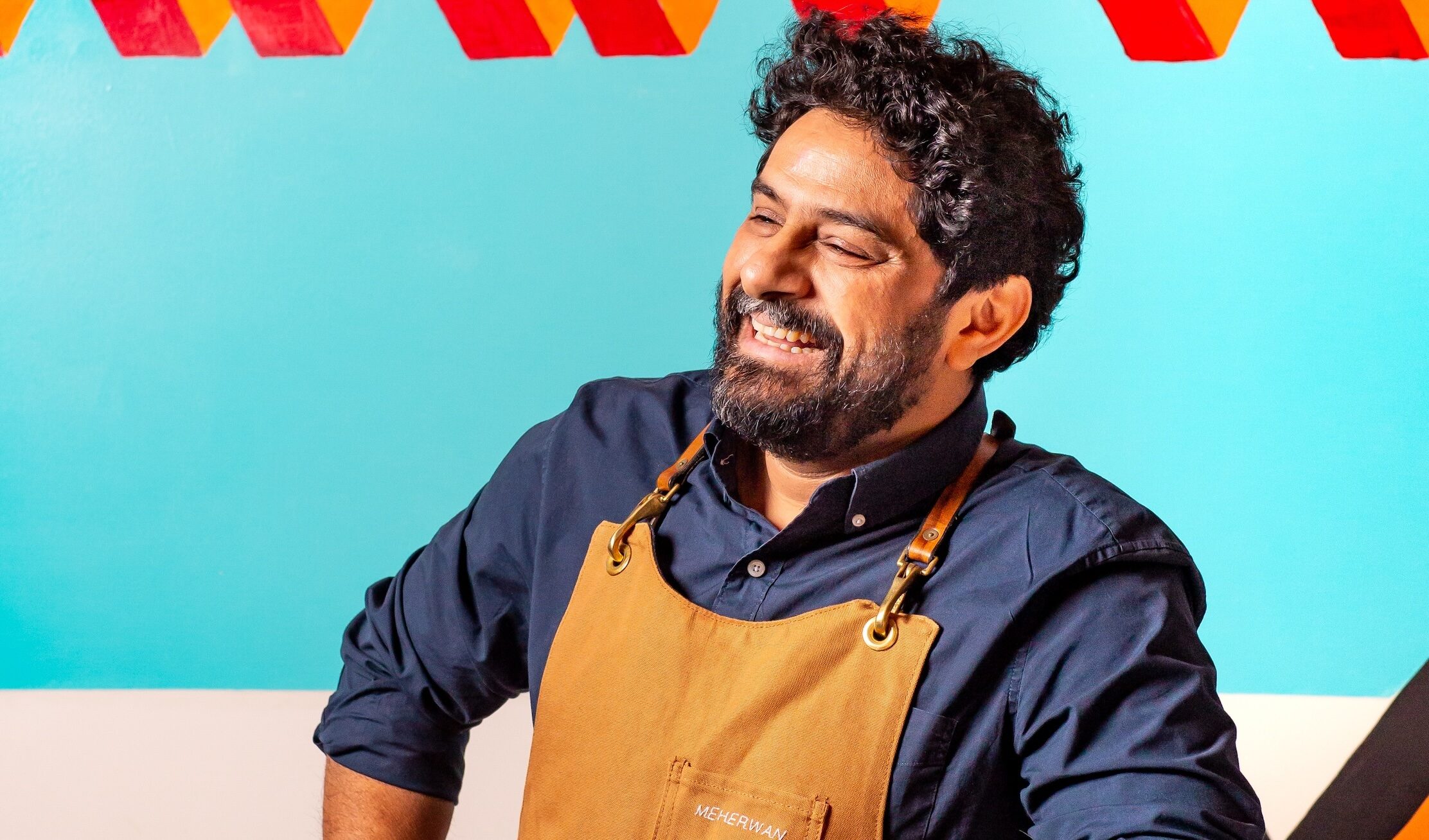
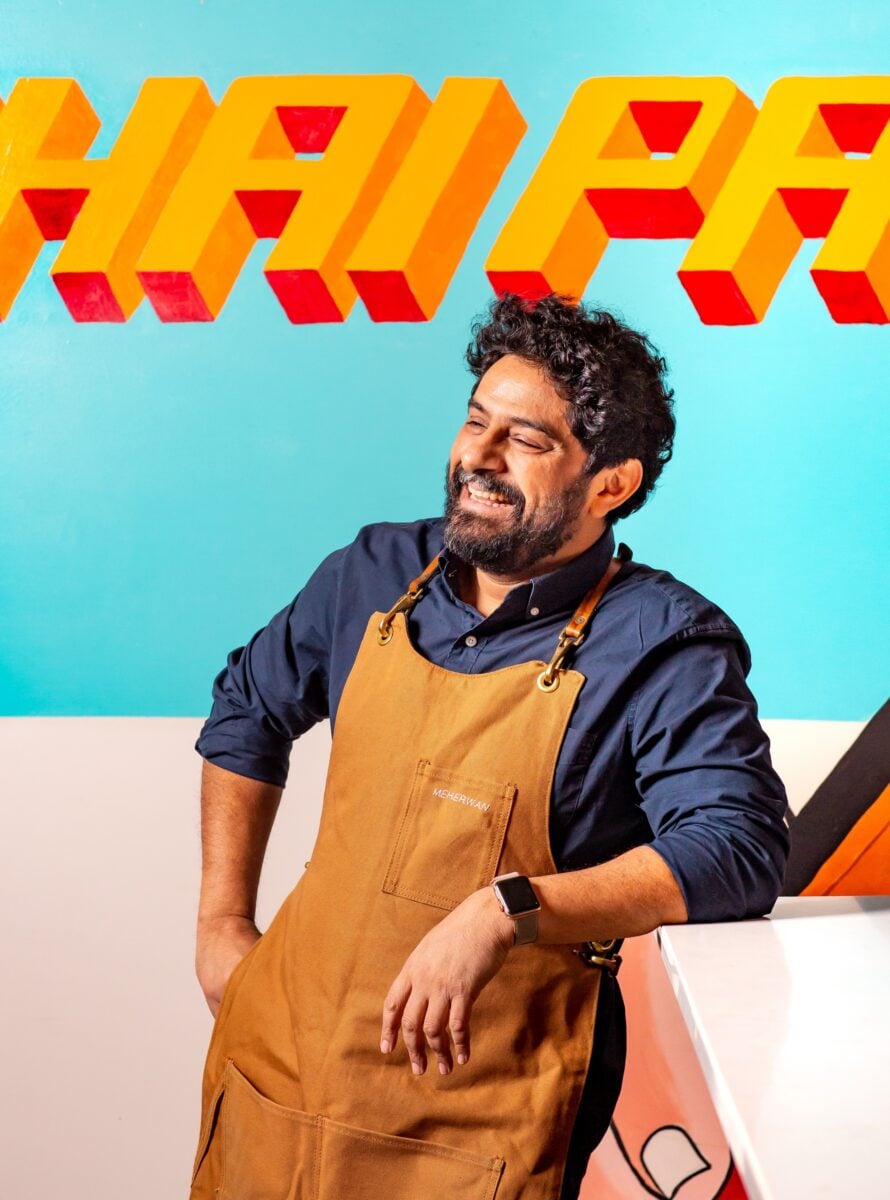
In the culinary landscape of the American South, few figures have bridged cultural divides as seamlessly as Meherwan Irani. Once a corporate refugee working as a luxury real estate agent, car salesman, and computer builder, Irani took an improbable gamble in 2009 by opening Chai Pani—an authentic Indian street food restaurant—in the mountain town of Asheville, North Carolina.
More than a decade later, that single leap of faith has blossomed into a hospitality empire. Chai Pani and its sibling concepts have garnered national acclaim, including a prestigious James Beard Foundation Award for Outstanding Restaurant. Alongside his wife, Molly, Irani has built Spicewalla, a globally recognized spice company, expanded Botiwalla street-food outposts to Decatur and Washington, D.C., and firmly embedded South Asian flavors into the Southern palate.
Now, Irani is distilling his philosophy into print with his debut cookbook, No. 1 Best Indian Cookbook in the World: At-Home Recipes from the Streets, Truck Stops, Villages, and Palaces of India. Far from a traditional dry compilation of recipes, the book functions as a cultural passport. It aims to dismantle the intimidation surrounding South Asian cooking, proving that preparing dishes like dal makhani, Mumbai toasties, and crispy okra matchsticks can be as straightforward as flipping pancakes on a Sunday morning. Through a blend of personal essays, geographic history, and approachable kitchen shortcuts, Irani invites home cooks to look past preconceived notions and embrace the vibrant, accessible world of Indian street food.
Detailed Chronology: From Corporate Transition to Culinary Empire
The journey of Meherwan Irani is a study in unconventional paths to professional mastery. Long before he was writing cookbooks or managing commercial restaurant kitchens, his life’s trajectory pointed in entirely different directions.
The Pre-Restaurant Years
Early Career Shifts: Before stepping into professional kitchens, Irani worked across a diverse array of industries. His résumé included stints as a jewelry importer, a computer builder, a car salesman, and a luxury real estate agent.
The Cultural Blueprint: Irani’s understanding of cross-cultural hospitality, however, was forged much earlier. Growing up in India during the 1970s and 1980s, his hometown hosted a prominent spiritual ashram that drew waves of Western travelers. His grandmother converted their sprawling family bungalow into a bed and breakfast. There, Irani’s mother took on the challenge of cooking for a nightly dinner table consisting of their own family alongside roughly half a dozen American guests. This early crucible required inventing meals that satisfied local palates without compromising authentic Indian depth—a foundational experience that directly shaped Irani’s future restaurant designs.
Establishing the Brand
2009 – The Asheville Debut: Irani launched the original Chai Pani in downtown Asheville, introducing an American mountain town to chaats, pakoras, and thalis. The concept prioritized the bustling, vibrant energy of India’s roadside vendors over white-tablecloth formality.
Expansion and Accolades: Following Asheville’s success, the brand expanded outward. Chai Pani outposts opened in Decatur, Georgia, and Washington, D.C. Concurrently, the Iranis launched Botiwalla—a fast-casual concept modeled after Irani café grill houses—and Spicewalla, a spice-blending operation designed to supply fresh, high-grade spices to home and professional kitchens alike. The collective enterprise culminated in Chai Pani winning the James Beard Foundation Award for Outstanding Restaurant.
September 2026 – The Cookbook Release: Marking his latest milestone, Irani published No. 1 Best Indian Cookbook in the World, capturing the ethos of his restaurants in a format designed for home cooks.
Supporting Context & Metrics: Deconstructing the Cuisine
To understand the scope of Irani’s mission, one must look at how Indian cuisine has historically been perceived in the West, and how the cookbook systematically dismantles those barriers.
Bridging East and West
American home cooks have long treated Indian cuisine as a weekend project reserved for special occasions—largely due to perceived barriers regarding ingredient sourcing, complex spice mixing, and unfamiliar techniques. Irani argues that this intimidation is largely manufactured.
"If you cook Italian, you’re using spices, herbs, and seasonings. With Mexican cuisine, you’re using spices, herbs, and seasonings—things like lime, cumin, cilantro, onions, oregano, yogurt, marinades, and chilies. You could cook twenty Indian dishes with those ingredients too."
By drawing structural parallels between familiar global pantry staples, Irani lowers the barrier to entry. His famous "Sloppy Jai"—a localized adaptation of the traditional Indian lamb hash kheema pav—serves as a textbook example. By thickening the spiced lamb hash, serving it on a standard burger bun, and topping it with a bright slaw, Irani created an approachable bridge for diners accustomed to American comfort food without sacrificing traditional flavor integrity.
Cookbook Composition & Recipes
The book features more than one hundred recipes categorized across snacks, sandwiches, street foods, stir-fries, stews, and kebabs. Notable inclusions range from restaurant favorites to personal family recipes:
Mumbai Toasties: A melty, spiced street-style sandwich.
Dal Makhani: A comforting, multi-lentil stew adapted from North Indian truck stops that can easily be adapted for a slow cooker.
Pork Chop Masala: A fusion of Southern pork preferences with a caramelized ginger-garlic paste crust.
The "White Girl" Salad (Desi Salad): Created at the insistence of his wife, Molly, this dish adapts a Trader Jones-style Asian crispy cabbage salad using toasted, spiced cashews, sesame seeds, scallions, and a cumin-lime dressing.
Winter Squash and Green Bean Curry: A mild, one-pot autumn comfort meal featuring coconut curry, turmeric, and mustard seeds.
Official Statements and Philosophy
In interviews surrounding the launch of his cookbook, Irani has been vocal about his vision for shifting American culinary habits. He emphasizes three core motivations behind his work: culinary accessibility, cultural literacy, and the sheer joy of hosting.
On Demystifying the Kitchen
Irani openly describes himself as a "lazy cook" who prioritizes efficiency, minimal cleanup, and pantry-staple management.
"I really don’t want folks to think that this is an Indian cookbook and by opening it they’re going on an adventure of cooking. I want them to think, ‘I’m going to learn how to cook Indian food as easily as I make pancakes for breakfast.’ Who’s got time for recipes that take, you know, an hour or two of prep and going to the store to buy special ingredients?"
On Cultural Understanding Through Food
Beyond domestic ease, Irani views his recipes as educational tools. In a polarized global climate, he believes that engaging with the everyday food of a culture—particularly the dynamic street food of modern India—offers an unmatched window into human connection.
"If you really want to understand India today, modern India that has one foot firmly in the past and one foot firmly in the future, street food is the way to do it. How could it be a bad thing to understand another culture in today’s world?"
Future Outlook
Meherwan Irani’s transition from brick-and-mortar restaurateur to published cookbook author signals a broader shift in how ethnic cuisines are integrated into American domestic life. As supply chains for spices improve—largely aided by commercial ventures like Spicewalla—the friction points that once kept home cooks from attempting South Asian dishes are rapidly dissolving.
With No. 1 Best Indian Cookbook in the World, Irani is not merely offering instructions for dinner; he is attempting to rewrite the standard American cookbook shelf. By proving that complex flavor profiles can be achieved with minimal fuss and familiar ingredients, he lays the groundwork for a future where a pot of dal or a batch of pakoras sits just as comfortably in an American kitchen repertoire as a tray of chocolate chip cookies or a weeknight stir-fry.




0 Comments