

Executive Overview
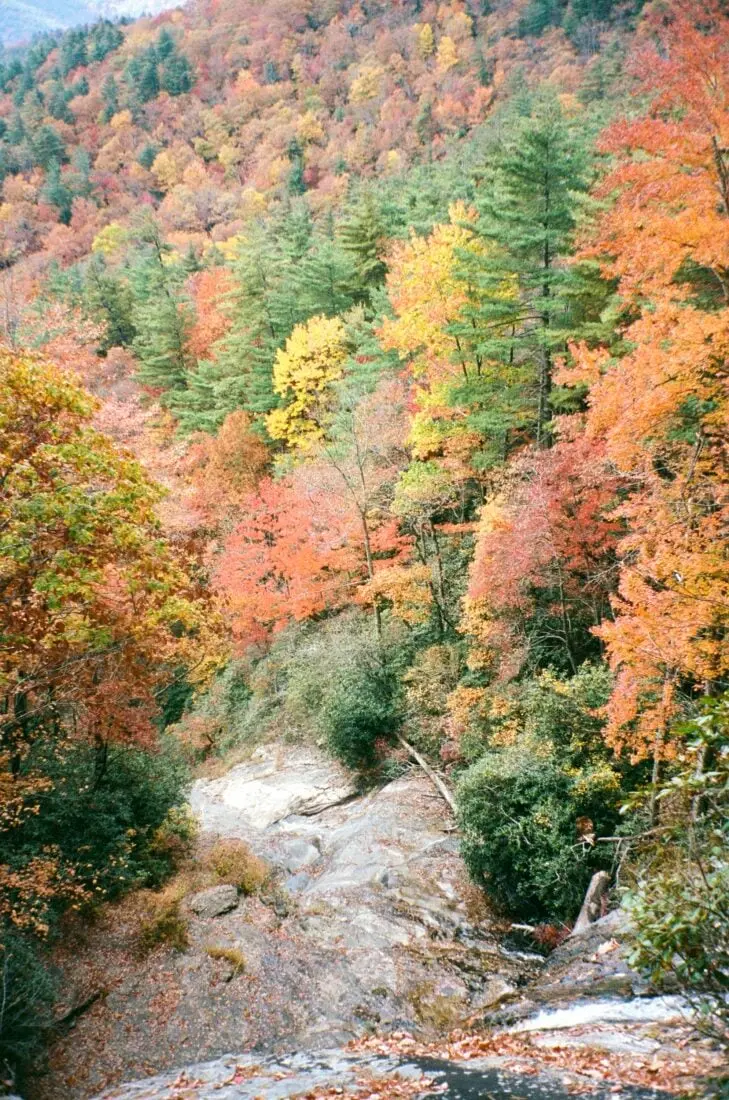
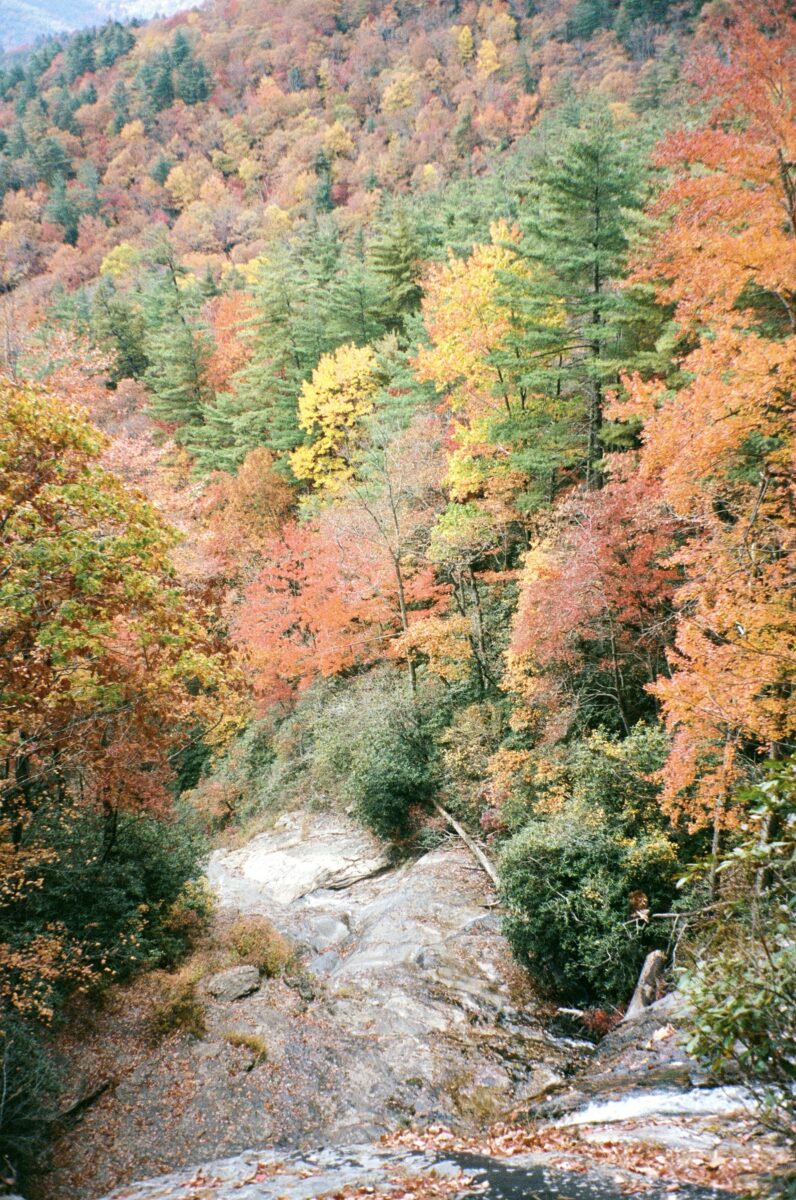
While New England traditionally commands the lion’s share of the national spotlight for its autumnal displays, the Southern Appalachian Mountains quietly claim the crown for hosting the longest and most biologically diverse fall foliage season in the United States. Stretching from the craggy, high-elevation balds down to the sheltered, temperate coves, the arboreal landscape along the legendary Blue Ridge Parkway transforms into a sweeping canvas of fiery reds, deep ambers, and brilliant golds. This vibrant transformation unfurls across a remarkable timeline, beginning in late September at the highest elevations and lingering well into mid-November at lower altitudes.
As the autumn of 2026 approaches, arborists, conservationists, and leaf-peeping enthusiasts are casting a watchful eye toward the peaks. Following a meteorological rollercoaster marked by an exceptionally severe early-summer drought followed by a deluge of July rainfall, the region’s forests are standing at a critical ecological crossroads. According to Dr. Howard Neufeld—a retired plant biologist and North Carolina’s resident authority affectionately known as the "Fall Color Guy"—the current health of the canopy is surprisingly robust. However, whether this year’s display achieves legendary status or falls flat will hinge entirely on the atmospheric conditions of the coming weeks.
This comprehensive report examines the complex interplay of regional weather patterns, tree biology, and geography that dictates the 2026 Southern Appalachian foliage season. It provides an authoritative guide for travelers, outlines the premier vantage points along the parkway, and offers a scientific breakdown of what to expect as autumn officially takes hold of the mountains.
Detailed Chronology: From Summer Stress to Autumn Splendor
The journey of autumn leaves begins months before the first crisp morning breeze strips them from their branches. The physiological processes that produce brilliant foliage are deeply tethered to the weather events experienced throughout the growing season, creating a sequential narrative of survival, adaptation, and eventual release.
June: The Drought Test
The prologue to the 2026 foliage season was written during an unusually harsh and dry June across the southeastern United States. Prolonged drought conditions place immense physiological stress on deciduous trees. When water is scarce, trees must balance the imperative of photosynthesis with the danger of excessive water loss through transpiration. During severe dry spells, vulnerable species—most notably the tulip poplar—often initiate an early defense mechanism. To conserve moisture, these trees prematurely drop their leaves or allow them to brown and curl, severely jeopardizing the prospect of a vibrant fall color season before summer has even reached its zenith.
July: The Monsoonal Rescue
Fortunately, the narrative shifted dramatically in July. A series of steady, soaking rains swept across the Southern Appalachians, replenishing depleted soil moisture tables and rescuing the stressed forest canopy. This timely precipitation acted as a botanical reset button. Tulip poplars, which serve as an early indicator species for forest health, weathered the dry spell and rebounded with lush, resilient green canopies. According to Dr. Neufeld, this mid-summer rescue is the primary reason the 2026 season remains on track for an impressive showing.
The Critical Transition: Late September to Early October
As summer yields to autumn, the region enters the most volatile and decisive phase of the foliage cycle. With the trees successfully carrying healthy canopies out of the summer months, the quality of the impending color show depends entirely on the microclimates and daily temperature swings of late September and early October.
The biological mechanism driving brilliant red and orange hues relies on the breakdown of chlorophyll—the green pigment that dominates spring and summer leaves. As daylight wanes and temperatures drop, chlorophyll production ceases, unmasking underlying yellow and orange pigments known as carotenoids. Meanwhile, trapped sugars in the leaves react with bright sunlight to produce anthocyanins, the pigments responsible for vivid reds and purples.
"What determines the quality is how the temperature changes," Neufeld explains. "One of the things we’ve always said is that if you have bright, sunny days and cool nights, that brings out the red color. If we get an extended heat wave in October, that’s going to make for a dull and delayed peak." Consequently, meteorologists and ecologists are closely monitoring regional weather models, crossing their fingers for a decisive drop in nighttime temperatures to trigger the chemical cascade required for peak chromatic brilliance.
Supporting Context & Metrics: The Science of Southern Appalachian Biodiversity
To fully appreciate the scope of the Blue Ridge Parkway’s autumn show, one must understand the unique geography and ecological diversity that sets it apart from northern deciduous forests.
Elevation Zones and Temporal Progression
The Southern Appalachian mountain chain features staggering variations in elevation, plunging from wind-swept peaks exceeding 6,000 feet down to lush valleys resting below 2,000 feet. This dramatic vertical relief creates a compressed altitudinal gradient, effectively stretching the foliage season across two full months.
- Late September to Early October (High Elevations Above 4,000 Feet): The transformation begins near the roof of the Blue Ridge. Locations such as Mount Mitchell and Craggy Gardens experience cooler baseline temperatures earlier in the season, kickstarting the chlorophyll breakdown process well ahead of the lower valleys.
- Mid-October (The Prime Window, 2,500 to 4,000 Feet): Generally occurring between October 10 and October 20, this is the canonical peak for the majority of the Blue Ridge Parkway. During this ten-day window, mid-elevation ridges and coves erupt in a multicolored tapestry.
- Late October to November (Low Elevations and Southern Valleys): As the chill descends into the foothills and river basins, parks like Stone Mountain and lower gorge areas keep the season alive, culminating around Thanksgiving.
Botanical Diversity: A Multi-Layered Palette
While New England forests are heavily dominated by maples and beeches, the Southern Appalachians boast a staggering variety of tree and shrub species, each contributing a distinct hue to the landscape:
- Dogwoods: Among the earliest arboreal indicators, dogwoods shift into deep, rich crimson hues, signaling that the transition is underway.
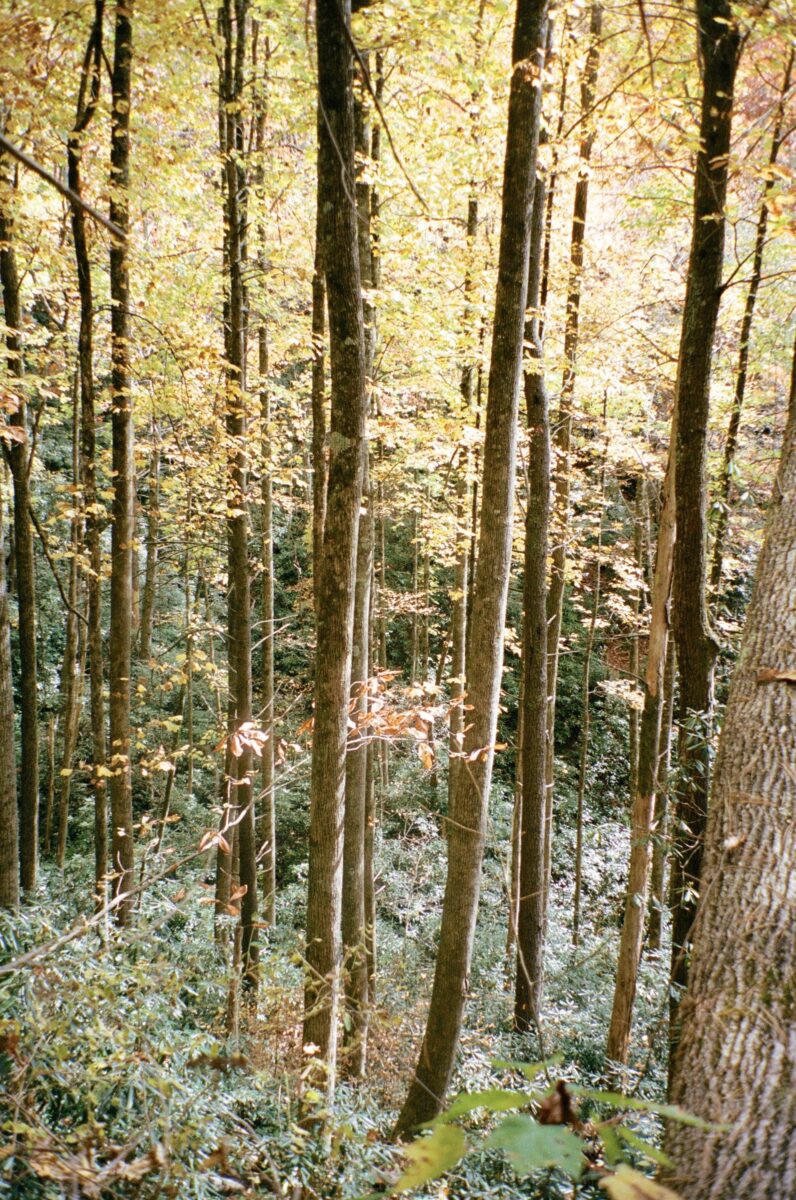
- Tulip Poplars: Providing the foundational golden-yellow backdrop of the forest, these resilient giants balance the fiery reds of maples and sourwood trees.
- Oaks: As the steadfast anchors of the forest floor, oaks are notoriously late to the party, holding onto their russet and bronze leaves well into late autumn.
- Witch Hazel: One of the most fascinating botanical anomalies in the region, this understory shrub not only shifts to a vibrant yellow palette but actually defies convention by blooming in the late fall. This evolutionary adaptation is supported by a specialized family of moths that remain active in cold temperatures, pollinating the spindly, ribbon-like yellow flowers amidst the falling leaves.
Official Insights & Expert Perspectives
Dr. Howard Neufeld’s transition to the digital sphere with the launch of his dedicated platform, fallcolorguy.org, marks a new chapter in public science communication for the region. Having dedicated two decades to studying, tracking, and predicting Appalachian foliage patterns, Neufeld emphasizes that public engagement and real-time observation are vital for navigating the nuances of each unique autumn.
In his official seasonal assessments, Neufeld underscores that climate variability presents ongoing challenges for forest ecosystems. While the 2026 recovery from the June drought was swift, the increasing frequency of extreme weather events demands rigorous monitoring. "Trees are remarkably resilient organisms, especially diverse, mature ecosystems like those found along the Blue Ridge," Neufeld notes. "They have evolved strategies to cope with seasonal anomalies. However, the margin for error narrows when severe droughts are compounded by unseasonable autumn heat waves."
Conservation authorities and park managers along the Blue Ridge Parkway echo these sentiments, urging travelers to balance their desire for scenic vistas with responsible stewardship of the protected lands. With millions of visitors converging on narrow mountain corridors during peak weeks, managing traffic congestion, protecting fragile alpine flora from trampling, and respecting seasonal trail and road closures are paramount priorities for the National Park Service.
A Traveler’s Guide: Prime Vantage Points Along the Blue Ridge Parkway
For those planning an autumn expedition in 2026, the Blue Ridge Parkway offers an embarrassment of riches. Whether chasing the early-season color on high-altitude ridges or seeking a peaceful late-season hike in the foothills, strategic planning is essential.
High-Elevation Sanctuaries (Late September to Early October)
- Graveyard Fields (Milepost 418.8): Renowned for its unique landscape of a high-altitude glacial valley surrounded by sweeping mountain views, this area blazes with early red and gold brush, making it an essential first stop.
- Craggy Gardens (Milepost 364.1): Located just northeast of Asheville, these exposed ridgelines offer sweeping panoramic vistas of stunted trees and rhododendron balds that turn early in the season.
- Mount Mitchell State Park: Cresting at 6,684 feet, the highest peak east of the Mississippi River provides an immediate, breathtaking look at the earliest wave of autumn color.
- Roan Mountain & Elk Knob State Park: Situated near the Tennessee border and Boone, respectively, these locations feature elevated overlooks—such as Elk Knob’s two-mile summit trail—offering unobstructed 360-degree views stretching all the way to the Virginia highlands.
Mid-October Masterpieces (The Core Window)
- Doughton Park (Milepost 241): Located in Laurel Springs, North Carolina, Doughton Park stands as one of the most expansive and visually stunning meadows along the entire parkway, boasting rolling hillsides blanketed in a rich diversity of turning hardwoods.
- Rough Ridge Trail (Milepost 302.8): While the iconic nearby Linn Cove Viaduct may experience periodic maintenance and road closures, the adjacent Rough Ridge Trail along the Tanawha Trail remains fully accessible. This moderate 1.5-mile hike rewards trekkers with dramatic boardwalks perched over rugged rock outcrops and some of the most photographed autumn vistas in the South. (Travelers are advised to consult Neufeld’s parkway closure reports prior to departure).
Extended-Season Refuges (Late October to November)
- Stone Mountain State Park: Offering lower elevations and granite domes framed by dense hardwood forests, this park provides a brilliant second wind for leaf peepers visiting in November.
- Chimney Rock State Park: Overlooking Lake Lure, this dramatic geological monolith is surrounded by a canopy that hits its stride well after the high peaks have peaked, extending the holiday-season travel window.
Future Outlook
As the Blue Ridge Parkway prepares for the influx of autumn travelers in 2026, the overarching outlook remains exceptionally promising. The successful recovery from June’s dry spell, combined with a nutrient-rich and hydrated forest canopy, lays the biological groundwork for a vibrant, long-lasting display.
The ultimate trajectory of the season now rests in the hands of the autumn atmosphere. If cold, crisp nights and bright sunny days arrive on schedule in late September and early October, the Southern Appalachians will once again demonstrate why their autumn spectacle is peerless in duration and depth. Travelers are advised to pack a warm sweater for chilly morning hikes, keep a close eye on real-time foliage and road closure updates via authoritative tracking platforms, and prepare to witness one of nature’s most enduring seasonal masterpieces unfold across the southern highlands.

0 Comments