

Executive Overview
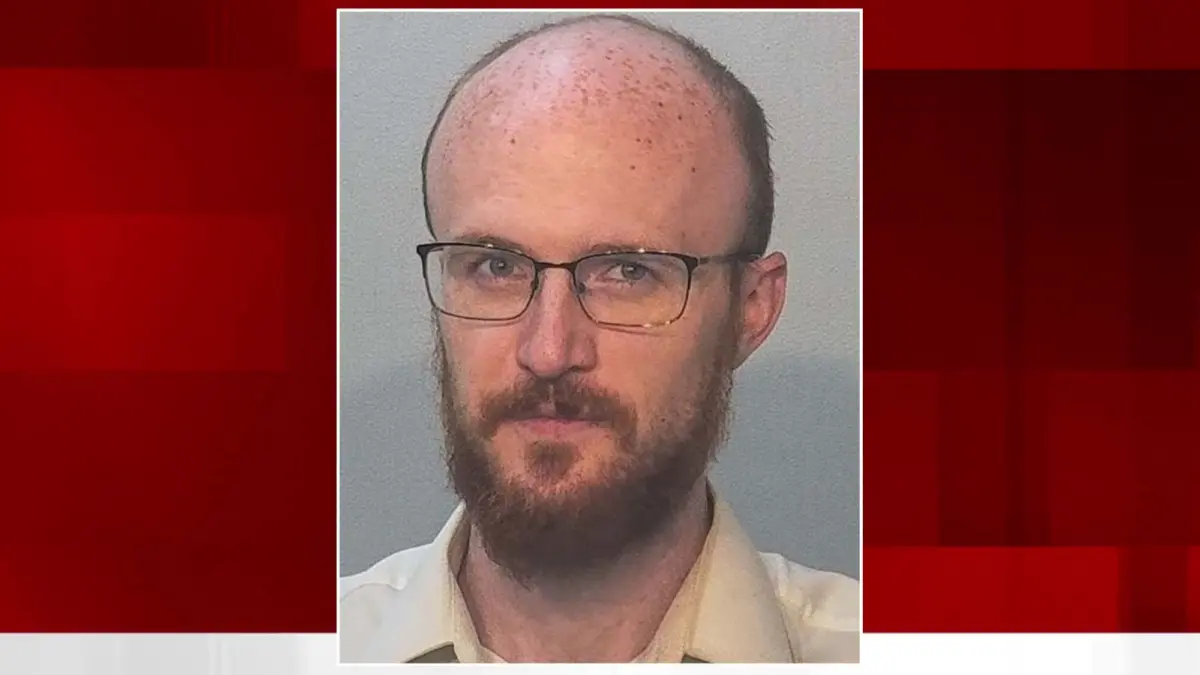
FORT WAYNE, Ind. — In a case that has sent profound shockwaves through regional religious communities and child advocacy networks, a 27-year-old Lutheran church vicar based in Fort Wayne, Indiana, is facing severe felony charges for the alleged molestation of an infant. Josiah Junkin, who held a leadership role within the local religious community, is currently incarcerated at the Allen County Jail. He has been formally charged with one count of child molesting, a Level 4 felony under Indiana law that carries a potential prison sentence of up to 12 years upon conviction.
The investigation, spearheaded by multi-jurisdictional law enforcement agencies spanning both Indiana and Michigan, unraveled after individuals close to the suspect came forward with alarming disclosures. According to exhaustive court records and probable cause affidavits, the case first gained traction when concerned parties in Michigan alerted authorities regarding admissions allegedly made by Junkin. The disclosures revealed a disturbing pattern of behavior tied to long-standing struggles with compulsive sexual behavior, which reportedly escalated to the abuse of a vulnerable, two-month-old infant during routine caretaking tasks.
This report provides an in-depth examination of the unfolding legal proceedings, the cross-jurisdictional investigative timeline, the systemic issues surrounding accountability within faith-based institutions, and the broader societal implications of crimes against children. Through rigorous analysis of available public records, police statements, and institutional responses, this document outlines the multifaceted dimensions of a case that demands absolute transparency and rigorous judicial scrutiny.
Detailed Chronology of the Investigation
The legal trajectory that led to Josiah Junkin’s arrest is a complex web of cross-state disclosures, confidential counseling records, and coordinated law enforcement interventions. Understanding the precise sequence of events is crucial to comprehending how the allegations surfaced and how authorities built their case.
Phase One: Disclosures and Cross-State Reporting (2024–2026)
According to documents filed in Allen County courts, the foundational disclosures originated outside of Indiana. In Michigan, a concerned individual was informed by Junkin about inappropriate actions directed toward a two-month-old infant. Investigators later learned that these alleged incidents occurred while Junkin was assisting with diaper changes.
Further compounding the gravity of the situation, a female acquaintance came forward to law enforcement with detailed historical context regarding Junkin’s mental health and behavioral struggles. She reported to investigators that Junkin had harbored a severe pornography addiction—including an involvement with child sexual abuse material (CSAM)—dating back to his childhood years.
According to this witness, Junkin had previously sought professional intervention, participating in therapy and structured counseling programs designed to manage sexual compulsions. As part of his counseling regimen, Junkin had reportedly established an agreement to disclose "relapses" almost immediately to those supporting his recovery. However, the scope of these recent admissions far exceeded historical relapse patterns, prompting concerned associates to take decisive action.
Phase Two: The Inter-Agency Investigation
The timeline accelerated when a male witness, having engaged in direct conversations with the suspect wherein Junkin allegedly confessed to molesting the infant on multiple occasions, elected to contact law enforcement in Michigan. Concurrently, a female witness who learned of the abuse contacted the Indiana Department of Child Services (DCS) to file a formal report, bridging the investigative gap between the two states.
Armed with these initial reports, detectives in Michigan expanded their inquiry. During their preliminary fact-finding mission, investigators uncovered that Junkin had explicitly admitted to perpetrating the abuse against the infant specifically within Fort Wayne, Indiana. This geographical confirmation necessitated the involvement of Indiana law enforcement and the Allen County Prosecutor’s Office to secure proper jurisdictional jurisdiction and file formal charges.
Phase Three: Journaling and Recovery Program Evidence
As the evidentiary net tightened, investigators subpoenaed and reviewed materials documenting Junkin’s participation in structured recovery frameworks. Police spoke with an individual who provided photographs of pages from Junkin’s personal journal, maintained as part of his work within the "7 Pillars of Freedom," a specialized recovery program tailored for individuals struggling with sexual addiction.
The contents of the journal served as a critical piece of corroborative evidence for investigators. Within the pages, Junkin had reportedly checked self-assessment indicators confirming that his ongoing sexual behaviors placed him at an extreme risk for criminal arrest. Most alarmingly, the journal entries allegedly revealed that his recurring sexual fantasies explicitly encompassed child molestation and rape. This documentation established a clear trail of documented internal awareness regarding his dangerous propensities prior to the execution of the alleged offenses.
Phase Four: Arrest and Incarceration
Following the consolidation of evidence from Michigan authorities, the Indiana Department of Child Services, and forensic interviews, law enforcement prepared an arrest warrant. When local authorities attempted to contact Junkin to conduct a formal custodial interview, the suspect declined to provide a statement to police. However, through legal counsel or direct communication, Junkin indicated his willingness to surrender, stating he would turn himself in to authorities as soon as the formal arrest warrant was officially issued.
Junkin subsequently surrendered and was booked into the Allen County Jail, where he is currently being held pending further court appearances, bond hearings, and trial preparations.
Supporting Context, Statistics, and Institutional Impact
The arrest of Josiah Junkin touches upon several critical sociological, legal, and public health issues, including the dynamics of child sexual abuse, the realities of treatment for sexual compulsions, and the vulnerability of children within trusted environments.
The Vulnerability of Infants and Caretaking Settings
Statistically, the vast majority of child sexual abuse is perpetrated by individuals known to the victim and their family. In cases involving infants and toddlers, perpetrators often exploit routine caretaking tasks—such as bathing, feeding, and changing diapers—to gain physical access to the child. Child welfare experts emphasize that perpetrators frequently seek positions of trust, authority, or access within families, educational institutions, or religious organizations, thereby lowering the guard of parents and guardians.
Addiction, Therapy, and Criminal Accountability
The case highlights a contentious intersection between psychological treatment for sexual addictions and criminal behavior. Clinical literature distinguishes heavily between intrusive thoughts, compulsive pornography use, and the overt commission of child sexual abuse. While programs like the "7 Pillars of Freedom" and clinical sex offender treatment programs are designed to help individuals manage compulsive behaviors and prevent harm, mental health professionals stress that therapeutic disclosures do not—and legally should not—supersede the imperative to protect children or shield individuals from criminal prosecution once abuse has occurred.
The reliance on self-reporting and accountability partners within recovery frameworks can sometimes create a false sense of security. In Junkin’s case, while his inner circle attempted to monitor his struggles and encourage therapeutic compliance, the transition from fantasy and compulsive viewing to direct physical abuse of an infant crossed an irreversible legal and moral boundary, ultimately forcing those same confidants to report him to the authorities.
The Role of Faith-Based Leadership and Institutional Trust
As a Lutheran church vicar, Junkin occupied a role traditionally associated with moral guidance, community service, and high ethical standards. The revelation that a religious leader is accused of heinous crimes against an infant inflicts profound psychological and institutional damage on congregations and the broader community. Faith-based organizations face mounting scrutiny regarding their vetting processes, psychological screening for prospective clergy, and the mechanisms in place to handle reports of misconduct or historical addiction issues among pastoral candidates.
Official Statements and Legal Framework
While formal statements from the specific congregation and regional church body are expected to evolve as the judicial process unfolds, legal and law enforcement agencies have outlined the precise statutory framework governing the case.
Legal Charges and Potential Penalties
Josiah Junkin has been formally charged with:
- Child Molesting: One count, classified as a Level 4 Felony under Indiana law.
In the state of Indiana, a Level 4 felony carries a sentencing range of two to twelve years in prison, with an advisory sentence of six years, alongside potential financial fines and mandatory post-release supervision conditions. Given the severity of the allegations involving an infant, prosecutors are expected to push for a sentence at the higher end of the statutory spectrum, while defense counsel will likely scrutinize the investigative methods, jurisdictional handoffs, and the admissibility of therapy and journal records.
Law Enforcement and Child Services Collaboration
The successful progression of this case from initial suspicion to formal arrest underscores the critical importance of inter-agency cooperation. The synergy between Michigan law enforcement officers, the Indiana Department of Child Services, and Fort Wayne detectives demonstrates how cross-state boundaries can be effectively navigated when child safety is at stake. Authorities continue to urge anyone with additional information regarding this case or related matters to contact local law enforcement or child protection hotlines immediately.
Future Outlook
As the legal proceedings against Josiah Junkin advance through the Allen County court system, several key milestones will define the trajectory of the case:
- Pre-Trial Hearings and Discovery: Defense attorneys will review the extensive evidentiary file, including the journal entries from the recovery program, digital forensic data, and statements made to witnesses in Michigan and Indiana. Motions regarding the admissibility of therapeutic records and self-incriminating journal entries are anticipated.
- Plea Negotiations versus Trial: Prosecutors hold a robust collection of corroborative evidence, including multiple witness accounts of admissions and self-assessment documentation. Consequently, legal analysts suggest the case may see intensive plea negotiations, though a jury trial remains a distinct possibility if the defense opts to contest the charges.
- Institutional Reforms and Oversight: Regional religious bodies and community organizations are anticipated to face renewed calls for transparent vetting procedures, comprehensive background checks, and stringent accountability protocols to ensure that individuals struggling with severe behavioral risks are strictly prohibited from accessing vulnerable populations.
The pursuit of justice in this matter remains paramount as the court works to ensure a fair, rigorous, and transparent trial that upholds the rule of law while prioritizing the safety and protection of children across the community.

0 Comments