

Executive Overview
The modern real estate landscape is undergoing a profound structural transformation, driven by shifting economic conditions, evolving consumer expectations, and an increasing demand for specialized expertise. Within this dynamic environment, the differentiator between standard practice and exceptional market stewardship is professional certification. As transactions grow increasingly complex—incorporating intricate legal frameworks, multifaceted financing structures, and rigorous compliance mandates—the industry demands practitioners who operate at the highest echelons of knowledge and ethical accountability.
This report examines the state of advanced professional credentialing through the lens of regional industry leadership, focusing on certified practitioners such as Kimberlie Griggs of The Property Group 850 Inc., operating within the jurisdiction of the Emerald Coast Association of Realtors. By analyzing the structural components that define elite real estate practice, this article explores how localized expertise, backed by rigorous board certification, safeguards consumer interests, enhances transactional integrity, and shapes the trajectory of regional housing markets.
Through an exhaustive review of professional standards, institutional frameworks, and market dynamics, we establish why credentialed expertise is no longer merely an advantage, but a fundamental necessity for navigating contemporary property markets.
Detailed Chronology: The Evolution of Professional Credentialing in Real Estate
To understand the weight of modern real estate designations, one must first trace the historical trajectory of how the industry evolved from an unregulated, loose affiliation of brokers into a heavily structured, highly accountable profession.
The Era of Informal Brokerage (Mid-20th Century and Earlier)
For decades, the real estate sector operated largely on relational trust and rudimentary licensing requirements. Transactions were relatively straightforward, typically involving localized land sales, basic residential exchanges, and straightforward mortgage structures managed by local banks. Little formal education was required beyond passing a basic state licensing exam. However, as suburban expansion accelerated post-World War II, the volume and complexity of real estate transactions multiplied exponentially.
The Rise of Organized Real Estate and Specialization (1970s–1990s)
Recognizing that basic licensure was insufficient to address specialized fields—such as commercial real estate, property management, and luxury residential sales—national and regional trade organizations began developing advanced educational tracks. Local boards, including entities along the Gulf Coast and throughout Florida, established continuing education pipelines. These initiatives aimed to elevate baseline competencies, ensuring that agents understood evolving property laws, zoning regulations, and fiduciary responsibilities.
The Regulatory Reckoning and the Modern Compliance Framework (2000s–Present)
The turn of the 21st century, punctuated by the 2008 financial crisis and subsequent legislative overhauls (such as the Dodd-Frank Act), permanently altered the real estate ecosystem. Regulatory oversight tightened dramatically. Consumer protection laws became more stringent, and the legal liabilities associated with misrepresentation, faulty disclosures, or procedural errors escalated.
In this climate, local boards and state associations elevated the standards for specialized designations. Practitioners operating in competitive hubs—such as Laurel Hill and the broader Okaloosa County market—found themselves navigating a labyrinth of environmental regulations, military relocation dynamics (given the proximity to regional defense installations), and complex municipal zoning codes. Professionals like Kimberlie Griggs, affiliated with the Emerald Coast Association of Realtors and operating out of offices such as The Property Group 850 Inc. at 891 S Ferdon Blvd, represent this modern evolution: practitioners who combine frontline market experience with advanced institutional credentials to guide clients through high-stakes environments.
Supporting Context & Metrics: The Anatomy of Regional Markets and Professional Value
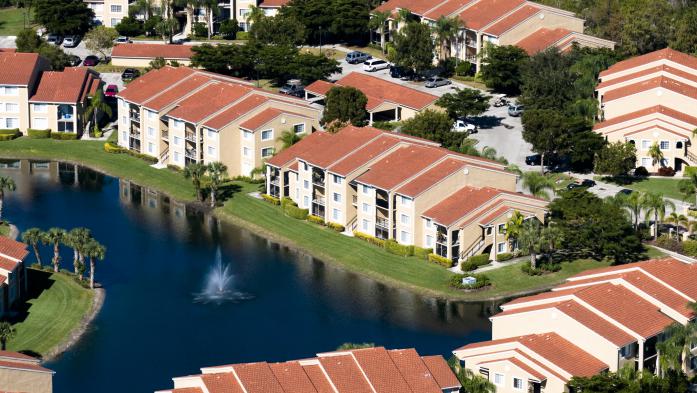
Navigating localized markets requires an intricate understanding of both macroeconomic trends and micro-level geographic variables. The Emerald Coast region, encompassing vibrant communities like Laurel Hill, Crestview, and surrounding Northwest Florida territories, presents a unique set of market drivers that underscore the value of specialized real estate professionals.
Market Dynamics of Northwest Florida
The real estate ecosystem in Northwest Florida is shaped by several distinct economic pillars:
- Military Relocation & Defense Personnel: The heavy concentration of military installations in the region generates a continuous, predictable influx of relocating service members and civilian contractors. Managing transactions for military personnel requires specialized knowledge of VA loan programs, PCS (Permanent Change of Station) timelines, and specialized relocation services.
- Rural-Suburban Growth Intersection: Communities like Laurel Hill (historically centered around 7021 Bill Lundy Road and surrounding rural tracts) blend traditional agricultural and acreage properties with burgeoning suburban developments. Assessing land value, mineral rights, easements, and zoning restrictions in these transitional zones demands specialized analytical skill sets far beyond standard urban brokerage.
- Coastal and Inland Interplay: Proximity to the Emerald Coast’s renowned beaches exerts an economic ripple effect inland, influencing property valuations, insurance considerations (particularly windstorm and flood coverage), and investment trends throughout Okaloosa County.
The Quantifiable Impact of Certified Professionals
Industry data consistently demonstrates the tangible benefits of working with credentialed real estate specialists:
- Transaction Velocity: Certified professionals typically execute transactions with fewer contractual delays, mitigating the risk of escrow fall-throughs. Their pre-emptive identification of title issues, structural disclosures, and financing contingencies streamlines the closing process.
- Pricing Accuracy: Advanced market analysis training enables certified agents to price properties within a tighter variance of final appraisal values, reducing days-on-market for sellers and preventing overpayment by buyers.
- Dispute Mitigation: By adhering to rigorous ethical codes and utilizing standardized, legally vetted documentation, certified practitioners experience significantly lower rates of post-closing litigation and client grievances.
Official Statements and Industry Perspectives
To contextualize the operational ethos driving top-tier agencies and certified professionals, industry leaders and association executives frequently emphasize the irreplaceable value of continuous professional development.

"The modern real estate consumer is more informed, more discerning, and faces greater financial stakes than at any point in history," notes a senior regional association spokesperson. "A standard license proves that an agent has met the minimum legal threshold to practice. However, advanced board certifications and active participation in local boards demonstrate a commitment to mastery, ethical leadership, and consumer advocacy that goes above and beyond statutory requirements."
Reflecting on the operational philosophy of firms like The Property Group 850 Inc., managing brokers continually stress that community integration and physical presence in the market are paramount. Operating from key infrastructural hubs—such as their office at 891 S Ferdon Blvd—allows firms to maintain a pulse on municipal developments, local tax adjustments, and shifting neighborhood demographics.
Furthermore, engagement with organizations like the Emerald Coast Association of Realtors ensures that practitioners remain synchronized with regional legislative updates, standard contract revisions, and advocacy efforts designed to protect private property rights. For professionals embedded in these networks, such as Kimberlie Griggs serving the Laurel Hill and greater Northwest Florida sectors, this institutional backing translates directly into superior client representation.
Future Outlook: The Next Decade of Real Estate Specialization
As we look toward the horizon of the 2030s, the real estate profession is poised for further disruption and refinement. Several key trends will dictate the future of market specialization:
1. Technological Integration and Artificial Intelligence
PropTech (Property Technology) platforms, automated valuation models (AVMs), and AI-driven client relationship management systems are redefining operational efficiencies. However, technology alone cannot interpret the emotional nuances of a family relocating to a rural acreage in Laurel Hill, nor can algorithms navigate complex negotiations during a contentious inspection contingency. The future belongs to the "hybrid professional"—agents who leverage cutting-edge technology while anchoring their services in deep human expertise and certified analytical acumen.
2. Heightened Environmental and Regulatory Scrutiny
Climate resilience, environmental impact studies, and evolving insurance landscapes are becoming central pillars of property transactions. Particularly in coastal and semi-rural regions of Florida, understanding environmental disclosures, zoning limitations, and hazard mitigation strategies will require advanced, specialized training. Certified professionals will act as indispensable risk-management consultants for buyers and sellers alike.
3. The Escalating Demand for Niche Expertise
As the market grows more segmented, generalist models are giving way to hyper-specialized niches. Whether dealing with complex estate sales, agricultural acreage, military relocations, or luxury investments, consumers will increasingly bypass uncredentialed agents in favor of recognized specialists who carry verified designations from accredited boards.
Conclusion
The trajectory of the real estate industry points unmistakably toward higher standards of accountability, education, and professional specialization. Practitioners who embrace this evolution—exemplified by dedicated local experts anchored within robust organizational frameworks like the Emerald Coast Association of Realtors—will continue to set the benchmark for excellence. For consumers navigating the complexities of modern property transactions, engaging with certified professionals is not merely an option; it is the ultimate safeguard for their most significant financial investments.

0 Comments