

Executive Overview
For three decades, designer, humanitarian, and author India Hicks has lived on "island time." Born in England to legendary British interior designer David Hicks and the late Lady Pamela Hicks, Hicks has long occupied a unique intersection of high-society pedigree and bohemian ease. Today, from her home base on Harbour Island in the Bahamas, she curates a life characterized by sun-drenched settings, eclectic guest lists, and a profound appreciation for the unscripted moments that make gatherings truly memorable.
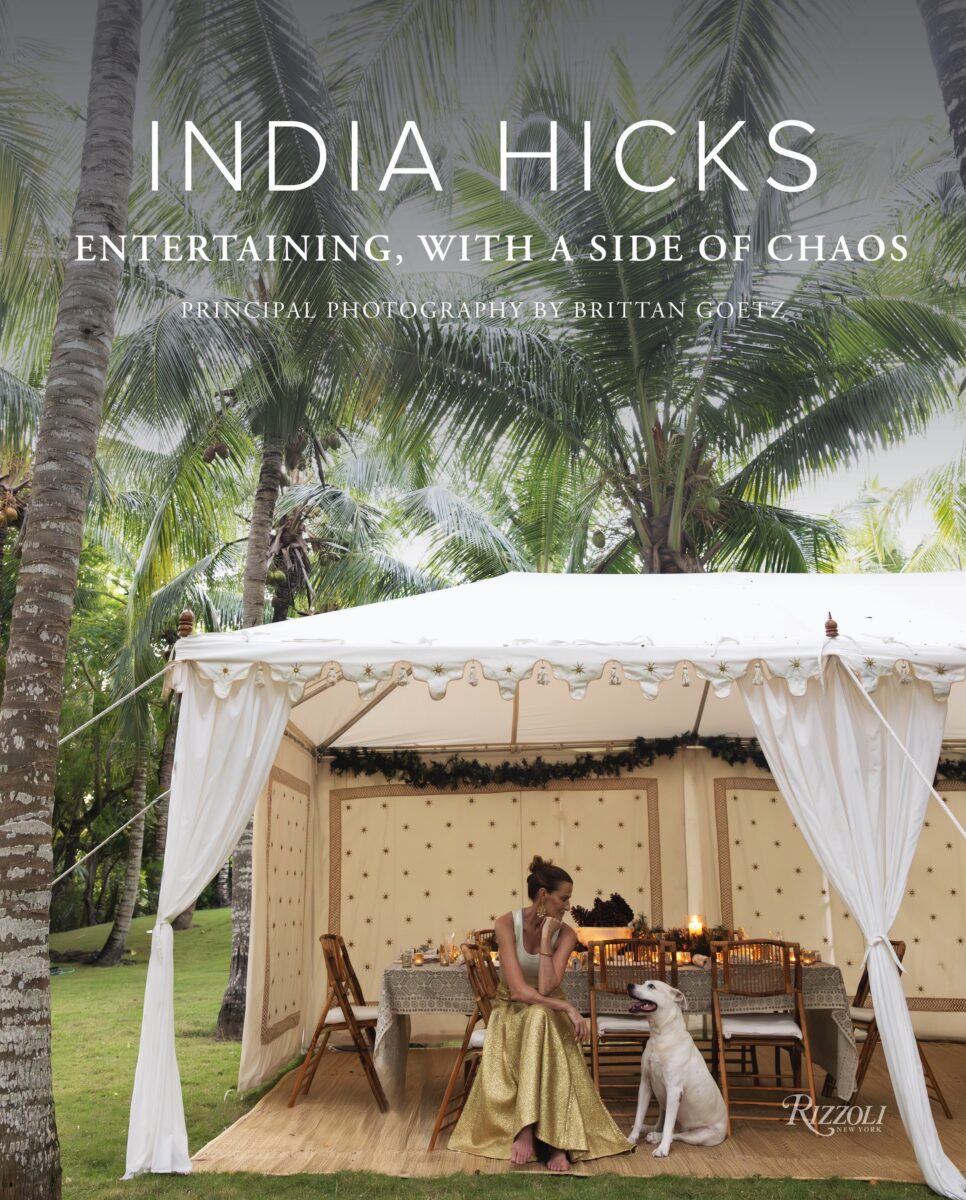
With the release of her latest book, India Hicks: Entertaining, with a Side of Chaos (published by Rizzoli), Hicks steps away from the rigid, immaculate standards of traditional entertaining to champion a refreshing philosophy: perfection is the enemy of hospitality. Drawing from a lifetime of globetrotting, a childhood steeped in formal British traditions, and the delightfully unpredictable logistics of island living, Hicks offers a masterclass in resourceful, low-stress hosting. In this comprehensive feature, we explore the evolution of her design ethos, the mechanics behind her artful gatherings, the vital role of delegation, and why embracing a little chaos ultimately leads to the most rewarding human connections.
Detailed Chronology: From Stiff Silver Butter Dishes to Island Improvisation
To understand Hicks’s current approach to entertaining, one must first look backward through her distinct chapters of life, tracing a steady evolution from aristocratic formality to barefoot hospitality.
The Formative Years: Strict Etiquette and Silver Toast Racks
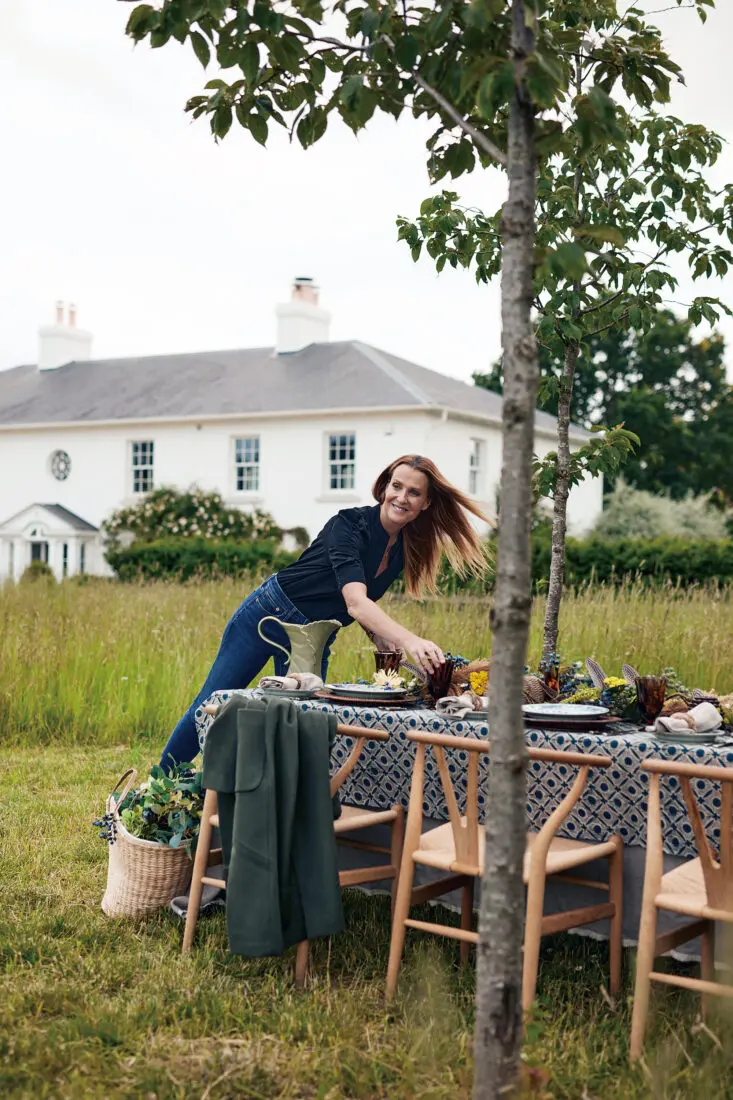
Growing up in England, Hicks’s early exposure to hosting was shaped by the rigid customs of British high society. Dining rooms of her youth were governed by strict rules of decorum, complete with formal place settings, specialized silverware, and predictable rituals.
"The way I grew up in England is very different from the way I entertain now," Hicks reflects. "The dining rooms were much more formal, everybody had a toast rack and a little silver butter dish."
While these experiences instilled a lifelong appreciation for structural design and spatial awareness, they also planted the seeds for a counter-movement within Hicks’s own aesthetic. She recognized early on that while formality has its place, it can often act as a barrier to genuine relaxation, keeping guests on edge rather than inviting them to let down their guard.
The Pivot to the Tropics: Thirty Years on Harbour Island
Thirty years ago, Hicks relocated to Harbour Island in the Bahamas, a move that fundamentally rewired her relationship with domestic life. Living on a picturesque yet isolated island meant bidding farewell to the instant gratification of metropolitan shopping trips. If a host needs fresh flowers, a replacement lampshade, or specialized table linen, running to a nearby department store is rarely an option.
This geographic constraint birthed Hicks’s signature style of resourceful improvisation. Stripped of high-street conveniences, she learned to lean heavily on imagination and the natural environment. Coconuts, palm fronds, and sun-bleached driftwood replaced imported centerpieces. Duvet covers were repurposed as expansive tablecloths. Rather than viewing these limitations as obstacles, Hicks embraced them as creative catalysts, proving that true style relies on ingenuity rather than an infinite budget.
The Catalyst of Change: The Seven-Year Gap and Recent Upheavals
The journey toward India Hicks: Entertaining, with a Side of Chaos spans a significant gap—it has been seven years since her last book on the subject. That hiatus was defined by global upheaval.
The onset of the COVID-19 pandemic reshaped how humanity interacts, forcing a collective reevaluation of domestic spaces. Concurrently, Hicks navigated the loss of a major business venture, forcing a personal and professional reset.
"In those seven years, an awful lot happened," Hicks notes. "We had COVID, I lost a big business, and the world changed. I realized there was a lot to share that played into how we live, entertain, and tell stories."
These combined trials stripped away superficial concerns, leaving behind a distilled appreciation for what matters most: gathering around a table with loved ones. The title of her new book is a deliberate disarming tactic, designed to immediately signal to readers that they will not find an unattainable, Instagram-filtered standard of flawlessness within its pages.
Supporting Context & Metrics: The Anatomy of an Unconventional Gathering
Hicks’s hosting philosophy is not merely a collection of aesthetic preferences; it is a meticulously structured approach to human psychology, spatial design, and culinary logistics.
The Philosophy of the Unpredictable Guest List
At the core of Hicks’s entertaining style is her approach to curating guest lists. Eschewing homogeneous gatherings where everyone shares the same background, Hicks actively seeks friction and cross-pollination.
Consider a typical evening at her Bahamian home: local figures—such as "Captain Bob," a beloved island character who runs the local supermarket—might share a table with an elite Hollywood film director or high-profile designers like David Lauren, son of fashion icon Ralph Lauren.
| Element of the Gathering | Traditional Approach | The India Hicks Approach |
|---|---|---|
| Table Decor | Imported floristry, matching crystal, fine china | Foraged nature (fronds, shells, coconuts), duvet-cover linens |
| Guest List | Socially stratified, homogenous circles | Eclectic mix of locals, travelers, and varied walks of life |
| Kitchen Role | Host acts as executive chef and server | Delegation to professional partners (e.g., chef Claire Williams) |
| Atmosphere | Strict adherence to timeline and flawless execution | Intentional lighting, relaxed pacing, an emphasis on lingering |
This deliberate blending breaks down social barriers, generating organic curiosity and rich, unexpected table conversation. When young children are present—such as the Lauren family’s recent visit—the environment adapts seamlessly. Guests might find themselves sipping drinks on the terrace alongside the family tortoise, watching children feed him watermelon, or interacting with tactile elements like massive seashells scattered across the tables.
The Kitchen Divide: The Power of Delegation
One of the most liberating pieces of advice Hicks offers in her new book centers on the kitchen. While many modern hosts feel pressured to execute every culinary detail themselves, Hicks makes no apologies for stepping away from the stove.
Throughout the book, she frequently credits her "top banana," chef Claire Williams. Rather than getting bogged down in food preparation, Hicks acts as a creative director, collaborating closely with Williams to design menus inspired by her extensive international travels.
"I admire those who can do it all, but I don’t want to be in a kitchen. That’s not where my skillset lies," Hicks explains. "I like to tell women particularly, that is okay. It’s a choice."
This division of labor frees the host to focus on what truly matters: seating arrangements, atmospheric lighting, and psychological comfort.
The Southern Influence and Global Etiquette
Despite her deep British roots and island lifestyle, Hicks maintains a profound appreciation for the American South. Having spent considerable time traveling through the region—and previously publishing a tribute to her mother, Lady Pamela: My Mother’s Extraordinary Years—Hicks notes a distinct synergy between traditional British propriety and Southern hospitality.
"One of the things [my mother] spoke about was manners," Hicks recalls. "I realized it takes so little to use our manners, and yet I think we’re losing them. The South is extraordinary and a wonderful example of where manners are still first and foremost."
Whether it is "minding your Ps and Qs" in an English country estate or observing the deeply ingrained courtesy of a Southern host, Hicks argues that polite behavior acts as social lubricant, ensuring guests feel seen, respected, and secure.
Official Insights and Practical Wisdom
To distill decades of high-profile hosting into actionable advice, Hicks distills her methodology into core tenets that any aspiring host can implement immediately, regardless of budget or square footage.
- Prioritize Lighting Over Perfection: No matter how casual the setting or how imperfect the table layout, Hicks insists that lighting is non-negotiable. Soft, intentional illumination instantly elevates a space and sets an intimate mood.
- Curate the Seating Chart: Thoughtful placement is an art form. Hicks spends considerable time analyzing who will enjoy sitting next to whom, pairing individuals who might learn from one another or spark fascinating cross-cultural debates.
- Embrace the Art of the Exit: Addressing the unspoken anxiety of when a party should end, Hicks includes a tongue-in-cheek chapter titled "How to Get Rid of Your Guests." She champions the healthy boundary of acknowledging that while hosting is a joy, a successful evening also requires a definitive conclusion so the host can rest.
- Worry Less, Play More: The ultimate takeaway from India Hicks: Entertaining, with a Side of Chaos is an emotional mandate. Hospitality should never feel like a performance audit. By releasing the need for absolute control, hosts open the door to genuine fun.
Future Outlook: The Shift Toward Soulful Hospitality
As India Hicks: Entertaining, with a Side of Chaos hits bookshelves this September, its arrival marks a timely cultural pivot. For years, domestic media has fixated on hyper-curated, clinical perfection—stylized charcuterie boards, flawless floral arrangements, and stress-induced precision that leaves hosts exhausted before the first guest even arrives.
Hicks’s manifesto arrives as a much-needed antidote to this fatigue. By championing the beauty of improvisation, the grounding reality of family life with five children, and the liberating art of delegation, she points the way toward a more sustainable, soulful future for modern entertaining.
As society continues to navigate a fast-paced, digitally saturated world, the physical act of gathering around a table—surrounded by eclectic company, foraged textures, and the beautiful, unscripted chaos of real life—remains one of our most vital human rituals. And under India Hicks’s guidance, that table has never looked more inviting.

0 Comments