

Executive Overview
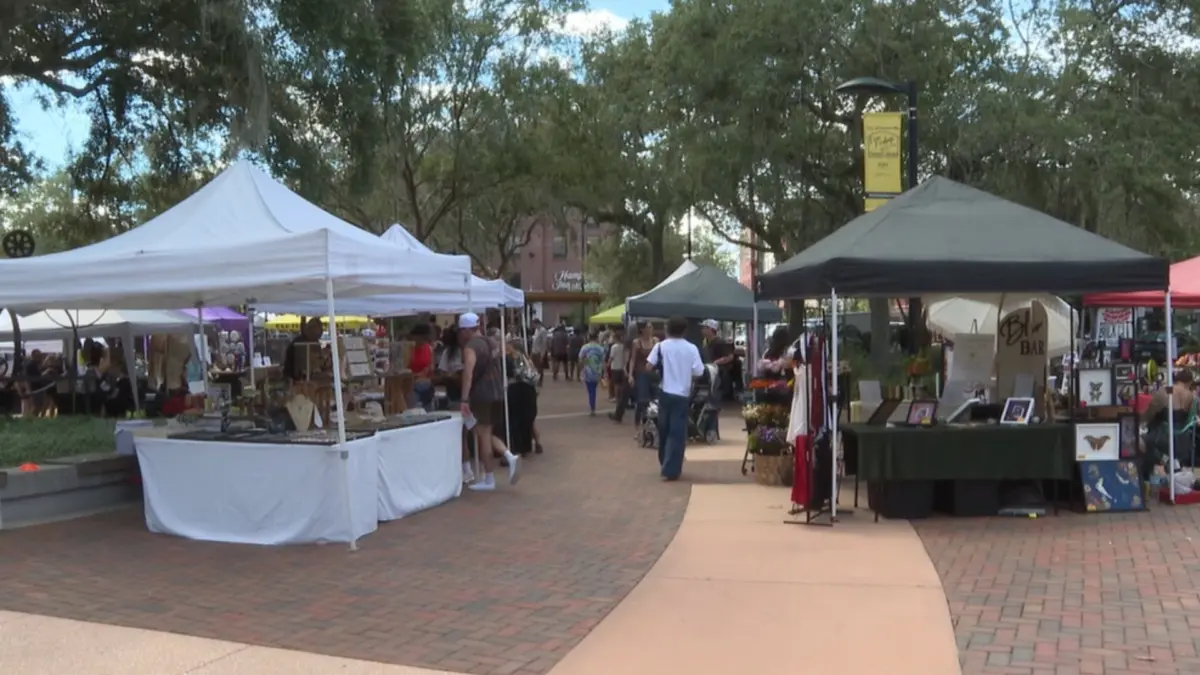
GAINESVILLE, Fla. — Beneath the shaded canopy of Bo Diddley Plaza in the heart of downtown Gainesville, the conventional lines of everyday life dissolved into a vibrant tapestry of the strange, the historical, and the fantastical. Hundreds of residents, creators, collectors, and enthusiasts converged on Saturday for the latest iteration of the Gainesville Oddities Market, an increasingly influential cultural fixture celebrating the alternative, the esoteric, and the handcrafted.
In an era dominated by homogenous commercial retail and digital hyper-connectivity, open-air niche markets like the Oddities Market serve as physical sanctuaries for self-expression. Featuring vendors offering taxidermy, vintage medical oddities, dark art, handcrafted leatherwork, bespoke costuming, and historical artifacts, the event offered more than mere commerce. It functioned as an immersive socio-cultural happening.
The gathering underscores a broader national renaissance in subcultural commerce, where consumers increasingly reject mass-produced goods in favor of items with narrative weight, provenance, and idiosyncratic charm. For Gainesville—a university town historically known for its eclectic arts scene—the market acts as a vital economic and social incubator. It provides a dedicated physical platform for independent makers whose work falls outside the parameters of traditional commercial galleries.
This deep-dive report examines the anatomy of the Bo Diddley Plaza Oddities Market, exploring the motivations of its participants, the psychological appeal of escapism through costuming and collecting, the economic implications of the alternative maker movement, and the enduring ethos of keeping Gainesville delightfully unconventional.
Detailed Chronology: The Evolution of a Subcultural Hub
Morning Setup and the Arrival of the Esoteric
The morning sun broke over downtown Gainesville at 8:00 AM, casting long shadows across the concrete expanse of Bo Diddley Plaza as the first wave of vendors began unpacking their wares. For weeks, organizers had curated the roster of participants, ensuring a balanced mix of visual artists, antique collectors, herbalists, and costume designers.
By 10:00 AM, the plaza had transformed entirely. White pop-up tents buzzed with the quiet energy of merchants arranging Victorian mourning jewelry, preserved specimens in glass jars, hand-bound grimoires, and Gothic apparel. The air smelled faintly of aged paper, dried lavender, and burning sage.
Early attendees—often seasoned collectors and local arts advocates—browsed the tables with practiced care, inspecting bone carvings, mid-century occult ephemera, and intricate copper-wire jewelry. Unlike standard flea markets, where bargains are the primary currency, transactions here were accompanied by deep dives into provenance and creation. Vendors were eager to share the history of an 19th-century surgical kit or explain the chemical processes behind a piece of acid-etched metalwork.
Peak Hours: The Convergence of Cosplay and Commerce
As the clock struck noon, foot traffic surged. The demographic makeup of the crowd expanded rapidly, drawing families, University of Florida students, downtown lunch crowds, and an impressive assembly of cosplayers in elaborate, handcrafted attire.
The visual landscape of the plaza shifted dramatically. Steampunk aviators with brass goggles and leather corsets mingled seamlessly with dark fantasy sorcerers, gothic lolitas, and meticulously detailed sci-fi warriors. The permeability of the boundary between merchant, performer, and attendee became the defining characteristic of the afternoon.
Performers and creators utilized the public space not merely as a marketplace, but as a stage for living history and performative art. Photographers lined the perimeter, capturing the striking contrast between the brutalist architecture of the plaza and the baroque, fantasy-infused aesthetics of the participants.
Interviews conducted throughout the peak hours revealed a shared psychological motivation among the costumed attendees: the deliberate reclamation of personal agency through alternative identities. Javier Alvarez, a prominent local performer and costuming enthusiast, articulated this sentiment during a brief respite from the midday crowds.
"This is a way to teach history, to show your other persona, because modern life is too boring," Alvarez remarked, adjusting the intricate leather straps of his period-inspired gear. "Now, having a persona and coming up with a new character for yourself is a lot of fun, and it is a great way to escape the reality of our lives."
Alvarez’s perspective touches on a core sociological phenomenon: the therapeutic utility of play and theatricality in mitigating the alienation often produced by contemporary, routine-driven urban existence.
Afternoon Panels and Community Integration
As the afternoon progressed, the focus shifted from transactional browsing to community engagement. Organizers facilitated informal discussions regarding local arts funding, historical preservation, and the ethics of collecting esoteric antiquities.
Local makers shared insights into their respective trades—ranging from the meticulous taxidermy ethical sourcing guidelines to the chemical safety protocols required for working with oxidized metals. These spontaneous masterclasses highlighted the educational undercurrent of the event, reinforcing that the Oddities Market is as much an intellectual exchange as it is a retail venue.
By 4:00 PM, as the golden hour light began to slant across the plaza, final transactions were completed, packing crates were loaded back into vans, and the temporary sanctuary of the strange began to recede, leaving behind an energized downtown district and a palpable eagerness for the market’s eventual return.
Supporting Context & Metrics: The Economics of the Alternative
The Rise of Niche Markets in Post-Pandemic Retail
The success of Gainesville’s Oddities Market is not an isolated phenomenon; it mirrors a national shift in consumer behavior. Over the past five years, open-air alternative markets, oddities conventions, and night bazaars have experienced exponential growth across the United States.
Market researchers attribute this trend to several converging factors:
- The "Authenticity Deficit": Consumers experiencing digital fatigue and saturation from algorithmically driven e-commerce platforms are actively seeking tactile, physical shopping experiences rooted in human craftsmanship.
- The Experience Economy: Modern consumers—particularly Millennials and Generation Z—prioritize spending discretionary income on unique experiences and one-of-a-kind items over mass-produced commodities.
- Micro-Communities of Interest: Niche subcultures that previously operated in isolated digital forums (such as subreddits dedicated to taxidermy, gothic fashion, or historical curiosities) are successfully converting online networks into physical foot traffic.
Gainesville’s Creative Economy
Gainesville has long punched above its weight class in terms of cultural output, largely driven by the intellectual and creative capital associated with the University of Florida. However, municipal arts planners note that maintaining a diverse creative ecosystem requires active municipal support and accessible public spaces.
Bo Diddley Plaza, managed in coordination with downtown development initiatives, serves as a vital civic engine. Events like the Oddities Market generate substantial economic ripple effects for the immediate downtown district:
- Foot Traffic Conversion: Local brick-and-mortar establishments, including coffee shops, restaurants, and independent bookstores surrounding the plaza, reported noticeable spikes in patronage during market hours.
- Micro-Enterprise Incubation: For many local artisans, the Oddities Market acts as a low-risk testing ground to gauge public interest in new product lines before scaling up to regional conventions or permanent storefronts.
- Cultural Tourism: Specialized markets attract visitors from surrounding regional hubs—including Ocala, Jacksonville, Orlando, and Tampa—transforming Gainesville into a destination for regional subcultural tourism.
Official Statements and Organizer Perspectives
Behind the spectacle of top hats, taxidermy, and theatrical costuming lies a rigorous operational framework managed by event coordinators dedicated to fostering local talent. Organizers emphasized that the primary mission of the Oddities Market extends far beyond commercial enterprise.
In post-event statements, founding organizers reflected on the cultural weight of maintaining an inclusive space for eccentricity:
"The market is not just a place for shoppers to buy things; it is a vital mechanism to share and validate local creativity," lead organizers stated. "In a world that constantly pushes for standardization and conformity, events like this remind people that imagination has value. We plan to keep the magic alive and keep Gainesville a little weird."
This commitment to "keeping Gainesville weird"—a slogan historically shared with other culturally eccentric university towns like Austin, Texas, and Portland, Oregon—serves as a protective mantra against rapid commercial gentrification. As downtown Gainesville experiences ongoing real estate development and shifting demographics, preserving physical public spaces for independent artists and unconventional subcultures becomes an act of cultural preservation.
Participating vendors echoed these sentiments, noting that the community fostered within Bo Diddley Plaza is characterized by mutual respect and inclusivity. Unlike traditional retail environments where hierarchical structures dominate, the Oddities Market operates on a horizontal plane of shared curiosity. Whether an attendee is purchasing a $5 enamel pin or admiring a museum-grade historical artifact, the barrier to entry is curiosity rather than capital.
Future Outlook: Sustaining the Esoteric in Modern Urban Planning
As the Gainesville Oddities Market looks toward its upcoming seasonal iterations, planners and city officials are evaluating strategies to expand the event’s capacity without sacrificing its intimate, grassroots character.
Scalability vs. Authenticity
The primary challenge facing the market’s leadership is managing exponential growth. With social media engagement reaching record highs and attendance numbers swelling with each successive event, organizers face the delicate task of scaling operations while preserving the authentic, underground atmosphere that drew participants in the first place.
Future operational adaptations under consideration include:
- Expanded Vendor Zoning: Exploring adjacent pedestrian corridors around Bo Diddley Plaza to safely accommodate a larger roster of makers without overcrowding pedestrian walkways.
- Educational Programming Workshops: Partnering with local historical societies and university departments to host structured daytime lectures on artifact preservation, dark history, and alternative art forms.
- Civic Partnerships: Strengthening collaborations with municipal tourism boards to officially integrate alternative arts festivals into Gainesville’s annual cultural calendar.
The Enduring Appeal of the Unconventional
Ultimately, the success of the Gainesville Oddities Market offers a powerful lesson in modern urban sociology. Human beings possess an innate desire for wonder, narrative, and individual differentiation. When modern life feels increasingly sterile, predictable, and digitally mediated, physical spaces that celebrate the unusual provide an essential psychological release valve.
As Javier Alvarez and hundreds of fellow participants packed up their gear and stepped back into the rhythms of ordinary life, the impact of the day lingered. By carving out a temporary zone for history, fantasy, and the delightfully strange, Bo Diddley Plaza reaffirmed Gainesville’s status as a city where imagination is not merely tolerated, but enthusiastically celebrated. The magic was preserved, the bizarre was embraced, and Gainesville’s unique cultural heartbeat continued to beat with unapologetic eccentricity.

0 Comments