
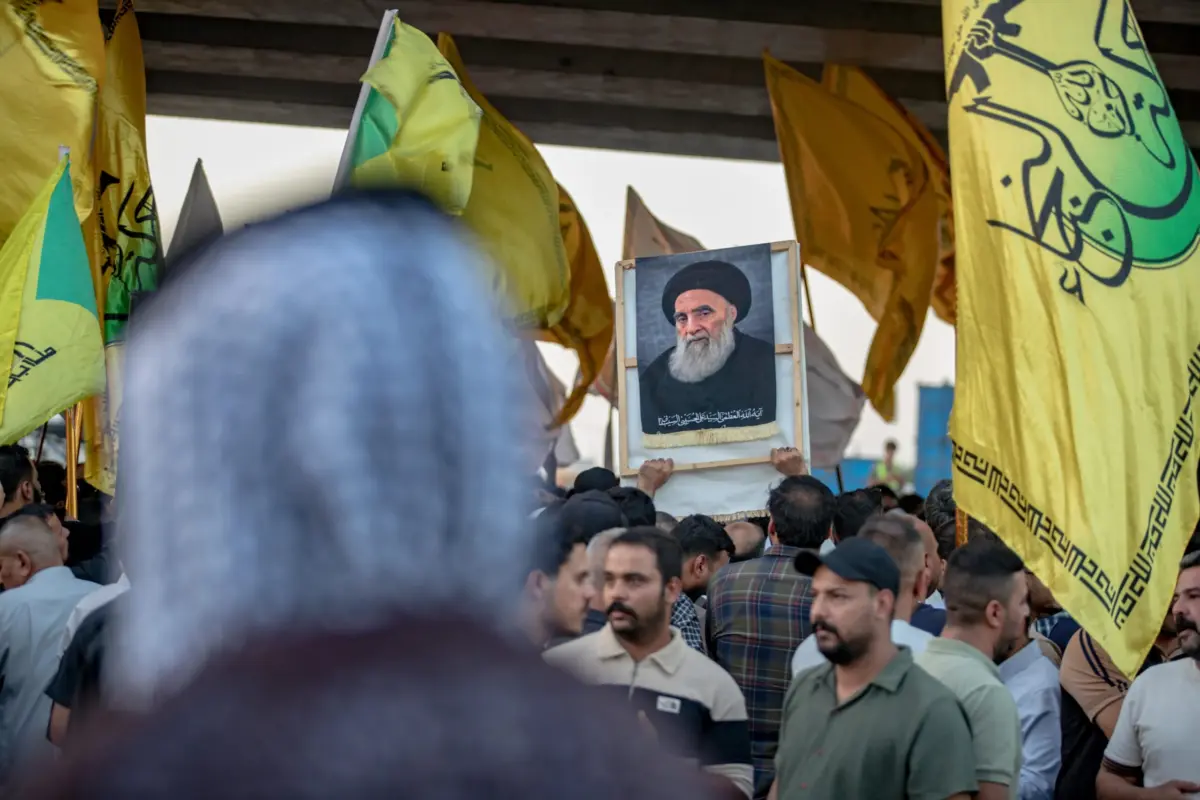

BAGHDAD — In a milestone that fundamentally reshapes the security landscape of the Middle East, the final contingent of United States military personnel was slated to depart Iraq on Wednesday. This historic transition brings to a close a complex, two-decade-long military footprint that began with the 2003 invasion to topple Saddam Hussein.
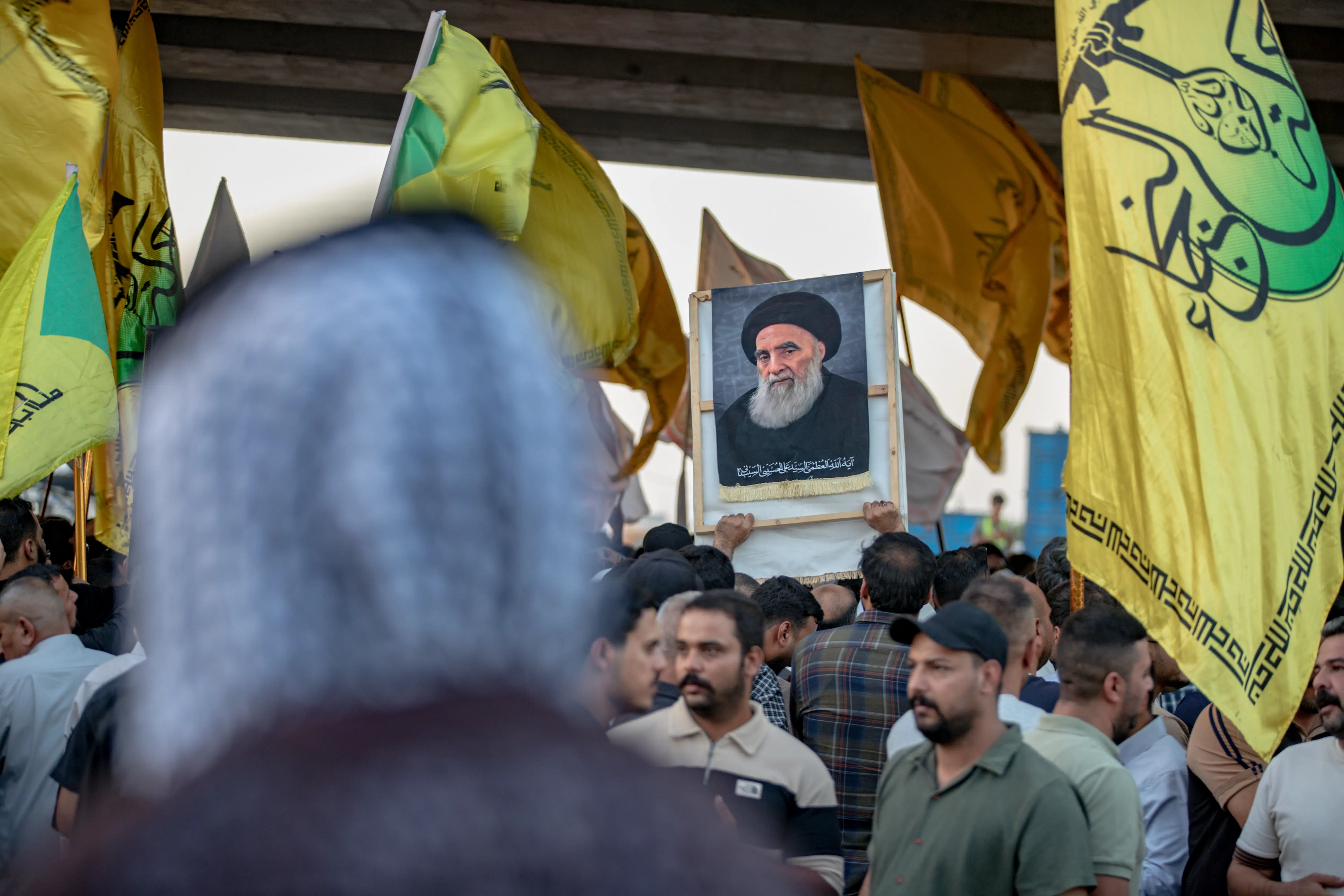
The exit—formalized under a bilateral security agreement between Baghdad and Washington—has drawn sharply polarized reactions across the country. While powerful Iran-backed militias celebrate the departure as a historic triumph over "occupying forces," regional leaders, particularly within Iraq’s semiautonomous northern Kurdish enclave, are sounding urgent alarms over a widening security vacuum amid an escalating regional conflagration involving Iran, Israel, and the United States.
Executive Overview
The final withdrawal of American forces unfolds against a backdrop of severe regional instability. Originally invited back into Iraq in 2014 at the head of an international coalition to roll back the territorial caliphate of the Islamic State (IS), U.S. forces had spent recent years transitioning into an advisory and support role. Following a 2024 accord between Washington and Baghdad to wind down the coalition mission, the footprint had already shrunk significantly, leaving a small contingent primarily stationed in the Kurdish region.
However, the timeline of this exit has been severely complicated by the outbreak of open hostilities between the U.S., Israel, and Iran on February 28. In the months since, U.S. bases in northern Iraq have repeatedly been targeted by drone and missile strikes. Meanwhile, powerful domestic armed factions aligned with Tehran have flexed their political and military muscles, defying government deadlines for disarmament and exerting mounting pressure on Prime Minister Ali al-Zaidi’s administration.
As the last American transport aircraft lift off from Iraqi airfields, policymakers in Baghdad and foreign capitals are left grappling with a precarious question: Can a fragmented Iraqi state maintain domestic stability and external deterrence without a Western security anchor, or will the nation slide deeper into the orbit of regional proxies?
Detailed Chronology: From Invasion to Final Departure
To understand the weight of Wednesday’s withdrawal, observers must view it through the long, turbulent lens of modern Iraqi history. The timeline of U.S. military involvement is defined by distinct, high-stakes eras:
1. The 2003 Invasion and First Departure (2003–2011)
In March 2003, a U.S.-led coalition launched Operation Iraqi Freedom, swiftly dismantling the Baathist regime of Saddam Hussein. What followed was a brutal insurgency, sectarian civil war, and a prolonged counterinsurgency campaign. Fulfilling a bilateral status-of-forces agreement, the vast majority of U.S. combat troops officially withdrew from Iraq in December 2011, leaving behind a sovereign government struggling to manage internal political fissures.
2. The Resurgence of IS and the Return of the Coalition (2014–2023)
The premature departure, combined with regional spillover from the Syrian civil war, created a security vacuum exploited by the extremist Islamic State group. In the summer of 2014, IS militants blitzed across western and northern Iraq, capturing major urban centers like Mosul and threatening Baghdad. In response to a formal SOS from Iraqi authorities, Washington assembled a new global coalition to provide crucial air support, intelligence, and logistical backing to Iraqi security forces and the Kurdish Peshmerga.
3. The 2024 Wind-Down Accord and Phase-Out
By the early 2020s, the territorial caliphate had been crushed, leaving IS reduced to isolated, clandestine sleeper cells operating in remote desert and mountainous terrain. Recognizing the shifted threat matrix, Washington and Baghdad initiated formal talks, culminating in a 2024 agreement to systematically draw down and terminate the formal coalition military mission by late 2025 and 2026.
4. The 2026 Regional War and Accelerated Exit
While U.S. forces had successfully vacated most traditional bases across central and southern Iraq over the prior year, a strategic contingent remained embedded in the Kurdish region. These positions became immediate flashpoints following the outbreak of the U.S.-Israel-Iran war on February 28. The ensuing cross-border bombardments forced an expedited timeline for the final evacuation, culminating in Wednesday’s complete clearance of remaining personnel.
Supporting Context & Metrics
The logistics and geopolitical repercussions of the withdrawal are best understood through key data points tracking the footprint of the coalition and the threat environment in Iraq:
- Two Decades of Presence: The U.S. military presence spans nearly 24 years, punctuated by a brief three-year hiatus between December 2011 and mid-2014.
- The Kurdish Security Vacuum: According to official figures released by the Peshmerga Ministry of the Kurdistan Regional Government (KRG), northern bases have absorbed over 1,000 drone and ballistic-missile attacks since the onset of the broader U.S.-Iran conflict in late February.
- Militia Disarmament Slippage: Prime Minister al-Zaidi’s government initially anchored the U.S. withdrawal timeline to an absolute September 30 deadline mandating the disarmament of all non-state armed groups. However, due to stiff resistance from powerful Iran-aligned factions, that disarmament deadline has been officially deferred to June 2027.
- Regional Network Integration: Beyond domestic skirmishes, powerful Iraqi Shiite militias have increasingly coordinated operational directives with regional allies, including Yemen’s Houthi movement, resulting in synchronized pressure campaigns targeting critical energy infrastructure in neighboring Saudi Arabia.
Official Statements and Stakeholder Perspectives
The divergence in tone between official state actors, regional authorities, and powerful militant factions underscores the deep fractures within Iraqi society.
The Federal Government: Walking a Tightrope
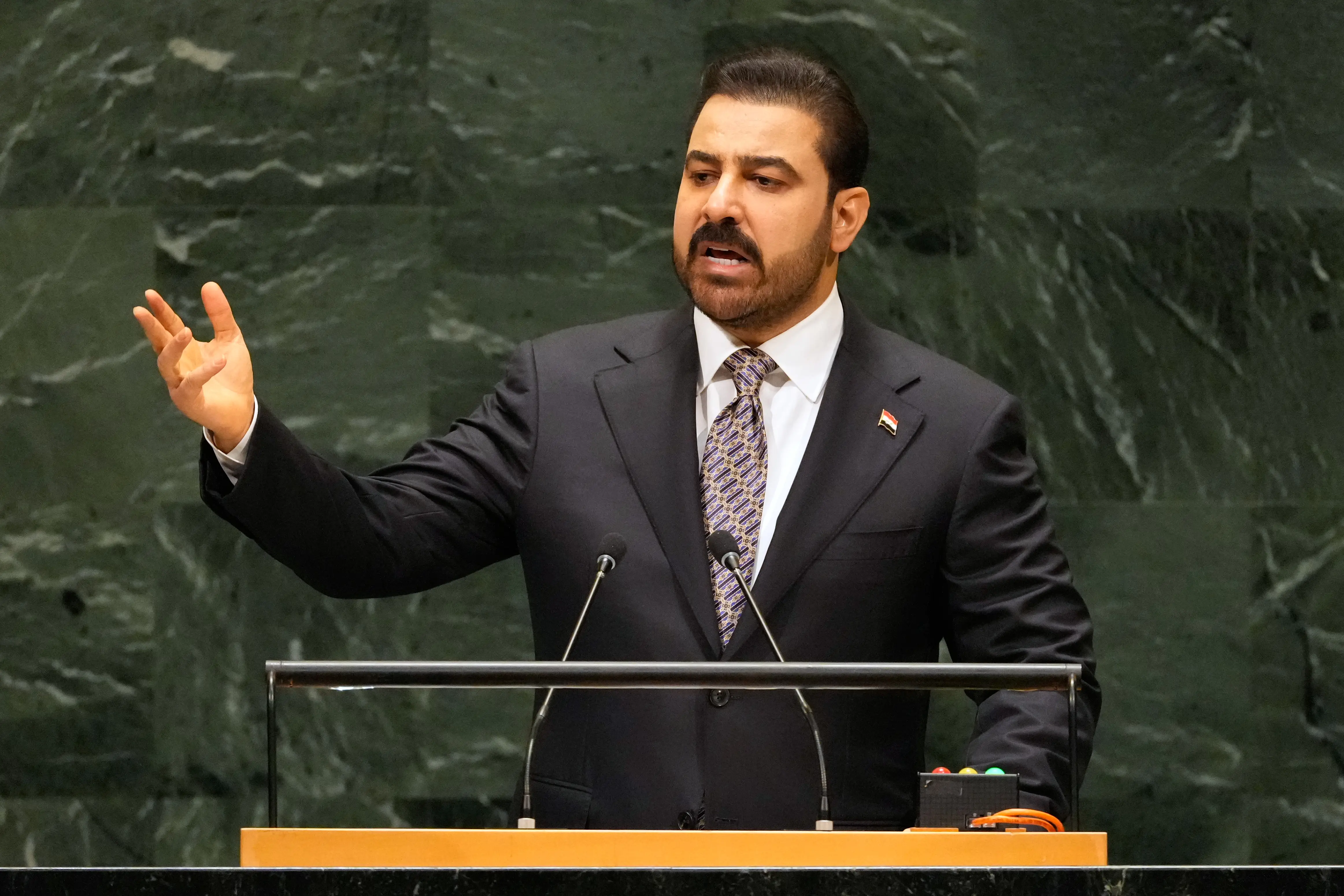
Prime Minister Ali al-Zaidi, speaking on the global stage during the 81st session of the United Nations General Assembly in New York, sought to project an image of national sovereignty and balanced diplomacy. However, back home, his administration faces immense pressure. Having initially tied the U.S. exit to the neutralization of rogue militias, the government was forced to walk back those ultimatums. Realizing the state lacked the coercive power to force heavily armed, entrenched factions to lay down their weapons by fiat, al-Zaidi’s office extended the disarmament window to mid-2027—a move critics view as a sign of institutional weakness.
The Kurdish Region: Deepening Anxiety
In stark contrast to the celebratory rhetoric emerging from Baghdad’s political elite, leaders in the autonomous Kurdish region view the departure of American forces—and crucially, the accompanying U.S. air defense umbrellas—as an existential threat.
In a pointed public statement, the Peshmerga Ministry minced no words regarding the vulnerability of northern Iraq:
"The departure of the United States from the Kurdistan Region under these complex regional circumstances, without the provision of a comprehensive defense system, is a matter of profound concern," the ministry declared, highlighting the relentless barrage of drone and missile strikes directed at their territory.
The Militias: A Militant Triumph
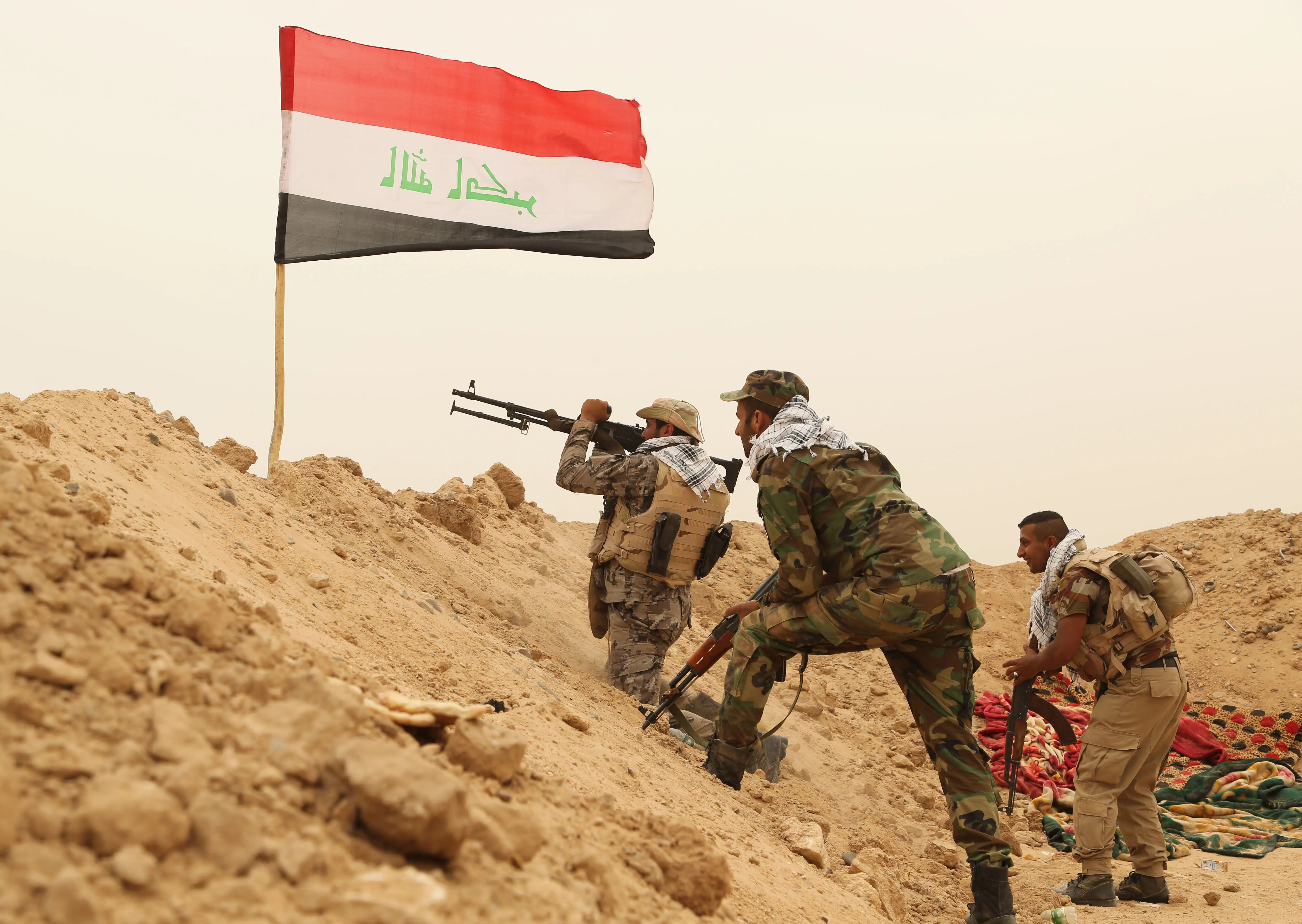
Conversely, Iran-aligned armed groups have framed the American departure as an unmitigated historic victory, signaling their intent to dominate the post-U.S. political order.
Abu Mujahid al-Assaf, a senior security official with the powerful Kataib Hezbollah militia, released a triumphalist statement:
"The expulsion of the occupation forces, defeated, from the land of Iraq is the beginning of full sovereignty."
Al-Assaf also issued a thinly veiled ultimatum to Prime Minister al-Zaidi’s government, warning against any residual cooperation with Western intelligence or strategic planning:
"Any government that does not work for the benefit of the people will be overthrown by all means."
Future Outlook: Navigating the Post-American Era
As the final U.S. personnel clear Iraqi airspace, the nation stands at a perilous crossroads. The central challenge facing Prime Minister al-Zaidi’s administration is twofold: establishing a monopoly on the legitimate use of force within its own borders, and deterring aggressive foreign interference from a resurgent Iran and its regional proxies.
Several critical trajectories will define Iraq’s immediate future:
- The Militia Equation: With the extended June 2027 deadline for non-state armed group disarmament now on the horizon, all eyes are on whether Baghdad can leverage political incentives and economic integration to bring powerful factions under state control—or whether these groups will continue to operate as a "state within a state."
- Kurdish Vulnerability and Federal Tensions: The removal of Western air defense assets leaves the Kurdish region exposed to continuous cross-border kinetic threats. How Erbil and Baghdad negotiate joint security arrangements in the absence of a U.S. referee will test the resilience of the federal constitution.
- Economic and Infrastructure Security: As regional hostilities involving Iran, Israel, and Gulf neighbors persist, Iraq risks becoming a primary proxy battlefield. Protecting vital oil infrastructure, securing international trade routes, and preventing the resurgence of IS sleeper cells will require an unprecedented level of operational competence from regular Iraqi security forces.
Ultimately, while the departure of foreign combat troops fulfills a long-standing nationalist aspiration for many Iraqis, it also strips away the external scaffolding that has held together a deeply fractured security architecture for over a decade. Whether Iraq can transform this moment of departure into genuine sovereignty or descend into deeper internal turmoil remains the defining geopolitical question of its modern era.

0 Comments