

Nestled within the bustling, sun-drenched barrier island of Folly Beach, South Carolina, lies a sanctuary that defies the rapid pace of modern coastal development. Spanning eighteen acres of dense swampy forest, meandering trails, and isolated river frontage, the Folly River House serves as a living museum, an eclectic artist’s retreat, and an unyielding de facto wildlife refuge.
Acquired in 1999 by artist and retired e-commerce executive Jim Rocco, the property was initially viewed by the local community as a write-off—a chaotic dumping ground choked by decades of unchecked overgrowth and occupied transiently by squatters. Today, following more than two decades of meticulous, low-impact stewardship, the estate stands as the single largest contiguous cluster of dense, untouched forest on the island’s west side.
While the surrounding municipal grid of Folly Beach has seen a dramatic proliferation of short-term rental properties, modern beach houses, and tourist infrastructure, Rocco’s estate remains a defiant emerald enclave. Operating at the intersection of historic preservation, wildlife conservation, and outsider art, the Folly River House is a testament to the power of intentional land preservation. Supported by his late wife, Shann, Rocco transformed a neglected tract into a vibrant ecosystem where native white-tailed deer, bald eagles, great blue herons, and bobcats roam freely.
Beyond its environmental value, the property is a historical touchstone. Archival records indicate the land served as a 1930s boys’ summer camp and, dating further back, a strategic supply depot and staging ground for Union forces during the American Civil War. In the modern era, Rocco has infused the landscape with his own creative signature—commissioning emerging craftsmen, building towering log-stack American flag sculptures embedded with historical artifacts, and dedicating his life to a simple, resonant ethos: “Make magic. Be inspired. Get back to nature.”
Detailed Chronology: From Dumping Ground to Ecological Gem
Pre-20th Century: Civil War Logistics and Untamed Wilderness
Long before Folly Beach became a celebrated surfing destination and weekend getaway, its marshlands and thick maritime forests played a strategic role in American history. According to historical documents preserved by former landowners, the acreage that now comprises the Folly River House served as a crucial staging area and supply depot for Union troops during the Civil War. Encircled by tidal creeks and dense canopies of palmetto and live oak, the terrain offered tactical isolation and direct access to the Folly River, making it an ideal staging ground for military logistics in the Lowcountry theater.
The 1930s: The Boys’ Summer Camp Era
As the region recovered and shifted away from its wartime footprint, the property experienced a brief period of organized human activity. During the 1930s, the land functioned as a seasonal summer camp for young boys. Campers navigated the same marshy trails and riverbanks that now define Rocco’s property, utilizing the rustic geography for outdoor education, recreation, and immersion in the isolated coastal wilderness. Following this brief chapter, however, the land slipped into decades of neglect, gradually reverting to a wild, unmanaged state.
1999: The Acquisition and the Legend of the Ten-Dollar Plot
By the late 20th century, the eighteen-acre tract had deteriorated into an environmental hazard and community eyesore. Desscribed by local onlookers as an "obvious teardown," the property was choked with debris, overrun by invasive species, and largely reclaimed by the swamp.
Enter Jim Rocco in 1999. Inspired by familial lore passed down through generations—specifically memories of his Italian immigrant grandfather from Naples, who frequently lamented missed real estate opportunities with the phrase, "Hey, Jimmy, you see that property over there? I could have bought that for $10"—Rocco took a whimsical approach to the purchase. Every time he heard the family lament, he dropped a single dollar into a dedicated jar. That accumulated mindset eventually drove him to acquire the neglected Folly Beach tract.
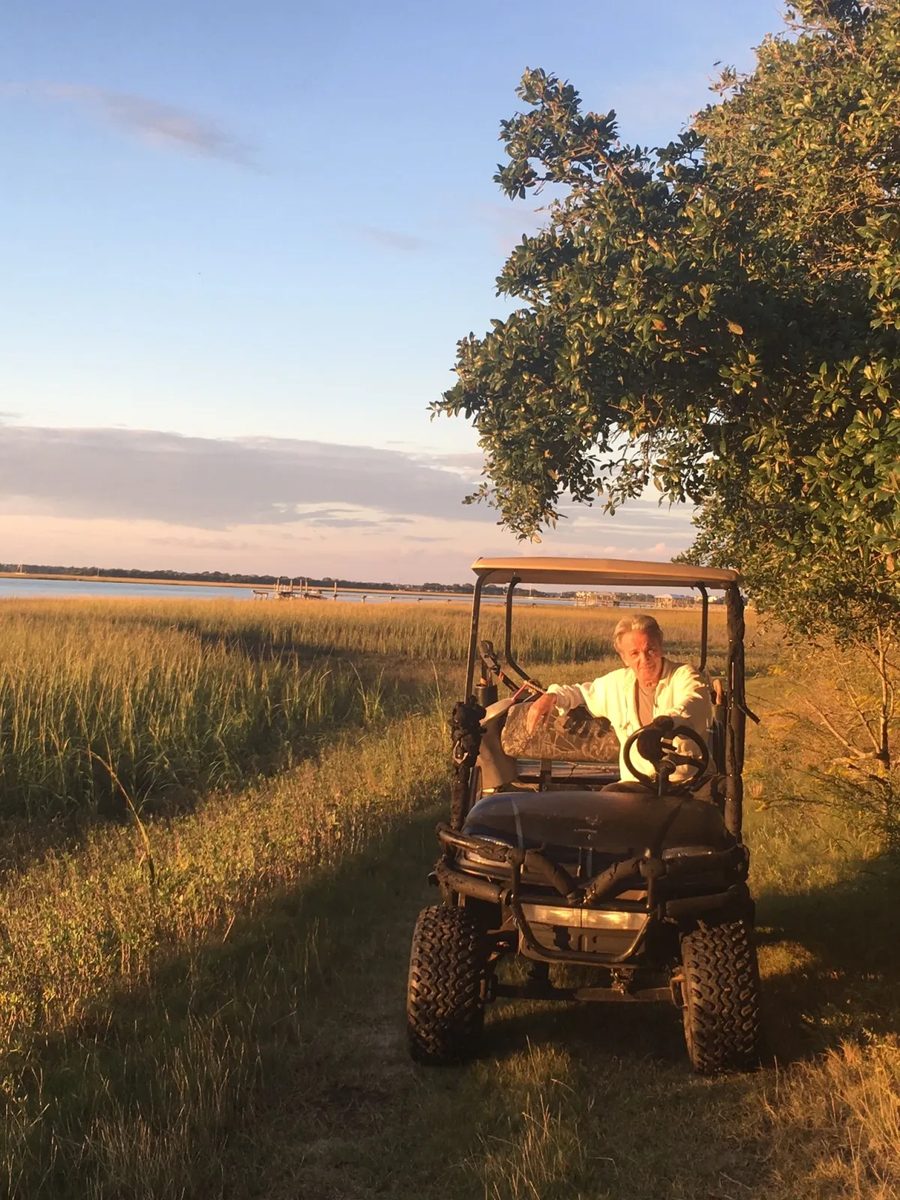
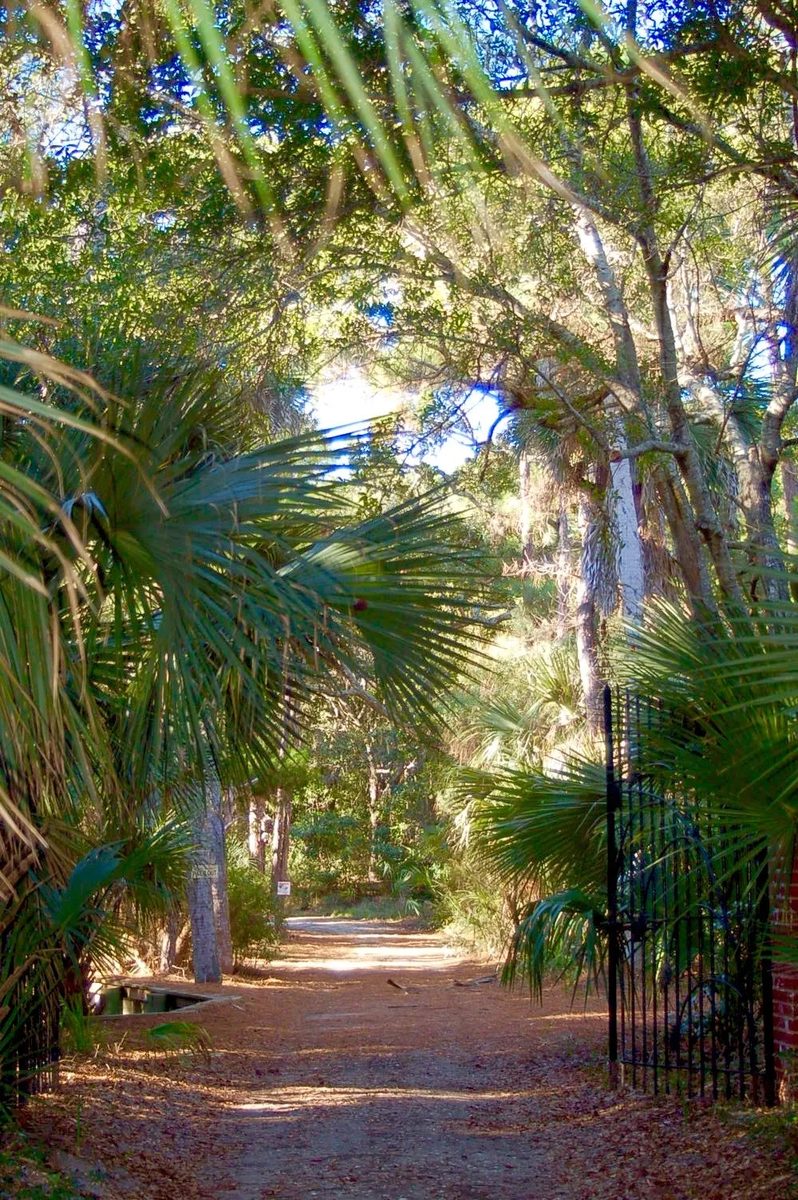
Upon taking possession, Rocco faced a daunting reality. Recalling the initial state of the land, he compares it directly to the dense, impassable jungle depicted in Humphrey Bogart’s classic film The African Queen.
"You couldn’t go ten feet. You couldn’t see the river. Everything was overgrown for years. It was just left here," Rocco recalls.
1999–Present: Two Decades of Restoration and Artistry
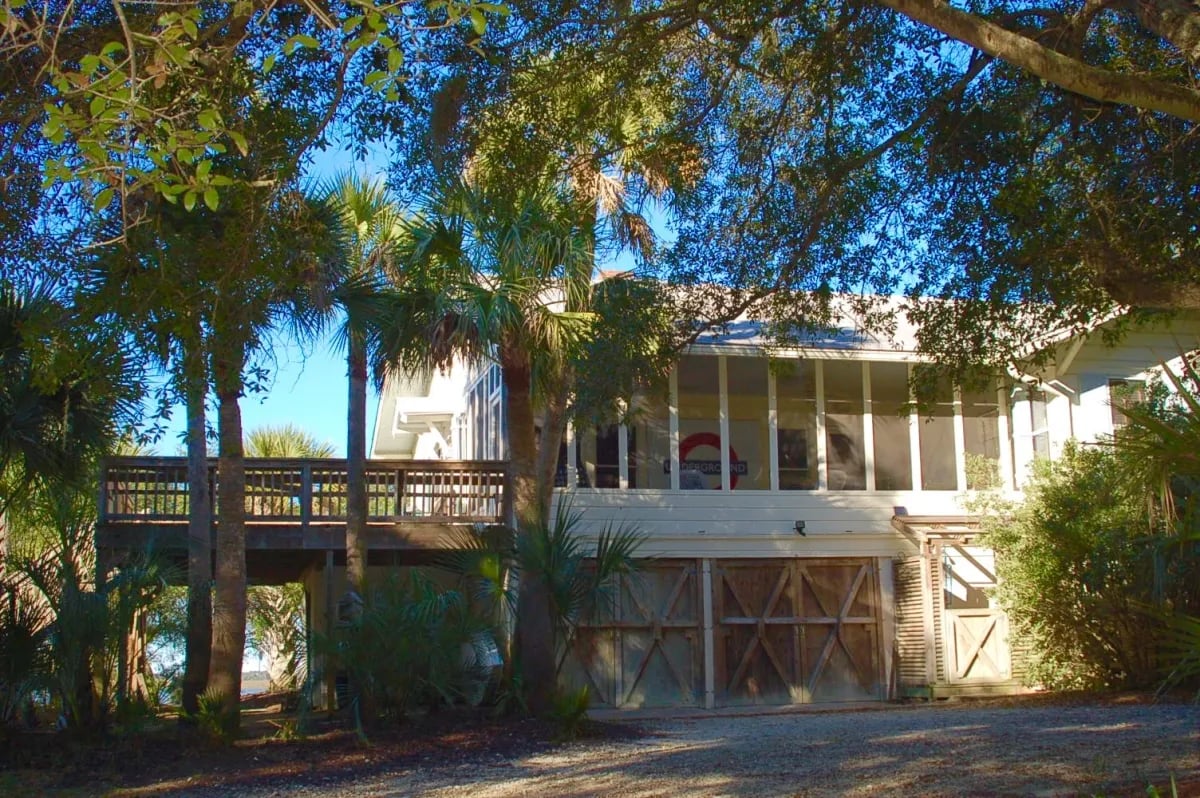
Rather than clearing the land for modern development—a route chosen by the vast majority of his contemporaries on the barrier island—Rocco, alongside his late wife Shann, made the conscious decision to leave the ecosystem intact. Over the next twenty years, the couple executed a slow, deliberate restoration project. They cleared navigable trails without disturbing the underlying hydrology, preserved the rustic early-1900s core structure, and established the property as a haven for both regional wildlife and creative expression.
Supporting Context & Metrics: Land Use and Conservation
Folly Beach Development Pressures
The juxtaposition between the Folly River House and the broader municipal landscape of Folly Beach highlights a critical regional challenge facing South Carolina’s barrier islands. A satellite overview of the island reveals a stark dichotomy: a highly regulated, dense grid of residential neighborhood streets and commercial zones, bordered by expansive salt marshes, and punctuated by a single, isolated block of deep, unbroken forest on the west side—Rocco’s property.
In recent decades, Folly Beach has experienced intense economic and demographic pressures. The proliferation of short-term vacation rentals has sparked continuous municipal debates regarding community character, housing availability, and environmental degradation. Against this backdrop of rapid commercialization, Rocco’s eighteen-acre refuge acts as an uncompromised ecological buffer, absorbing stormwater runoff, filtering tidal flows, and providing crucial nesting and hunting grounds for coastal fauna.
Wildlife Inventory and Ecosystem Health
Because the property has remained largely undisturbed by chemical fertilizers, artificial lighting, and heavy construction, it functions as a fully realized de facto wildlife refuge. Field observations and owner logs confirm a diverse population of permanent and migratory species:
- Avian Life: Bald eagles frequently hunt along the river boundaries, alongside great blue herons, egrets, and various wading shorebirds.
- Mammalian Wildlife: White-tailed deer routinely navigate the interior paths, while elusive bobcats maintain established territories within the dense underbrush.
- Aquatic Systems: The property’s private dock provides direct access to the Folly River, sustaining local fisheries, oyster beds, and diamondback terrapins.
Official Statements and Philosophy
Jim Rocco rejects the traditional label of "landowner," preferring instead to view himself as a temporary guardian or steward of a historic landscape. His philosophy is rooted in minimal intervention and maximum appreciation for the natural world.
Reflecting on the pivotal decision made years ago with his late wife, Rocco notes:
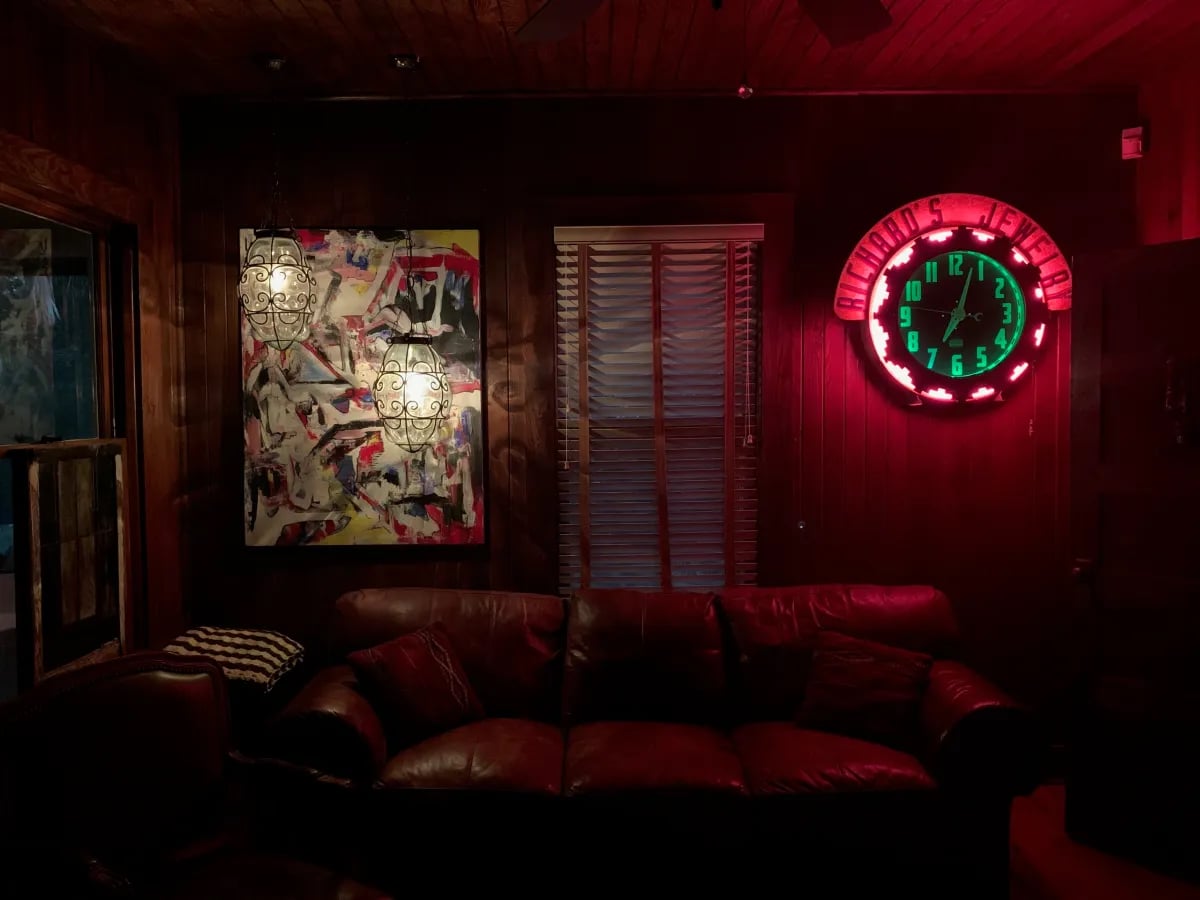
"In the end, we made the decision together. Keep it as is. Keep it special. And now it’s just a little gem. You come here and your world stops here."
This ethos extends directly into his artistic endeavors. In his spare time, Rocco collaborates closely with the American College of Building Arts (ACBA) in nearby Charleston, South Carolina. By offering mentorship and early professional commissions to students and young artisans, he bridges the gap between classical craftsmanship and environmental stewardship. Recent student-crafted installations slated for permanent display across the River House grounds include:
- A hand-carved stone and wood Poseidon throne.
- An intricately detailed Medusa head.
- A towering, seven-foot-tall statue of the regional folklore icon, the "Lizard Man."
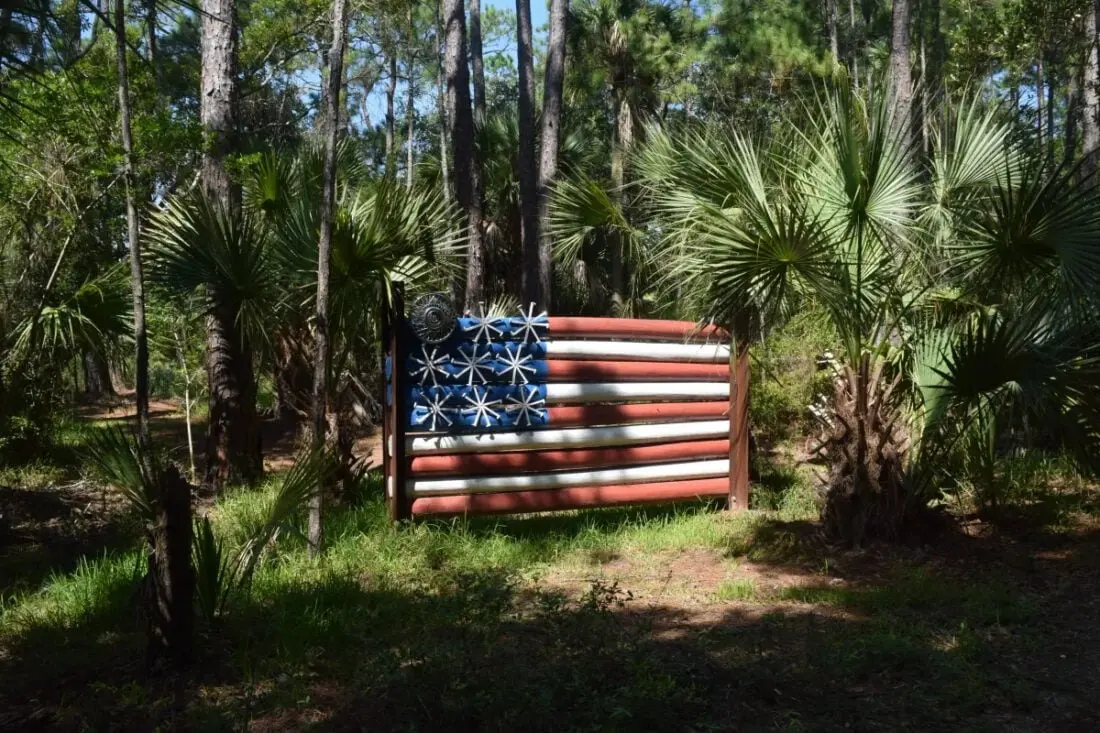
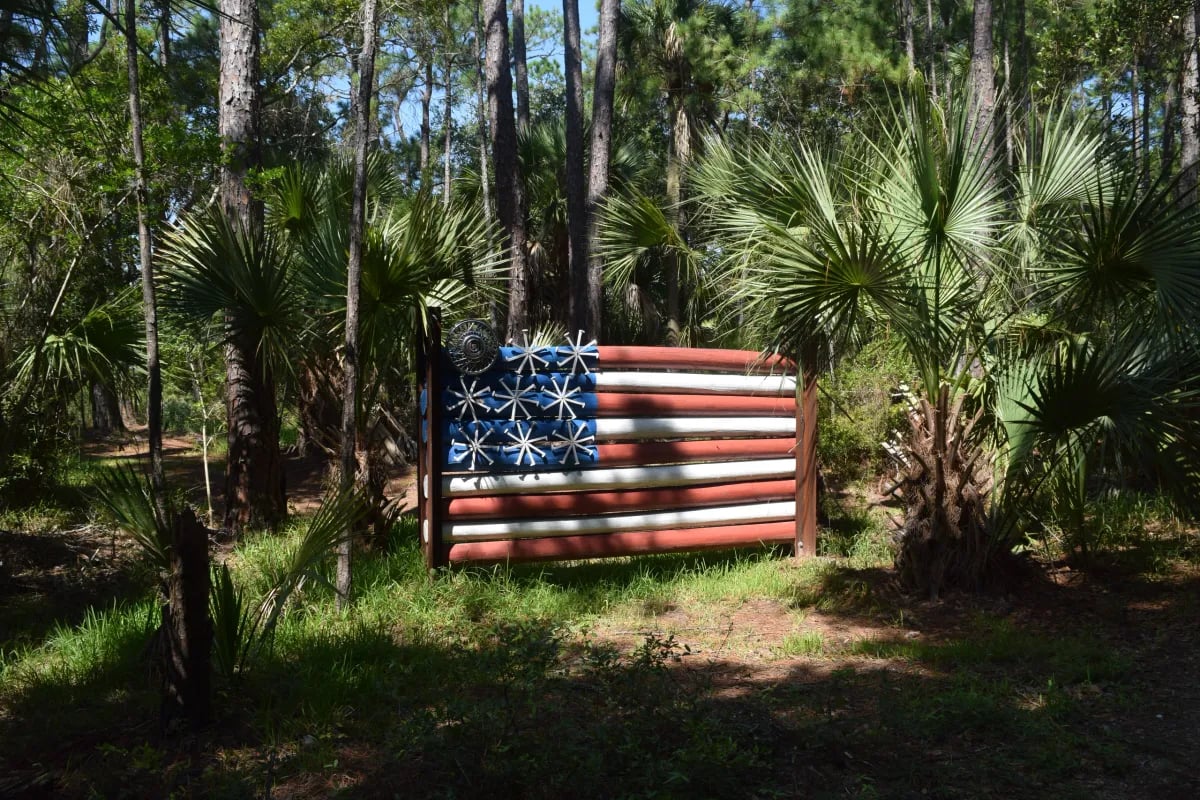
Rocco’s personal sculptural works further cement the property’s thematic connection to history and patriotism. Most notable are his locally celebrated American flag sculptures constructed from stacked, weathered logs. Eschewing traditional stars, Rocco embeds objects of deep personal and historical significance into the wooden matrix, including Civil War bullets, a vintage trombone, and his grandfather’s original iron pickax head.
His largest monumental flag, positioned on the island’s Huron Avenue near the entrance to Folly Beach, incorporates salvaged timbers from the former Folly Beach Pier. The installation honors the laborers who constructed the modern pier ahead of schedule and without dispute, serving as a physical anchor next to a public seating area bearing the town’s iconic moniker: The Edge of America.
Future Outlook
As the Folly River House enters a new era, succession planning and community engagement remain at the forefront of Rocco’s vision. While the property is occasionally made available to travelers seeking a secluded Lowcountry retreat via digital rental platforms, its primary function remains deeply personal—serving as a quiet sanctuary for Rocco, his extended family, and invited friends.
To ensure the long-term protection of the estate, Rocco is formalizing an exclusive boutique events business tailored specifically to the unique aesthetic and historical constraints of the site. Crucially, operational control of this enterprise is slated to transition to his daughter, guaranteeing that the ethos of preservation will pass safely to the next generation.
Furthermore, Rocco’s active partnerships with regional institutions like the American College of Building Arts ensure that the Folly River House will continue to function as an incubator for traditional craftsmanship. By combining historical reverence, active ecological defense, and outsider art, Jim Rocco has secured a permanent, wild counterweight to the commercial development of Folly Beach—proving that at the edge of America, nature and human creativity can not only coexist, but thrive.

0 Comments