


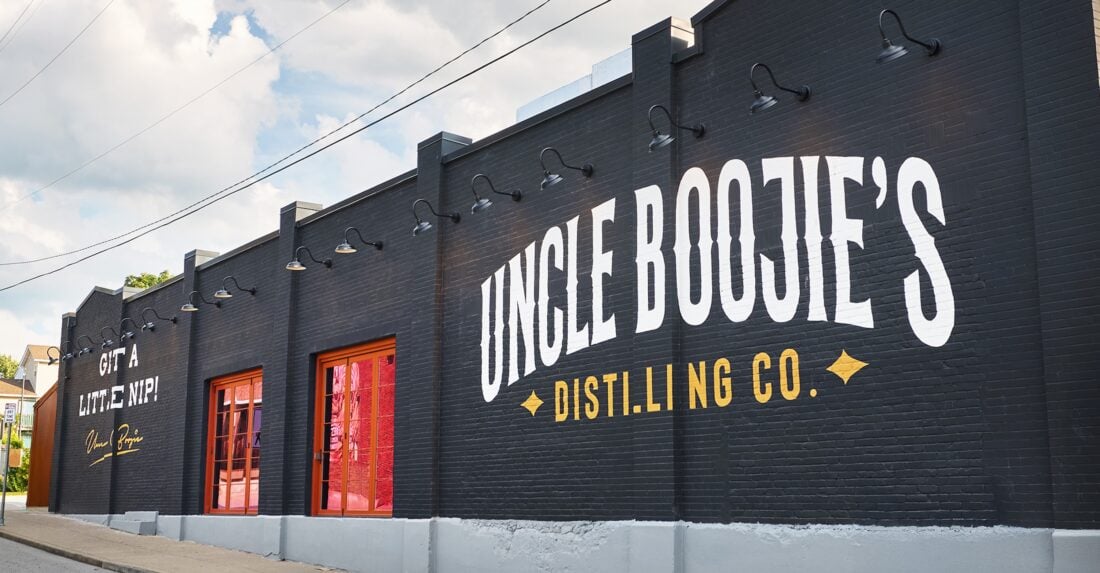
In the heart of Louisville, Kentucky—a city globally synonymous with the amber-hued craft of bourbon-making—a new kind of spirits destination has arrived. Uncle Boojie’s Distilling Co. opened its doors with a mission that distinguishes it from the corporate polish of the mainstream Kentucky Bourbon Trail. Rather than focusing solely on grain-to-glass technicalities or barrel-char specifications, Uncle Boojie’s leans heavily into the shadowy, romantic, and deeply human folklore of Appalachian heritage, Ulster-Scots traditions, and the turbulent eras of American bootlegging.
Founded by Stephen Smith, author of the memoir HOWARDSTOWN: The Long Journey Home, the distillery acts as a physical archive for a lineage of mountain distillers who viewed whiskey not merely as an intoxicant, but as a vital economic currency and a cultural anchor. Through its immersive tasting room experiences, archival displays, and craft spirits, Uncle Boojie’s challenges modern perceptions of early American moonshining. It reframes historical operators not as lawless outlaws, but as master artisans whose livelihoods were criminalized by shifting federal tax policies and the sweeping prohibition of the 20th century.
This piece explores the historical underpinnings, familial legends, and economic ethos driving Uncle Boojie’s Distilling Co., charting a course from the rugged hills of historic Howardstown to the bustling bourbon tourism landscape of modern Louisville.
Detailed Chronology: From Ulster-Scots Roots to the Louisville Bourbon Scene
To understand the liquid in the glass at Uncle Boojie’s, one must trace a transatlantic lineage that spans centuries. The historical journey of the Smith and Howard families reflects the broader tapestry of Scotch-Irish immigration to the American frontier.
The Transatlantic Transfer of Distilling Knowledge
Long before Kentucky was a state, Ulster-Scots settlers arrived in the Appalachian Mountains bringing with them centuries-old distillation techniques perfected in the rugged terrain of Scotland and Northern Ireland. Lacking traditional currency in the isolated frontier, these communities quickly realized that surplus grain was difficult to transport over crude mountain roads, but concentrated grain spirit—whiskey—travelled easily and held a stable, reliable value.
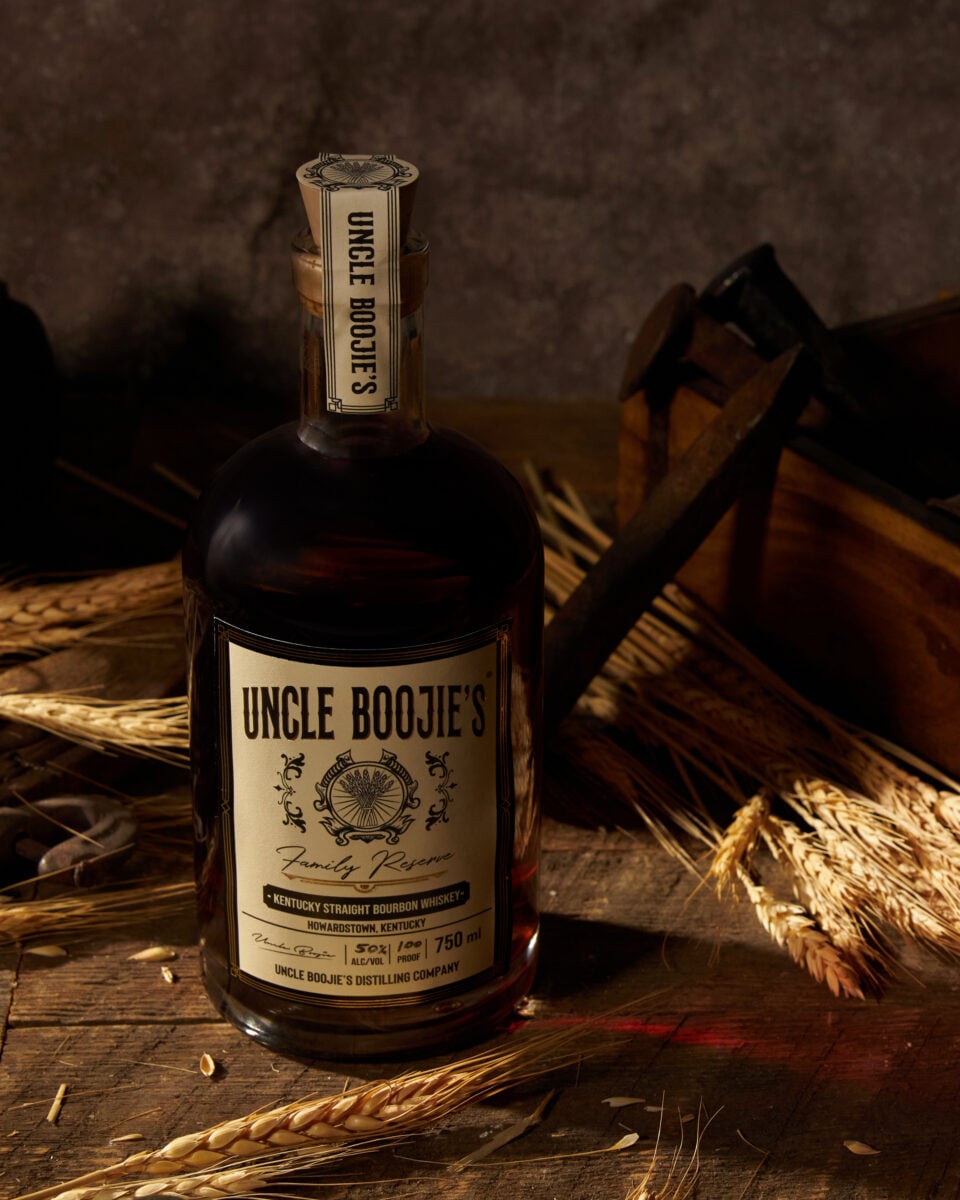
As Stephen Smith notes in his historical accounts, these ancestors were tied inextricably to the land, their faith, and their copper stills. When federal legislation, such as Alexander Hamilton’s 1791 whiskey excise tax, threatened to penalize their primary mode of survival, it sparked violent resistance—most notably the Whiskey Rebellion. This set a precedent of defiance that would define mountain distilling for generations.
The Golden Age of Howardstown and Skeeter Holler
Fast forward to 20th-century Kentucky, where the small community of Howardstown became an epicenter of clandestine craft production. During the era of Prohibition, Howardstown transformed into one of the state’s most prolific bootlegging communities.
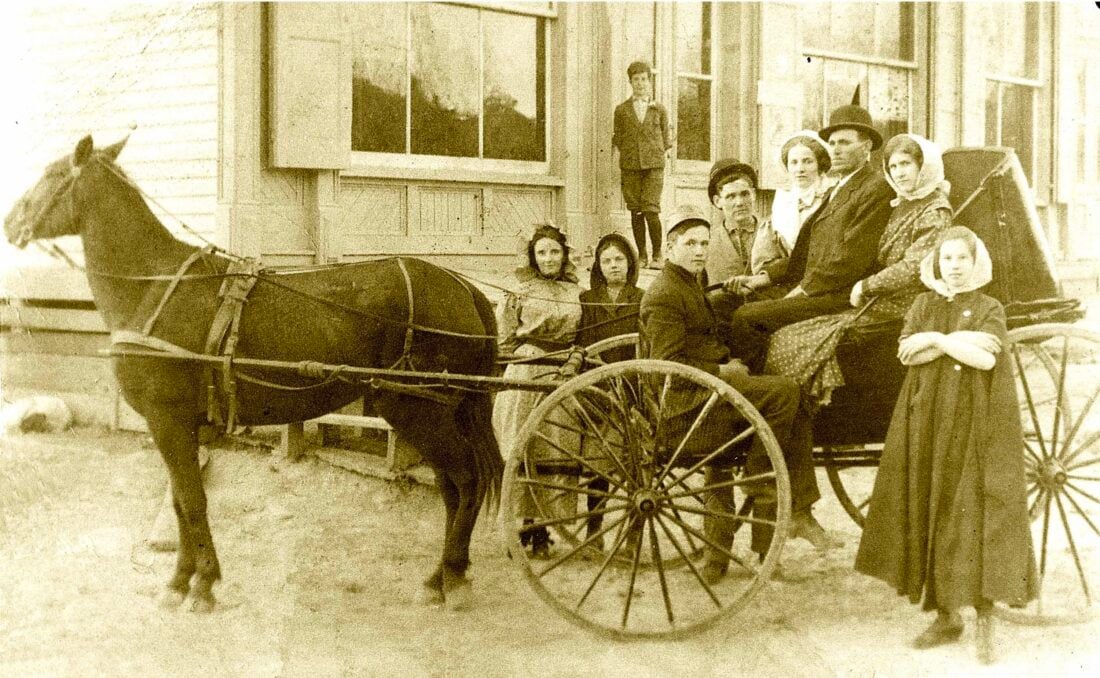
At the center of this network was the Howard Bros. General Store, operated by Smith’s grandfather, affectionately known as "Daddy Howard." Described as a gentle soul who cared deeply for his eleven children and thirty-three grandchildren, Daddy Howard managed the front-of-house mercantile while a colorful crew known locally as the "Hillbilly Gangsters"—including his charismatic great-uncle Boojie, alongside Archie and Lovell Spalding, Curley Corbett, Arvil Cambron, and Soup Boone—kept the engines of production running.
Operating out of remote redoubts like Skeeter Holler, this collective managed up to seventeen stills running around the clock. Hundreds of local men tended mash vats, while mule teams hauled heavy wooden crates of white and amber whiskey through treacherous mountain passes. From these hidden Appalachian hubs, liquor was successfully transported to major metropolitan markets, including Chicago, Detroit, and St. Louis, fueling the roaring nightlife of the Jazz Age.
The Great Pour Out of 1930 and Federal Intervention
The illicit boom could not last indefinitely. The party in Skeeter Holler came to a dramatic head during the Great Pour Out of 1930. In a sweeping federal raid that became local legend, law enforcement agents raided the clandestine networks, famously hacking open and draining thousands of gallons of carefully aged and unaged whiskey into the soil.
Yet, while the physical spirits were lost, the cultural memory survived. Families passed down the recipes, the operational lore, and the resilience required to survive economic hardship through distillation.
The Birth of Uncle Boojie’s Distilling Co.
Decades later, Stephen Smith chose to resurrect this rich history not just on the pages of his memoir, but in the physical reality of a modern distillery. Establishing Uncle Boojie’s Distilling Co. in Louisville integrated these old-world family legends into the official narrative of the Kentucky Bourbon Trail, giving visitors a tangible connection to America’s complex distilling past.
Supporting Context & Metrics: The Economics and Culture of Heritage Spirits
The launch of Uncle Boojie’s arrives at a pivotal moment in the American spirits industry. Understanding the cultural resonance of the distillery requires examining the broader economic and historical metrics surrounding heritage tourism and craft distilling in Kentucky.
The Kentucky Bourbon Economy
According to the Kentucky Distillers’ Association (KDA), the Commonwealth remains the epicenter of global bourbon production, supplying approximately 95% of the world’s supply. The Kentucky Bourbon Trail alone attracts well over two million visitors annually, injecting billions of dollars into the state’s tourism and hospitality sectors.
However, as the market becomes increasingly saturated with large-scale corporate visitor centers, consumer demand has shifted decisively toward authenticity, niche historical narratives, and hyper-local storytelling. Uncle Boojie’s capitalizes on this appetite by offering a starkly different value proposition: an unfiltered look at the dark side of Prohibition, the socioeconomic realities of rural poverty, and the tenacity of family-run bootlegging syndicates.
Redefining "Moonshine"
In his writings and interviews, Stephen Smith challenges the pejorative connotations of the word "moonshine." Economically and socially, unbonded spirits served a vital function in early Appalachia:
- Medium of Exchange: In regions starved of paper currency, whiskey served as a standard unit of trade for livestock, labor, and dry goods.
- Community Insurance: Distillation allowed farming families to monetize surplus corn yields that would otherwise rot in the fields.
- Skill-Based Craft: Rather than producing hazardous, chemically altered "swill," historical mountain distillers prided themselves on clean cuts, double-distillation, and pristine spring water sources.
Official Statements and Cultural Lore
The atmosphere at Uncle Boojie’s is intentionally designed to blur the line between verified historical fact and vibrant oral tradition.
"People will walk in and say, ‘I knew Boojie,’ and they’ll start telling me stories that are just absolutely crazy," Stephen Smith reflects on the vibrant community engagement inside the tasting room. "That’s when Uncle Boojie’s becomes part of their story. Whether you’re celebrating a marriage in the mountains or you’re just sitting around talking in the evening, whiskey becomes this golden thread that weaves through our families."
Literary and Historical Intersections
The folklore preserved within the walls of the Louisville distillery extends far beyond rural bootlegging into the upper echelons of American literature and World War I history. One of the most compelling family anecdotes involves a young F. Scott Fitzgerald.
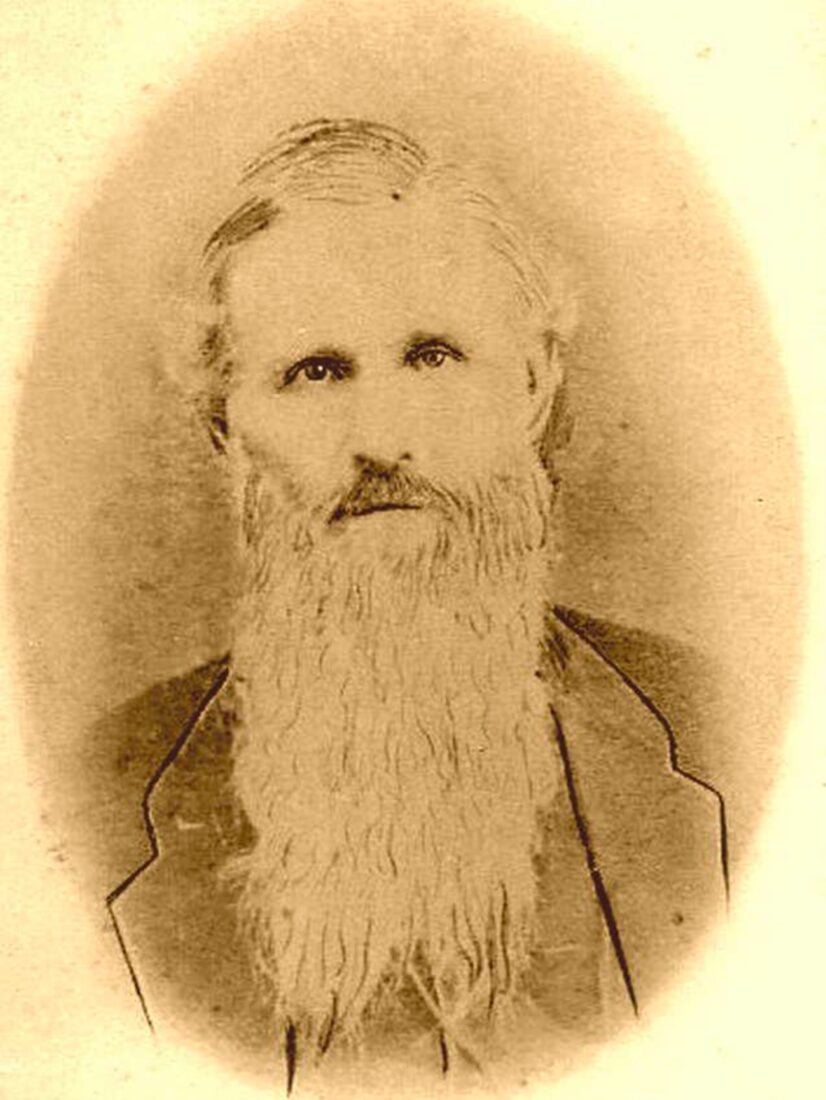
According to Smith’s family lore, Fitzgerald encountered his kinsman, Jesse Spalding, at Louisville’s historic Seelbach Hotel during World War I. The charismatic, larger-than-life demeanor of the Kentucky bootlegger is said to have left an indelible impression on the young author, later serving as a primary psychological blueprint for the iconic title character in The Great Gatsby.
Whether viewed through the lens of strict academic history, generational folklore, or romanticized mythmaking, these stories achieve the primary goal of Uncle Boojie’s: transforming every single pour into an invitation to explore a forgotten chapter of American history.
Future Outlook: Preserving the Past for Next-Generation Connoisseurs
As Uncle Boojie’s Distilling Co. cements its presence along the Kentucky Bourbon Trail, its trajectory points toward a broader evolution in how craft distilleries engage with their audiences.
Expanding the Visitor Experience
The distillery plans to deepen its community footprint by hosting archival storytelling sessions, historical lectures, and specialized tasting flights that pair modern craft bourbons with historical interpretations of Appalachian white dog (un-aged corn whiskey). By turning the tasting room into a living museum, Uncle Boojie’s ensures that the legacy of the "Hillbilly Gangsters," Daddy Howard, and Uncle Boojie is preserved for future generations of whiskey enthusiasts.
Market Positioning
In an industry driven by sleek branding and computerized distillation metrics, Uncle Boojie’s offers a defiant counter-narrative. It reminds consumers that bourbon is ultimately an agricultural product born of struggle, ingenuity, and community resilience. As the craft spirits market matures, distilleries that successfully anchor their products in authentic, unvarnished human narratives—much like Uncle Boojie’s has achieved through its exploration of Ulster-Scots and Appalachian heritage—will likely define the cutting edge of craft beverage tourism.
For more information or to plan a visit to the tasting room, explore the official platform at uncleboojies.com.

0 Comments