

By Crai Bower
September 9, 2026
Executive Overview
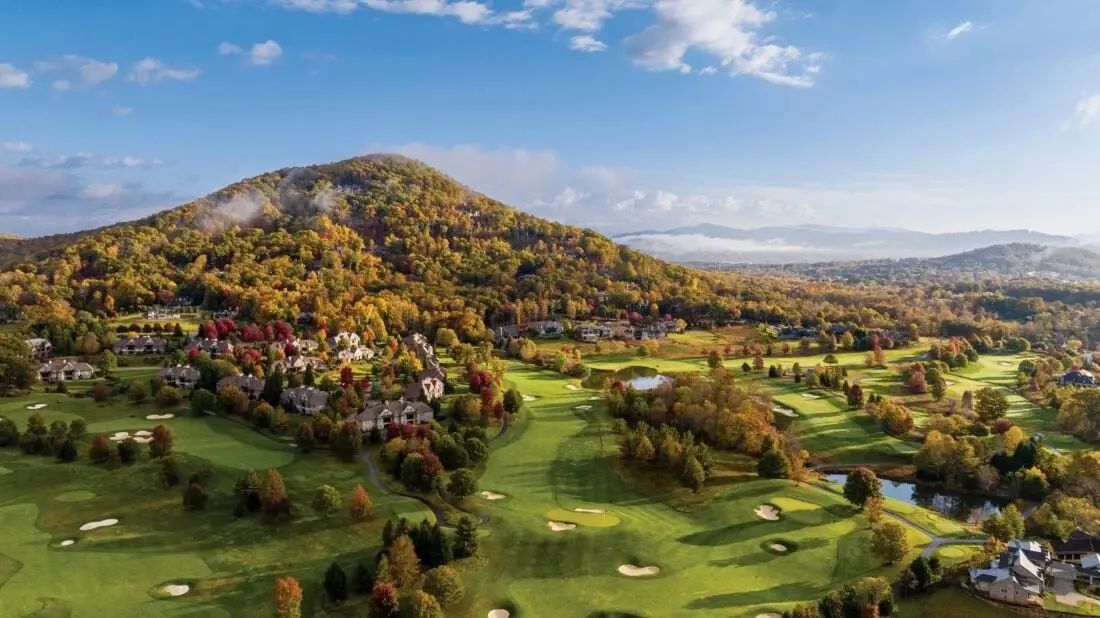
In Western North Carolina, the centuries-old aphorism attributed to Mark Twain—describing golf as "a good walk spoiled"—carries little weight. Amid the mist-veiled Blue Ridge Mountains, an abundance of pristine nature trails, the vibrant culinary and cultural amenities of Asheville, and a premier field of PGA Tour professionals converging for this month’s inaugural Biltmore Championship, the sport finds itself in a state of renaissance.
Scheduled to take place from September 17 to 20, 2026, the inaugural tournament marks a watershed moment for the region. Hosted at the Jack Nicklaus-designed Cliffs at Walnut Cove, the event brings elite-level professional golf back to Buncombe County for the first time in more than eight decades. But the tournament is far more than a four-day sporting exhibition; it is the anchor of a comprehensive regional experience. For travelers heading into the mountains this September, the championship serves as a gateway to explore a destination rich in Gilded Age history, world-class golf architecture, an unmatched craft beverage culture, Michelin-recognized gastronomy, and some of the most breathtaking wilderness in the American Southeast.
Detailed Chronology: From Ben Hogan’s Historic Triumph to the Nicklaus Legacy
To understand the magnitude of the 2026 Biltmore Championship, one must look back to a pivotal autumn in American sports history. The last major professional golf event held in the Asheville area took place in 1942, a legendary tournament won by the incomparable Ben Hogan. That victory—his third consecutive win in the mountain city—was so profound and inspiring that it prompted Hogan to temporarily cancel his planned retirement from competitive golf, cementing Asheville’s place in the annals of golf lore.
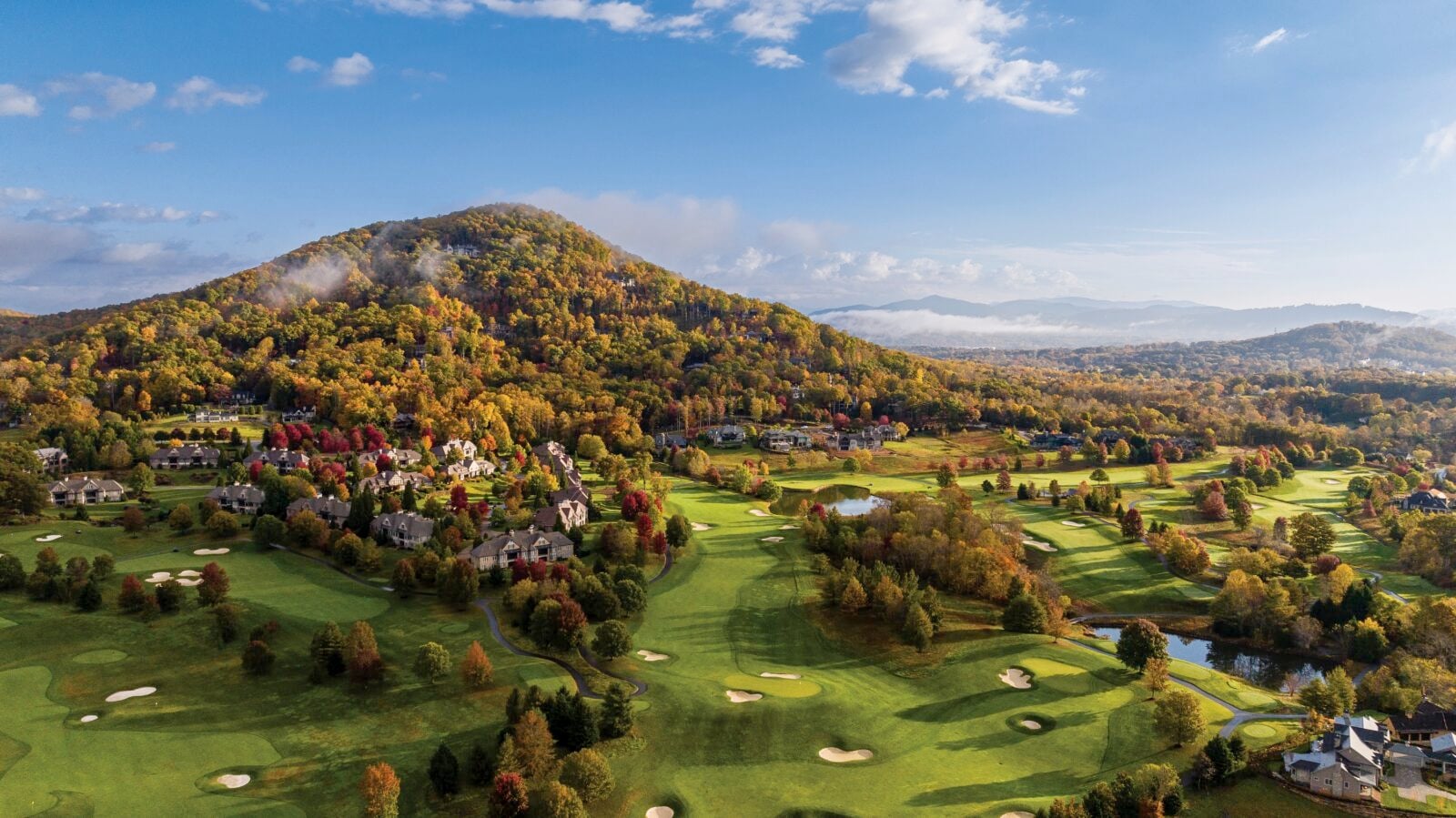
More than eighty years later, the PGA Tour returns to the fold. Under a multi-year agreement, the Jack Nicklaus-designed Cliffs at Walnut Cove will serve as the host venue for the Biltmore Championship for at least the next four years. Nestled along the banks of the French Broad River and framed by rolling mountain ridges, the course presents a formidable test of strategy, precision, and shot-making that befits the world’s best players.
However, the region’s links are inextricably tied to the grand vision of the Vanderbilt family. No exploration of greater Asheville is complete without a pilgrimage to Biltmore, America’s largest private home, constructed in 1895 by George Washington Vanderbilt II. The connection between the sprawling estate and this month’s tournament goes far beyond shared nomenclature. George, his wife Edith, and their daughter Cornelia were all avid golfers, ensuring that recreation was woven into the fabric of the estate from its inception. Biltmore’s original grounds even featured a private nine-hole course.
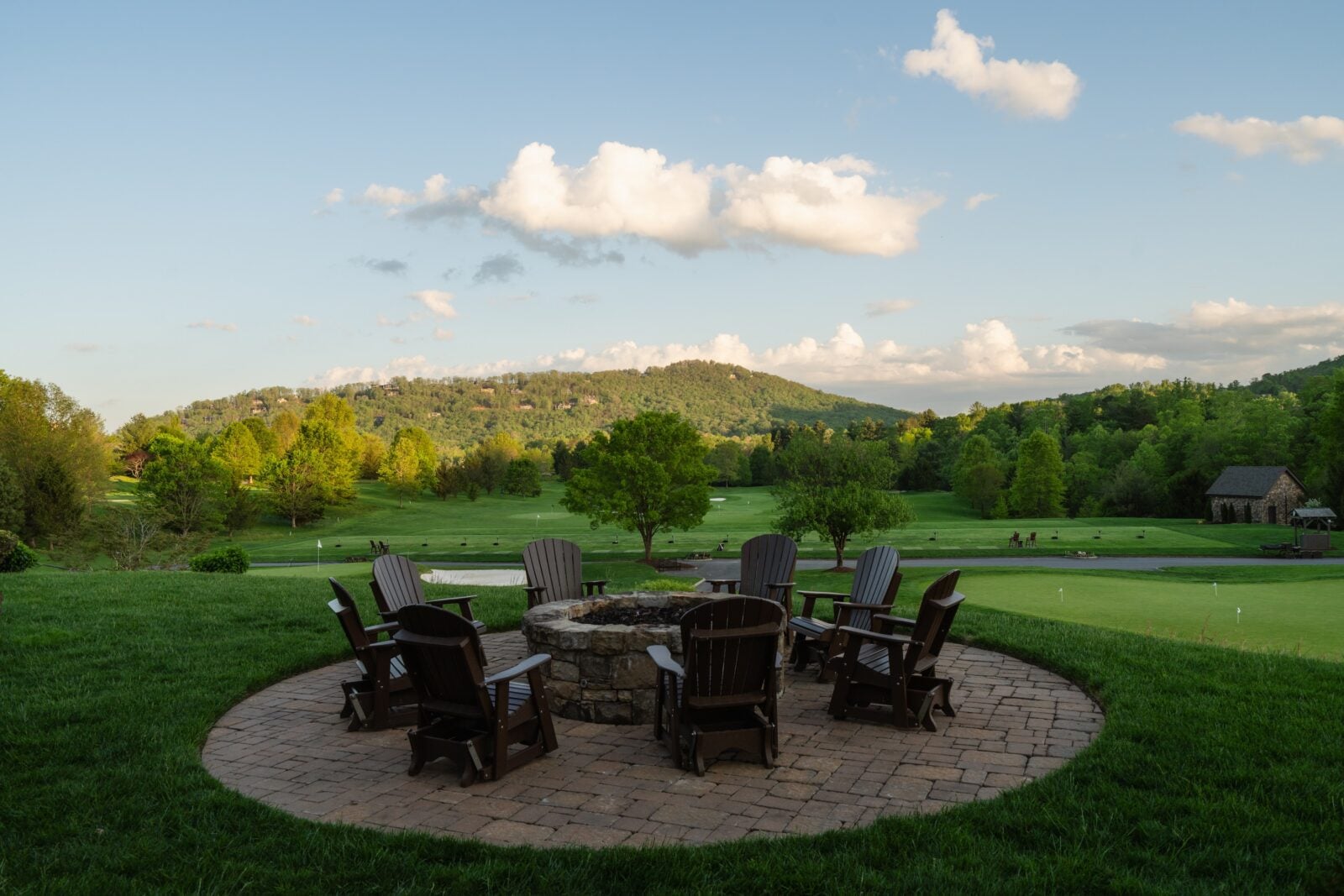
The family’s influence on local course design expanded exponentially in 1922, when a young Cornelia Vanderbilt hit the inaugural ceremonial drive to officially open the Biltmore Forest Country Club. Designed by legendary architect Donald Ross, the course has spent more than a century serving as the gold standard of Western North Carolina golf architecture—a benchmark that contemporary designers like Nicklaus have continually studied and respected.
Supporting Context & Metrics: Navigating the Asheville Golf and Leisure Ecosystem
Playing a Round: From Championship Tracks to Arboreal Challenges
For amateur duffers inspired by watching the world’s elite launch 330-yard drives and spin approach shots with surgical precision, the Asheville region offers an embarrassment of riches.
"The Asheville region is home to more than forty championship golf courses, with unique mountain-terrain characteristics like tight tree-lined fairways and elevation changes," notes Vic Isley, president and CEO of Explore Asheville, a co-sponsor of the Biltmore Championship alongside the Biltmore estate.
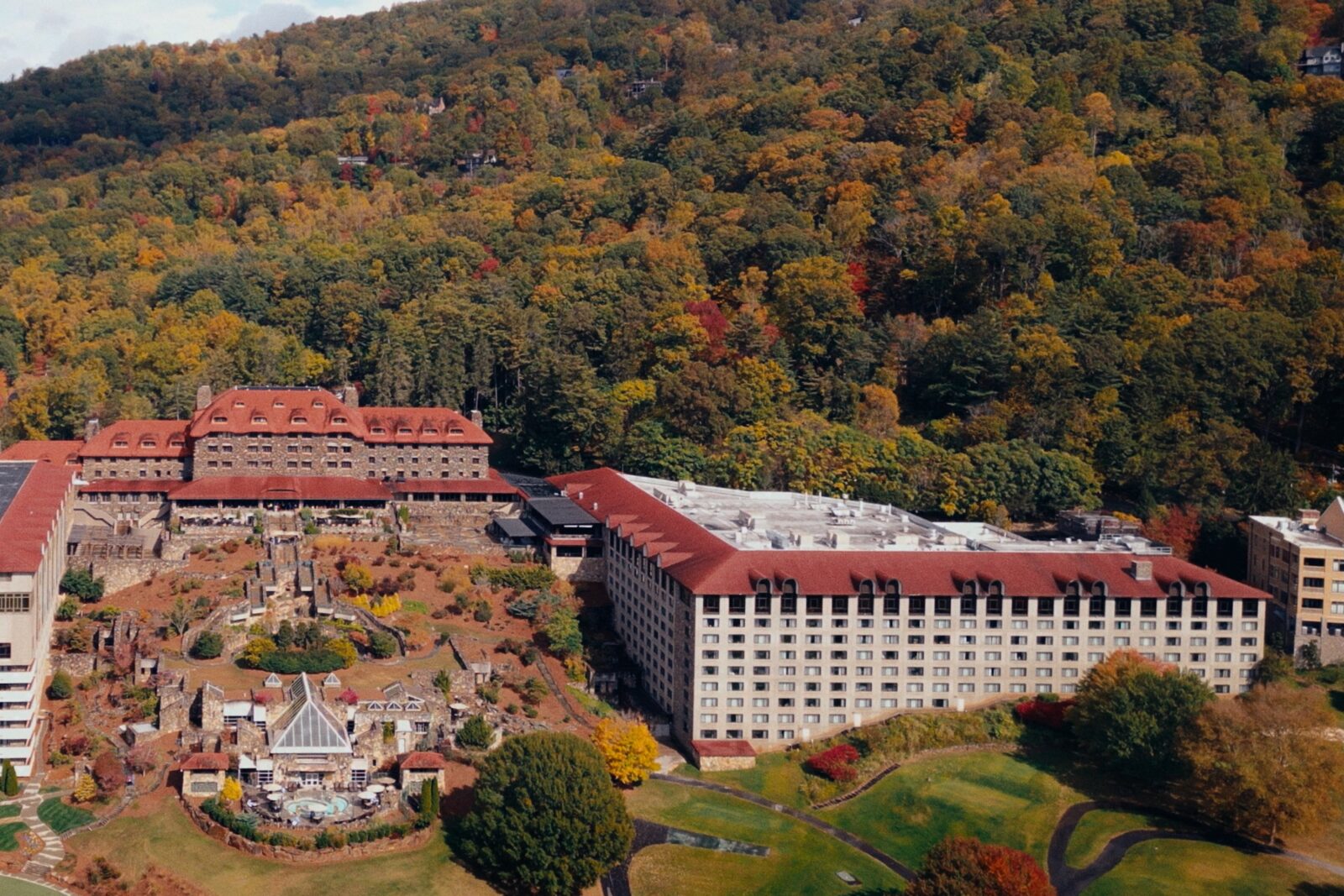
Among the standout tracks available to visitors is Chestnut Mountain Golf Club, a layout that poses a distinct arboreal challenge. Featuring dramatic elevation shifts and dense canopies, it keeps players constantly engaged with club selection and course management. Meanwhile, history buffs can test their mettle at the Omni Grove Park Inn Golf Course. Also designed by Donald Ross and opened in 1925, this historic track remains one of the most celebrated and picturesque resort courses in the American South, demanding precision over raw power.
Ordering a Round: The Epicenter of Southern Beer and Mixology
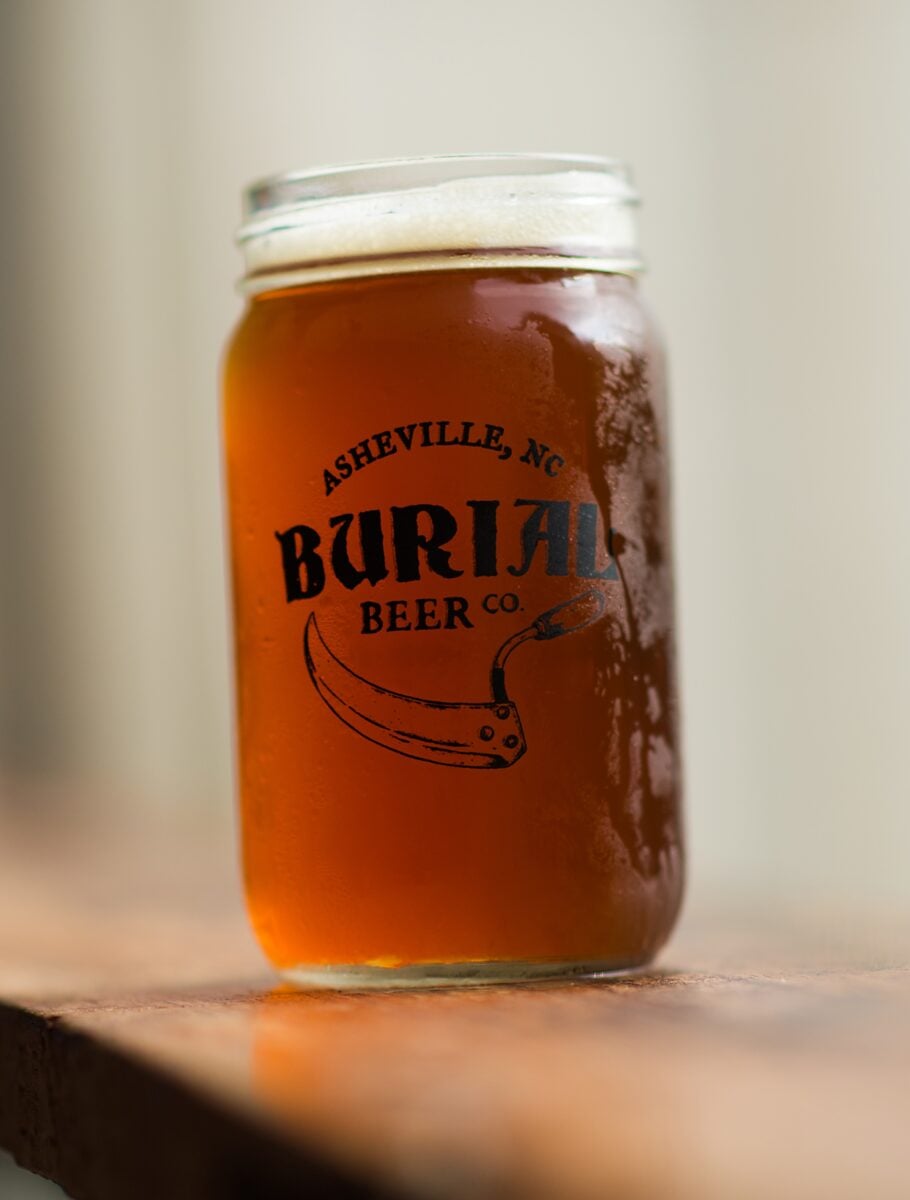
When the putts have dropped and the scorecards are signed, travelers will find that Asheville has rightfully earned its reputation as the craft beer capital of the South. With more than thirty independent breweries scattered across the city’s vibrant districts, visitors are never far from an exceptional pint.
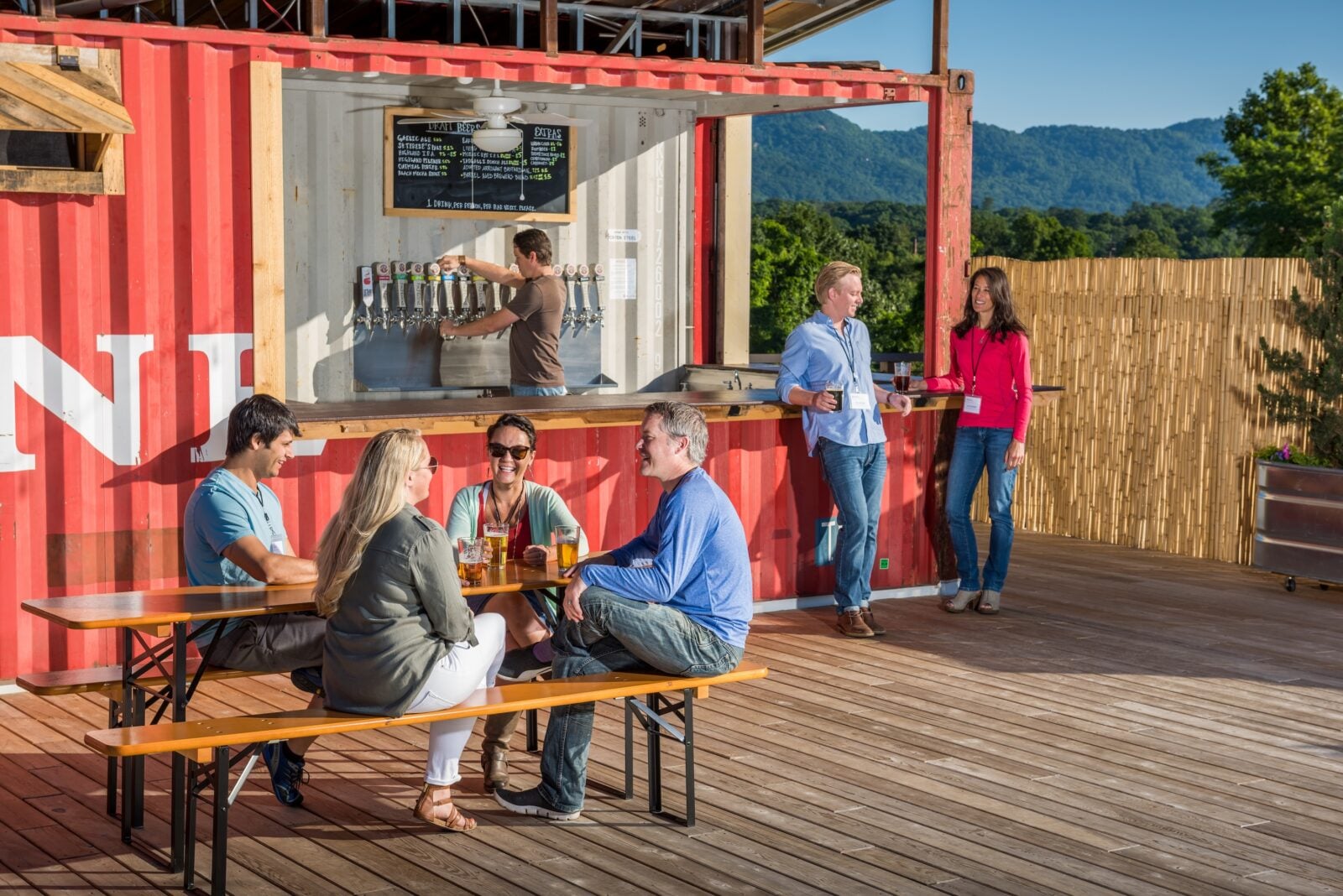
- Burial Beer Co.: A local favorite renowned for its assiduously crafted, boundary-pushing brews and distinct Southern Gothic aesthetic.
- Highland Brewing: A pioneer of the local scene that has been producing iconic pints for over three decades, featuring a sprawling, scenic deck bar perfect for crisp autumn afternoons.
- DSSOLVR & Wicked Weed’s Funkatorium: Essential stops for aficionados of tart, complex sours, which serve as exceptionally refreshing post-golf tonics.
Beyond beer, Asheville’s cocktail culture punches well above its weight class, rivalling metropolitan areas many times its size:
- The Crow & Quill: An atmospheric lounge offering an exceptional curation of high-end whiskies and traditional absinthe.
- Sovereign Remedies: A trailblazer in farm-to-glass mixology, utilizing locally foraged herbs, roots, and botanicals to craft house-made syrups, tinctures, and bitters.
- Top of the Monk: Perched above the downtown streetscape, this sophisticated cocktail den pairs expertly mixed drinks with sweeping views of the city lights.
Dining Around: Michelin-Recognized Innovation
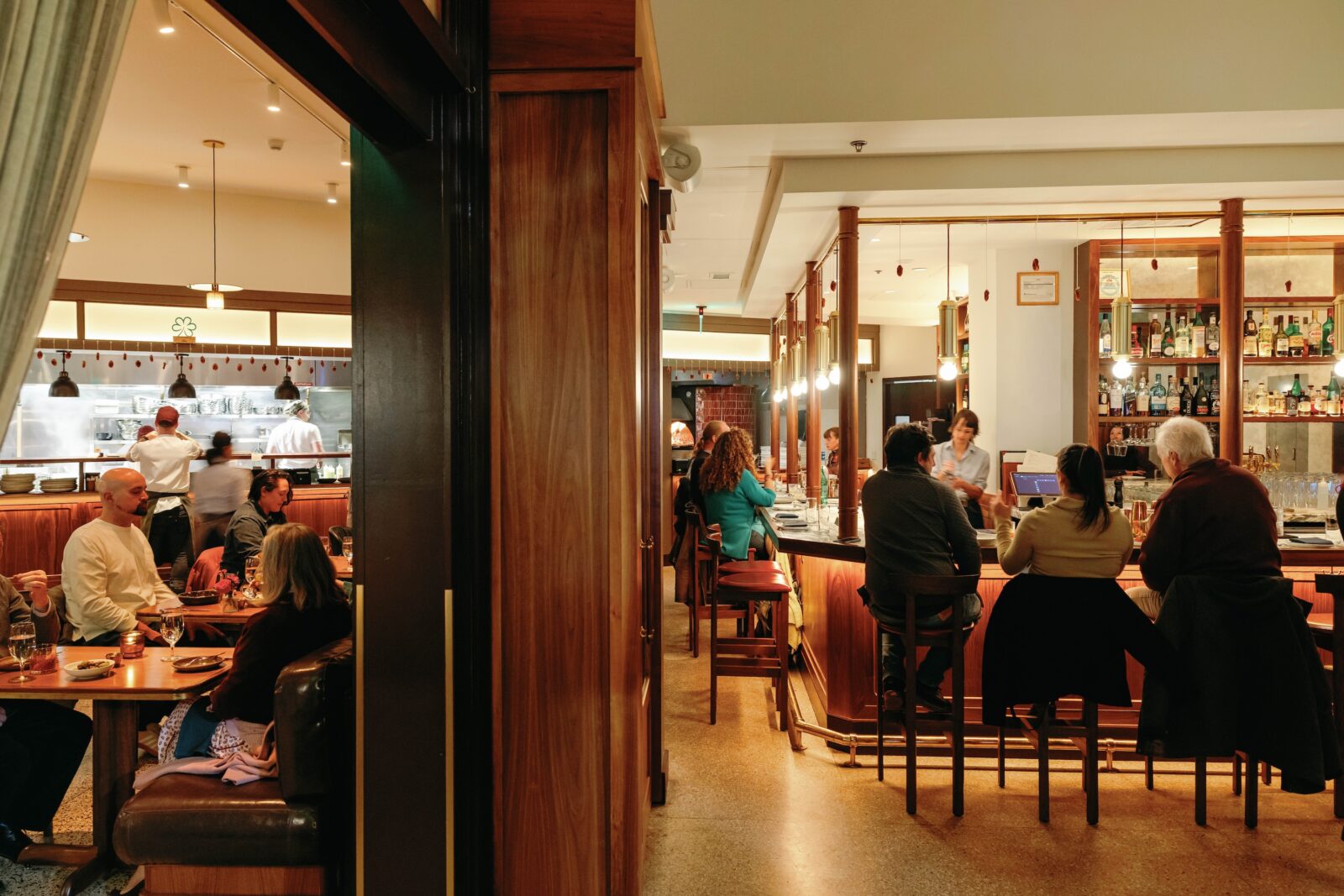
"Visitors should definitely dine at some of Asheville’s fifteen Michelin-recognized restaurants," advises Isley, highlighting the explosive growth of the city’s culinary scene.
Innovation thrives across the mountain town’s dining rooms:
- Luminosa: Chef Graham House marries traditional Italian cooking methodologies with hyper-local Appalachian ingredients, utilizing a wood-fired oven to create unforgettable rustic dishes.
- Ukiah Japanese Smokehouse: A brilliant cross-cultural fusion concept that bridges the gap between slow-smoked Southern barbecue and bold Japanese spices and grilling techniques.
- Mother & Cúrate Bar de Tapas: Ideal destinations for communal dining, offering curated small plates and world-class tapas designed for sharing after a competitive day on the links.
Hiking Around: Wilderness and the Call of the Blue Ridge
Beyond the fairways and dining rooms, access to untamed wilderness, roaring waterfalls, and panoramic ridgelines consistently places Asheville at the pinnacle of national "Best Mountain Towns" rankings.
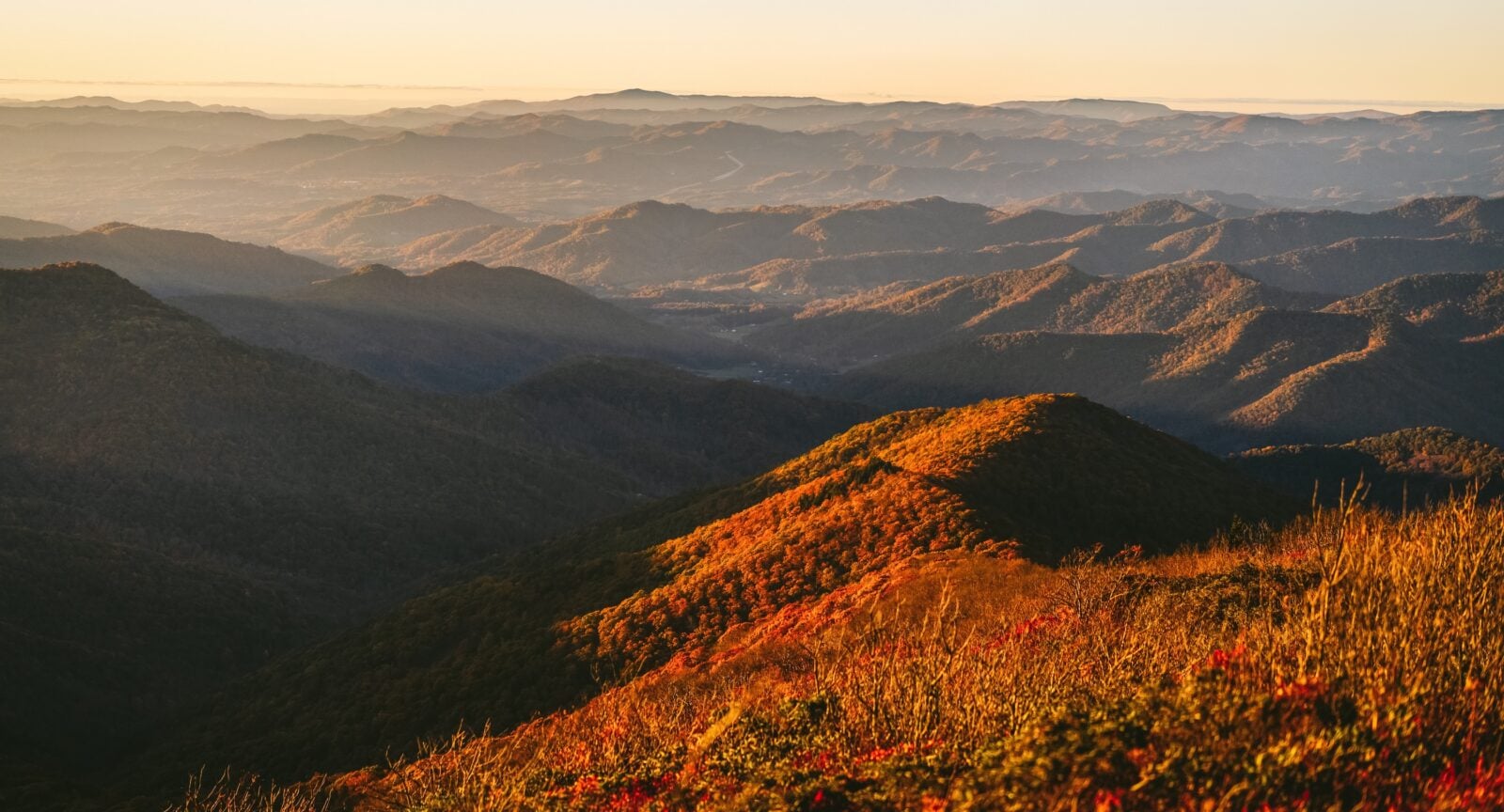
- Craggy Pinnacle Trail: Located just off the Blue Ridge Parkway, this moderate, mile-long hike rewards visitors with breathtaking 360-degree panoramic vistas of the surrounding mountain ranges.
- Graveyard Fields: A popular trail system that unveils the picturesque Second Falls after a mere one-third-mile walk, with an additional half-mile extension leading to the dramatic, two-tiered Upper Falls.
"I encourage visitors to check out the Blue Ridge Parkway, which is fully open in Buncombe County," Isley notes. "It runs just past the Cliffs [golf club] and offers a variety of trails, waterfalls, and scenic overlooks."
Crucially, the timing of the inaugural Biltmore Championship aligns perfectly with the seasonal shift in the mountains. Tournament week places visitors precisely in position to witness the very first glints of brilliant autumn foliage sweeping across the parkway’s high-elevation canopies.
Official Statements and Industry Insights
The collaborative effort required to bring a PGA Tour-affiliated event back to Asheville after eight decades reflects a unified vision among civic leaders, tourism boards, and private enterprise.
"The Asheville region is home to more than forty championship golf courses, with unique mountain-terrain characteristics like tight tree-lined fairways and elevation changes," reiterated Vic Isley, President and CEO of Explore Asheville. "The Omni Grove Park Inn Golf Course, designed by Donald Ross in 1925, is one of the most historic tracks in the South… Visitors should definitely dine at some of Asheville’s fifteen Michelin-recognized restaurants, and I encourage visitors to check out the Blue Ridge Parkway, which is fully open in Buncombe County. It runs just past the Cliffs and offers a variety of trails, waterfalls, and scenic overlooks."
Organizers emphasize that the Biltmore Championship is designed to be a multi-pillar economic and cultural driver. By integrating the historic legacy of the Vanderbilt estate with modern architectural marvels like the Cliffs at Walnut Cove, the event bridges the gap between Asheville’s storied past and its dynamic, cosmopolitan present.
Future Outlook: A New Standard for Mountain Tourism
As the gallery ropes go up at the Cliffs at Walnut Cove for the September 17–20 tournament, the implications for the region extend far beyond the final leaderboard. With a multi-year commitment locking in the Biltmore Championship through the end of the decade, Asheville is poised to reclaim its status as a premier destination on the national golf tourism map.
The convergence of elite athletic competition, historic preservation, culinary excellence, and outdoor recreation establishes a new benchmark for what travelers can expect from a destination sporting event. Whether visitors spend their mornings tracing the footsteps of Ben Hogan and Jack Nicklaus, their afternoons exploring the historic halls of Biltmore or hiking the Craggy Pinnacle Trail, and their evenings savoring farm-to-table cuisine and local craft brews, the inaugural Biltmore Championship guarantees an unforgettable chapter in the ongoing story of Western North Carolina.

0 Comments