
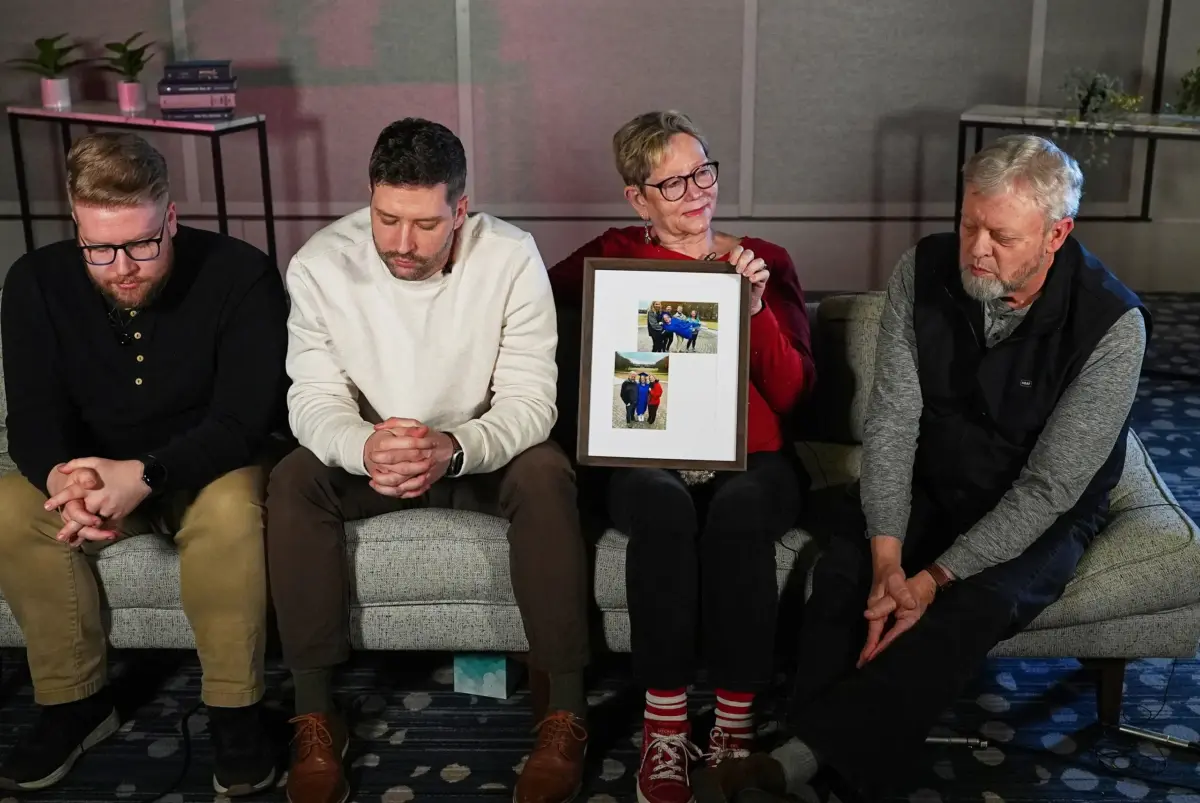

MINNEAPOLIS — The family of Renee Good filed sweeping federal lawsuits Thursday seeking accountability for the January killing of the 37-year-old mother of three, who was shot and killed by an immigration officer during a high-profile federal enforcement crackdown in Minneapolis.
The legal action targets the highest levels of the federal government, naming the United States along with several prominent immigration officials and presidential aides. The lawsuits allege wrongful death, battery, assault, false imprisonment, intentional infliction of emotional distress, negligence, and a coordinated conspiracy to interfere with civil rights.
The filings mark a critical escalation in the ongoing national debate surrounding aggressive federal immigration enforcement strategies under President Donald Trump’s second term. They also bring renewed scrutiny to the tactical decisions, rules of engagement, and political rhetoric guiding militarized sweeps across major U.S. metropolitan areas.
Executive Overview
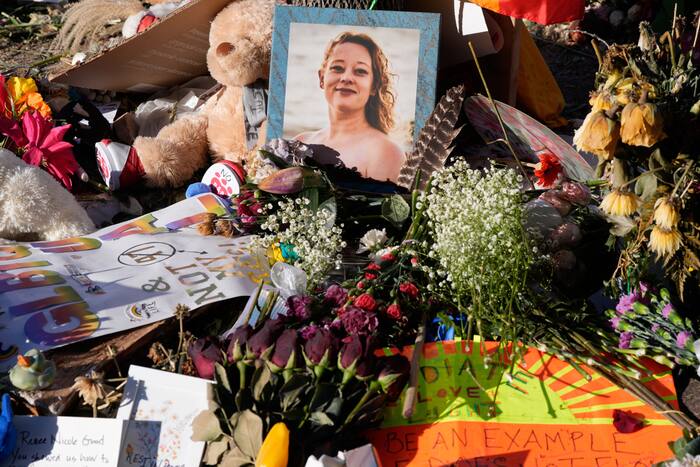
On January 7, 2026, Renee Good—a poet, writer, and mother who had recently relocated to Minneapolis from Kansas City, Missouri—was shot and killed by Immigration and Customs Enforcement (ICE) officer Jonathan Ross during a volatile street confrontation. The incident unfolded as community members mobilized to protest and monitor an ongoing federal immigration raid in their neighborhood.
Good’s partner, Becca Good, and her brother, Brent Ganger, initiated the dual lawsuits in federal court. The first complaint targets "The United States of America" under Minnesota tort law, outlining claims of wrongful death driven by excessive force, battery, false imprisonment, and gross negligence. The second complaint elevates the legal battle into constitutional territory, alleging a broader civil rights conspiracy. This suit names several high-ranking political and operational figures, including:
- Jonathan Ross: The immigration officer who discharged his firearm, striking Good multiple times.
- Stephen Miller: White House Deputy Chief of Staff.
- Kristi Noem: Former Secretary of Homeland Security.
- Gregory Bovino: Former U.S. Border Patrol Commander-at-Large.
- Corey Lewandowski: President Donald Trump’s campaign manager and political adviser.
The legal filings contend that Good’s death was not an isolated tragic accident, but rather the foreseeable result of an increasingly hostile, militarized enforcement framework designed to intimidate immigrant communities and suppress civilian oversight. While federal officials initially defended the shooting as an act of self-defense—labeling Good’s actions as "domestic terrorism"—bystander footage, investigative media analyses, and grieving family members paint a starkly different picture of unwarranted lethal force.
Detailed Chronology: The Events of January 7, 2026
To understand the legal arguments presented in Thursday’s lawsuits, a meticulous examination of the sequence of events on January 7 is required.
According to eyewitness accounts, municipal surveillance footage, and synchronized bystander videos verified by The Associated Press and independent journalistic organizations, the confrontation escalated rapidly within minutes:
1. The Blockade and Honking
Renee and Becca Good had recently moved to Minneapolis, building a quiet life together with their children. On the afternoon of January 7, as federal agents swarmed their neighborhood to execute enforcement actions, Renee Good stopped her red SUV in the street. Family members state she parked the vehicle to show solidarity with neighbors and to protest the aggressive tactics deployed by federal agents.
Video footage shows Good’s red SUV blocking a portion of the roadway, with the driver repeatedly honking her horn to draw attention to the operation and alert residents.
2. The Confrontation
Two immigration officers, their faces concealed by tactical masks, emerged from a law enforcement truck. Approaching the stationary vehicle, one of the officers aggressively ordered Good to exit the car. Startled and trapped in a chaotic environment, Good briefly shifted the vehicle into reverse before turning the steering wheel. The officer reiterated his command, shouting, "Get out of the car."
Simultaneously, Becca Good, standing nearby on the pavement, shouted, "Drive, baby, drive!"—a panicked instinctual reaction to the escalating aggression of the masked personnel.
3. The Fatal Shots
As the vehicle began to inch forward and turn away from the path of the officers, one agent positioned directly in front of the SUV drew his weapon and fired a round directly through the windshield. The officer staggered backward as the car veered.
Moving rapidly toward the open driver’s side window, the officer fired two additional shots at close range. The bullets struck Renee Good fatally. Despite frantic efforts by bystanders and emergency responders, she succumbed to her injuries at the scene.
Supporting Context & Metrics: A Broader Pattern of Enforcement Violence
The legal action filed by the Good family does not exist in a vacuum. Renee Good’s death is part of a deeply troubling statistical surge in fatal and injurious encounters between federal immigration agents and civilians during the current administration’s heightened enforcement operations.
A Rising Death Toll
Independent human rights monitors and congressional watchdogs note that at least ten individuals have lost their lives in encounters with immigration enforcement personnel during President Trump’s second term. These incidents have galvanized civil rights organizations, legal scholars, and local municipal leaders to demand comprehensive federal oversight and structural reform.
- The Killing of Alex Pretti: Just weeks after Renee Good’s death, another U.S. citizen, Alex Pretti, was shot and killed by federal agents in Minneapolis, triggering citywide protests, congressional inquiries, and severe pushback from local law enforcement agencies who claimed federal operations were undermining public safety.
- The Biddeford Shooting: In July 2026, an ICE officer with a documented history of disciplinary and behavioral issues fatally shot 25-year-old Johan Sebastián Durán Guerrero, a Colombian national, while he sat inside his car in Biddeford, Maine. Investigators later confirmed that Durán Guerrero was entirely uninvolved in the immigration operation that brought agents to the area.
- The Austin Incident: Days prior to the filing of the Ganger-Good lawsuits, federal immigration agents in Austin, Texas, opened fire on a 28-year-old Venezuelan delivery driver, Wilber Rafael Garces-Perez. While Garces-Perez survived the shooting, he was subsequently charged by federal authorities with attempting to strike an officer with his vehicle—echoing the justification previously used in higher-profile fatalities.
Legal experts point to these recurrent narratives—where federal agents routinely claim their vehicles were utilized as weapons—as a standardized template used to insulate personnel from criminal culpability following civilian-involved shootings.
Official Statements and Political Fallout
The political fallout from the Minneapolis shootings has reached the highest halls of the U.S. Capitol, transforming local tragedies into national legislative battlegrounds.
The Federal Defense
In the immediate aftermath of the shooting, Department of Homeland Security leadership and administration spokespersons defended Officer Jonathan Ross’s actions. Officials argued that Good utilized her vehicle as a deadly weapon, classifying her intervention as "an act of domestic terrorism." This rhetoric was amplified by high-ranking political appointees and surrogates, who maintained that agents operating in hostile urban environments must be granted maximum operational latitude to protect themselves and enforce federal statutes.
Congressional Spotlight Hearings
The defense has faced fierce pushback from congressional Democrats and select bipartisan coalitions. In September 2026, Brent Ganger, Renee’s brother, testified before a congressional spotlight hearing on Capitol Hill. Wearing a commemorative button bearing the phrase "Be Good," Ganger delivered an emotional appeal condemning the characterization of his sister as a threat.
"Renee was a mother, a writer, a poet, and the anchor of our family," Ganger testified. "She did not drive a car to terrorize anyone; she parked it because she cared about her neighbors. To label her a terrorist after executing her in broad daylight is an insult to her memory and a dangerous evasion of constitutional accountability."
Civil rights advocates argue that the inclusion of senior political figures—such as Stephen Miller and Kristi Noem—in the civil rights conspiracy lawsuit is vital. Plaintiffs contend these leaders fostered an administrative culture that encouraged aggressive, unchecked tactics, effectively signaling to field operatives that excessive force would be condoned and politically shielded.
Personalizing the Victim: Remembering Renee Good
Behind the legal briefs, federal memorandums, and political debates lies the profound human tragedy of a family shattered.
Renee Good’s loved ones have steadfastly worked to ensure the public remembers her essence beyond the parameters of a court filing or a news headline. In her personal writings and social media profiles, she defined herself simply and powerfully: a "poet and writer and wife and mom." Her digital footprint reflects a life centered on creative expression, family warmth, and everyday joys, featuring photographs of her smiling with her children, discussing literature, and sharing home design inspirations.
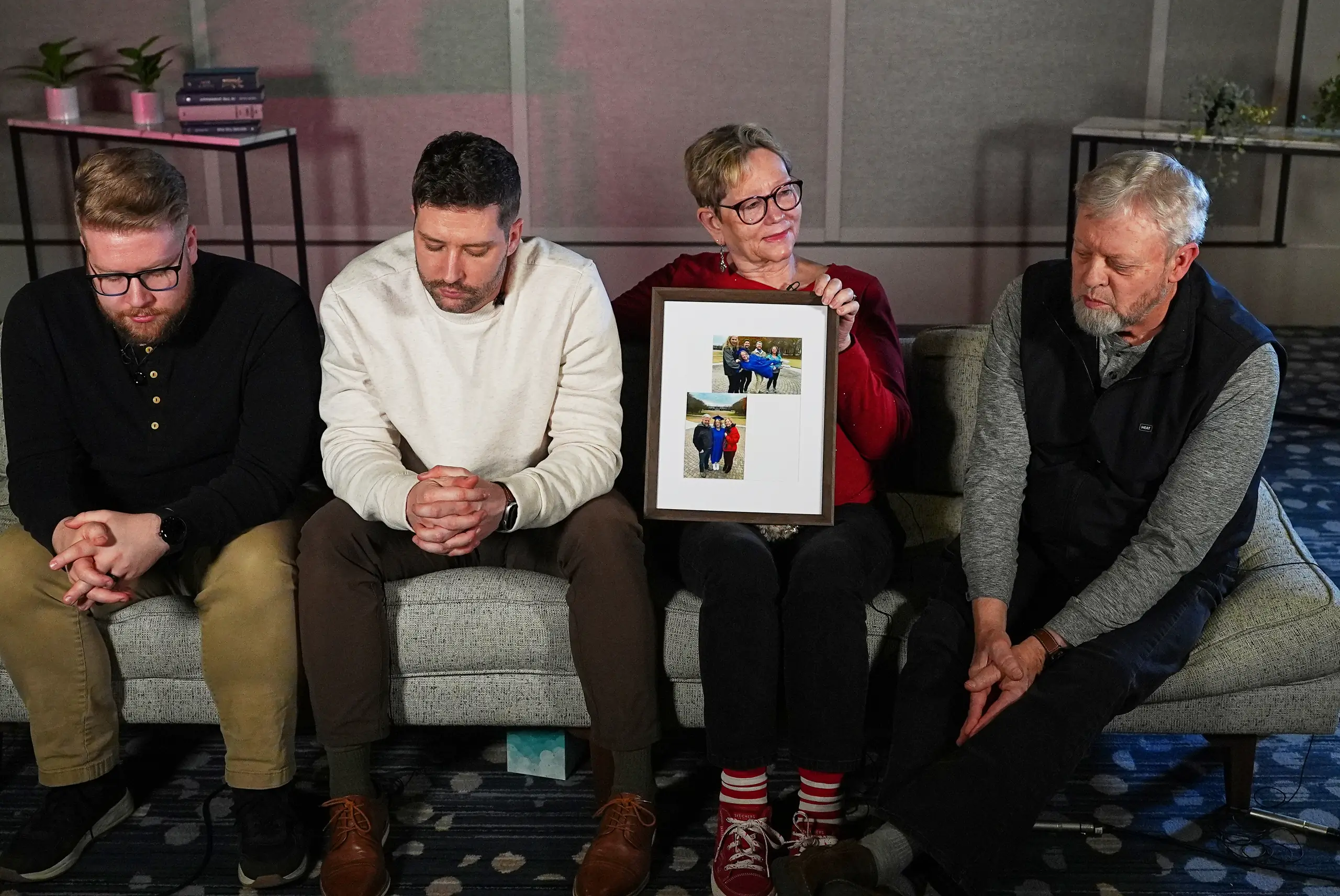
Her mother, Donna Ganger, encapsulated the enduring grief of the family during an interview in Denver:
"She had this way of making you feel special and loved that I didn’t even understand until we lost her."
Becca and Renee, though not legally married under outdated state statutes in certain jurisdictions, shared a devoted life together as spouses, having recently uprooted their lives in Kansas City to establish a fresh chapter in the Twin Cities. That chapter was abruptly ended by three gunshots on a Minneapolis street corner.
Future Outlook: Legal Hurdles and Precedents
As the twin lawsuits move through the federal court system, legal analysts anticipate a protracted, fiercely contested battle.
- Qualified Immunity and Sovereign Immunity: The defense is virtually guaranteed to invoke doctrines of qualified immunity for individual defendants like Jonathan Ross, Stephen Miller, and Kristi Noem, alongside sovereign immunity protections shielding the federal government from extensive tort claims.
- Bivens Claims vs. Statutory Civil Rights Actions: Navigating the conspiracy allegations will require plaintiffs to establish that high-level officials directly conspired to violate constitutional protections, a historically high bar in federal jurisprudence.
- National Implications: The outcome of this litigation could establish a landmark precedent regarding the liability of federal law enforcement personnel and civilian policymakers when immigration enforcement operations result in civilian casualties.
For the Good and Ganger families, however, the legal battle is about much more than legal precedent—it is a quest for fundamental truth and accountability. As Brent Ganger stated outside the courthouse, the family remains committed to ensuring that the systemic failures exposed by Renee’s death are brought to light, holding every responsible party accountable from the streets of Minneapolis to the West Wing of the White House.

0 Comments