

Executive Overview
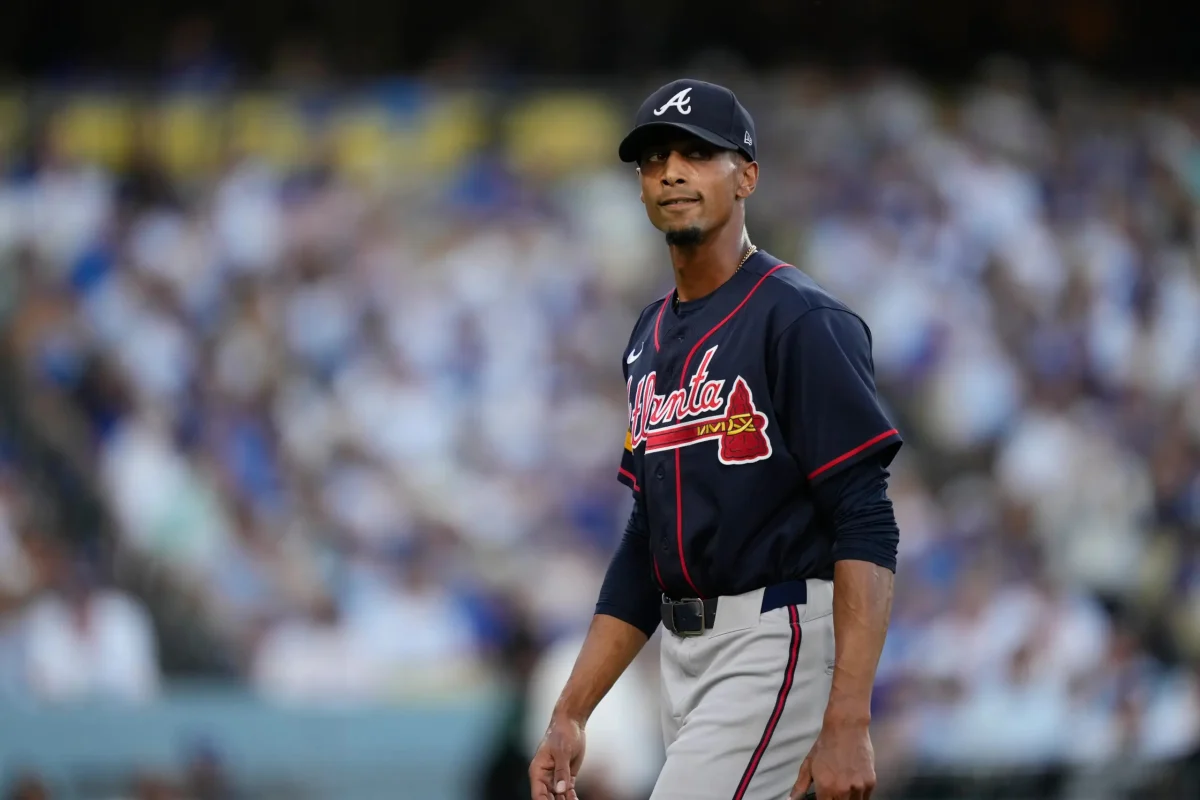
LOS ANGELES — In the high-stakes theatre of Major League Baseball’s postseason, legacies are minted overnight, and heroes emerge from the unlikeliest of origins. On Sunday night, October 4, 2026, amid the roaring pandemonium of Dodger Stadium, the Atlanta Braves found their newest October folk hero in 32-year-old left-handed reliever Ray Kerr.
Asked to step into the spotlight as a morning-of-game starter in Game 2 of the National League Division Series, Kerr delivered a masterclass in poise and execution. He stymied a star-studded Los Angeles Dodgers lineup, highlighted by a signature, swing-and-miss strikeout against four-time MVP Shohei Ohtani on a blistering 95-mph four-seam fastball. Kerr’s performance laid the foundation for a gritty 3-2 victory that leveled the best-of-five series at one game apiece, shifting home-field advantage back to Truist Park for Game 3.
Yet, what makes Kerr’s postseason heroics truly captivating is not merely the efficiency of his pitching arm, but the arduous, improbable journey he traveled to get there. From navigating a turbulent foster care system in Reno, Nevada, to stocking shelves at a local 7-Eleven and tearing tickets at a movie theater after quitting the game entirely, Kerr’s path to the big leagues is a testament to perseverance. Bypassing the traditional prospect pedigree, the undrafted journeyman has carved out an essential role for the Braves, transforming from a roster afterthought returning from Tommy John surgery into a pivotal weapon on baseball’s grandest stage.
Detailed Chronology: Game 2 Drama in Los Angeles
The tension in Chavez Ravine was palpable from the game’s initial pitch. The Dodgers, eager to seize a commanding 2-0 series lead after a dominant regular season and a strong opening game, faced an unconventional strategy from Atlanta manager Walt Weiss. Having learned only hours prior that he would be handed the ball to start Game 2, Kerr maintained his composure through a remarkably mundane pre-game routine: breakfast with his wife and baby, a brief swim, and a relaxed mental buildup.
When the first frame commenced, Kerr showed no signs of the frantic preparation that usually accompanies a sudden postseason starting assignment. Utilizing his high-octane fastball and sharp breaking stuff, he kept the powerhouse Dodgers hitters off-balance. The defining moment of his outing arrived in the third inning when he squared off against Shohei Ohtani, one of the most feared hitters in the history of the sport.
Working methodically, Kerr caught Ohtani looking and swinging at a 95-mph four-seam fastball that sliced through the strike zone, sending the megastar back to the dugout and tying a career-high mark for strikeouts in an outing for the left-hander.
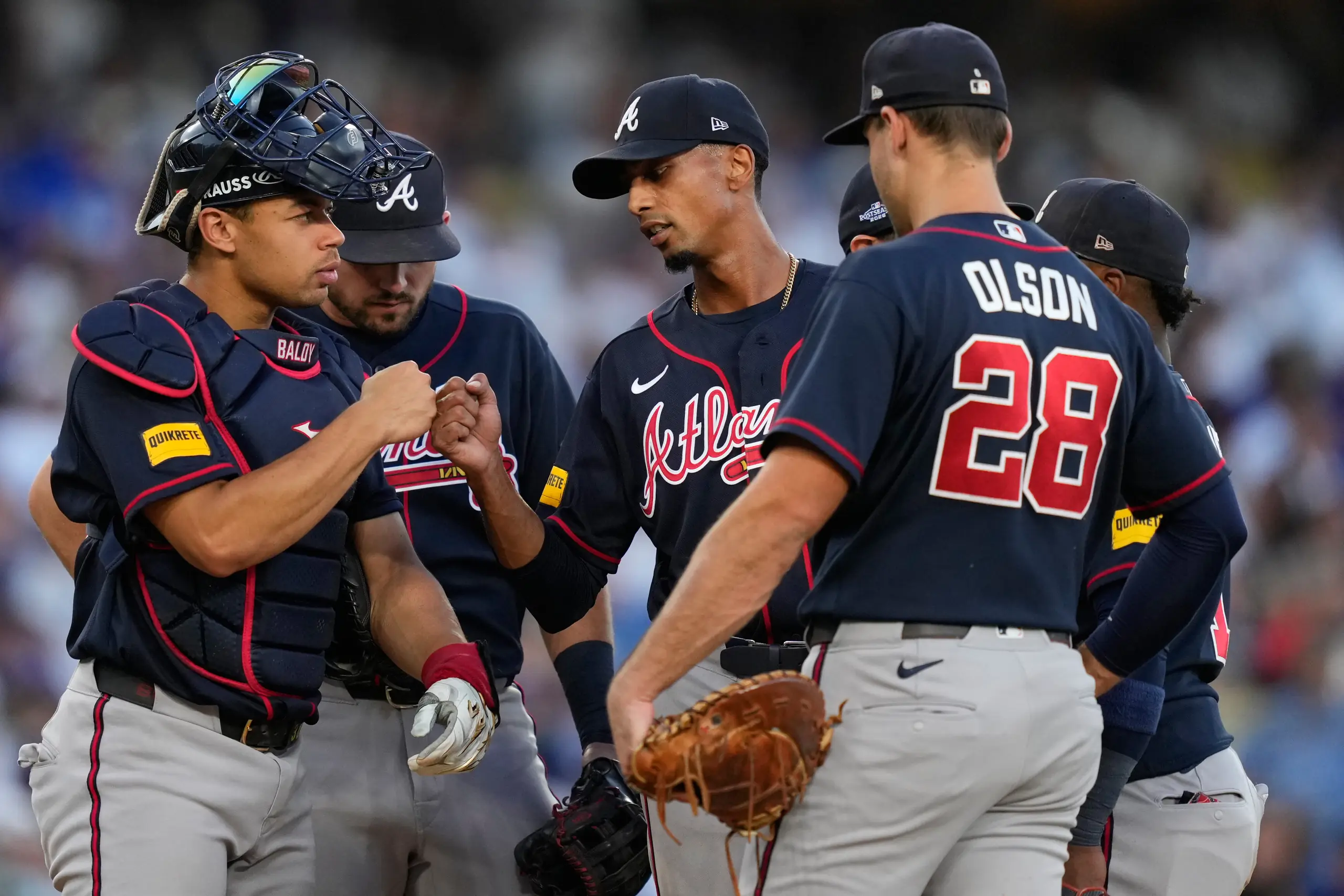
Kerr’s final line showed 2 2/3 innings pitched, during which he surrendered just two hits, issued one walk, and notched four strikeouts. When he handed the ball over to the bullpen in the third, he shared a fist bump with catcher Drake Baldwin, acknowledging a job expertly executed. The Braves’ bullpen and offense did the rest, holding off a late-inning surge by Los Angeles to secure the 3-2 win.
Reflecting on the surreal nature of his recent fame—including a sudden influx of social media followers and national media attention—Kerr remained remarkably grounded.
"I didn’t really have much pressure on me," Kerr remarked after the game, smiling as he recounted his unorthodox pre-game schedule. "And then when I got to the field, I developed my process in my head. Just an hour before the game, stretch, and get out there and only throw for like five, six minutes."
Supporting Context & Metrics: The Anatomy of a Reliever’s Rise
Kerr’s performance in Game 2 was not an isolated flash in the pan; it represents the continuation of a dominant postseason run. Earlier in October, Kerr served as the opener in the Braves’ decisive Game 3 victory over the rival Philadelphia Phillies in the National League Wild Card Series. On that afternoon, he carved through the Phillies’ lineup across 3 1/3 scoreless innings, surrendering only a single hit and a walk while striking out two.
These high-leverage postseason moments are supported by a remarkably stingy regular-season sample size following his return from major arm surgery. Selected to Atlanta’s active roster in mid-August, Kerr made his season debut on August 17 and promptly posted an elite 1.47 ERA across 18 1/3 innings and nine appearances.
Left-handed hitters found virtually no success against him down the stretch, managing a meager .174 batting average. In fact, a lone double was the only extra-base hit surrendered to a left-handed batter by Kerr during his entire regular-season stint, making him the ultimate weapon to deploy against the left-handed heavy segments of elite lineups like the Dodgers’.
From the Retail Aisles to the Major Leagues
To understand Ray Kerr’s resilience on the mound, one must look far beyond the white lines of a baseball diamond. At age 13, Kerr entered the foster care system in Reno, Nevada, as his father served time in prison and his mother was absent from his life. Stability eventually arrived when he and his brother were taken in by a foster mother who provided the structured environment they desperately needed.
After graduating from high school in Reno, Kerr enrolled at Mendocino College in Northern California. He pitched for two years before burning out and walking away from the sport entirely. Returning home, he entered the workforce, picking up shifts at a local 7-Eleven convenience store and working at a movie theater.
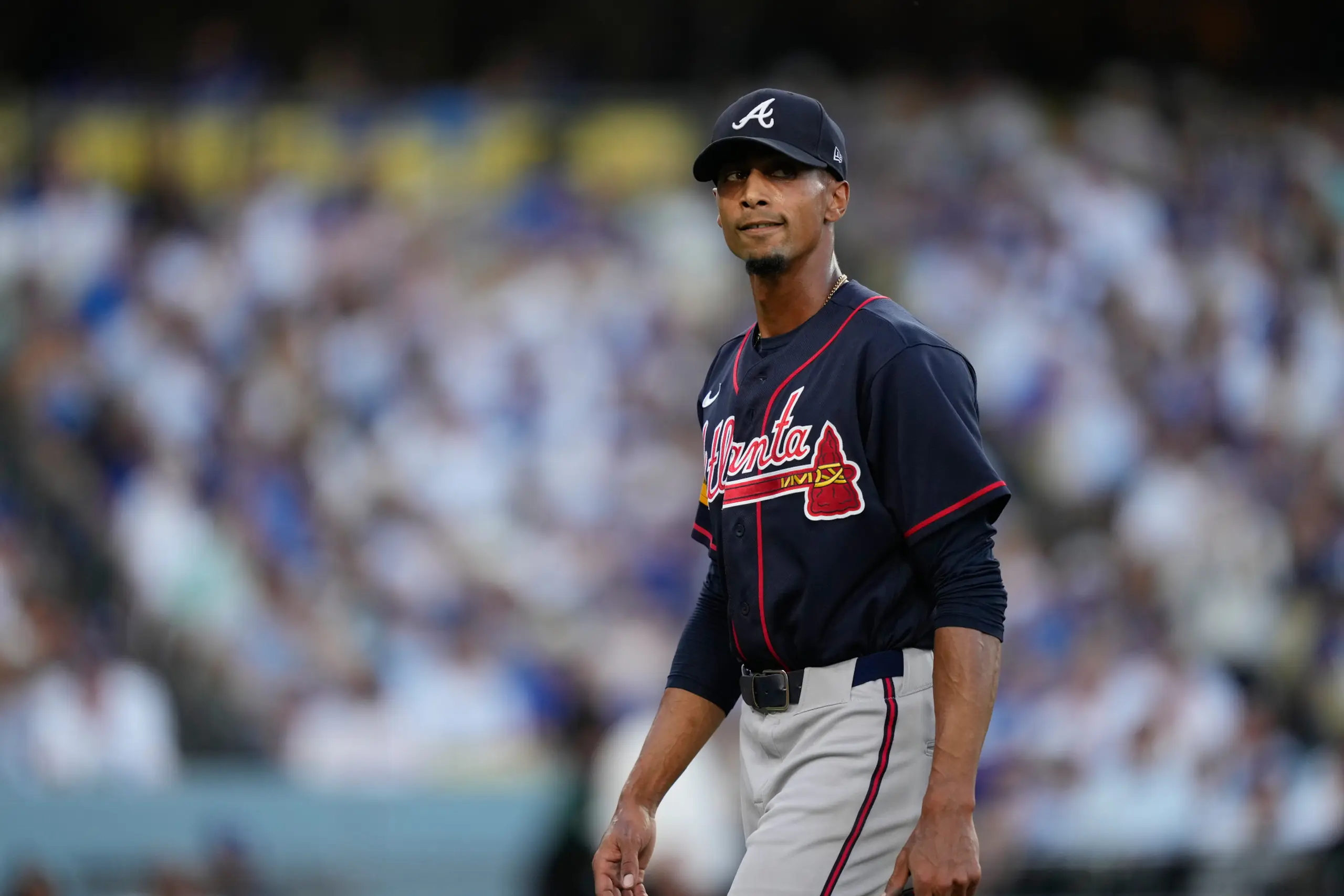
The turning point arrived when a coach from Lassen College, located in the Sierra Nevada foothills, tracked him down and convinced him to give baseball another chance. Kerr rediscovered his passion—and a massive uptick in velocity. Playing in the Alaska Baseball League in 2017, his fastball began touching 93 mph, catching the attention of major league scouts. That August, the Seattle Mariners signed him as an undrafted free agent.
A Tortuous Injury and Recovery Timeline
Kerr’s professional career has been defined by constant adaptation and physical hurdles:
- 2021: Traded from Seattle to the San Diego Padres organization.
- 2022: Made his long-awaited Major League debut, appearing in seven games for San Diego.
- 2023: Split time between the majors and Triple-A before being traded to the Atlanta Braves late in the year.
- 2024: Began the year at Triple-A before suffering a significant elbow injury that necessitated Tommy John surgery in June.
- 2025: Spent the entire season on the sidelines in grueling rehabilitation.
- 2026: Fought his way back to full health, earning an August call-up to Atlanta’s active roster and cementing himself as an indispensable October arm.
Official Statements and Managerial Perspective
The Atlanta coaching staff has expressed profound admiration for Kerr’s poise under fire. Stepping into a high-leverage starting role on zero notice during the postseason typically breaks younger or less seasoned pitchers, but Kerr’s life experiences have clearly forged a unique mental toughness.
"He did it again for us, just amazing," Braves manager Walt Weiss said during his post-game media session. "He’s throwing the ball so well. You look at what he’s been asked to do—the Wild Card clincher in Philly, and now coming into Los Angeles against this lineup—and he just doesn’t flinch."
Kerr himself maintains a philosophy of radical simplicity when faced with extreme pressure. Unfazed by the blinding lights of October or the historical accomplishments of hitters like Shohei Ohtani, his internal dialogue remains consistent before every appearance.
"It’s been fun. It’s very surprising," Kerr said regarding his sudden rise to national prominence. "It’s like one night, all of a sudden, I got a thousand followers on Instagram. I’m getting used to it. I’m just going to be myself throughout it."
When asked what mantra runs through his head if manager Walt Weiss hands him the ball to absorb more critical frames moving forward, Kerr offered a characteristically succinct reply:
"All right, let’s get it. That’s what I say every time, and then I stick to it."
Future Outlook: Shifting Back to Atlanta
With the National League Division Series deadlocked at one game apiece, the rivalry shifts cross-country to Atlanta for Game 3 on Tuesday. The stakes couldn’t be higher as both franchises fight for supremacy and a path toward the National League Championship Series.
The Braves are expected to hand the ball to ace pitcher Chris Sale for Game 3, setting up a high-octane pitching matchup in front of what promises to be a deafening home crowd at Truist Park.
"It’s going to be crazy there," Kerr said, anticipating the electric atmosphere awaiting the team in Georgia. "The crowd’s going to be beautiful to watch. I already know it. Especially against the Dodgers."
Whether Kerr is called upon to start, pitch in middle relief, or shut down a late-inning rally, his journey from convenience store clerk to postseason stopper has already been written into baseball lore. As the Braves look to capitalize on their momentum and capture a series lead on home turf, Ray Kerr stands ready, armed with a 95-mph fastball, an unshakeable mindset, and a story that captures the very soul of October baseball.

0 Comments