

Executive Overview
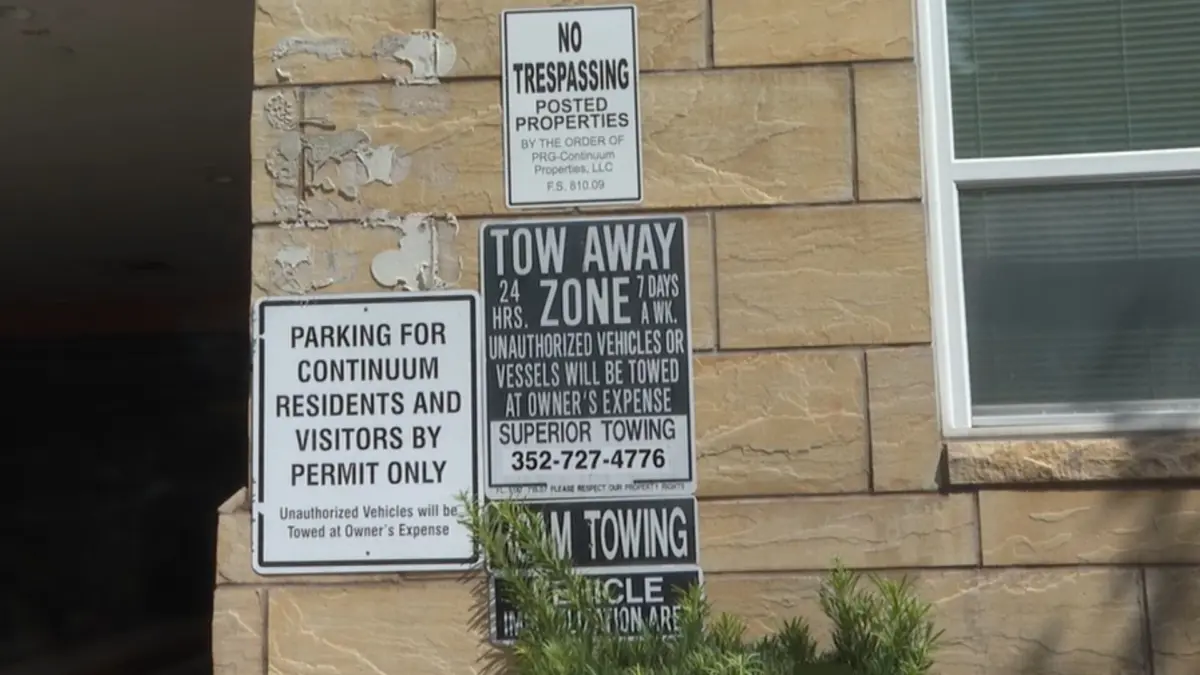
In a decisive and unanimous vote, the Gainesville City Commission has taken a major step toward overhauling the local parking enforcement landscape by moving to ban the controversial practice of "roam towing." The legislative initiative, which cleared its first reading before the commission, aims to dismantle a system that has long permitted private towing companies to independently patrol, boot, and haul away vehicles from marked private parking lots without direct, real-time provocation from property owners or managers.
For years, Gainesville residents, students, and visitors have voiced profound frustrations regarding predatory towing practices, aggressive booting operations, and exorbitant retrieval fees. Under the newly proposed ordinance, the operational dynamic between property owners and contracted towing agencies would fundamentally shift. Rather than allowing tow truck operators to act as self-directed enforcers cruising lots for infractions, the legislation mandates that property owners or designated managers personally place a call to request the specific removal of an unauthorized vehicle.
The move places Gainesville in alignment with a growing nationwide municipal trend. During discussions, city leaders emphasized that numerous municipalities across the United States—ranging from sprawling metropolitan hubs to peer college towns—manage parking enforcement successfully and equitably without resorting to roam towing.
While the commission’s initial vote reflects broad political consensus regarding the need for reform, the path forward is not entirely devoid of friction. Stakeholders and community members have raised critical questions regarding the delicate balance between consumer protection and the personal safety of property managers who must now explicitly authorize each removal. As the ordinance heads toward its mandatory second and final reading, the city stands on the precipice of a regulatory transformation that promises to redefine the rights of motorists and the accountability of private contractors operating within municipal boundaries.
Detailed Chronology of the Legislative Action
The journey toward the Gainesville City Commission’s recent vote did not happen in a vacuum; it represents the culmination of mounting informal grievances, escalating bureaucratic scrutiny, and persistent advocacy by citizens who felt victimized by aggressive industry practices.
The Breaking Point: Informal Complaints and Vendor Scrutiny
For months, city commissioners and administrative staff received a steady influx of complaints concerning local parking enforcement. The frustration reached a critical mass as residents detailed harrowing accounts of returning to find their vehicles booted or towed within minutes of leaving a designated lot, often under dubious circumstances or confusing signage.
At the center of the controversy sits Superior Towing, a private entity contracted to provide towing services across various properties within the city. According to statements entered into the official record by City Commissioner Ed Book, Superior Towing has generated the highest volume of informal complaints received via city email channels compared to any other vendor operating in the region. These complaints painted a picture of an aggressive enforcement model that prioritized corporate revenue generation over customer service, community relations, or proportional justice.
The Commission Floor Debate
During the recent legislative session, the debate surrounding the proposed ordinance crystallized into a powerful referendum on vendor accountability and municipal governance. Commissioner Book articulated a zero-tolerance stance for negligent or predatory behavior by private contractors performing public-facing functions.
"This argument on accountability by the vendors is absolutely essential. I’m in favor of strict enforcement for the vendors," Book declared during the session, underscoring the necessity of holding contracted entities to rigorous standards of ethical conduct.
The sentiment was strongly echoed by Gainesville Mayor Harvey Ward, who placed the local debate into a broader national perspective. Mayor Ward challenged the notion that roam towing is a necessary evil for urban management or commercial viability, noting that effective parking controls exist independently of predatory towing models.
"Cities all over America get by without roam towing. Big cities, little cities, medium-sized cities, college towns. All of these other cities get by without roam towing," Mayor Ward stated, dismantling arguments that a ban would plunge the city’s commercial areas into parking chaos.
Unanimous Passage of the First Reading
Following extensive deliberations that weighed the economic interests of towing enterprises against the civil protections of vehicle owners, the city commissioners voted unanimously to advance the ordinance. This rare display of bipartisan or cross-factional unity signaled a profound legislative appetite for reform.
However, because this milestone marked merely the first reading of the ordinance, it does not yet carry the force of law. To transition from a proposed bill to a legally binding municipal ordinance, the legislation must successfully navigate a second and final reading before the commission, where final adjustments, public comments, and technical amendments can be formally integrated.
Supporting Context & Metrics: The Anatomy of "Roam Towing"
To fully comprehend the significance of Gainesville’s legislative maneuver, one must examine the mechanics of roam towing, the economic incentives driving it, and the unique vulnerabilities of a major college town.
Understanding Roam Towing vs. Call-In Towing
In the lexicon of municipal parking enforcement, towing operations generally fall into two distinct categories:
- Call-In (Request-Based) Towing: This traditional model requires a property owner, leasing agent, or authorized business manager to personally identify an unauthorized, blocking, or abandoned vehicle on their private property and place a direct service call to a towing company to request its removal. The property owner maintains discretionary control over when and whether a vehicle is towed.
- Roam (Patrol-Based) Towing: In stark contrast, roam towing grants private towing companies blanket authorization to independently cruise, monitor, and patrol private parking lots. Tow truck operators act as autonomous enforcement agents, utilizing spotters, wheel boots, and rapid-hook mechanisms to penalize perceived parking violations instantly.
Critics argue that roam towing introduces a dangerous financial conflict of interest. Because towing companies typically retain all or a significant portion of the exorbitant drop fees, storage costs, and booting fines levied against vehicle owners, they possess a direct monetary incentive to maximize the volume of vehicles removed rather than fostering compliance through clear signage or verbal warnings.
The Unique Vulnerabilities of College Towns
As the home of the University of Florida, Gainesville features a transient, youthful population heavily reliant on personal vehicles, off-campus housing, and downtown commercial spaces. College students and young professionals frequently navigate dense urban cores where parking availability is chronically scarce and expensive.
This demographic dynamic creates a lucrative ecosystem for aggressive towing operators. Students rushing to class, patrons visiting downtown establishments, and delivery drivers making quick stops often become prime targets for opportunistic roam towing. The financial penalty of retrieving a towed vehicle—frequently ranging from several hundred dollars in cash or card payments, compounded by daily storage fees—can inflict devastating economic harm on college students living on tight, fixed budgets.
Official Statements and Stakeholder Perspectives
While the political leadership of Gainesville has presented a unified front in favor of curbing predatory practices, the practical implementation of the ordinance has elicited nuanced reactions from industry insiders, safety advocates, and legal observers.
The Proponent View: Reclaiming Consumer Rights
Proponents of the ban argue that municipal intervention is long overdue to protect citizens from predatory extraction models disguised as property management. By forcing property owners to actively request a tow, the ordinance restores a human element of discretion to parking enforcement. Under the new rules, a business owner who values customer goodwill can choose to issue a warning, overlook a minor parking transgression, or wait out a brief overstay rather than subjecting a customer to immediate financial distress.
City leaders maintain that private contractors should not possess unchecked authority to police public or semi-public spaces without direct oversight from the property owners who hire them. The overarching philosophy driving the legislation is simple: parking enforcement on private property should serve the property’s operational needs, not function as an independent profit-extraction scheme for towing conglomerates.
The Skeptic’s Corner: Safety, Retaliation, and Operational Realities
Despite the overwhelming legislative support, dissenting voices and cautious observers have highlighted potential unintended consequences of the proposed framework.
During the commission hearings, local resident and stakeholder Kevin Whitesides raised pressing concerns regarding the safety implications of shifting the burden of authorization entirely onto property owners or managers. While acknowledging that the ordinance does not legally harm the towing companies themselves, Whitesides voiced anxiety over the personal exposure property managers might face.
"It doesn’t affect the towing company at all, but it does scare me for the safety of the person who is putting their name on there requesting the tow for retaliation," Whitesides warned.
This concern touches on a legitimate operational hazard in modern property management. Aggrieved vehicle owners whose cars are towed often direct their anger not at the towing corporation, but at the local manager, landlord, or business owner identified as the requesting party. In dense residential complexes or high-conflict commercial zones, mandatory call-in rules could inadvertently expose property staff to verbal abuse, harassment, or physical retaliation from angry motorists caught in the act of being towed.
Furthermore, towing industry representatives have historically argued that patrol-based towing is essential for maintaining order in overcrowded lots, particularly in multi-family residential complexes where unauthorized parking can block designated residents, emergency fire lanes, or handicap-accessible stalls. They contend that requiring a property manager to personally verify and call in every single infraction could lead to enforcement delays, diminished lot availability, and increased friction between tenants and landlords.
Future Outlook: What Lies Ahead for Gainesville Motorists and Businesses
As Gainesville edges closer to permanently closing the chapter on roam towing, municipal authorities, property managers, and towing vendors must prepare for a significant transition in operational protocols.
The Roadmap to Enactment
With the successful passage of the first reading, the ordinance will now be scheduled for its second and final reading before the Gainesville City Commission. During this interim period, city attorneys will finalize the precise legal phrasing of the statute, ensuring it withstands potential legal challenges from towing industry lobbies who frequently contest municipal overreach in state courts.
If the ordinance passes its second reading—an outcome widely anticipated given the unanimous initial vote—it will officially take effect, setting a strict compliance deadline for all commercial and residential property owners operating within city limits.
Implications for Property Owners and Towing Vendors
Once the ban becomes law, property owners currently relying on blanket patrol contracts with firms like Superior Towing will be forced to restructure their agreements. Property management companies will need to:
- Establish Clear Protocols: Designate reliable on-site staff responsible for monitoring parking compliance and issuing explicit tow requests.
- Enhance Signage: Upgrade parking lot signage to clearly communicate that vehicles will only be towed upon direct request of the property owner, thereby setting transparent expectations for visitors.
- Re-evaluate Vendor Relationships: Vet towing partners to ensure they possess the administrative capacity to operate within a strictly request-based framework without attempting to circumvent the spirit of the new law.
A New Era for Municipal Accountability
Gainesville’s aggressive stance against roam towing signals a broader evolution in how local governments view consumer protection within the private marketplace. By prioritizing the financial well-being and peace of mind of its residents over the aggressive profit models of towing vendors, the city is establishing a progressive benchmark for municipal governance across Florida.
For motorists navigating the streets, parking lots, and commercial districts of Gainesville, the impending ban represents a hard-fought victory against predatory practices—a promise that parking mistakes will no longer serve as an open invitation for aggressive, unchecked financial exploitation.

0 Comments