

Executive Overview
LOS ANGELES — As autumn descends upon California, the political landscape is reaching a fever pitch. With mail-in ballots poised to arrive at millions of homes ahead of the November 3 general election, the race to succeed term-limited Democratic Governor Gavin Newsom has narrowed to a high-stakes duel between two sharply contrasting visions for the nation’s most populous state.
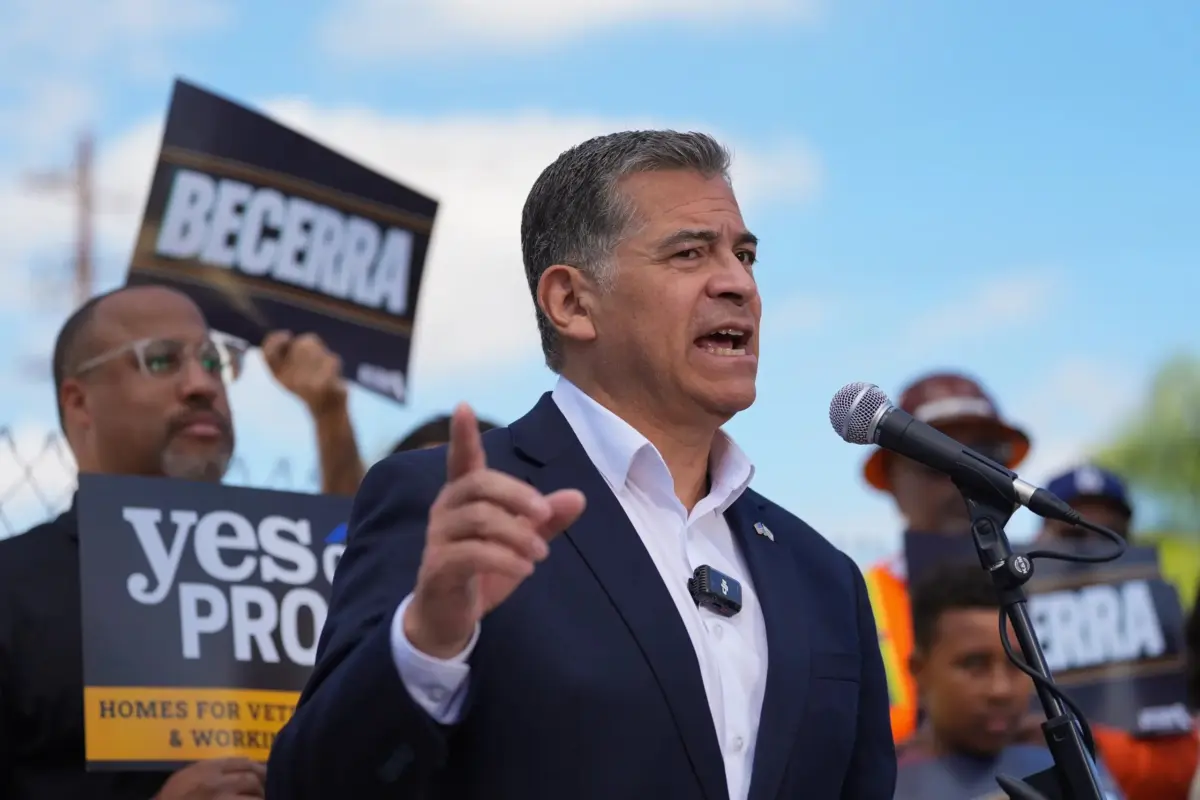
Democrat Xavier Becerra, a seasoned government veteran who boasts decades of experience in both state and federal arenas, is facing off against Republican challenger Steve Hilton, a political outsider and conservative commentator running on a populist platform of radical economic disruption.
On Tuesday night, the two candidates will meet face-to-face in their first and only scheduled debate of the campaign. Broadcast live on CNN for a critical hour, the matchup represents a make-or-break moment for Hilton. Trailing significantly in public opinion polls, the Republican contender needs a breakout performance to shift momentum, undercut his opponent’s institutional backing, and sway undecided voters before ballots begin hitting mailboxes.
At the core of the election is a fierce debate over California’s economic viability. While the state remains an economic powerhouse on the global stage, its residents have long grappled with punishing costs of living, notoriously high gas prices, soaring utility rates, a severe housing shortage, and a visible, intractable homelessness crisis. Becerra has positioned himself as a protective steward of California’s progressive values, promising pragmatic relief for working families while continuing his career-defining stance as a fierce bulwark against the federal agenda of President Donald Trump. Hilton, conversely, is pitching himself as the ultimate agent of systemic change, leveraging populist anger over taxes and inflation to argue that decades of single-party Democratic rule have broken the state’s social contract.
Detailed Chronology: The Road to the General Election
The path to the 2026 general election has been anything but ordinary, marked by a chaotic and volatile primary season that fundamentally reshaped the state’s political topography.
The Primary Turbulence
Earlier this year, the Democratic primary devolved into high drama that upended conventional expectations. Former U.S. Representative Eric Swalwell, once viewed as a formidable contender in the Democratic field, dramatically exited the race following severe public and ethical pressures. The exit came in the wake of explosive allegations that Swalwell had sexually assaulted a woman twice—including an incident dating back to the period when she was employed by his congressional office. The ensuing scandal not only cratered Swalwell’s gubernatorial aspirations but forced him to announce his complete resignation from Congress, stunning Washington and California observers alike.
Simultaneously, the Democratic primary witnessed an unprecedented financial arms race. Billionaire environmentalist and activist Tom Steyer poured a historic fortune into the race, spearheading what ultimately became the most expensive political advertising campaign in U.S. history. Despite blanketing the airwaves, digital spaces, and mailboxes with high-production ads, Steyer failed to secure the Democratic nomination, underscoring the limits of pure financial expenditure against institutional party networks and established name recognition.
From this political wreckage, Xavier Becerra emerged as the standard-bearer for the California Democratic Party, consolidating the party apparatus behind his candidacy. On the Republican side, Steve Hilton capitalized on widespread voter discontent, running a disciplined insurgent campaign that tapped into deep-seated frustrations regarding taxation, regulation, and public safety. Hilton successfully secured the prized endorsement of Donald Trump, setting up a classic ideological clash between the Democratic establishment and conservative populism.
The General Election Countdown
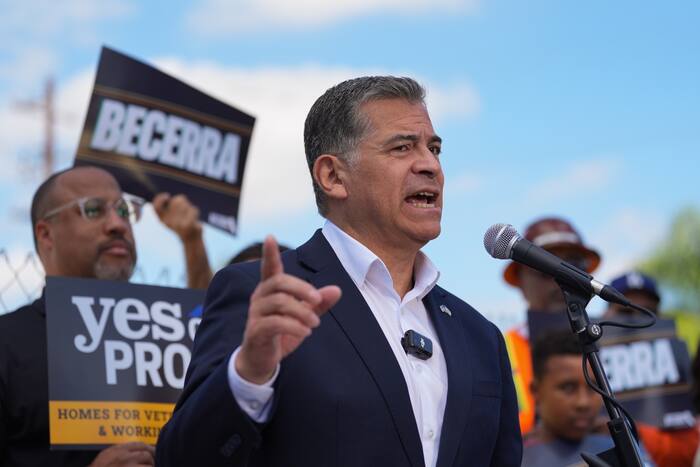
Following the primary dust-settling, the campaign entered an intense general election phase characterized by dueling policy rollouts. Hilton launched his "Save With Steve" campaign in late September in Los Angeles, designed to frame his candidacy around immediate, tangible financial relief for everyday Californians. Weeks earlier, in early September, Becerra held a prominent news conference in Long Beach to address California’s chronic housing affordability crisis, leaning heavily on his executive capabilities and long-term planning strategies.
Now, with the CNN debate looming, the campaign enters its most compressed and critical phase. With ballots hitting mailboxes days after the debate, Tuesday night’s encounter will likely serve as the definitive television event of the 2026 cycle.
Supporting Context & Metrics: The State of the State
To understand the gravity of the gubernatorial race, one must examine the complex socioeconomic metrics defining contemporary California. While the state boasts an economy that would rank among the top ten nations globally if it were independent, its citizens face unprecedented economic pressures that are reshaping voting behaviors.
Polling and the Partisan Divide
According to a comprehensive September poll conducted by the University of California, Berkeley, Institute of Governmental Studies (IGS), Xavier Becerra maintains a sizable and commanding lead over Steve Hilton among likely voters. This polling advantage mirrors historical electoral trends in the Golden State; a Republican has not won a statewide executive election in California since 2006, when Arnold Schwarzenegger secured his re-election.
However, political analysts caution that raw partisan registration numbers do not tell the whole story. Voter apathy, deep dissatisfaction with the status quo, and specific anxiety over inflation could depress traditional Democratic turnout while energizing disgruntled independent and conservative voters.
The Trump Factor
Steve Hilton’s association with Donald Trump presents a strategic paradox. While the endorsement solidified Hilton’s conservative base during the primary, it acts as a double-edged sword in a heavily blue state where Trump’s popularity has historically faced steep resistance. Trump has maintained a notoriously strained relationship with California’s political leadership and electorate, suffering decisive defeats in the state during his three previous runs for the presidency. As Trump’s national popularity fluctuates amid persistent voter anxiety over climbing gas and grocery prices, Becerra’s campaign has sought to tie Hilton directly to the former president’s controversial national platform.
Economic Realities: Taxes, Energy, and Housing
The daily cost of living in California serves as the primary battleground for both candidates. Key economic metrics underscore why this issue resonates so deeply with the electorate:
- Gasoline Prices: California motorists consistently pay the highest gasoline prices in the nation, driven by specialized environmental fuel formulations, heavy state excise taxes, and a tightly regulated refining market.
- Utility Rates: Electricity rates managed by investor-owned utilities like PG&E, Southern California Edison, and San Diego Gas & Electric have skyrocketed in recent years, placing an immense burden on working-class and middle-class households.
- Tax Burden: The state features top-tier income tax rates, alongside steep sales and property taxes, fueling a pervasive perception among residents that California is one of the most expensive places in the nation to live and work.
- Housing and Homelessness: Median home prices remain severely out of reach for a vast majority of first-time buyers, while the state’s visible homeless population continues to challenge local and state authorities despite billions of dollars in allocated spending.
Official Statements and Platform Breakdown
The ideological divergence between Becerra and Hilton could not be starker. Both men have staked their campaigns on promises to alleviate the state’s affordability crisis, but their proposed mechanisms represent fundamentally opposing philosophies of governance.
Steve Hilton’s Populist Disruption
Steve Hilton has built his platform around aggressive, disruptive interventions aimed at slashing the cost of living overnight. During his Los Angeles campaign launch, Hilton rolled out a series of bold proposals designed to shock the state’s economic system:
- Gasoline Relief: Hilton has vowed to executive-action his way to a $3-per-gallon gas price cap or market adjustment, slicing current pump prices roughly in half by rolling back state climate regulations and suspending specific fuel taxes.
- Utility Overhaul: He has promised to cut household utility bills in half, targeting regulatory compliance costs and corporate profits of major utility providers.
- Tax Cuts: Hilton’s platform includes a pledge to eliminate state income taxes entirely on the first $150,000 of individual or household earnings, injecting billions back into the pockets of middle-income Californians.
"Voters are desperate for a complete change of direction," Hilton has argued on the campaign trail, framing the current administration’s policies as elitist and out of touch with working families.
Xavier Becerra’s Institutional Stewardship
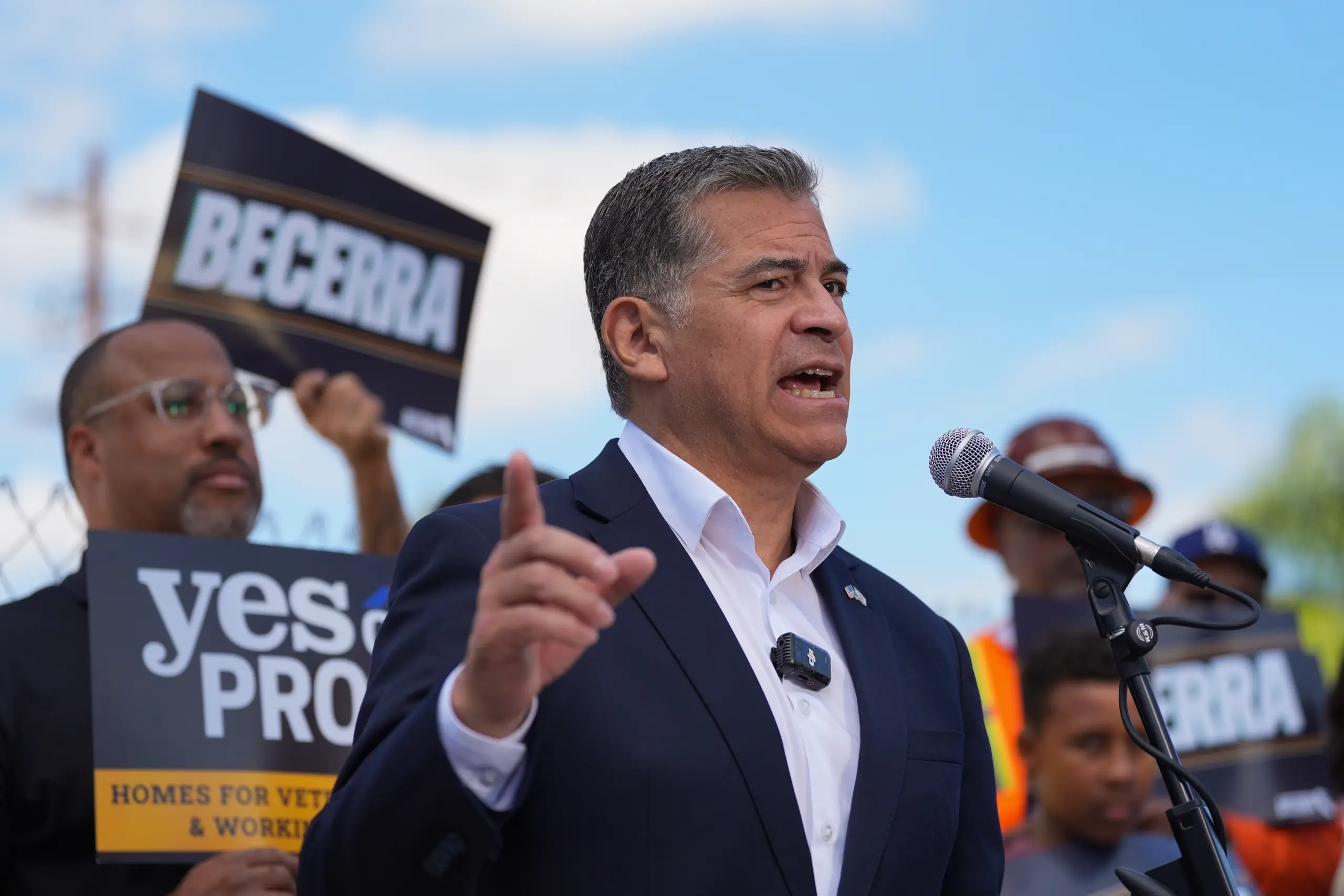
Xavier Becerra counters these populist promises with a pitch rooted in administrative competence, legislative experience, and the defense of democratic institutions. Having spent more than 35 years in public service—including leadership roles in the U.S. House of Representatives, serving as California’s Attorney General, and managing the sprawling U.S. Department of Health and Human Services under President Joe Biden—Becerra argues that governing requires deep institutional knowledge.
"The governor’s office is not a place with training wheels," Becerra frequently reminds voters, subtly contrasting his decades of executive policy-making with Hilton’s background as a political commentator and outsider advisor.
Becerra’s platform focuses on:
- Targeted Affordability: Strengthening state consumer protection laws, expanding affordable housing initiatives through structured zoning reforms and state-backed financing, and lowering prescription drug and healthcare costs.
- Defending Civil Rights and Climate Goals: Continuing California’s aggressive posture on climate change and environmental protection, while serving as a legal and political firewall against federal conservative policies.
- Pragmatic Governance: Building upon existing state infrastructure programs rather than dismantling regulatory frameworks that Democrats argue protect public health and the environment.
Future Outlook: The Path to November 3
As the clock ticks down to Tuesday night’s CNN debate, the trajectory of the 2026 California gubernatorial race hangs in the balance. For Steve Hilton, the debate represents an indispensable platform to challenge Becerra’s narrative of competence and introduce his dramatic economic relief proposals to a massive, captive audience of undecided and independent voters. If Hilton can successfully rattle his opponent or present a compelling, credible roadmap for his ambitious tax and energy cuts, he may successfully narrow the polling gap.
Conversely, Xavier Becerra enters the stage with the luxury of a commanding lead, but also the inherent vulnerability of defending the status quo in a state where voters are visibly frustrated by high prices and housing shortages. Becerra’s primary objective will be to project steady leadership, discredit Hilton’s policy proposals as economically unfeasible or reckless, and remind the electorate of his extensive credentials protecting California’s interests on the national stage.
Following the debate, the race will immediately transition from television studios to living rooms across the state as mail-in ballots drop into postal streams. With millions of voters set to make their choices in the final weeks of October, Tuesday’s showdown will likely be remembered as the definitive crucible of the 2026 election cycle—a night that either cemented the continuation of Democratic rule in the Golden State or ignited a populist conservative revolution.

0 Comments