

Executive Overview
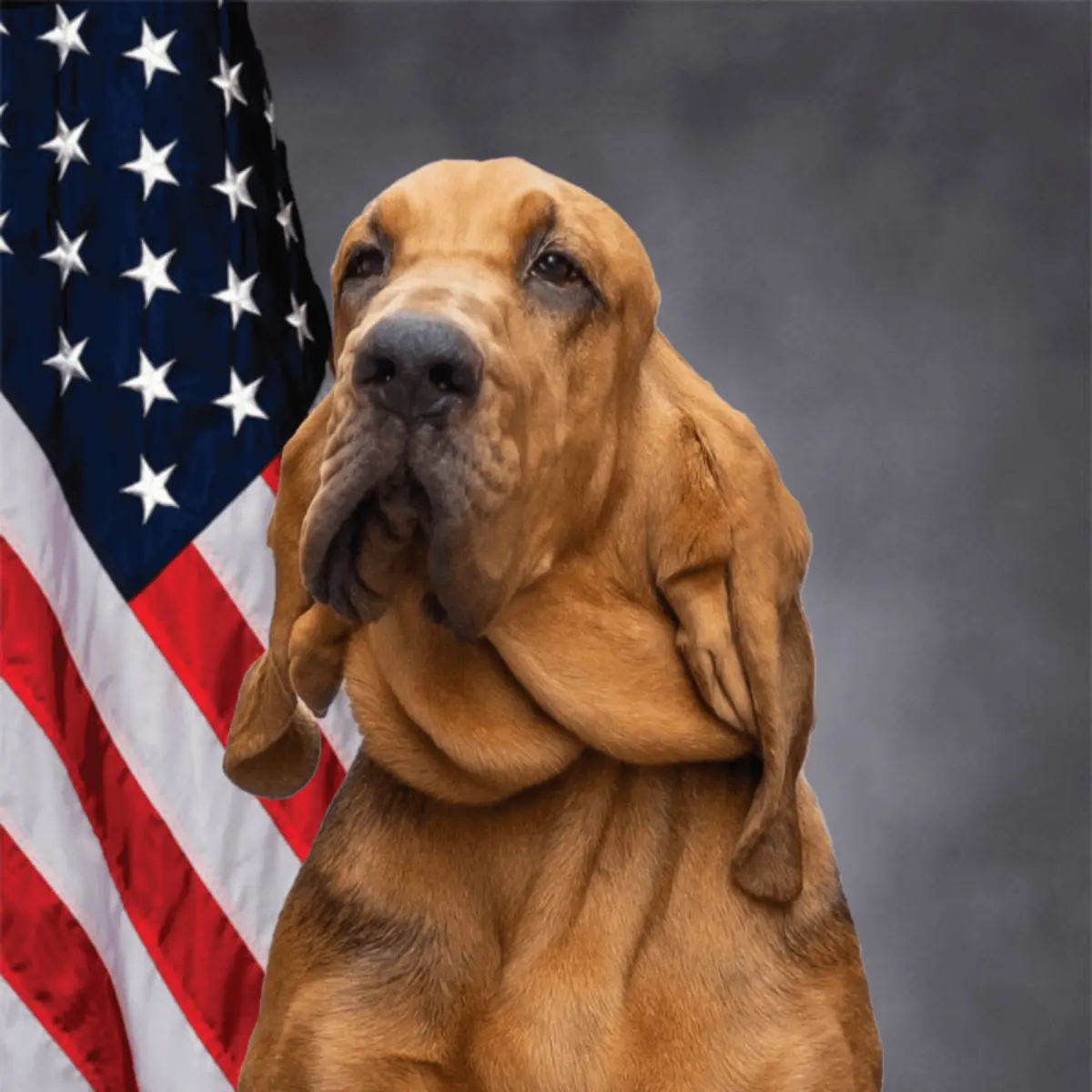
CHARLOTTESVILLE, Va. — The Charlottesville law enforcement community is in deep mourning following the tragic and sudden death of K-9 Blue, a dedicated police service dog who served the department as both a specialized tracker and an integral member of the agency’s family. According to official statements released by the Charlottesville Police Department (CPD), the canine officer was discovered unresponsive late Sunday evening inside a police vehicle parked at the Greene County residence of his assigned handler, Officer Darius Nash. Despite immediate efforts, Blue was subsequently pronounced dead.
The circumstances surrounding the canine’s passing have prompted a thorough, independent investigation. In an effort to ensure absolute transparency and objectivity, the Charlottesville Police Department requested that the Virginia State Police Bureau of Criminal Investigation take over the inquiry. State investigators are currently examining the timeline, environmental conditions, and mechanical or operational factors associated with the police vehicle where Blue was found.
K-9 Blue’s death has reverberated far beyond the confines of the police department, striking a chord with local residents, regional law enforcement partners, and animal welfare advocates alike. Police service dogs occupy a unique dual role within modern policing: they are formidable tactical assets trained for high-risk operations, yet they live intimately with their handlers as household pets and loyal companions. The sudden loss of Blue highlights the profound vulnerabilities inherent in the K-9 handling assignment and underscores the heavy emotional toll borne by law enforcement families who share their homes with operational service animals. As the Virginia State Police continue their work, municipal leaders and police administrators have pledged full cooperation while honoring a working dog whose career, though cut tragically short, left an indelible mark on the Charlottesville community.
Detailed Chronology of Events
The sequence of events leading to the discovery of K-9 Blue on Sunday evening is currently the focal point of the active Virginia State Police investigation. While complete evidentiary details remain withheld pending the conclusion of the inquiry, the broader timeline of Blue’s life, service, and final hours outlines the trajectory of this unfolding tragedy.
From Puppy to Professional: The Early Years
Blue’s journey with the Charlottesville Police Department began in early February 2023. Arriving as a remarkably young recruit—just four months old—Blue was selected for his high drive, intelligence, and physical agility. Unlike patrol dogs that may focus primarily on apprehension and deterrence, Blue was slated for a specialized career path centered on tracking.
For the first phase of his tenure, Blue underwent rigorous developmental training. Canine training for law enforcement is an exhaustive, months-long process that tests an animal’s scent discrimination, stamina, and ability to navigate complex urban and rural environments. Handlers and their canine partners forge an intense psychological bond during these formative weeks and months, learning to read subtle behavioral shifts that indicate the presence of a target scent, a hidden suspect, or a missing person. By graduating into active service, Blue transitioned from a promising puppy into a certified operational tool relied upon by field supervisors across Central Virginia.
The Final Sunday: Unfolding Developments
On Sunday, August 17, 2026, operations appeared routine until late in the evening. According to CPD administration, Blue was located inside a designated police vehicle stationed at the residence of his handler, Officer Darius Nash, in neighboring Greene County.
Greene County, situated just north of Charlottesville, is a frequent residential base for regional law enforcement officers who commute across municipal lines. Police K-9 units are routinely housed at their handlers’ homes to ensure 24-hour rapid deployment capabilities; this allows handlers to respond directly from their residences to critical incidents without needing to report to the station first to retrieve their canine partners.
Late Sunday night, Blue was found unresponsive within the vehicle. Emergency measures were initiated, but the canine could not be revived. The immediate notification protocols for K-9 fatalities were swiftly enacted, alerting CPD command staff, municipal leadership, and state investigative authorities. By Monday morning, the Virginia State Police Bureau of Criminal Investigation had assumed control of the scene to conduct a comprehensive forensic and administrative review.
Supporting Context & Metrics: The Anatomy of Modern K-9 Operations
To fully grasp the gravity of K-9 Blue’s death, it is essential to examine the operational standards, logistical frameworks, and inherent risks associated with modern police canine units.
The Multi-Faceted Role of Tracking Canines
Tracking dogs like Blue represent a critical force multiplier for contemporary police agencies. In tracking operations, a canine relies on its extraordinary olfactory capabilities—which are hundreds of thousands of times more sensitive than those of a human—to follow the specific scent path left by an individual. These deployments frequently occur under high-pressure scenarios, including:
- Locating Endangered Missing Persons: Finding children with autism, elderly individuals suffering from dementia, or hikers lost in rugged terrain.
- Apprehending Fleeing Suspects: Tracking dangerous felons who have bolted from traffic stops or crime scenes into dense wooded areas or residential neighborhoods.
- Evidence Recovery: Discovering discarded firearms, clothing, or stolen property along a suspect’s flight path.
Because these duties often require sustained physical exertion in adverse weather conditions, the health, conditioning, and physiological safety of the K-9 are paramount concerns for handlers and departments alike.
Vehicle Technology and Environmental Safety
Modern police K-9 vehicles are rolling technological marvels designed to protect specialized animals from the elements, particularly the severe risks of heat exhaustion and environmental distress. Unlike standard patrol cruisers, K-9 units are typically outfitted with specialized modifications:
- Temperature Monitoring Systems: Advanced sensors that constantly monitor the ambient temperature inside the rear transport kennel.
- Automatic Climate Control: Systems programmed to activate auxiliary air conditioning fans and roll down rear windows if the interior temperature surpasses a safe threshold.
- Heat Alarm and Paging Units: Automated remote transmitters carried by the handler that emit audible and visual alarms, or send direct page alerts to the officer’s radio and personal cellular device, if the vehicle’s engine stalls, the battery fails, or the interior temperature spikes.
- Door-Popper Mechanisms: Remote-controlled solenoid systems that allow the handler to release the rear door of the cruiser in an emergency to deploy the K-9.
Despite these advanced safeguards, K-9 handling remains an assignment fraught with potential failure points, ranging from mechanical anomalies and electronic malfunctions to human error under conditions of extreme fatigue or shifting shift schedules. The Virginia State Police investigation is expected to meticulously analyze the mechanical integrity and functional status of the vehicle’s climate control and alarm systems at the time of the incident.
The Psychological Toll on Handlers
The relationship between a police K-9 and its handler is fundamentally different from typical employer-employee or working-animal dynamics. Officer Darius Nash, like all dedicated K-9 handlers, lived with Blue seven days a week. The dog slept in his home, traveled in his vehicle, and shared in his daily life outside of formal shifts.
Law enforcement experts note that K-9 handlers carry an immense psychological burden. They bear total responsibility for the health, training, welfare, and operational deployment of an animal that is simultaneously a sworn municipal asset and a beloved family pet. The sudden loss of a partner under any circumstances leaves handlers vulnerable to profound grief, professional scrutiny, and operational displacement.
Official Statements and Institutional Response
The loss of K-9 Blue elicited swift, emotional responses from municipal leaders, departmental executives, and the wider policing community across the Commonwealth of Virginia.
The Charlottesville Police Department Statement
In an official communique issued on Monday, the Charlottesville Police Department expressed the raw, collective grief felt by its personnel. The agency emphasized that working dogs are never viewed merely as equipment, but rather as sworn members of the department’s extended family:
"K-9 partners are more than working animals; they are members of our department family. They are trained and trusted to serve alongside their handlers in keeping our community safe. The loss of a K-9 partner is felt deeply throughout the entire agency."
The statement underscored the department’s commitment to transparency, noting that the agency immediately sought the assistance of an outside investigative body to review the facts of the case thoroughly and impartially.
Regional Reactions and Community Outpouring
As news of Blue’s passing spread via local media outlets such as WVIR and regional digital networks, community members took to social media and civic forums to express their condolences. Tributes highlighted Blue’s active role in community policing demonstrations, his youthful energy, and the quiet sacrifices made by tracking dogs who spend their lives sniffing out danger to ensure public safety.
Law enforcement agencies from neighboring jurisdictions—including the Albemarle County Police Department, the Greene County Sheriff’s Office, and the Virginia State Police—extended formal messages of solidarity and support to Officer Nash and the men and women of the Charlottesville Police Department.
Future Outlook: Accountability, Policy Review, and Legacy
As the investigation into K-9 Blue’s death moves forward, the case is expected to cast a long shadow over local administrative protocols and prompt broader discussions regarding police animal welfare policies.
The Path of the Investigation
The Virginia State Police Bureau of Criminal Investigation has indicated that its review will be exhaustive. Investigators will compile forensic evidence, review maintenance logs for the police vehicle, interview witnesses and fellow officers, and assess whether any procedural lapses or equipment failures contributed to the tragedy.
Once completed, the investigative findings will be submitted to local prosecutors for a comprehensive review to determine if criminal negligence or administrative policy violations occurred. Regardless of the legal determinations, the findings will likely serve as a catalyst for internal policy adjustments within the Charlottesville Police Department.
Strengthening K-9 Safety Protocols
Incidents involving the death of police service dogs nationwide have increasingly driven agencies to adopt proactive measures to safeguard working animals. Industry best practices now heavily emphasize:
- Redundant Safety Systems: Requiring dual-sensor temperature monitors and regular manual check-ins for handlers on off-duty hours.
- Mental Health Support for Handlers: Establishing specialized peer-support networks for K-9 handlers experiencing operational stress, fatigue, or trauma.
- Enhanced Training Recertification: Annual audits of vehicle safety infrastructure and mandatory operational protocols for housing and transporting service animals.
Preserving Blue’s Memory
While the administrative and legal processes unfold, the ultimate legacy of K-9 Blue will be defined by his dedicated service to the people of Charlottesville. From his early days as a four-month-old recruit in 2023 to his final operational tracks, Blue represented the highest ideals of canine policing: unwavering loyalty, tireless dedication, and a willingness to step into the unknown in service of others.
For Officer Darius Nash and the members of the Charlottesville Police Department, the absence of their four-legged partner will be felt acutely during every future briefing, patrol, and tracking deployment. As the community pauses to reflect on this tragedy, K-9 Blue’s service remains a poignant reminder of the silent, steadfast sacrifices made by law enforcement animals and their handlers every single day.

0 Comments