

Executive Overview
ENSENADA, Mexico — In a ruling that brings a harrowing chapter of international crime closer to its judicial conclusion, a Mexican judge on Friday formally found three men guilty of the high-profile murders of two Australian brothers and their American friend. The tragic killings, which took place in April 2024, sent shockwaves through Mexico’s tourism-dependent coastal communities and triggered international outrage, putting a spotlight on the safety of foreign travelers along the Baja California peninsula.
Judge Raúl Hernández, presiding in the coastal city of Ensenada, handed down guilty verdicts against Jesús Gerardo García (commonly known by the alias "El Kekas"), Irineo Francisco “N,” and Ángel Jesús “N.” The trio was convicted on multiple counts, including aggravated homicide, armed robbery, and armed carjacking.
The verdict follows a grueling month-long trial that laid bare the chilling, senseless nature of the crime. The victims—Australian brothers Callum and Jake Robinson, alongside American Jack Carter Rhoad—had traveled to Mexico for a routine surfing holiday. Instead, they encountered ruthless predators in a remote coastal campsite.
With the guilty verdicts now secured, attention turns to the upcoming sentencing phase. Prosecutors from the Baja California State Attorney General’s Office have requested the maximum possible penalty: a staggering 200 years in prison for each defendant. This case not only marks a crucial test for the Mexican judicial system’s handling of violent crimes against foreigners, but it also serves as a stark reminder of the security challenges plaguing isolated stretches of Latin America’s most popular tourist destinations.
Detailed Chronology: From Surf Trip to Tragedy
The sequence of events that culminated in Friday’s verdict began in late April 2024, transforming what was meant to be an idyllic getaway into a nightmare that captured global headlines.
Arrival in Paradise
In late April 2024, Callum Robinson (33), his brother Jake Robinson (30), and their close friend Jack Carter Rhoad (30) arrived in the Mexican state of Baja California. Avid surfers and outdoor enthusiasts, the trio planned to camp along the rugged coastline, seeking out remote waves far from the bustling resort towns.
They set up camp in Punta San Jose, an isolated coastal area approximately 80 kilometers (50 miles) south of Ensenada. The location offered pristine views and world-class surf breaks, but its isolation also rendered the travelers uniquely vulnerable to criminal elements operating in the region.
The Disappearance
By the final days of April, communication from the three young men abruptly ceased. Family members and employers back in Australia and the United States grew increasingly alarmed as social media updates stopped and scheduled flights home were missed.
On April 27, 2024, Ary Gisell Silva Raya—who would later become a central figure in the criminal proceedings—arrived in Punta San Jose. According to state prosecutors, Silva Raya encountered the foreign trio and subsequently instigated her criminal associates to target the tourists for their vehicle and valuables.
The Attack
During the month-long trial, harrowing testimonies revealed the brutal reality of what transpired inside the victims’ campsite. Silva Raya’s testimony last month provided a spine-chilling account: Jesús Gerardo García ("El Kekas") arrived at the foreigners’ tent brandishing a 9mm pistol.
Realizing the immediate mortal danger, the victims attempted to fend off the assailant by throwing their personal belongings at him in a desperate bid to deter the attack. Witnesses and evidence presented in court showed that one of the victims actively begged for his life. García, entirely unmoved by the pleas, executed the robbery and subsequent murders.
To conceal their heinous crimes, the perpetrators dragged the bodies of the three men down a steep embankment and dumped them into a remote water well, subsequently covering the opening with debris to thwart detection.
The Discovery and Arrests
Following frantic missing-person reports filed by international families and local authorities, a massive multi-agency search was launched across Baja California. On May 3, 2024, search teams located the victims’ bodies inside the well near Punta San Jose. Autopsies later confirmed that all three men had died from gunshot wounds to the head.
The rapid mobilization of law enforcement led to the swift arrest of García, Silva Raya, Irineo Francisco “N,” and Ángel Jesús “N” in May 2024. Investigators recovered key pieces of evidence, including the victims’ cell phones, camping gear, and their pickup truck, which had been stripped and abandoned by the assailants.
Supporting Context & Metrics: The Human and Economic Toll
The murder of the three surfers was not merely an isolated criminal act; it sent profound shockwaves through the tourism industry, international diplomatic channels, and local communities alike.
A Blow to Baja’s Tourism Economy
Baja California relies heavily on American and international tourism, particularly from surfers and adventure travelers who frequent its scenic coastal corridors. Following the discovery of the bodies in May 2024, regional tourism boards reported a temporary dip in reservations as prospective visitors weighed the safety risks of traveling off the beaten path.
The tragedy sparked urgent conversations among local business owners, law enforcement agencies, and federal officials regarding the implementation of enhanced security measures along remote coastal highways and popular camping spots.
Legal Precedents and Fast-Track Convictions
The judicial process surrounding the triple homicide involved a bifurcated legal strategy. Ary Gisell Silva Raya, who was found in direct possession of one of the victims’ cell phones and played an instigative role in the robbery, opted for an expedited proceeding. In November 2025, Silva Raya pleaded guilty to "aggravated robbery with violence" and "vehicle theft with violence," resulting in a 20-year prison sentence.
In contrast, García and his two male co-defendants chose to take their chances at trial. Over the course of a month-long legal proceeding in Ensenada, prosecutors presented a mountain of forensic, digital, and testimonial evidence. The resilience of the judicial system was tested as defense teams attempted to challenge the admissibility of certain confessions, though ultimately failing to sway Judge Raúl Hernández.
Official Statements and Reactions
The trial brought intense emotional strain to the families of the victims, who traveled from Australia and the United States to attend court sessions in Ensenada. Their quiet dignity throughout the grueling legal proceedings earned widespread respect from the local community and media alike.
The Families’ Ordeal
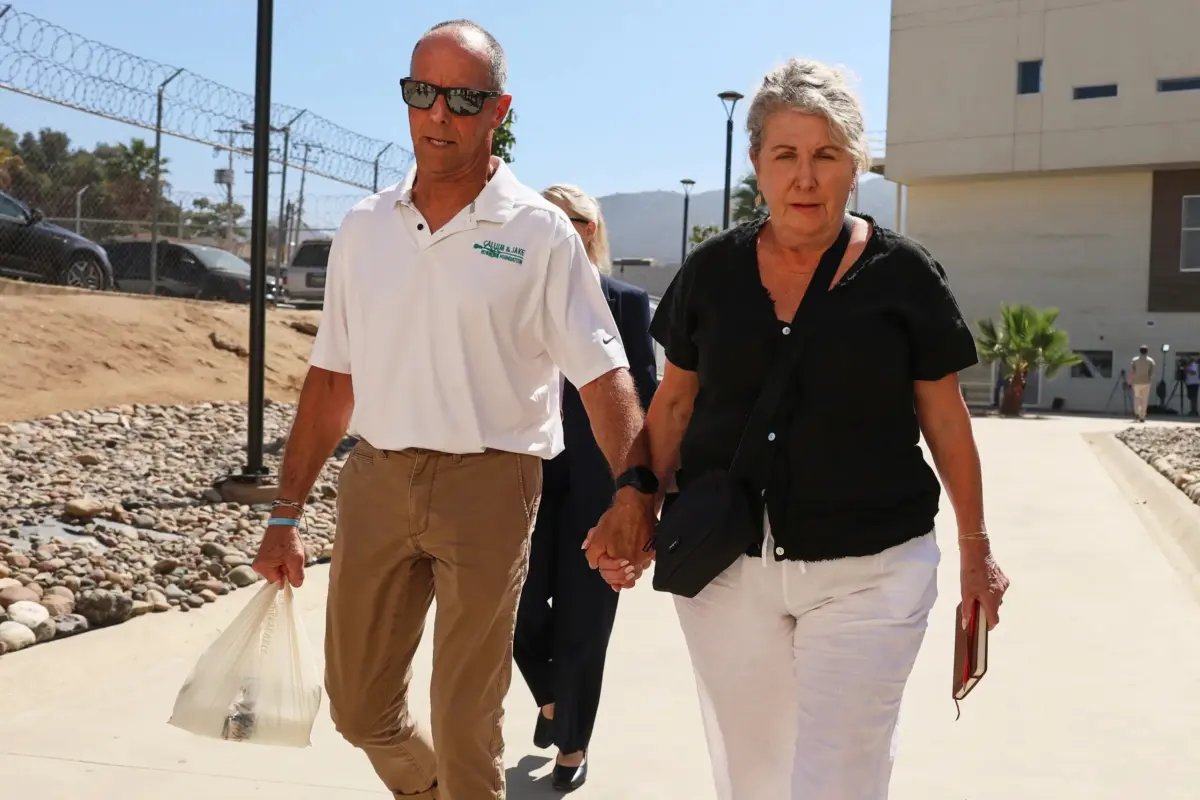
Debra and Martin Robinson, the parents of Callum and Jake Robinson, sat stoically in the Ensenada courtroom on Thursday, October 8, 2026, awaiting the final deliberations. Their presence served as a poignant reminder of the enduring grief experienced by families who lose loved ones to senseless violence abroad.
While Australian and U.S. consular officials provided ongoing diplomatic and legal support to the grieving families, human rights advocates and legal experts praised the tenacity of the Baja California State Attorney General’s Office for pursuing justice despite logistical and emotional hurdles.
Prosecutors Seek Maximum Deterrence
Speaking outside the courthouse following Friday’s verdict, representatives for the state prosecutor’s office emphasized the severity of the crimes committed. Pointing to the calculated nature of the armed robbery, the cold-blooded execution of the victims, and the subsequent attempts to conceal the bodies in a remote well, prosecutors formally requested the maximum possible sentence: 200 years in prison for each of the three convicted men.
"This verdict validates the meticulous investigative work conducted by our forensic and prosecutorial teams," a spokesperson for the Attorney General’s Office noted. "No sentence can restore the lives stolen from these young men, but we trust that the judiciary will deliver a punishment that reflects the profound gravity of these heinous acts."
Future Outlook: Sentencing and Legal Finality
With the guilty verdicts now officially entered into the court record, the immediate legal horizon centers on the sentencing hearing.
What Lies Ahead
- Sentencing Announcement: Judge Raúl Hernández is expected to formally announce the final prison sentences for Jesús Gerardo García, Irineo Francisco “N,” and Ángel Jesús “N” within the coming days.
- Potential Appeals: Legal defense teams for the convicted men retain the right to appeal the verdict and the impending sentences. However, given the robust nature of the forensic evidence—including ballistic reports, digital tracking of stolen devices, and co-conspirator testimonies—legal analysts view successful appeals as highly unlikely.
- Closure for the Families: For Debra and Martin Robinson, as well as the family of Jack Carter Rhoad, the conclusion of the trial brings a measure of legal closure, even as they continue to grapple with an irreplaceable loss.
As Ensenada and the broader Baja California region look forward, the legacy of this case will undoubtedly shape future security protocols for international travelers. It stands as a solemn reminder of the universal demand for justice, transcending borders to hold violent offenders accountable for crimes that reverberate across the globe.

0 Comments