

WASHINGTON (Gray DC) — As the nation moves deeper into the 2026 political cycle, a convergence of high-stakes electoral showdowns, a major constitutional clash involving the executive branch and the nation’s highest court, and a historic sporting milestone on the National Mall are dominating the headlines this week.
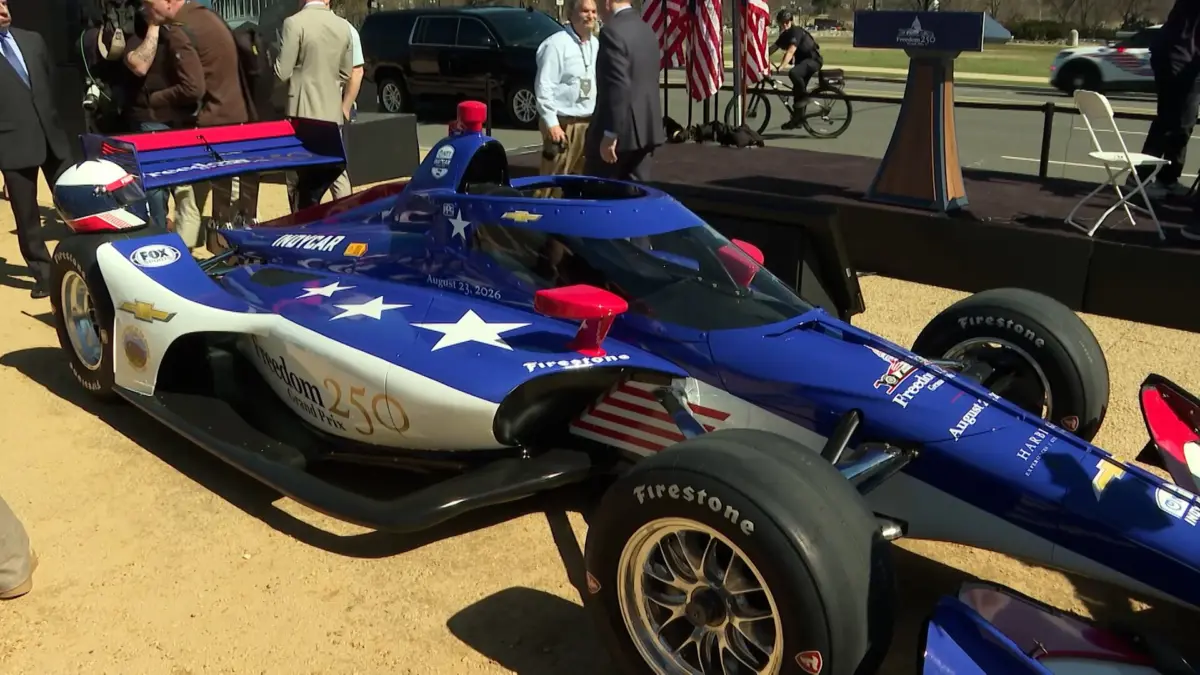
From the frozen expanses of Alaska to the sun-drenched precincts of Florida, voters are heading to the polls today in primary elections that could reshape the balance of power in the United States Senate and offer critical bellwethers for gubernatorial races nationwide. Meanwhile, in the nation’s capital, the U.S. Supreme Court faces a strict Tuesday deadline to address an unprecedented intervention request by the administration regarding structural modifications to the White House East Wing. Simultaneously, downtown Washington braces for an influx of motorsport fans as the historic Freedom 250 Grand Prix prepares to bring the thrill of IndyCar racing to the heart of federal monuments this weekend.
Executive Overview
The convergence of multiple high-impact national stories on a single Tuesday underscores the fast-paced and multifaceted nature of contemporary American public life. At the epicenter of today’s political focus are the primary elections in Alaska and Florida. In Alaska, voters are navigating a closely watched slate featuring incumbent Republican Senator Dan Sullivan and former Democratic Representative Mary Peltola, whose fierce contest has captured national attention as a premier battleground for the upper chamber. Parallel gubernatorial and congressional primaries in Florida are offering a robust testing ground for party infrastructure, fundraising prowess, and voter mobilization strategies ahead of the general election cycle.
Concurrently, the separation of powers is being tested at 1600 Pennsylvania Avenue. Chief Justice John Roberts has established a strict Tuesday deadline for legal filings concerning President Donald Trump’s emergency appeal to the Supreme Court. The dispute centers on an injunction halting above-ground construction of a controversial new ballroom on the White House East Wing—a project lower courts have ruled requires explicit congressional authorization.
Adding a layer of civic pageantry and logistical complexity to the capital, Washington is preparing to host the inaugural Freedom 250 Grand Prix. Set against the neoclassical backdrop of the National Mall, twenty-five elite IndyCar drivers will compete in what organizers describe as a landmark event for the sport, bringing international sports tourism directly to the federal district’s most iconic corridors.
Detailed Chronology
Understanding the weight of today’s developments requires a chronological examination of the events, legal briefs, and campaign trajectories that have culminated in this pivotal week.
The Road to the Primaries: Alaska and Florida
The primary election cycle in Alaska and Florida represents months of aggressive campaigning, multi-million-dollar advertising blitzes, and intense grassroots organizing.
- The Alaska Contest: Alaska’s unique ranked-choice voting environment and nonpartisan primary structure have once again produced a fascinating electoral dynamic. Incumbent Republican Senator Dan Sullivan has spent the primary season fortifying his conservative base while emphasizing his legislative seniority and national security credentials. However, his path is challenged by formidable opponents, most notably former Democratic Representative Mary Peltola. Peltola, who previously galvanized statewide support through a platform centered on fisheries, rural empowerment, and pragmatic governance, has positioned herself as a bipartisan builder capable of cutting through hyper-partisan gridlock. Political analysts note that the dynamic between Sullivan and Peltola will serve as a bellwether for how statewide races are contested in polarized yet fiercely independent voting blocs.
- The Florida Primaries: Thousands of miles to the south, Florida voters are casting ballots in a series of fiercely contested primaries for both gubernatorial and congressional seats. Florida’s role as a perpetual swing-to-red crucible means that every primary contest is scrutinized for shifts in Hispanic voter alignment, suburban turnout, and economic sentiment. Local election supervisors reported steady early voting totals and smooth precinct openings across major metropolitan areas including Miami, Orlando, Tampa, and Jacksonville.
The White House East Wing Legal Timeline
The legal dispute over the White House East Wing ballroom has accelerated rapidly through the federal judiciary over the past several weeks:
- Initial Conception and Opposition: The administration’s proposal to construct a permanent, large-scale ballroom on the East Wing grounds was initially framed as an essential upgrade for state dinners and international diplomacy. However, preservationists, architectural watchdog groups, and congressional leaders quickly pushed back, arguing that historic preservation laws and the separation of powers preclude unilateral executive construction on the historic federal estate.
- Lower Court Injunctions: Following challenges filed in federal district court, judges ruled that the project fundamentally alters the historic fabric of the White House and infringes upon Congress’s Article I power of the purse and oversight responsibilities regarding federal property. An injunction was subsequently issued, halting all above-ground construction at the site.
- The Supreme Court Appeal: Seeking to bypass the protracted delays of the appellate court system, the White House petitioned the Supreme Court for emergency intervention, asking the justices to stay the lower court’s injunction and allow construction to resume immediately.
- The Tuesday Deadline: Supreme Court Chief Justice John Roberts set a strict deadline of today for respondents to file their legal arguments opposing the administration’s emergency stay request, setting the stage for an imminent decision from the high court.
The Freedom 250 Grand Prix Preparations
Logistical preparations for the Freedom 250 Grand Prix have been underway for months, culminating in a heavy push this week:
- Course Layout and Approval: Organizing a street race on the National Mall required unprecedented coordination among the National Park Service, the District of Columbia government, federal security agencies, and IndyCar officials. The temporary street circuit weaves past iconic federal landmarks, creating a unique visual spectacle for motorsports enthusiasts.
- Team Arrivals: Transport trucks and team haulers began arriving in the District over the weekend to set up the temporary paddock areas. Tech inspections and safety barriers are being finalized ahead of Saturday’s opening festivities.
Supporting Context & Metrics
To fully grasp the significance of these concurrent developments, it is essential to examine the underlying data, economic impacts, and structural mechanics driving each story.
Electoral Metrics: Alaska and Florida
- Senate Control Dynamics: The Alaska Senate race is viewed by campaign strategists on both sides of the aisle as a potential swing seat that could dictate control of the upper house of Congress. In the 2024–2026 legislative cycles, narrow majorities have placed an outsized premium on states with independent-minded electorates.
- Voter Turnout Projections: In Florida, county supervisors of elections anticipated a baseline turnout of approximately 28% to 35% for the primary contests, driven largely by high-profile local races and automated mail-in ballot returns. In Alaska, the open primary format encourages crossover voting, making traditional polling models notoriously difficult to calibrate accurately.
Legal and Architectural Context of the White House Construction
- Constitutional Questions: The dispute places the doctrines of executive privilege, inherent executive authority, and congressional oversight into direct conflict. Constitutional scholars note that while presidents have historically managed the executive residence, major structural alterations funded or executed without specific legislative appropriations tread heavily onto congressional turf.
- Project Scope: The proposed East Wing expansion aims to replace temporary marquee structures traditionally used for large-scale diplomatic functions with a permanent, climate-controlled facility capable of hosting hundreds of dignitaries. Opponents argue that the aesthetic and historical impact on the 18-occupant historical estate requires full environmental and legislative review.
Economic and Logistical Footprint of the Freedom 250 Grand Prix
- Tourism and Revenue: City officials in Washington, D.C., project that the Freedom 250 Grand Prix will inject tens of millions of dollars into the local hospitality, restaurant, and hotel sectors. The event represents a major economic diversification effort for the District, which has increasingly sought to attract world-class sporting events.
- Field Competitiveness: Twenty-five drivers representing the pinnacle of open-wheel racing will take to the asphalt. The entry list includes seasoned Indianapolis 500 champions, international racing icons, and rising stars eager to etch their names into history as the inaugural winners of the National Mall circuit.
Official Statements
As events unfold across multiple fronts, key stakeholders have released statements outlining their positions.
On the Alaska Senate Primary:
"Alaska’s voters have always valued authenticity, independence, and a proven track record of delivering results in Washington," noted a senior campaign advisor for Senator Dan Sullivan. "Our focus remains on the kitchen-table issues that matter most to working families across the Last Frontier—from resource development to national defense."
Conversely, supporters of former Representative Mary Peltola emphasized a message of unity:
"Mary has proven that she can win the trust of Alaskans from every walk of life by focusing on what unites us rather than what divides us," said a campaign spokesperson. "Today’s primary is the next step in ensuring Alaska has a fearless, pragmatic voice representing our values on the national stage."
On the White House Construction Dispute:
Administration officials defended the necessity of the East Wing project, arguing via legal filings that the renovations are vital for the proper conduct of foreign affairs and presidential hospitality.
"The ongoing delays threaten to disrupt critical diplomatic engagements and impose unnecessary financial costs on the executive branch," administration counsel noted in briefs submitted to the Supreme Court.
Legal opponents, including representatives from preservation coalitions and congressional oversight committees, countered:
"No administration, regardless of political party, is above the law or the appropriations power vested explicitly in Congress by the Constitution. We trust the judiciary will uphold these foundational limits."
On the Historic IndyCar Race:
District leadership and IndyCar executives expressed enthusiasm for the upcoming weekend.
"Hosting the Freedom 250 Grand Prix on the National Mall is a historic milestone for our sport and a thrilling opportunity to showcase world-class racing against the backdrop of American democracy," said IndyCar President and CEO in a joint statement with D.C. tourism officials. "We are grateful for the collaboration of federal and local partners in making this dream a reality."
Future Outlook
Looking ahead past today’s primaries and legal deadlines, the political and civic landscape will experience immediate shifts:
- General Election Realignment: Once the final primary tallies are certified in Alaska and Florida, campaigns will pivot instantly toward the general election. The Alaska Senate contest will immediately enter a high-intensity phase of national fundraising and coalition-building, while Florida’s winners will refine their messaging for the fall electorate.
- Awaiting the Supreme Court: Chief Justice Roberts and the associate justices are expected to review the filings submitted today regarding the White House East Wing construction. An emergency ruling or administrative stay could be issued at any moment, setting a definitive legal precedent regarding executive authority over White House grounds modifications.
- The Capital Weekend: Security perimeters, road closures, and grandstand construction will reach their peak in downtown Washington over the next 48 hours as the city prepares for the roar of engines on the National Mall. City services and event organizers have outlined comprehensive transit plans to mitigate commuter disruptions while accommodating tens of thousands of expected spectators.
As Washington D.C. balances the solemn duties of governance and jurisprudence with the high-octane energy of electoral politics and motorsports, this week will undoubtedly leave a lasting mark on the nation’s political and cultural history.
Copyright 2026 Gray DC. All rights reserved.

0 Comments