

Executive Overview
In a sweeping food safety action overseen by the U.S. Food and Drug Administration (FDA), a major recall involving popular frozen organic berry products sold at retail giants Walmart and Trader Joe’s has been significantly expanded. The recall, initiated by the supplier Frutas y Hortalizas del Sur S.A. based in San Carlos, Chile, targets specific lots of frozen organic blueberries and mixed berry blends due to potential contamination with pathogenic Escherichia coli (E. coli).
The expansion covers numerous states—spanning over 30 jurisdictions and territories—and impacts thousands of households that routinely purchase frozen fruits for smoothies, baking, and everyday consumption. Federal health authorities, working in tandem with the Centers for Disease Control and Prevention (CDC) and state public health laboratories, have linked the imported frozen organic blueberries to an ongoing multi-state outbreak that has already resulted in confirmed illnesses and hospitalizations.
Consumers nationwide, particularly those with vulnerable immune systems, young children, and the elderly, are being urged to check their freezers immediately. Anyone in possession of the recalled items is advised to discard them or return them to the point of purchase for a complete refund. This comprehensive report details the scope of the recall, product identification metrics, the public health investigation, clinical symptoms of E. coli infections, and what steps supply chain regulators and importers are taking to restore consumer confidence.
Detailed Chronology of the Outbreak and Recall
The timeline of events leading up to this expanded federal recall highlights the complex, methodical nature of modern foodborne illness investigations. Tracking pathogens like E. coli across international borders, supply chains, and distribution hubs requires intense collaboration between local, state, and federal agencies.
Phase 1: Detection and Initial Case Clusters (May – June 2026)
The trail began in late spring when public health surveillance systems noticed an unusual uptick in cases of Shiga toxin-producing E. coli. Epidemiologists conducting routine interviews with infected patients discovered a common dietary thread: many individuals reported consuming frozen organic blueberries in the weeks leading up to their illness.
State health departments in several jurisdictions began collecting leftover food samples from patients’ freezers, while the CDC aggregated demographic and geographic data to pinpoint a cluster. Whole genome sequencing (WGS) of bacterial isolates obtained from patients confirmed that they were infected with the exact same strain: E. coli O145:H28. This genetic fingerprint provided investigators with a precise target, allowing them to rule out unrelated outbreaks and focus heavily on imported produce distributors.
Phase 2: Supply Chain Tracing and Initial Regulatory Action (July 2026)
By July 2026, traceback analyses conducted by the FDA—working backward from retail purchase locations to distribution centers and ultimately to international agricultural producers—led investigators to Frutas y Hortalizas del Sur S.A., a major agricultural exporter operating out of San Carlos, Chile.
Initial testing of specific product lots indicated a vulnerability to microbiological contamination. Consequently, preliminary advisories and localized voluntary recalls were issued. However, as the traceback investigation deepened, it became glaringly apparent that the contamination was not isolated to a single product line or batch. The distribution web included co-packers and private-label brands distributed to major national retailers, necessitating a much broader intervention.
Phase 3: The Major Expansion (Late Summer 2026)
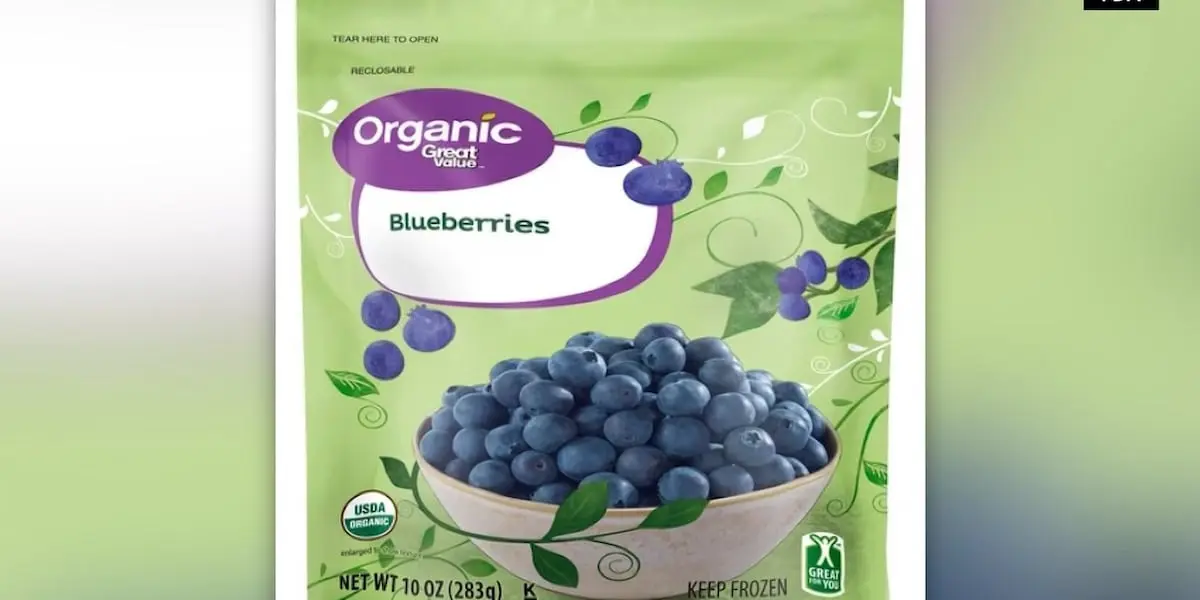
In response to widening epidemiological evidence and additional positive sampling results, Frutas y Hortalizas del Sur S.A., in close coordination with the FDA, officially announced a sweeping expansion of its recall. This expansion integrated additional production lots of Great Value organic blueberries, Great Value Triple Berry Blend, and Trader Joe’s organic Mixed Berry Blend.
The expanded distribution map ultimately encompassed dozens of states across the American South, Midwest, Northeast, and Mid-Atlantic, alongside Puerto Rico and the District of Columbia. Federal regulators published detailed product identifiers—including UPC codes, lot numbers, and "best by" dates—to help consumers and retailers quickly identify the risky merchandise sitting in commercial and residential freezers.
Product Identification Metrics and Affected Geographies
To ensure maximum safety compliance, consumers must carefully inspect the packaging of any frozen berries in their possession. Below is the comprehensive breakdown of the recalled items, including brand names, package sizes, specific identifying codes, and geographic distribution regions.
1. Great Value Brand: Frozen Organic Blueberries
- Product Description: Great Value Organic Blueberries (10-ounce bags)
- UPC Code: 7874211213
- Affected Lot Codes:
6 019 016 040 016 163 01
- Best If Used By Dates:
- January 19, 2028
- February 9, 2028
- June 12, 2028
- Retailer: Walmart
- Distribution Footprint (30 States + Territories): Alabama, Arkansas, Connecticut, Florida, Georgia, Illinois, Indiana, Iowa, Kansas, Kentucky, Louisiana, Michigan, Minnesota, Mississippi, Missouri, Nebraska, New Jersey, New York, North Carolina, North Dakota, Ohio, Oklahoma, Pennsylvania, South Carolina, South Dakota, Tennessee, Texas, Virginia, West Virginia, Wisconsin, and Puerto Rico.
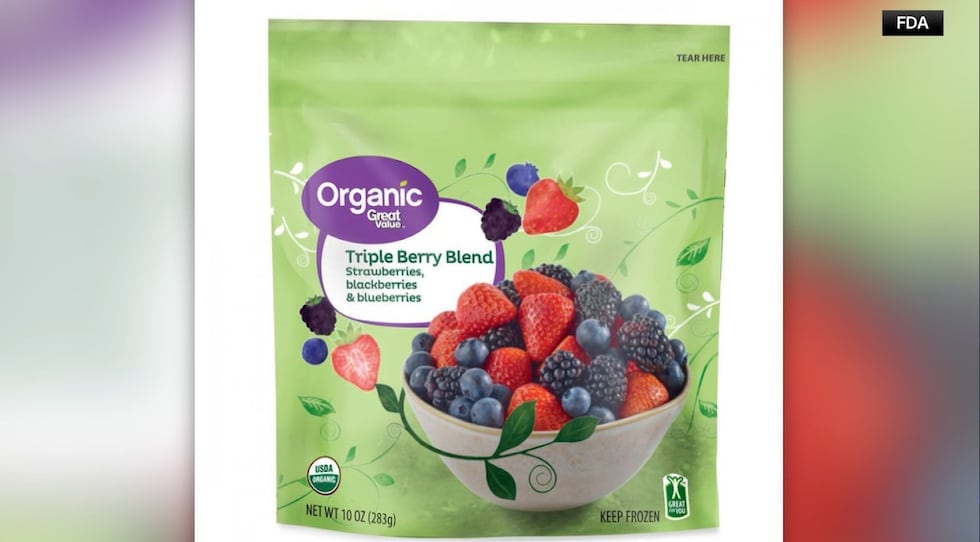
2. Great Value Brand: Frozen Organic Triple Berry Blend
- Product Description: Great Value Organic Triple Berry Blend (10-ounce bags, containing a mix of strawberries, blackberries, and blueberries)
- UPC Code: 7874211226
- Affected Lot Codes:
6 031 016 041 01
- Best If Used By Dates:
- January 31, 2028
- February 10, 2028
- Retailer: Walmart
- Distribution Footprint: Distributed across the same 30-state footprint and Puerto Rico as the Great Value blueberries.
3. Trader Joe’s Brand: Frozen Organic Mixed Berry Blend
- Product Description: Trader Joe’s Organic Mixed Berry Blend (12-ounce packages, containing a mix of strawberries, blackberries, blueberries, and raspberries)
- UPC Code:
00977654 - Affected Lot Code:
6 051 01 - Best Before Date: February 20, 2028
- Retailer: Trader Joe’s
- Distribution Footprint (26 States + D.C.): Alabama, Arkansas, Colorado, Delaware, Florida, Georgia, Illinois, Indiana, Iowa, Kansas, Kentucky, Louisiana, Maryland, Michigan, Minnesota, Missouri, Nebraska, North Carolina, Ohio, Oklahoma, Pennsylvania, South Carolina, Tennessee, Texas, Virginia, Wisconsin, and the District of Columbia.
Supporting Context, Metrics, and Public Health Impact
Foodborne illness outbreaks linked to fresh or frozen produce present distinct challenges for public health authorities. Unlike raw meat or poultry, which typically undergo thermal processing before consumption, frozen fruits are frequently consumed raw—tapped directly from the bag into morning smoothies, oatmeal, or yogurt bowls. Because freezing preserves bacteria rather than killing them, any microbial contamination present during harvesting, washing, or packaging can survive indefinitely at sub-zero temperatures.
Outbreak Metrics at a Glance
- Total Confirmed Infections: 17 individuals across multiple states.
- Date Range of Illnesses: May 2026 through August 2026.
- Hospitalizations: 6 patients required inpatient hospital care due to severe complications.
- Pathogen Strain: Escherichia coli O145:H28 (a Shiga toxin-producing strain).
- Primary Implicated Vector: Imported frozen organic blueberries processed by Frutas y Hortalizas del Sur S.A.
Understanding E. coli O145:H28
While most strains of E. coli are harmless and live healthily in the intestines of humans and animals, pathogenic strains like O145:H28 produce powerful toxins known as Shiga toxins (similar to E. coli O157:H7). These toxins can damage the lining of the small intestine and enter the bloodstream, triggering severe systemic reactions.
Clinical Symptoms and Progression
Symptoms of a Shiga toxin-producing E. coli infection typically appear within three to four days of consuming contaminated food, though the incubation period can range from one to ten days. Early warning signs include:
- Severe abdominal cramps and tenderness
- Watery or bloody diarrhea
- Nausea and vomiting
- Low-grade fever (though not present in every case)
While the majority of healthy adults recover fully within five to seven days without specific medical intervention, certain populations face a drastically heightened risk of life-threatening complications.
High-Risk Groups and Hemolytic Uremic Syndrome (HUS)
Young children, elderly adults, and individuals with compromised immune systems are particularly susceptible to a severe kidney complication known as Hemolytic Uremic Syndrome (HUS). HUS develops in a small percentage of E. coli infections and is characterized by the destruction of red blood cells, low platelet counts, and acute kidney failure.
Medical experts emphasize that anyone exhibiting signs of HUS—such as decreased urination, severe lethargy, or the sudden loss of pink color in cheeks and inside the lower eyelids—must seek emergency medical care immediately. Antibiotics are generally not recommended for treating this specific type of E. coli infection, as studies indicate that antimicrobial therapy can increase the release of Shiga toxins and elevate the risk of developing HUS.
Official Statements, Corporate Response, and Consumer Guidance
Regulatory agencies and corporate entities involved in the recall have mobilized communication channels to address public concerns and streamline the remediation process.
Regulatory Oversight and Agency Guidance
The FDA continues to spearhead the ongoing investigation alongside state agriculture departments and the CDC. Investigators are examining agricultural water sources, sanitation protocols at processing facilities in Chile, and supply chain handoff points to determine the precise root cause of the contamination.
In its official safety alerts, the FDA has reiterated that consumers must not consume the recalled berry blends. "If you purchased any of the recalled Great Value or Trader Joe’s frozen organic berry products, check your freezers immediately," the agency stated. "Do not eat them. Throw them away in a secure trash receptacle or return them to the place of purchase for a full refund."
Importer and Supplier Contact Information
Frutas y Hortalizas del Sur S.A., operating through its designated customer service and food safety liaisons, has established direct communication channels for consumers, retailers, and distributors seeking clarification or processing refunds.
- Email Support: [email protected]
- Telephone Helpline: 336-899-5612 (Available Monday through Friday, from 8:00 a.m. to 6:00 p.m. Eastern Time).
Retail partners, including Walmart and Trader Joe’s, have confirmed that point-of-sale registers have been updated to block the sale of the affected inventory, and store managers have been instructed to pull remaining stock from display freezers.
Future Outlook: Strengthening Import Safety and Supply Chain Transparency
This multi-state outbreak underscores enduring vulnerabilities within the global agricultural supply chain. As consumer demand for organic and year-round fresh produce continues to surge, North American retailers increasingly rely on international suppliers in South America, Mexico, and beyond. While imported goods undergo routine agricultural inspections, microbial pathogens like E. coli can prove exceptionally difficult to detect without rigorous, lot-specific microbiological testing.
Policy Implications and Industry Reforms
In the wake of this incident, food safety advocates and congressional committees are expected to renew discussions regarding stricter oversight of imported fresh and frozen fruits. Key areas of focus for future regulatory frameworks include:
- Enhanced Water Quality Audits: Mandating more frequent microbial testing of agricultural irrigation water used on foreign farms.
- Traceability Technology: Accelerating the adoption of blockchain and digital ledger systems across the supply chain to track produce from specific fields to retail shelves in real time.
- Co-Packer Accountability: Increasing transparency regarding secondary processing facilities and co-packers that blend fruits sourced from multiple international growers.
Consumer Vigilance Moving Forward
For everyday shoppers, the incident serves as a sobering reminder of the importance of food safety hygiene. Public health officials recommend practicing safe kitchen habits, such as thoroughly cleaning and sanitizing freezer shelves, bins, and countertops where recalled packages may have been stored. Furthermore, consumers should remain vigilant by signing up for real-time FDA recall notifications and checking grocery store apps for updated safety alerts.
As the FDA and CDC continue their epidemiological investigation, any updates regarding additional illnesses or further product expansions will be published immediately through federal safety portals. For now, consumers are advised to exercise caution, inspect their kitchen freezers, and discard any food items matching the recalled lot codes.

0 Comments