

Executive Overview
In an ongoing food safety enforcement action, the U.S. Food and Drug Administration (FDA) has officially upgraded the classification of a prominent nationwide product recall involving popular organic jasmine rice. The safety advisory, which originally went into effect in April, now carries a Class II designation, drawing renewed attention from federal regulators, retail distributors, and consumer safety advocates alike.
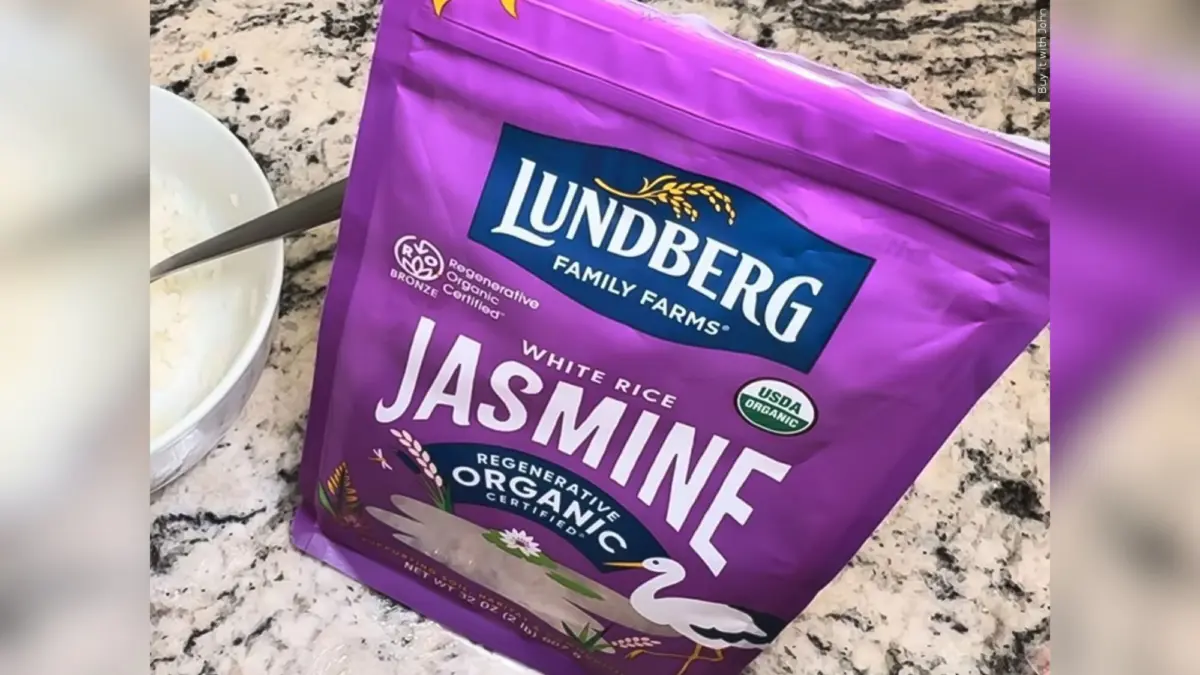
The affected merchandise centers exclusively on 2-pound packages of Lundberg Organic Jasmine White Rice, manufactured and distributed by the well-known California-based enterprise, Lundberg Family Farms. According to regulatory filings and public health notices, the voluntary recall was initiated due to the potential presence of "foreign material" within the product packaging. While federal agencies and the manufacturing entity have not yet publicly identified the precise nature, composition, or origin of the foreign material discovered in the food supply, the gravity of the recall has expanded as regulatory scrutiny intensifies.
The scope of this distribution mishap is substantial, touching more than 27,000 individual packages of rice that made their way onto the shelves of major national supermarket chains and specialty grocers. Affected products were distributed to consumers across 13 states, spanning the East Coast, the Midwest, the South, and the West Coast. Major retail giants—including Walmart, Target, Whole Foods Market, Wegmans, and Giant Food—are implicated in the distribution chain, prompting immediate consumer alerts, inventory audits, and point-of-sale warning systems.
Under the FDA’s regulatory framework, a Class II recall is deployed when the consumption of, or exposure to, a violative product may cause temporary or medically reversible adverse health consequences, or where the probability of serious adverse health outcomes is remote. Although no widespread injuries or illnesses have been officially linked to the consumption of this specific batch of organic rice as of this reporting, federal health authorities are urging consumers to immediately inspect their pantries, verify product identifiers, and refrain from consuming the impacted merchandise.
Detailed Chronology: From Initial Detection to Regulatory Upgrade
To understand the trajectory of the Lundberg Organic Jasmine White Rice recall, it is necessary to examine the timeline of events that carried the issue from a routine manufacturing quality-control check to an elevated federal safety classification.
Phase 1: Manufacturing Discovery and Voluntary Withdrawal (April)
The underlying issue came to light during routine internal quality assurance assessments conducted by Lundberg Family Farms. During manufacturing and packaging operations, discrepancies were identified indicating that specific batches of the 2-pound bags of organic jasmine white rice may have been compromised by extraneous matter.
Rather than allowing potentially compromised goods to circulate completely unchecked, the company initiated a voluntary recall in coordination with the FDA in April. At the time, the recall was treated as a standard commercial withdrawal, designed to isolate the affected lots and remove them from circulation before they could pose a widespread risk to the consuming public. However, because of the broad geographic distribution and the potential physical hazards associated with consuming unverified foreign objects in food products, federal regulators maintained a close watch on the recovery process.
Phase 2: Distribution Mapping and Retail Penetration
In the weeks following the initial April announcement, supply chain analysts and federal inspectors worked to map out the exact commercial footprint of the compromised lots. It was determined that the affected merchandise had bypassed regional containment and entered major retail distribution hubs.
Because Lundberg Family Farms products are heavily integrated into the inventory of large-scale box retailers and organic specialty chains, the physical units were rapidly dispersed across multiple states. Consumers in suburban and metropolitan centers alike purchased the items during routine grocery trips, unaware that the packaging in their shopping carts was tied to an active safety notice.
Phase 3: The Class II Designation Upgrade
The most recent development in the safety narrative occurred when the FDA formally updated the enforcement report, reclassifying the Lundberg recall as a Class II risk.
This administrative shift is significant. While a recall can remain voluntary on the part of the manufacturer, an upgraded classification signals to the public and industry stakeholders that the federal government views the potential health risks with heightened concern. The Class II designation officially places the incident into a category where exposure to the product could lead to temporary, adverse health events—such as dental damage, oral lacerations, or gastrointestinal irritation caused by swallowing hard or sharp foreign objects—thereby justifying aggressive public notification campaigns and active retail tracking.
Supporting Context & Metrics: Scope, Reach, and Product Identifiers
The logistical footprint of this recall is extensive, reflecting the nationwide reach of modern food distribution networks. A breakdown of the metrics, geographic reach, and specific product identifiers provides clarity for consumers seeking to determine whether they possess the impacted rice.
Exact Product Identifiers and Verification Codes
Consumers should carefully examine any packages of Lundberg Organic Jasmine White Rice currently in their possession. Only specific lots featuring exact universal product codes (UPC) and manufacturing stamps are subject to this recall. Unaffected lots of Lundberg rice remain safe for consumption.
- Brand Name: Lundberg Family Farms
- Product Description: Lundberg Organic Jasmine White Rice
- Package Size: 2-pound (32 oz) bags
- Universal Product Code (UPC):
073416-040281 - Affected Lot Code 1:
260201(Associated Best-By Date: Feb. 1, 2027) - Affected Lot Code 2:
260202(Associated Best-By Date: Feb. 2, 2027)
If a package matches the UPC and features either of the two specified lot codes and best-by dates, it should not be opened or consumed.
Geographic Reach: The 13 Impacted States
The distribution analysis conducted by the FDA and the manufacturer reveals that the 27,000-plus recalled packages were shipped to retail locations across 13 states. The affected jurisdictions include:
- California
- Connecticut
- Florida
- Illinois
- Louisiana
- New Hampshire
- New York
- North Carolina
- Pennsylvania
- Tennessee
- Virginia
- Washington
- Wisconsin
Shoppers residing in these states—particularly those who frequent nationwide chains operating within these regional footprints—face the highest probability of having encountered the recalled inventory.
Retail Partners and Point-of-Sale Impact
The recall encompasses products sold through some of the largest grocery and retail conglomerates in the United States. Affected inventory passed through the supply chains of:
- Walmart
- Target
- Whole Foods Market
- Wegmans
- Giant Food
Corporate compliance teams at these retail entities have been instructed to pull remaining inventory from store shelves, cross-reference point-of-sale data where applicable, and implement internal safeguards to prevent any further sales transactions involving the impacted lot numbers.
Official Statements and Regulatory Framework
The handling of food recalls in the United States relies on a structured partnership between private enterprise and federal oversight bodies. The Food and Drug Administration maintains strict definitions regarding how safety incidents are categorized and communicated.
Understanding the FDA Class II Classification
To fully grasp the implication of the recent regulatory upgrade, it is necessary to review the FDA’s statutory definitions for recall tiers:
- Class I Recall: A situation in which there is a reasonable probability that the use of, or exposure to, a violative product will cause serious adverse health consequences or death.
- Class II Recall: A situation in which use of, or exposure to, a violative product may cause temporary or medically reversible adverse health consequences, or where the probability of serious adverse health consequences is remote.
- Class III Recall: A situation in which use of, or exposure to, a violative product is not likely to cause adverse health consequences.
By assigning a Class II status to the Lundberg rice recall, the FDA indicates that while the risk of catastrophic or life-threatening illness is minimal, the physical presence of unspecified foreign material introduces tangible hazards. In cases involving foreign material contamination—such as fragments of metal, glass, plastic, or stone originating from processing machinery—consumers face potential physical trauma, including cracked teeth, lacerations of the mouth or throat, or internal blockages and punctures along the digestive tract.
Corporate Responsibility and Consumer Guidance
Lundberg Family Farms, a multi-generational family-owned enterprise renowned for its commitment to organic farming and sustainable agriculture, has cooperated fully with federal safety auditors. While the company has maintained transparent communication channels, the absence of a detailed description regarding the exact nature of the "foreign material" has drawn questions from consumer advocates.
In standard safety protocols, manufacturing entities often work to trace contamination back to specific mechanical failures—such as a broken sifter screen, a degraded conveyor belt seal, or contaminated raw agricultural inputs. Although neither the FDA nor Lundberg has released a root-cause forensic analysis to the general public, the focus remains squarely on product retrieval and consumer remediation.
Recommended Consumer Actions:
- Check the Pantry: Immediately locate all packages of Lundberg Organic Jasmine White Rice.
- Inspect Barcodes and Lot Numbers: Verify the UPC (
073416-040281) and check for lot codes260201(Best-By Feb. 1, 2027) or260202(Best-By Feb. 2, 2027). - Do Not Consume: If the product matches the recall criteria, do not cook or eat the rice.
- Return for Refund: Consumers are advised to return the impacted product to the original place of purchase for a full refund. Alternatively, customers can contact Lundberg Family Farms customer service for guidance on safe disposal and reimbursement procedures.
Future Outlook: Industry Implications and Supply Chain Vigilance
As the food manufacturing sector continues to navigate post-pandemic supply chain complexities, labor shortages, and evolving regulatory pressures, incidents like the Lundberg jasmine rice recall serve as critical stress tests for quality assurance protocols.
Heightened Scrutiny on Agricultural Processing
Rice, as an agricultural commodity harvested from open fields, undergoes extensive milling, cleaning, sorting, and packaging processes before reaching consumer markets. Modern processing plants utilize high-speed optical sorters, industrial magnets, and mechanical sifters designed to filter out stones, dirt, and stray industrial fragments.
The fact that foreign material bypassed these multi-layered screening mechanisms in this instance highlights the vulnerability of complex food processing lines. Industry analysts anticipate that regulatory bodies will apply heightened scrutiny to similar grain and cereal processing facilities, pushing operators to invest in advanced optical detection technology and rigorous hazard analysis critical control point (HACCP) audits.
Restoring Consumer Confidence
For Lundberg Family Farms—a brand that has spent decades cultivating a reputation for organic integrity, environmental stewardship, and premium product quality—managing this recall effectively is paramount. Maintaining open lines of communication with regulatory agencies, reimbursing affected retail customers promptly, and providing total transparency regarding the root cause of the contamination will be essential steps in preserving brand equity and consumer trust.
As public health officials continue to monitor the retrieval of the remaining 27,000 packages across the 13 affected states, consumers are encouraged to stay informed by checking official FDA enforcement reports and retail safety notices. For now, vigilance in the kitchen remains the final line of defense against the unexpected hazards of modern mass-produced food supply chains.

0 Comments