

Executive Overview
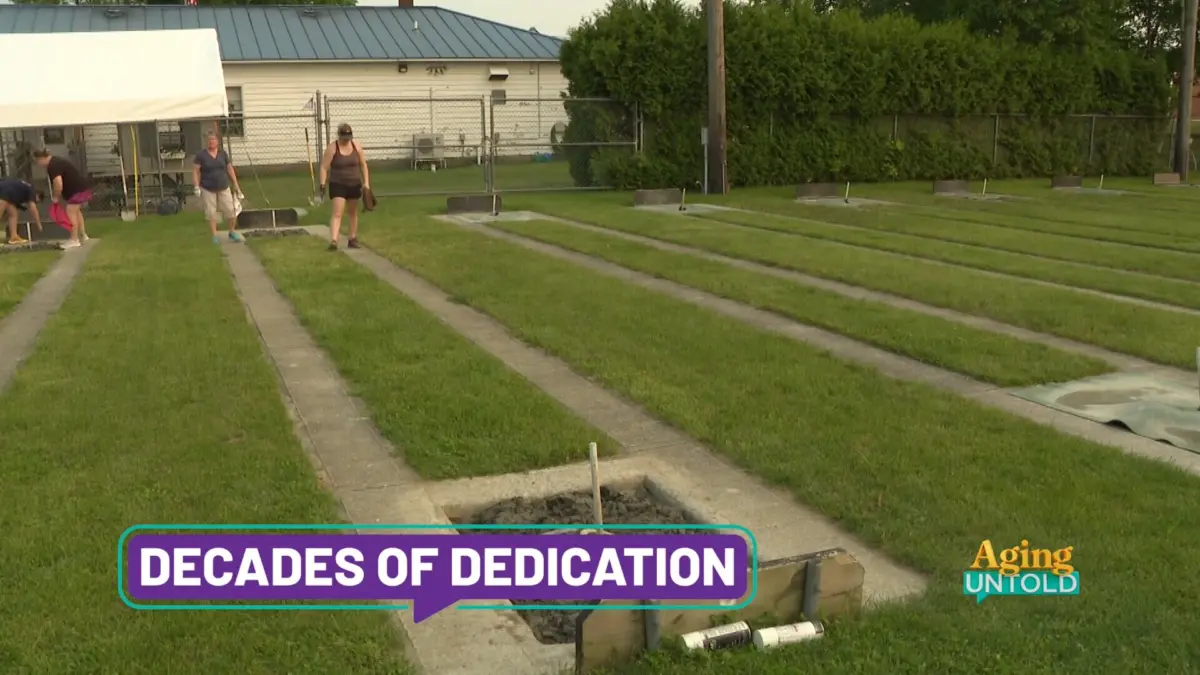
Nestled in the scenic foothills of the Green Mountains, the small town of Bristol, Vermont, serves as an unlikely crucible for athletic greatness. For nearly six decades, the rhythmic, metallic clink of forged iron hitting hardwood stakes has echoed through the warm summer evenings, signaling the gathering of the Sodbusters Horseshoe Club. While casual observers might view pitching horseshoes as a leisurely backyard pastime meant for family reunions and lazy Sunday afternoons, the Sodbusters operate at an elite, world-class echelon of competitive sport.
This historic Vermont summer league has quietly cultivated some of the most decorated, formidable horseshoe pitchers in the history of the discipline. Among its ranks are multi-time state champions, regional titleholders, and even world champions whose precision and competitive fire rival those found in any mainstream professional arena. At the heart of this legacy is Debra Brown, a living legend of the sport whose astonishing resume includes 24 Vermont state championships, nine New England titles, and a world championship. Alongside her family members and club peers, Brown represents a dying breed of dedicated traditionalists who have mastered the art of the ringer.
Yet, beneath the rustic charm and the satisfying thud of iron sinking into Virginia clay, a quiet sense of urgency pervades the Bristol pits. Like many traditional outdoor sports rooted in mid-century American community life, competitive horseshoe pitching faces a demographic reckoning. Aging participation rates, shifting youth interests, and the relentless pull of digital distractions threaten to sever the generational chain of transmission that has kept the sport alive for generations.
This in-depth feature explores the rich heritage of the Sodbusters Horseshoe Club, examining the extraordinary athletic achievements of its members, the deep familial bonds that sustain the local community, and the concerted efforts being made to pass the torch to a new generation before the art of the ringer fades into history.
Detailed Chronology: Six Decades of Clink and Clay in Bristol
The history of the Sodbusters Horseshoe Club is intrinsically tied to the post-war expansion of community recreation in rural New England. Founded nearly 60 years ago, the club began as a modest gathering of local tradesmen, farmers, and factory workers who sought camaraderie and friendly competition as the sun set over the Vermont hills. In an era before organized youth sports leagues dominated every weekend, horseshoe pits served as the communal town square—a place where neighbors could gather, trade local news, and test their hand-eye coordination in an egalitarian arena.
The Foundation Era (1960s–1970s)
During its formative decades, the Bristol league operated without fanfare. Pitchers brought their own hand-weighted shoes—often forged from discarded automotive parts or commercial sets purchased at local hardware stores—and played under flickering incandescent lights strung from nearby trees or utility poles. The rules were simple, but the mastery required to consistently throw a "ringer" (a horseshoe that encircles the stake, scoring three points) demanded hours of meticulous practice and muscle memory.
As the decades progressed, the club formalized its structure, establishing standard clay pits, wooden backboards, and regulation stakes. By the late 1970s, the Bristol league had earned a reputation throughout Addison County as a competitive hotbed. It was during this foundational era that the culture of the club shifted from casual recreation to a disciplined sport characterized by respectful sportsmanship, rigorous record-keeping, and high-stakes tournament play.
The Arrival of the Brown Dynasty (1980s)
The modern era of the Sodbusters was inaugurated in 1980, a watershed year when a local resident named Mike Brown introduced his wife, Debra, to the sport. What began as a casual introduction in a backyard quickly catalyzed an unprecedented athletic career. Debra Brown possessed an innate spatial awareness, laser-like focus, and a relentless work ethic that transformed her from a novice backyard player into a formidable regional competitor.
As Debra climbed the ranks of the Vermont Horseshoe Pitchers Association (VHPA) and the National Horseshoe Pitchers Association (NHPA), she brought national recognition to the small Bristol club. Her ascent coincided with the club’s golden age of participation during the 1980s and 1990s, when summer league nights drew dozens of active members, creating a vibrant, spectator-friendly atmosphere that stretched deep into the twilight hours.
The Passing of the Torch (2000s–Present)
Entering the 21st century, the Sodbusters faced the same societal headwinds confronting clubs across the country: rural outmigration, changing work schedules, and an aging demographic. However, the club’s resilience has been sustained by familial legacy. Debra and Mike Brown, alongside their extended family—most notably their niece, Brianna McCormack—effectively transformed the club into a multi-generational academy of excellence.
Today, the Sodbusters operate as both a competitive league and a living museum of local sports history. Matches are still played weekly throughout the summer months, drawing veterans who have pitched for 40 years alongside teenagers learning the delicate arc of a high-pitch delivery. The chronology of the club is not written in grand stadiums or championship trophies displayed in glass cases, but in the worn-down wooden boxes, the meticulously raked clay pits, and the enduring muscle memory passed down from aunt to niece, husband to wife, and veteran to rookie.
Supporting Context & Metrics: The Anatomy of a Ringer
To truly appreciate the accomplishments of the Sodbusters, one must understand the exacting physics and demanding psychological fortitude required of competitive horseshoe pitchers. Far from a casual tossing game, regulation horseshoe pitching is a precision sport regulated by strict national standards.
The Physics and Regulations of the Sport
According to the National Horseshoe Pitchers Association, a regulation court consists of two pitching boxes set 40 feet apart for men (and 30 feet for women, juniors, and elders), with a steel stake protruding 14 to 15 inches above a specialized clay or synthetic bed. The shoes themselves must not exceed 7.40 inches in length, 7.00 inches in width, and 2 pounds, 10 ounces in weight.
Pitchers utilize one of two primary delivery techniques:
- The Flip: The pitcher imparts a vertical end-over-end rotation to the shoe, requiring immense control over the release point to ensure the open end of the horseshoe faces the stake upon arrival.
- The Turn: The pitcher applies a lateral spin (typically 1¼, 1¾, or 2¼ turns) so that the horseshoe rotates horizontally through the air, gripping the stake cleanly upon impact.
At the elite level, consistency is measured in ringer percentage—the proportion of shoes thrown that successfully encircle the stake. Recreational players might hover around a 10% to 20% ringer rate, while state-level competitors routinely land 40% to 60%. World-class champions, such as Debra Brown and Brianna McCormack, operate at astonishing efficiencies, frequently tossing ringer percentages exceeding 70% to 80% under tournament pressure.
Statistical Overview of the Sodbusters Elite
| Athlete | Role / Affiliation | Major Career Accolades |
|---|---|---|
| Debra Brown | Sodbuster Veteran / World Champion | 24x Vermont State Champion, 9x New England Champion, 1x World Champion |
| Brianna McCormack | Sodbuster Junior Alum / Niece | 14x Vermont Girls State Champion, Junior World Champion |
| Mike Brown | Sodbuster Member / Co-founder of family legacy | Longtime club competitor and supportive spouse |
| Blair Selleck | Sodbuster Junior Team Member | Emerging talent bridging the generational divide |
The metrics underscore a stark contrast: while the top-tier talent emerging from the Bristol pits is world-class, the overall volume of active participants has experienced a secular decline over the past three decades. Industry-wide data from the NHPA indicates that membership rolls across the United States peaked during the mid-20th century, and have since contracted as older generations age out of active competition without a corresponding influx of young recruits.
Official Statements & Personal Perspectives
The human element of the Sodbusters Horseshoe Club remains its most compelling feature. Conversations with club members reveal a deep emotional investment in the sport, characterized by humility, humor, and a shared anxiety over the future of the pastime.
Debra Brown: Humility at the Summit
Despite holding a resume that places her among the elite athletes in the history of the sport, Debra Brown remains remarkably grounded. Her achievements—spanning a quarter-century of state dominance, regional titles, and a world championship crown—are worn with quiet grace rather than ego.
"I’m not a celebrity. I just love the game," Brown reflects when asked about her legendary status in Vermont athletic circles.
Yet, her humility does not blind her to the existential challenges facing the sport. Looking across the clay pits at a nearly empty children’s section on a typical Tuesday night, Brown articulates the core anxiety shared by traditionalists everywhere:
"If we don’t have kids and the future of it, we don’t have a sport."
Mike Brown: Supportive Camaraderie
For Mike Brown, who first introduced his wife to the sport in 1980, horseshoes has been a lifelong vehicle for partnership and shared leisure. He speaks with immense pride about Debra’s unmatched dedication and skill, acknowledging the healthy competitive dynamic within their household.
"She’s more serious than I am," Mike notes with a chuckle, observing that his wife’s laser focus is what separates a casual enthusiast from a world champion. Despite his own decades in the club, he expresses genuine pride in watching Debra surpass his abilities and cement her legacy in the sport’s history books.
Brianna McCormack: A Family Tradition Born in the Backyard
The intergenerational bridge of the Sodbusters is vividly embodied by Brianna McCormack, Debra and Mike’s niece. McCormack’s introduction to horseshoes was organic, beginning in the most classic American fashion: tossing iron in her aunt and uncle’s backyard.
That informal backyard introduction blossomed into a legendary junior career. McCormack went on to capture the Vermont girls state title an astounding 14 times and claim the Junior World Championship crown. For McCormack, the sport is inextricably linked to family identity, mentorship, and the quiet contentment found in a well-pitched shoe.
The Pursuit of Enjoyment and Relaxation
Beyond the championship banners and record books, the rank-and-file members of the Sodbusters emphasize the psychological and social benefits of the club. When asked what draws them to the pits week after week as the sun dips below the horizon, players consistently point to intangibles: the deep enjoyment of physical mastery, the profound mental relaxation of focusing on a single task, and the enduring camaraderie of community life. In an increasingly isolated digital age, the Bristol horseshoe pits offer an analog sanctuary of human connection.
Future Outlook: Preserving a Heritage for the Next Generation
As the Sodbusters Horseshoe Club looks toward its seventh decade of operation in Bristol, Vermont, the path forward requires a deliberate, proactive effort to engage younger demographics. The preservation of the sport relies heavily on initiatives that bridge the gap between historic veterans and digital-native youth.
Mentorship and the Junior Program
Central to this preservation strategy is the club’s junior program, exemplified by young competitors like Blair Selleck. During club matches, seasoned veterans like Debra Brown frequently pair up with or compete against junior members, intentionally building handicaps into the games to ensure competitive balance while providing high-level mentorship.
This hands-on coaching model does more than teach the mechanics of the "turn" or the "flip"; it imparts the unwritten codes of sportsmanship, patience, and emotional regulation that define traditional athletics. By integrating youth directly into adult league nights rather than segregating them into isolated divisions, the Sodbusters foster a sense of belonging and community investment among younger players.
Modernization and Community Outreach
To combat the decline in participation, clubs across New England are increasingly leveraging digital media, local school partnerships, and community festivals to raise awareness. While traditionalists cherish the rustic simplicity of the clay pits, club organizers recognize that modern outreach is essential. Promoting local tournaments online, establishing school exhibition days, and modernizing club facilities are critical steps in ensuring that the next generation recognizes horseshoe pitching not as an obsolete relic, but as an accessible, highly competitive, and deeply rewarding sport.
Conclusion: The Indelible Clink of Iron
The story of the Sodbusters Horseshoe Club is ultimately a microcosm of rural American community resilience. It is a testament to the fact that greatness can sprout in unexpected places—that a quiet Vermont town can produce world champions who quietly go about their lives while mastering a demanding discipline of iron and clay.
As long as the sun sets over the Bristol hills, and as long as veterans like Debra Brown and rising juniors like Blair Selleck step up to the 40-foot line, the traditional clink of a ringer will continue to ring out. Whether the sport can successfully reinvent itself for a new century remains an open question, but the dedication of the Sodbusters ensures that, for now, the legacy of American horseshoe pitching remains in very capable hands.

0 Comments