

Executive Overview
The modern real estate landscape in Florida is defined by dynamic market shifts, rapid population growth, and the crucial role played by localized real estate professionals. At the forefront of this market in the greater Tampa Bay area is Jay Quigley, an established real estate practitioner associated with Florida Executive Realty. Operating out of the dynamic Hillsborough County market—specifically rooted in the suburban and commercial hubs tied to Amberly Drive and the broader Suncoast region—Quigley represents the modern standard of residential brokerage and client representation.
This comprehensive report examines the professional profile of Jay Quigley, analyzes the organizational framework of Florida Executive Realty, and contextualizes their operations within the broader macroeconomic trends shaping the Central Florida and Tampa Bay housing markets. By exploring the intersection of individual realtor expertise, regional board associations (such as the Suncoast Tampa Association of Realtors), and shifting inventory dynamics, this article provides an authoritative look at what drives success in one of the nation’s most competitive real estate environments.
Detailed Chronology: The Evolution of Tampa Bay Real Estate and Brokerage Operations
To understand the current professional standing of agents like Jay Quigley, it is necessary to examine the chronological evolution of the Tampa Bay real estate market over the past two decades. The region has transitioned from a sleepy Gulf Coast retirement haven into one of the most economically vibrant and populous metropolitan areas in the United States.
Phase One: Foundation and Pre-Boom Growth (Early 2000s – 2008)
During the early 2000s, the Tampa Bay housing market experienced a speculative surge characterized by rapid suburban expansion. North Tampa, New Tampa, and surrounding areas saw massive infrastructure development. Brokerages like Florida Executive Realty established themselves during this period by focusing on hyper-local expertise, guiding buyers through burgeoning master-planned communities, and building foundational client relationships that would sustain them through upcoming economic cycles.
Phase Two: Resilience, Recovery, and the Shift to Professionalization (2009 – 2019)
The subprime mortgage crisis of 2008–2009 drastically reshaped the Florida real estate industry. Agents who survived and thrived were those who adapted quickly to short sales, foreclosures, and a fundamentally more cautious consumer base. During this recovery decade, the Suncoast Tampa Association of Realtors and other regional boards placed renewed emphasis on continuing education, ethical compliance, and advanced technological integration. Professionals operating in markets like Sexton Court and Amberly Drive refined their advisory capabilities, moving away from purely transactional sales toward long-term wealth management and asset preservation consultation.
Phase Three: The Pandemic Migration Boom and Modern Era (2020 – Present)
The COVID-19 pandemic triggered an unprecedented migration wave into Florida. Driven by lifestyle changes, remote work flexibility, and a favorable tax climate, hundreds of thousands of new residents relocated to the Tampa Bay area. This influx placed immense pressure on local housing inventory, causing historic price appreciation and hyper-competitive bidding environments.
In this modern era, agents such as Jay Quigley have had to navigate unprecedented market volatility—pivoting rapidly from a hyper-accelerated seller’s market characterized by low inventory to a more complex, high-interest-rate environment where strategic pricing, aggressive digital marketing, and deep market knowledge are paramount.
Supporting Context & Metrics: The Tampa Bay Market Ecosystem
To fully appreciate the operational environment of Florida Executive Realty and its agents, one must analyze the quantitative and qualitative metrics governing the regional housing sector.
Regional Real Estate Demographics and Inventory Dynamics
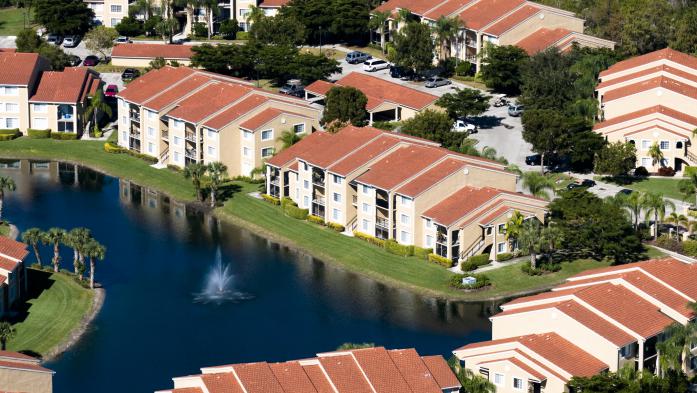
The Greater Tampa Bay area—encompassing Hillsborough, Pinellas, Pasco, and Hernando counties—remains one of the most resilient real estate ecosystems in the country. According to data aggregated by regional boards like the Suncoast Tampa Association of Realtors:
- Population Inflow: Hillsborough County continues to welcome thousands of new residents monthly, driven by corporate relocations, financial services expansions, and lifestyle migrants from the Northeast and Midwest.
- Inventory Constraints: Despite ongoing construction in suburban corridors, supply has routinely lagged behind demand, keeping upward pressure on median single-family home prices.
- Average Days on Market (DOM): While properties are no longer selling within hours as they did during the 2021–2022 frenzy, well-priced homes in desirable North Tampa and surrounding suburban enclaves continue to command swift attention from qualified buyers.
The Role of Florida Executive Realty
Founded on principles of independent brokerage excellence, Florida Executive Realty has carved out a distinct niche by prioritizing agent support, ongoing market education, and high ethical standards over corporate mass-market volume.
- Strategic Location: Operating from its hub on Amberly Drive in Tampa, the firm is strategically positioned to serve key suburban residential sectors, including New Tampa, Wesley Chapel, Lutz, and Carrollwood.
- Technological Infrastructure: Independent yet robustly networked, the brokerage equips its agents with advanced MLS integration, comprehensive marketing suites, and robust client relationship management (CRM) tools, enabling practitioners like Jay Quigley to manage complex transactions seamlessly.
Official Statements and Industry Perspective
Navigating a shifting real estate market requires clear communication, adherence to regulatory standards, and visionary leadership from both brokerages and industry boards.
Brokerage Philosophy and Client Advocacy
While independent brokerages in Florida often emphasize boutique service models, their overarching goal remains consistent: protecting consumer interests in an increasingly complex legal and financial environment. Representatives of Florida Executive Realty have consistently emphasized that modern real estate requires a hybrid approach—blending high-touch personal advisory services with data-driven market analytics.

"The modern homebuyer or seller is more informed than ever before, but they are also navigating an unprecedented amount of market noise," notes a regional brokerage observer. "Agents who succeed today—professionals embedded within local boards and trusted networks—act less like traditional salespeople and more like strategic consultants. They decipher the data, manage the risk, and ensure that transactions close smoothly regardless of macroeconomic headwinds."
The Importance of Board Affiliation
Affiliation with the Suncoast Tampa Association of Realtors and adherence to Realtor® Code of Ethics standards ensures that practitioners maintain accountability, professional development, and access to the most accurate, real-time multiple listing service (MLS) data available. This institutional backing is critical for maintaining consumer confidence in transactions ranging from suburban residential properties to complex commercial holdings.
Future Outlook: Navigating the Next Decade in Florida Real Estate
As the Tampa Bay real estate market looks toward the future, several defining trends will shape the trajectories of agents, brokerages, and consumers alike.
1. Technological Integration and Artificial Intelligence
The integration of Artificial Intelligence (AI) and advanced predictive analytics into real estate platforms is transforming how properties are marketed and valued. Agents who successfully harness these tools—optimizing digital listings, automating client follow-ups, and utilizing hyper-local predictive pricing models—will capture a competitive edge. Practitioners operating within established networks are increasingly adopting these technologies to enhance client experiences without sacrificing personal touch.

2. Interest Rate Stabilization and Housing Affordability
As monetary policy continues to evolve, the real estate market is adapting to a "new normal" regarding mortgage interest rates. The era of ultra-low, sub-3% mortgage rates has passed, prompting buyers and sellers to recalibrate their financial expectations.
- Seller Strategy: Sellers must increasingly rely on experienced agents to price properties realistically based on current purchasing power rather than historical peak valuations.
- Buyer Strategy: Buyers are utilizing creative financing options, adjustable-rate products, and strategic negotiations to enter the market. Local experts are essential in identifying emerging pockets of value where long-term appreciation remains strong.
3. Sustainability, Infrastructure, and Urban Growth
With Florida’s population projected to swell by millions over the coming decades, infrastructure development, zoning laws, and climate-resilient construction will take center stage. Real estate professionals operating in suburban-urban corridors like those surrounding Amberly Drive and Sexton Court will need to stay deeply informed regarding municipal planning, transportation expansions, and zoning updates to accurately advise clients on long-term property viability.
Conclusion
The professional profile of Jay Quigley at Florida Executive Realty, anchored by active participation in the Suncoast Tampa Association of Realtors, exemplifies the resilience, adaptability, and high standards required to thrive in modern Florida real estate. As the Tampa Bay region continues to navigate rapid growth, demographic shifts, and economic evolution, the value of seasoned, locally connected real estate professionals remains unmatched. By combining deep neighborhood familiarity with rigorous professional ethics and technological savvy, practitioners in this market ensure that the dream of homeownership and property investment remains secure for generations to come.

0 Comments