

Executive Overview
TALLAHASSEE, Fla. — Public health infrastructure in the Sunshine State faces a historic and potentially catastrophic crossroads. Even as confirmed cases of measles skyrocket to levels unseen in decades, the Florida Department of Health (DOH) is actively considering a sweeping overhaul of the state’s long-standing immunization policies. Under a controversial proposal currently moving through administrative channels, Florida could soon dismantle mandatory school-entry vaccination requirements for four critical pediatric immunizations: Hepatitis B, chickenpox (varicella), Haemophilus influenzae type b (Hib), and pneumococcal disease.
This policy shift coincides with an alarming epidemiological reality. State health figures indicate that Florida has already logged 148 confirmed measles cases—a staggering surge when contrasted with the mere 47 combined cases recorded across the entire state from 2016 through 2025. Medical professionals, pediatric associations, and academic epidemiologists are sounding emergency alarms, warning that the rollback of vaccine mandates and tracking measures could dismantle the "herd immunity" shielding vulnerable populations, ultimately inviting the return of preventable childhood scourges.
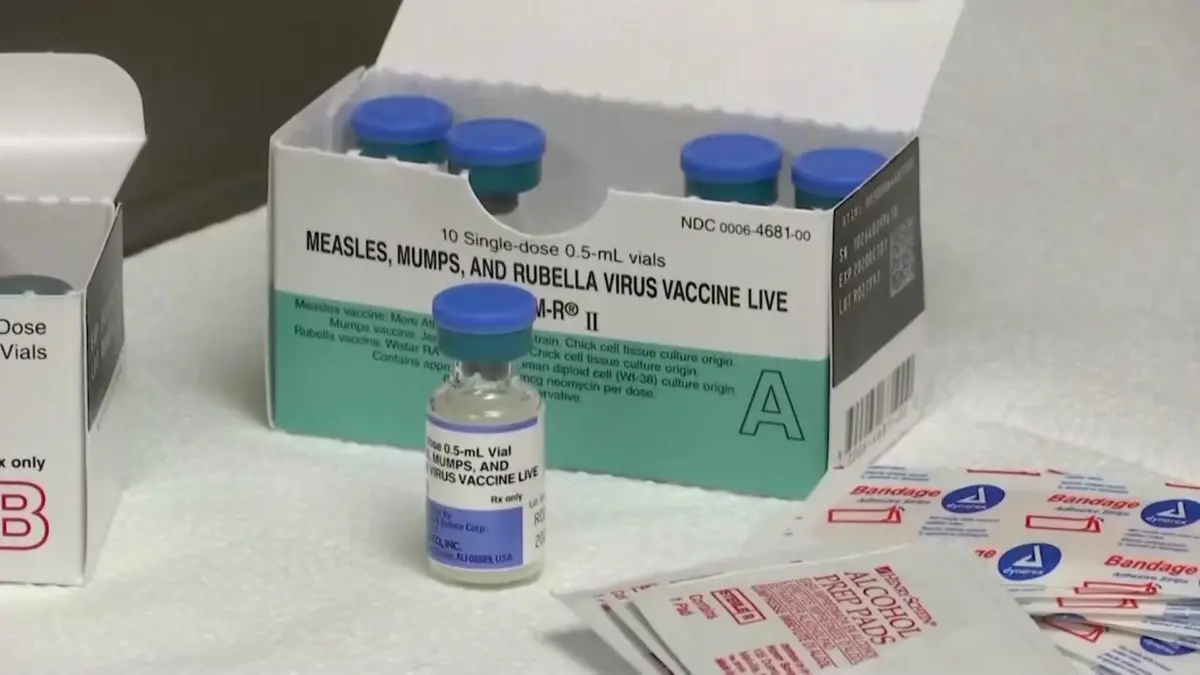
While the state recently dialed back an initial effort to broaden vaccine exemptions for moral and ethical beliefs following intense public and professional pushback—leaving medical and religious opt-outs as the sole avenues for non-immunization—the overarching proposal still introduces significant structural changes. These include formally empowering parents to opt out of Florida’s centralized shot-tracking database and taking steps to eliminate combined Measles, Mumps, and Rubella (MMR) inoculations in favor of single-dose alternatives.
As the Florida Department of Health prepares to host a high-stakes public hearing on October 8 in Lake Mary, medical experts and state officials are locked in a tense debate over individual parental autonomy versus collective public health safety. The outcome of this regulatory process could set a volatile precedent for public health policy nationwide, transforming Florida into what medical professionals grimly term a real-time epidemiological experiment.
Detailed Chronology: The Evolution of Florida’s Vaccine Policy Shift
To understand the gravity of the current regulatory debate, one must examine the timeline of administrative decisions and legislative postures that have characterized Florida’s public health landscape over recent years.
The Post-Pandemic Regulatory Environment
In the wake of the global COVID-19 pandemic, Florida emerged as a epicenter for skepticism regarding institutional public health mandates. State leadership championed individual choice, culminating in legislative and executive actions designed to curb state-enforced health requirements. Over the past several years, the rhetoric surrounding public health shifted noticeably within state agencies, prioritizing decentralized decision-making and heightened skepticism toward traditional federal health guidelines issued by the Centers for Disease Control and Prevention (CDC).
The Escalation of Measles and the DOH Proposal
The tension between traditional immunization protocols and contemporary state policy reached a boiling point in early 2026. As local health jurisdictions began reporting localized outbreaks of measles—a highly contagious viral illness once declared eliminated in the United States—the Florida Department of Health unveiled its regulatory framework to reconsider mandatory school-entry inoculations.
Initially, the DOH floated a proposal that would have drastically widened the net of non-medical exemptions, allowing parents to bypass school vaccine mandates based on broad moral and ethical philosophies. However, this aspect of the plan encountered fierce opposition from medical coalitions, hospital associations, and public health advocates. Recognizing the intense political and professional fallout, the state pulled back on the moral and ethical exemption expansion, restricting opt-out pathways strictly to recognized medical and religious exemptions.
Refining the Rule: Tracking Databases and Single-Dose Mandates
Despite retreating on the moral exemption front, the current iteration of the DOH proposal retains elements that represent a fundamental departure from standard public health practice. The rule introduces provisions allowing parents to formally opt their children out of Florida’s electronic immunization registry—a tracking database long utilized by pediatricians and public health officials to monitor community vaccination coverage levels and manage outbreak responses.
Furthermore, the state has initiated a push targeting the delivery method of the MMR vaccine. By moving to remove combined MMR shots and advocating instead for single-dose formulations, the state is introducing logistical hurdles that public health experts argue will lower compliance rates, increase the number of required clinical visits, and complicate school-entry verification processes.
The Road to Lake Mary
The administrative process now culminates in a formal public hearing scheduled for October 8 in Lake Mary, Florida. This hearing serves as the final major public forum before the DOH decides whether to formally adopt the rules into the Florida Administrative Code. Stakeholders from across the political, medical, and educational spectrum are mobilizing for what is expected to be a contentious session that will dictate the future of childhood immunization enforcement in the state.
Supporting Context & Metrics: An Epidemiological Emergency
The debate over vaccine mandates does not exist in a vacuum; it is unfolding against the backdrop of a sudden and dramatic resurgence of vaccine-preventable diseases, most notably measles.
The Measles Explosion
The statistical trajectory of measles in Florida over the past decade illustrates a stark structural shift in disease transmission. Historical data compiled by health agencies show that between 2016 and 2025, Florida recorded a combined total of just 47 measles cases. This low baseline reflected the robust protection afforded by high school-entry vaccination rates and effective herd immunity.
In sharp contrast, the state has recorded 148 confirmed measles cases. This exponential leap has overwhelmed local health departments and forced hospitals to implement strict isolation and screening protocols. Measles is one of the most contagious infectious diseases known to science; a single infected individual can transmit the virus to up to 90% of close contacts who lack immunity. The virus can linger in the air for up to two hours after an infected person leaves a room, making communal environments like schools, daycares, and public transit prime vectors for rapid outbreaks.
+-------------------------------------------------------------+
|               FLORIDA MEASLES CASE COMPARISON               |
+-------------------------------------------------------------+
| Period                | Total Confirmed Measles Cases       |
+-----------------------+-------------------------------------+
| 2016 – 2025 (10-Year) | 47 combined cases                   |
| Recent Surge (2026)   | 148 confirmed cases                 |
+-------------------------------------------------------------+
Targeted Vaccines Under the Microscope
The DOH proposal targets four foundational immunizations that have protected American children for decades:
- Hepatitis B: A viral infection that attacks the liver and can cause both acute and chronic disease, putting individuals at high risk for cirrhosis or liver cancer. Early childhood vaccination has drastically reduced infant and childhood infection rates nationwide.
- Varicella (Chickenpox): While often viewed as a mild childhood nuisance, chickenpox can lead to severe complications, including secondary bacterial skin infections, pneumonia, encephalitis, and scarring.
- Haemophilus influenzae type b (Hib): A bacterium that can cause severe infections, particularly in infants and children under five years old, including meningitis (infection of the covering of the brain and spinal cord) and epiglottitis (severe swelling of the throat that can block airways).
- Pneumococcal Disease: Caused by Streptococcus pneumoniae bacteria, this pathogen is responsible for serious infections such as pneumonia, meningitis, and bloodstream infections (bacteremia), which disproportionately affect young children and the elderly.
The Mechanics of Herd Immunity
Public health officials rely on the concept of herd immunity—or community immunity—to protect individuals who cannot be vaccinated due to medical conditions, such as severe allergies, compromised immune systems, or underlying illnesses. When a high percentage of a population (typically 95% for measles) is vaccinated, the spread of contagious diseases is effectively blocked.
When school-entry mandates are weakened, vaccination coverage rates invariably drop below the critical threshold. As pockets of unvaccinated or under-vaccinated individuals emerge, pathogens find fertile ground to circulate, placing entire communities—including infants too young to be immunized—at immediate risk.
Official Statements and Expert Analysis
The policy proposal has triggered an unprecedented wave of public commentary from the medical and academic communities, who view the state’s direction with profound alarm.
Perspectives from the Academic Frontline
Dr. George Rust, a distinguished professor at the Florida State University College of Medicine, offered a sobering assessment of the state’s regulatory trajectory during a recent public health briefing. Dr. Rust did not mince words when describing the potential consequences of dismantling immunization safeguards.
"Unfortunately, we’re about to run a really horrible experiment," Dr. Rust stated. "Where we say, ‘What if we lifted it?’ and sadly we already know what that outcome is; we know because we know from history, people like me trained during a time when some of those vaccines weren’t being used, and children died. And children had horrible suffering and outcomes."
Dr. Rust’s commentary underscores a generational divide in public health memory. Physicians who practiced prior to the widespread implementation of modern pediatric vaccine schedules vividly recall pediatric wards filled with children suffering from the devastating, sometimes fatal, neurological and respiratory complications of vaccine-preventable infections.
Pediatric Associations Raise the Alarm
The Florida chapter of the American Academy of Pediatrics (FCAAP) has emerged as a leading voice opposing the DOH rule changes. In official statements and legislative briefings, pediatricians across the state have warned that weakening school-entry rules will fracture community protection networks.
According to the FCAAP, vaccines are not merely personal medical choices but critical public infrastructure. The organization argues that eliminating mandates for Hepatitis B, chickenpox, Hib, and pneumococcal disease strips schools of their primary defense mechanism against preventable outbreaks. Furthermore, pediatric leaders argue that dismantling the electronic shot-tracking database will blind public health officials to emerging localized vulnerabilities, rendering timely interventions nearly impossible.
State Defense and the Rationale of Autonomy
Proponents of the rule changes within the administration and supporting political circles frame the issue through the lens of parental rights and medical freedom. From this perspective, the government should not mandate medical interventions as a condition for accessing public education. Advocates for the policy argue that families, in consultation with their private pediatricians, should retain absolute authority over their children’s healthcare decisions without state coercion.
Additionally, supporters of the single-dose MMR push and the tracking opt-out provisions argue that these measures protect family privacy and offer greater flexibility in immunization schedules, contending that informed parents make sound decisions when given full autonomy.
Future Outlook: What Lies Ahead for Florida’s Public Health
As the October 8 public hearing in Lake Mary approaches, the stakes for Florida’s healthcare system could not be higher. The decision made by the Department of Health will resonate far beyond administrative offices and school board meetings.
Immediate Regulatory and Legal Hurdles
Following the public hearing, the DOH will review public comments, expert testimonies, and legal briefs before deciding whether to formally file and adopt the rules. However, legal analysts suggest that any formal adoption of rules that conflict with established baseline public health standards or federal recommendations could face immediate legal challenges from medical associations, civil rights groups, and concerned parent coalitions. Courts will likely be asked to weigh the police power of the state to protect public health against statutory protections and administrative law limits.
Operational Challenges for Schools and Pediatricians
If the rules are enacted, school districts across Florida will face a complex administrative transition. School nurses and registrars will need to adapt to new verification standards, potentially processing a surge of exemption requests while navigating the absence of centralized tracking data.
For pediatric practices, the push away from combined MMR doses toward single-dose alternatives poses significant logistical headaches. Administering multiple separate injections increases patient discomfort, requires additional clinical appointments, and historically correlates with lower completion rates among families juggling work and economic constraints.
National Implications
Florida’s regulatory experiment is being watched closely by public health officials nationwide. In an era where trust in public institutions has become deeply polarized, other states with similar political landscapes may look to Florida as a blueprint for rolling back vaccine mandates. Conversely, if the state experiences a runaway public health crisis characterized by severe outbreaks, hospitalizations, and preventable pediatric fatalities, it could serve as a stark warning about the indispensable value of mandatory immunization policies.
Ultimately, Florida stands at a historic crossroads. The decisions finalized in the coming weeks will determine whether the state continues down a path of relaxed public health oversight or pivots back to the stringent, evidence-based immunization standards that successfully kept dangerous infectious diseases at bay for generations.

0 Comments