The modern craft cocktail movement is frequently celebrated for its architectural precision, hyper-local ingredients, and sleek aesthetics. Yet, beneath the surface of today’s high-end bar programs lies a deeper, often overlooked narrative: a rich tapestry of cultural history, ancestral innovation, and foundational contributions by Black and brown figures who helped shape what the world drinks.
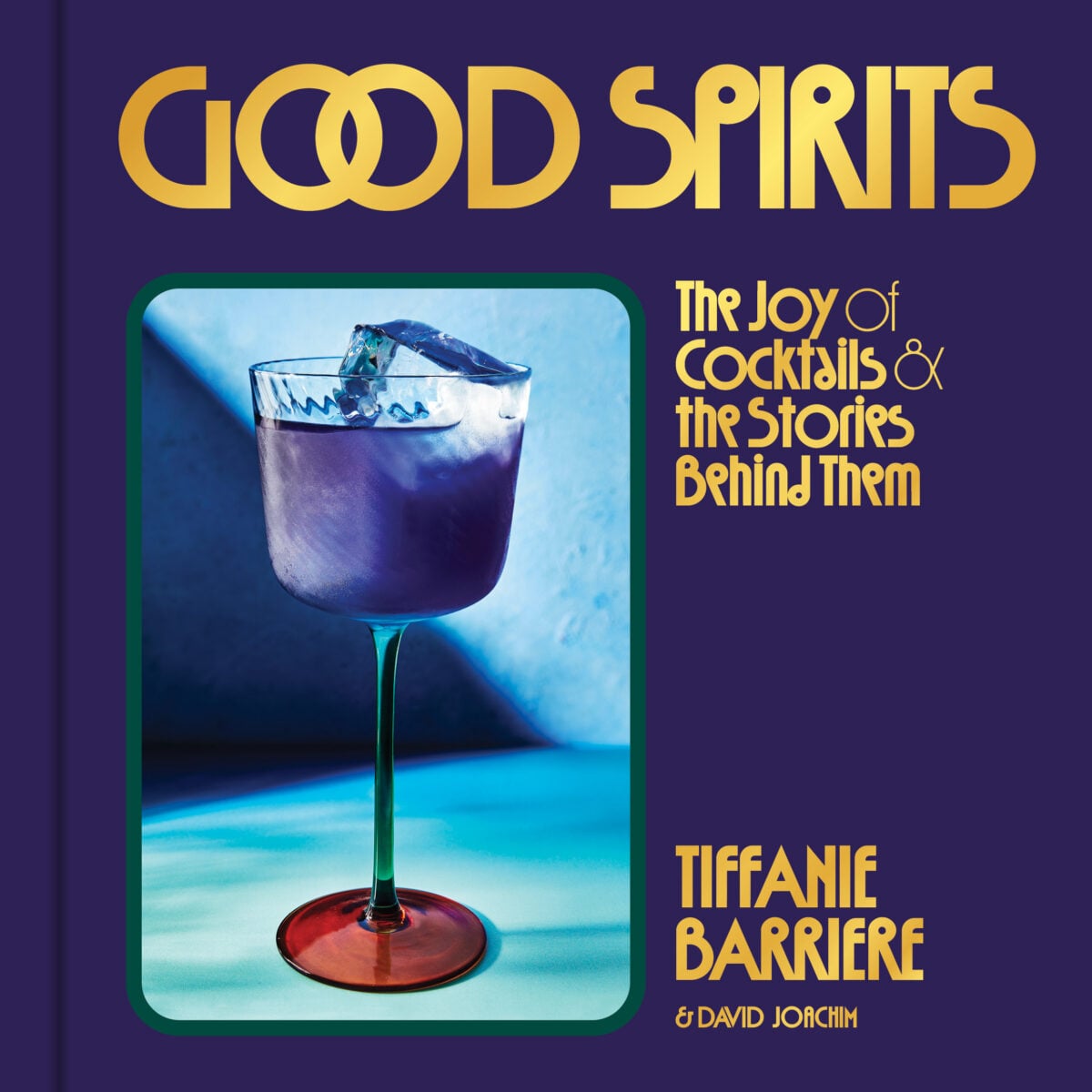
Enter Tiffanie Barriere—widely known as "The Drinking Coach"—an Atlanta-based mixologist, educator, and luminary whose career has bridged the gap between hospitality and historic preservation. In her highly anticipated debut book, Good Spirits: The Joy of Cocktails and the Stories Behind Them, Barriere presents 125 carefully curated recipes that serve not merely as instructions for libations, but as liquid monuments to historical figures. From jazz icons like Cab Calloway to enslaved horticulturalists whose agricultural breakthroughs transformed southern farming, Barriere’s work uses spirits as a medium for storytelling.
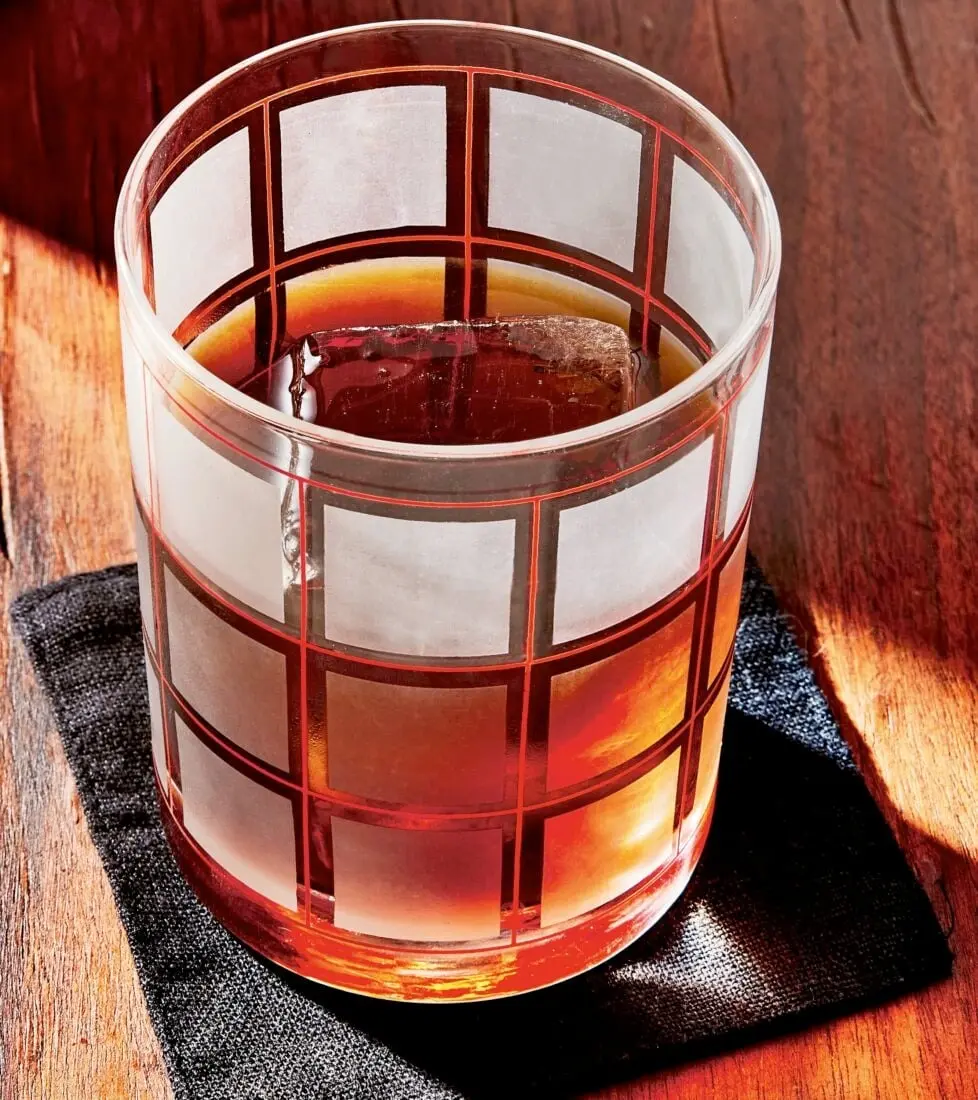
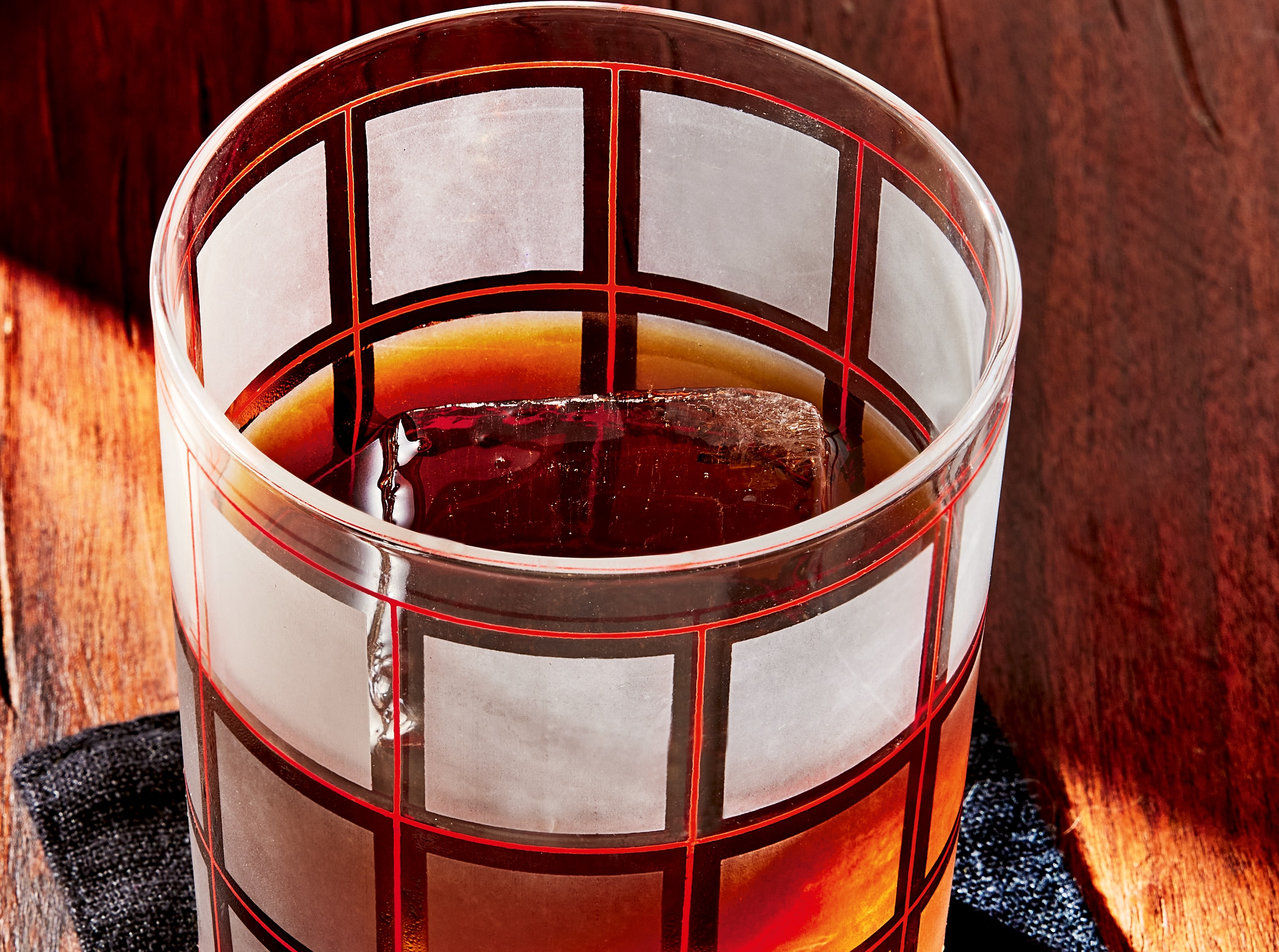
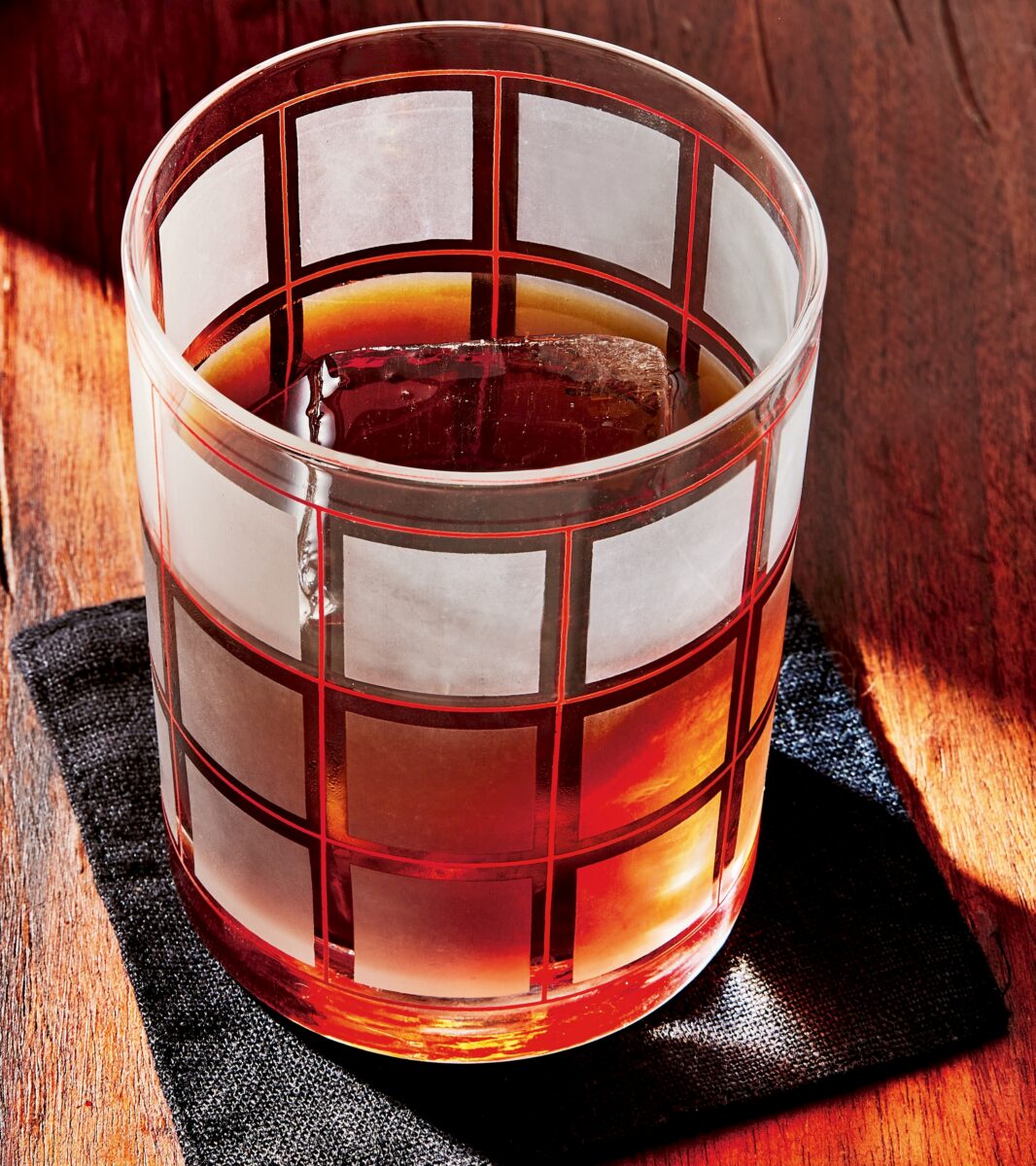
Among the standout creations in the volume is the "Aperture," a robust, whiskey-driven riff on the contemporary espresso martini. Named in honor of Gordon Parks—the trailblazing photojournalist and filmmaker who shattered glass ceilings as the first African American staff photographer for Life magazine—the drink marries the bold weight of bourbon with the awakening intensity of espresso, chicory bitters, and vanilla-forward Licor 43.
This article explores Barriere’s journey from a brown-liquor-leaning southern household to international acclaim, examining how her latest literary contribution redefines the relationship between mixology and historical truth. Through an analysis of her methodology, the cultural weight of her recipes, and the broader evolution of the cocktail landscape, we uncover how Good Spirits sets a new benchmark for intentional drinking.
Detailed Chronology: From Family Roots to Global Recognition
To understand Tiffanie Barriere’s impact on the contemporary beverage landscape, one must trace a trajectory defined by familial heritage, foundational hospitality roles, and an unyielding commitment to education.
The Foundation: A House of Brown Liquor
Barriere’s introduction to the world of spirits was neither trendy nor accidental; it was domestic and deeply rooted. Growing up in a household where brown liquor was the undisputed choice of evening relaxation, Barriere developed an early familiarity with the nuances of whiskey, scotch, and bourbon.
"My grandma was a Scotch drinker, my grandfather was a Jack Daniel’s drinker, my mom’s a Crown Royal drinker," Barriere reflects. "Brown liquor was always the choice in the house."
This early exposure demystified spirits, framing them not as symbols of exclusive luxury, but as centerpieces of domestic gathering and comfort. It established a palate and an intuition that would later distinguish her behind the bar.
The Rise at One Flew South
Barriere’s professional ascension gained international momentum when she took the helm of the bar program at One Flew South, located inside Atlanta’s Hartsfield-Jackson International Airport. Often hailed as the "first upscale airport restaurant," One Flew South redefined traveler expectations, offering a culinary and cocktail program that rivaled downtown fine dining establishments in major metropolises.
Under Barriere’s leadership, the bar program achieved critical acclaim, culminating in Tales of the Cocktail naming it the Best Airport Bar in the World. This milestone challenged prevailing industry assumptions about airport hospitality, proving that world-class mixology could thrive in high-traffic, high-stress transit hubs. Barriere’s tenure at One Flew South cemented her reputation as a meticulous operator capable of executing high-volume, high-craft service without compromising on quality.
Transition to "The Drinking Coach" and Cultural Archivist
Stepping away from day-to-day restaurant management in 2016 marked the beginning of Barriere’s chapter as an independent educator and consultant. Operating under the moniker "The Drinking Coach," she expanded her reach globally—leading technical seminars, judging international spirit competitions, and advising emerging bar programs.
The global lockdowns of 2020 served as a catalyst for a profound shift in her creative output. Confined to her home, Barriere turned her investigative eye toward the unheralded histories of Black and brown individuals within the culinary and agricultural spaces.
"During the pandemic, I started archiving beautiful stories of Black and brown folks," Barriere explains. "And every time I’d research someone’s story, I’d make a drink, thinking about how the ingredients related to it."
This rigorous dual-track process—historical archival research paired with flavor translation—became the conceptual engine for Good Spirits: The Joy of Cocktails and the Stories Behind Them.
Supporting Context & Metrics: The Anatomy of Good Spirits
Good Spirits is structured to appeal to both the novice home bartender and the seasoned industry veteran. Spanning 125 recipes, the book is an exhaustive compendium of classic iterations, modern reinterpretations, and original creations that span multiple spirit categories and flavor profiles.
Flavor Architecture and Historical Homage
What separates Barriere’s book from standard cocktail manuals is its dedication to narrative pairing. Each recipe is tethered to a specific historical narrative, transforming the act of mixing a drink into an immersive history lesson. Notable highlights include:
The Cab Calloway: A rye-based cocktail that channels the swing, energy, and sartorial elegance of the legendary jazz bandleader.
The Centennial: A cognac-centered drink featuring a distinct pecan twist. The cocktail is named after a specific variety of pecan cultivated by an enslaved horticulturalist named Antoine, whose pioneering agricultural techniques laid the groundwork for the modern commercial pecan industry.
The Aperture: A bourbon-and-coffee creation dedicated to Gordon Parks, designed to evoke the precision, contrast, and depth of photographic art.
The Mechanics of the "Aperture" Cocktail
The Aperture serves as a masterclass in modern cocktail formulation. By substituting the traditional vodka base of an espresso martini with a high-proof whiskey, Barriere shifts the drink from a sweet nightcap to a brawny, contemplative libation.
The Base Spirit: Barriere recommends robust options such as Penelope’s wheated bourbon or Woodford Reserve rye, which provide a sturdy backbone capable of cutting through the rich bitterness of coffee.
The Modifiers: The drink incorporates chicory bitters—a nod to New Orleans coffee culture and historical coffee extenders—alongside Licor 43, a Spanish liqueur infused with citrus, fruit, and heavy vanilla notes that rounds out the espresso’s sharp edges.
Official Statements and Industry Impact
The release of Good Spirits has drawn praise from culinary historians, master distillers, and hospitality veterans alike. Industry leaders note that Barriere’s work arrives at a critical juncture for the spirits world, which has faced a growing reckoning regarding inclusivity, historical accuracy, and the acknowledgement of marginalized contributors.
In interviews surrounding the book’s launch, Barriere has emphasized that her goal is not simply to educate, but to foster emotional connections through flavor. Discussing the creation of the Aperture in honor of Gordon Parks, she notes:
"I was thinking about focus and intentionality with this drink. All the ingredients stand tall and are hyper strong, and they come together like a great photograph. Bourbon and coffee have also been around so long and have that weight of history to them, so it felt right to swing them together."
Culinary critics have lauded this approach, pointing out that Barriere elevates cocktail writing from recipe collection to cultural anthropology. By linking the heavy, enduring histories of bourbon and coffee to the artistic vision of Parks, she provides drinkers with a framework for mindful consumption—one where every sip carries the weight of a story worth telling.
Future Outlook: The Evolution of Conscious Mixology
As the craft cocktail industry looks toward the horizon, the influence of educators like Tiffanie Barriere will undoubtedly steer the culture toward greater depth and intentionality. The days of mindless mixology—where drinks are engineered solely for visual social media appeal—are increasingly being challenged by consumers and creators who demand substance behind the bar.
The Rise of Narrative-Driven Hospitality
Barriere’s success signals a broader shift in consumer behavior. Modern drinkers, particularly younger demographics, are increasingly loyal to brands and bars that prioritize authenticity, historical education, and social responsibility. By demonstrating that cocktails can serve as vessels for cultural preservation, Barriere has opened a new frontier for menu development across the globe.
Continuing the Legacy
With Good Spirits now on bookshelves and her consulting calendar fully booked with international seminars, Barriere shows no signs of slowing down. Her ongoing work as "The Drinking Coach" ensures that the next generation of bartenders will be trained not just in technical execution—such as proper shaking techniques, dilution rates, and balance—but in the rich, diverse human stories that make those techniques meaningful.
For espresso martini enthusiasts and whiskey aficionados alike, recipes like the Aperture offer an invitation to step beyond the ordinary. As Barriere herself puts it when introducing the drink to adventurous palates: "Espresso martini lovers, here we go."



0 Comments