The American roadside motel, long a casualty of interstate homogenization, corporate standardization, and the relentless expansion of standardized flag hotels, is experiencing a profound architectural and cultural renaissance. At the vanguard of this movement is a nostalgic wave of boutique hospitality that seeks to preserve the idiosyncrasies of mid-century Americana rather than bulldoze them. A prime manifestation of this trend unfolds in the historic, picturesque college town of Lexington, Virginia, where the newly reimagined KG Motel—formerly known as the Keydet-General Motel—has officially opened its doors to the public.
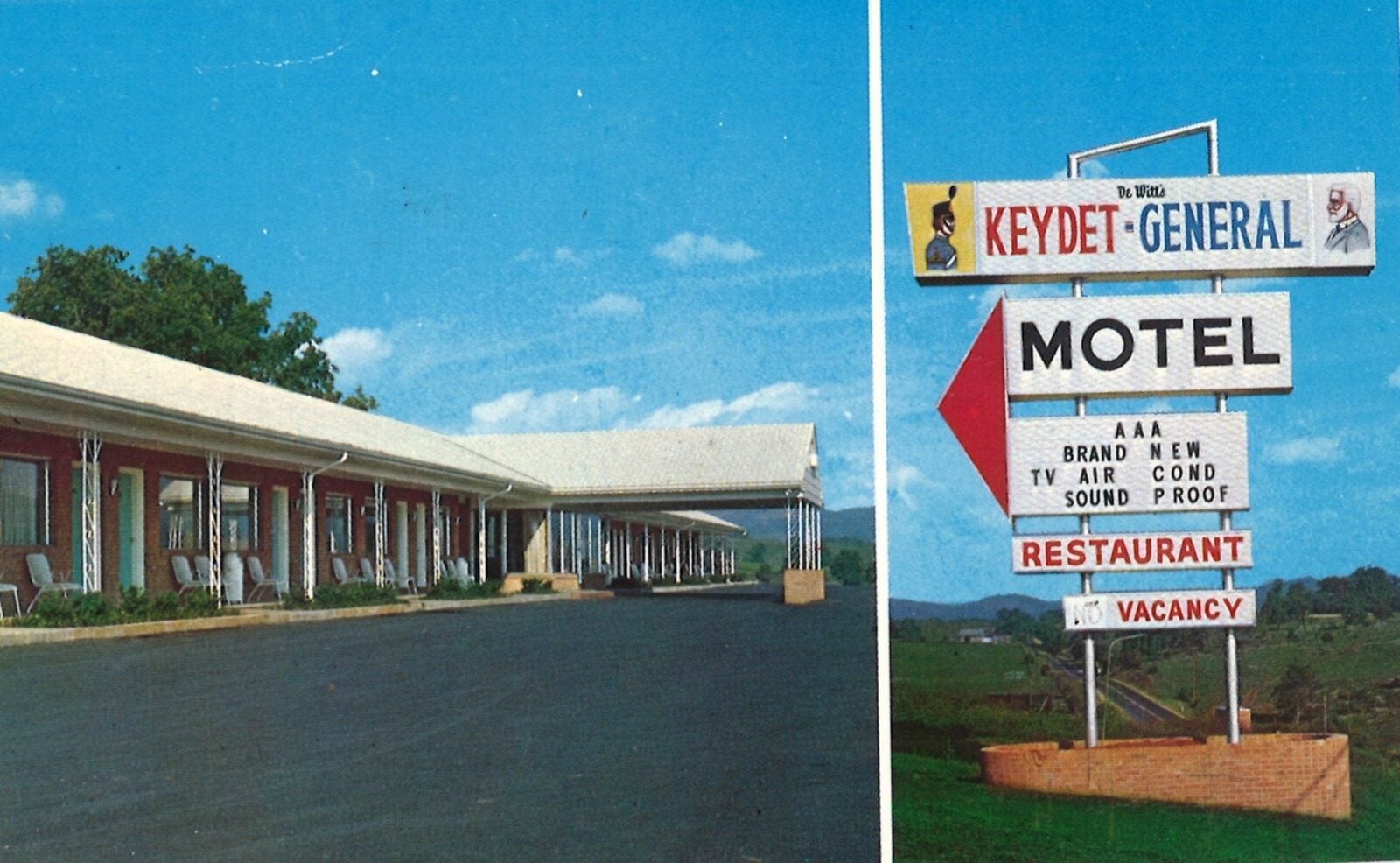
Originally established in 1962 by Kenneth DeWitt “Buster” Moore Sr., the hilltop motor court occupied a unique niche in the local ecosystem. Named in honor of the athletic mascots of its neighboring academic institutions, the Virginia Military Institute (VMI) and Washington and Lee University (W&L), the property served for decades as a dependable, albeit worn-around-the-edges, sanctuary for visiting parents, academic pilgrims, and equestrians competing at the nearby Virginia Horse Center. However, by 2025, the ravages of time and shifting consumer expectations had taken their toll, leaving the majority of its rooms shuttered and its future hanging in the balance.
Enter real-estate veterans Michael Meers—a Washington and Lee alumnus and recent Lexington transplant—and his business partner, Madi Ford. Seizing upon an opportunity during local drives to rescue a fading community landmark, the duo acquired the property with a guiding ethos best summarized as an instruction to “have fun with it.” The resulting transformation is a masterclass in adaptive reuse and atomic-age revivalism. Spanning fifty-three meticulously redesigned rooms, an immersive lobby anchored by the front end of a 1960 Thunderbird, and a vintage Shasta trailer transformed into an outdoor cocktail bar, the KG Motel proves that the classic roadside motor court still holds a vital place in contemporary travel culture.
Detailed Chronology: From 1962 Origins to 2026 Rebirth
The Golden Age of the Motor Court (1962–1970s)
The history of the property is inextricably linked to the post-World War II automotive boom that permanently altered the American landscape. In 1962, Kenneth DeWitt “Buster” Moore Sr. recognized the strategic potential of a hilltop parcel situated on the outskirts of Lexington, a Virginia municipality steeped in Civil War history and higher education. The emergence of the automobile as the primary mode of American leisure travel created a surging demand for accessible, drive-up accommodations.
Moore’s creation, christened the Keydet-General Motel, cleverly integrated itself into the fabric of the local collegiate community. By paying homage to the VMI Keydets and the W&L Generals, the motel secured a built-in demographic of generational visitors. For decades, the property functioned as a reliable socioeconomic anchor for the region, offering unpretentious shelter to families navigating move-in days, graduations, and athletic tournaments.
Yet, life along the American highway has always harbored a degree of eccentricity. The motel etched its name into local folklore in 1974 during an episode that reads like cinematic farce. A slick, itinerant charlatan posing as a Hollywood producer selected a room at the Keydet-General as the headquarters for a series of fraudulent auditions—frequently conducted in a state of undress—for a nonexistent motion picture musical centered on Confederate General Stonewall Jackson. The grand deception culminated when the self-styled auteur skipped town, leaving behind a bewildered local populace, a stack of unpaid bills, and a legendary anecdote that staff and locals would recount for generations.
Decline and Dormancy (1980s–2025)
As the decades progressed, the fortunes of the Keydet-General mirrored those of countless independent motor courts across the United States. The rise of standardized interstate highway systems rerouted traffic patterns, while the proliferation of corporate hotel chains offering standardized amenities drew travelers away from locally owned operations.
While the property continued to limp along through sheer momentum and affordability—serving as temporary housing for newcomers to the region, such as arriving professionals and academics seeking a foothold before finding permanent apartments—deferred maintenance began to accumulate. By the arrival of 2025, the infrastructure had deteriorated to the point where the vast majority of the guest rooms were officially taken out of service. The property stood quiet, a faded postcard of 1960s optimism stranded in an era of rapid modernization, awaiting either demolition or reinvention.
The Acquisition and Transformation (2025–2026)
The turning point arrived when Michael Meers, a real-estate professional and alumnus of Washington and Lee University who had recently relocated back to Lexington, repeatedly drove past the deteriorating hilltop landmark. Recognizing the deep sentimental value of the site and sensing a broader cultural appetite for authentic, retro-minded hospitality, Meers partnered with fellow real-estate veteran Madi Ford.
Together, the partners formed a vision to strip away decades of incongruous alterations and unearth the structural bones of the 1962 build. Eschewing the sterile minimalism that has come to dominate contemporary hotel design, Meers and Ford embraced a maximalist mid-century modern aesthetic. Working in close collaboration with regional fabricators, interior designers, and local artisans, the development team executed a comprehensive, ground-up renovation that modernized the plumbing, electrical, and climate-control systems while meticulously preserving the playful, atom-age spirit of the original motor court. By the fall of 2026, the newly rechristened KG Motel officially welcomed its first wave of modern travelers.
Supporting Context & Metrics: Design, Amenities, and Local Integration
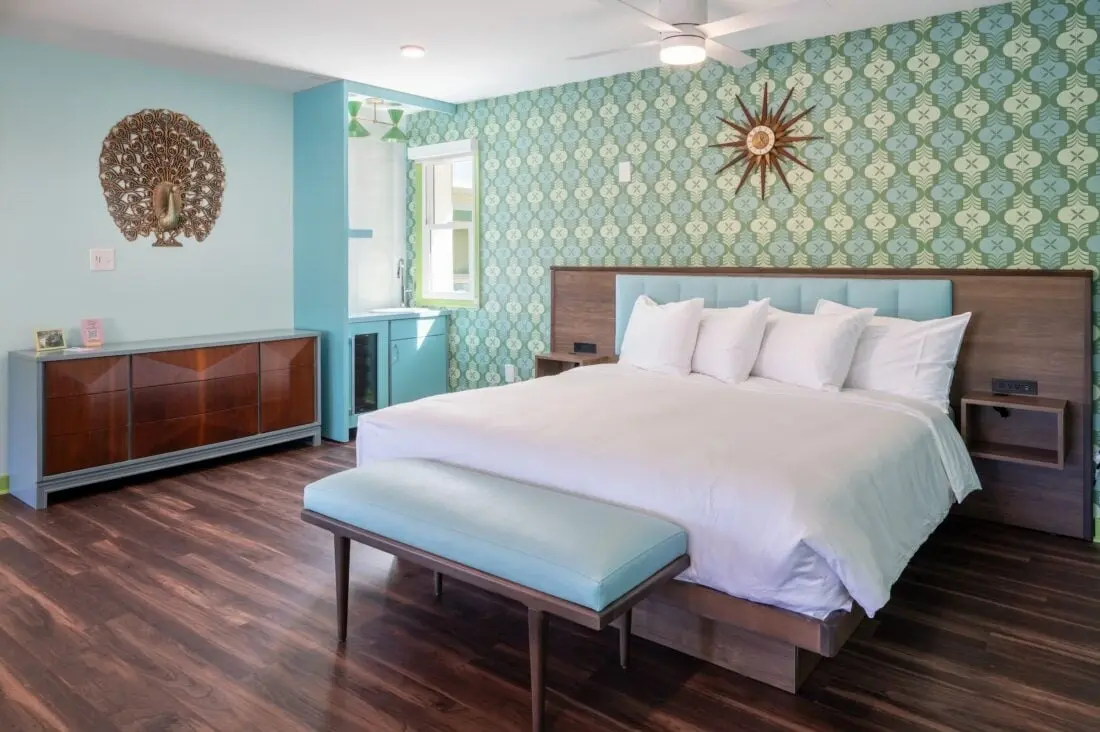
The transformation of the KG Motel is defined by a rigorous attention to historical detail married with contemporary comforts. Every square foot of the property has been re-engineered to deliver an immersive sensory experience that transports guests directly into the 1960s without sacrificing modern hospitality standards.
Architectural and Interior Design Metrics
Total Room Inventory: 53 uniquely styled guest rooms, accommodating various traveler demographics from solo academics to large families and wedding parties.
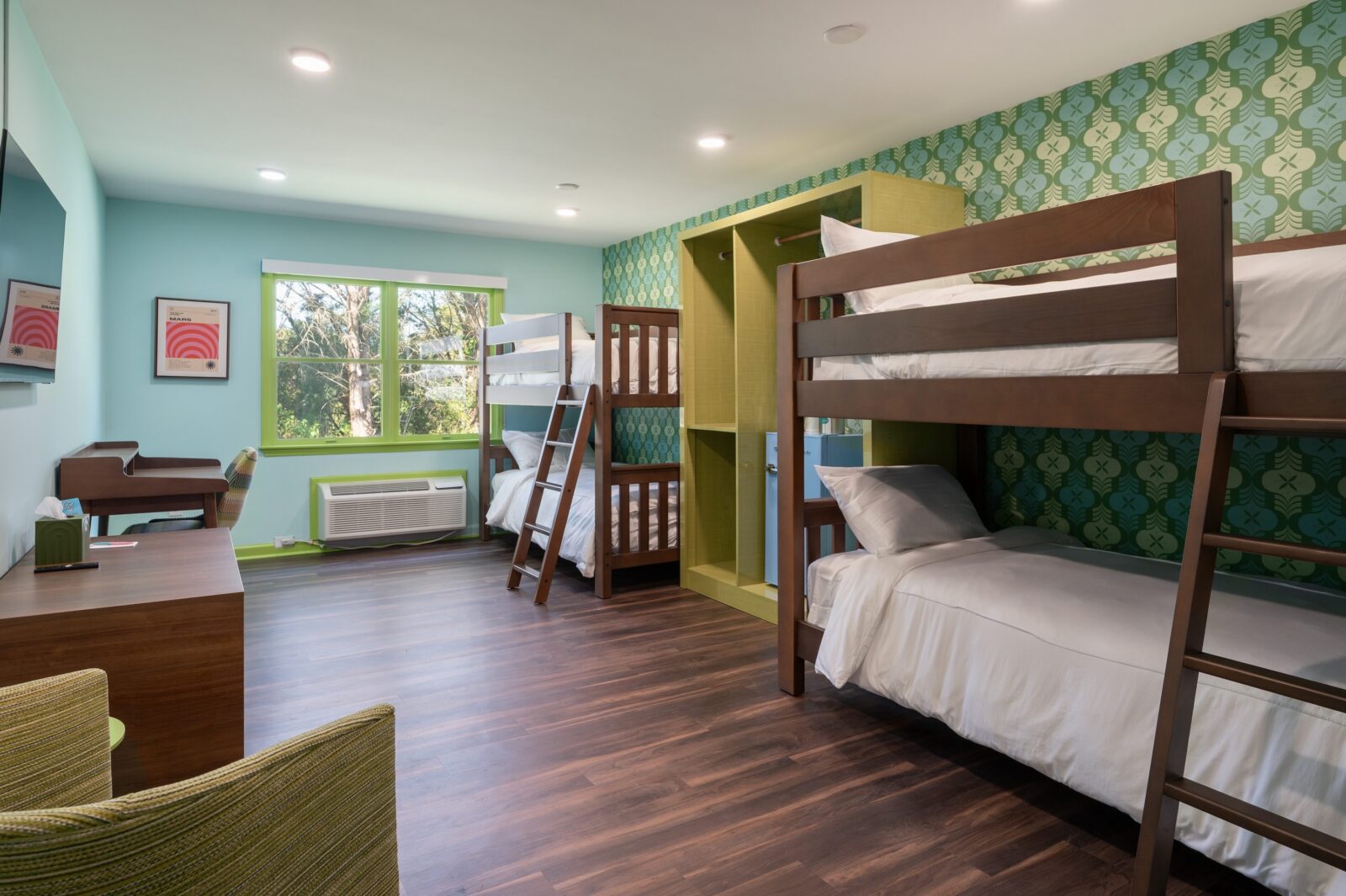
Specialized Accommodations: The inventory features standard queen and king rooms alongside a sprawling 600-square-foot Founder’s Suite and specialized bunk rooms equipped with four twin beds designed specifically for friend groups, families, and what the management playfully terms "wayward groomsmen."
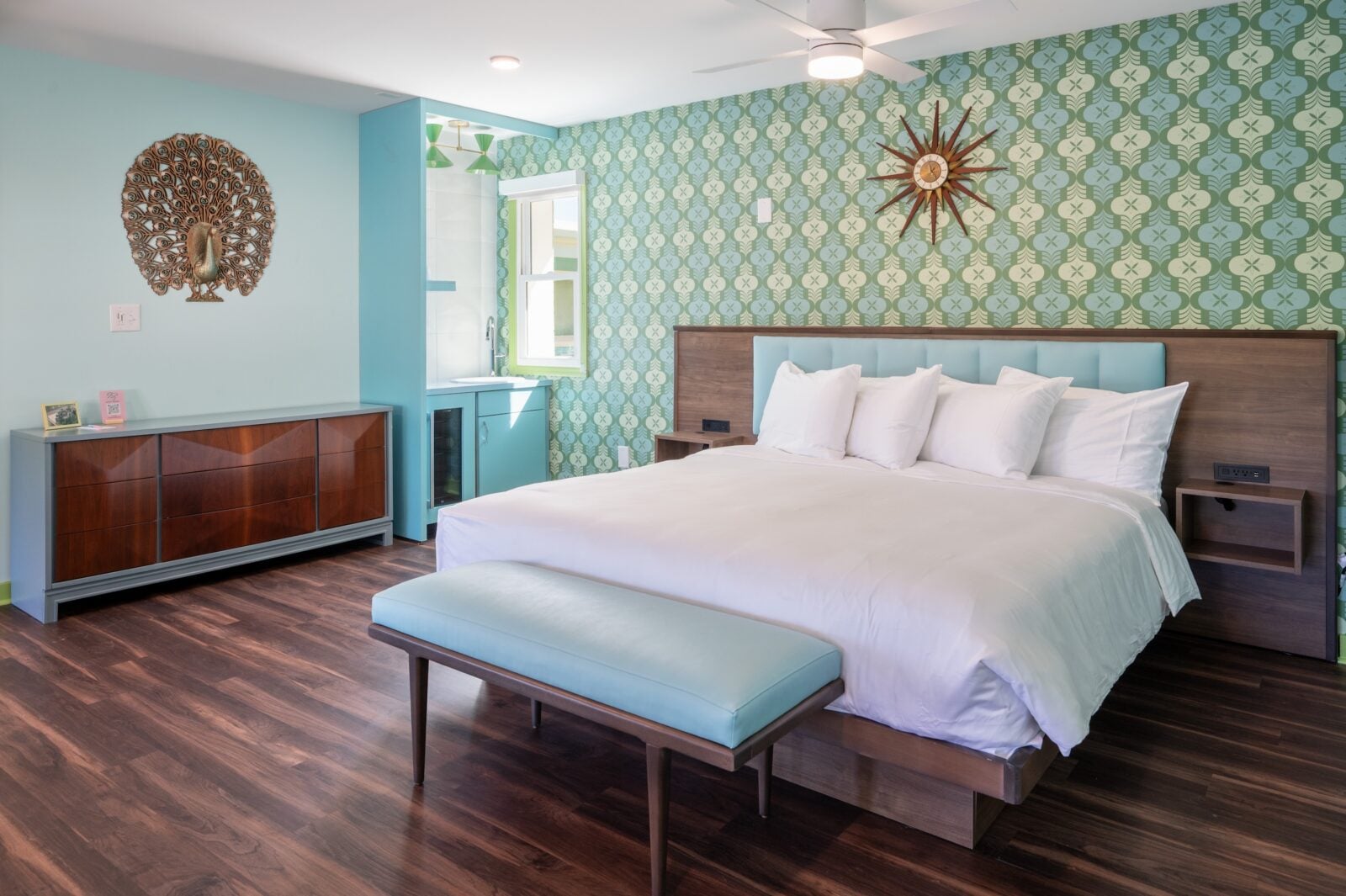
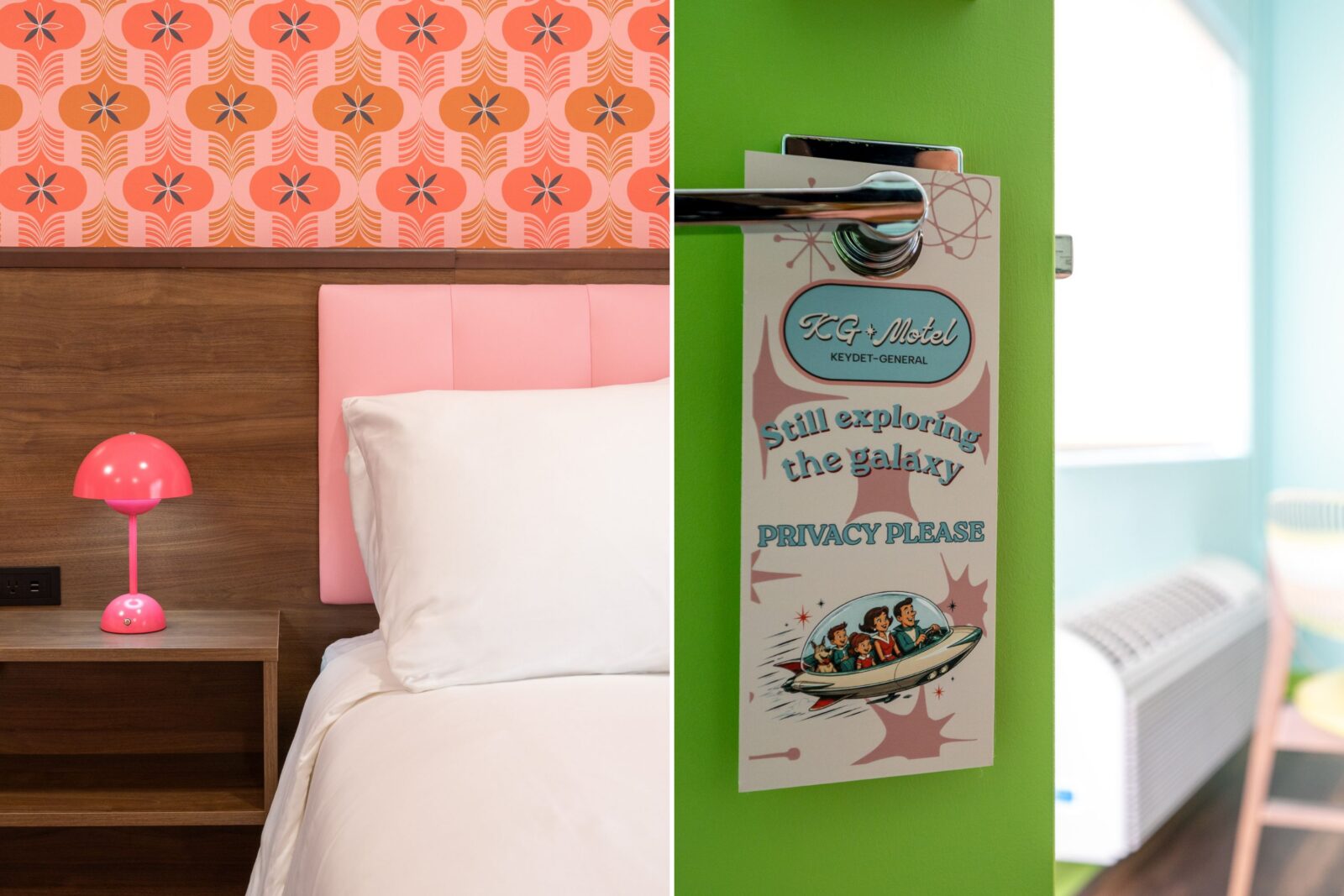
Regional Craftsmanship: Interior furnishings showcase custom retro-mod furniture crafted by Txtur, a design and manufacturing firm based in nearby Roanoke, Virginia. Walls are finished with bold, period-authentic wallcoverings sourced from HDWalls.
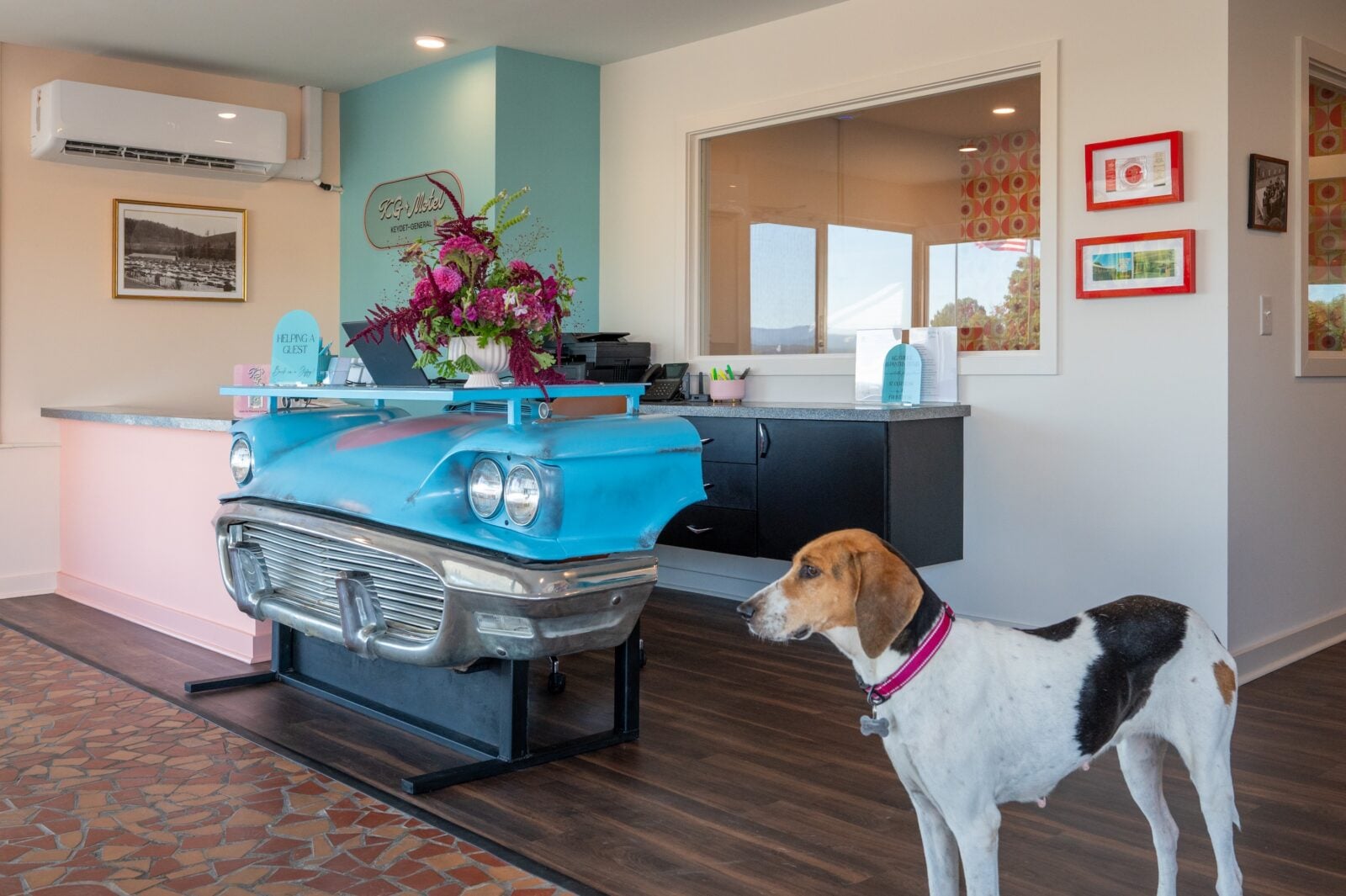
Lobby Innovations: The central check-in desk is ingeniously constructed from the front end of a classic 1960 Thunderbird. The surrounding lounge area features a restored 1959 Telefunken Hymnus hi-fi console capable of projecting authentic analog warmth throughout the public space, alongside a custom Malm freestanding fireplace and a curated collection of framed college pennants and regional memorabilia.
Culinary and Beverage Partnerships
Rather than outsourcing food and beverage operations to impersonal corporate vendors, the KG Motel has anchored its hospitality model in deeply rooted local partnerships:
BuddyLou’s Bar: The outdoor patio—equipped with classic Adirondack chairs, a communal fire pit, and vintage lawn games—is anchored by a restored 1959 Shasta trailer camper. Converted into a whimsical mobile bar, BuddyLou’s dispenses craft beers, wines, and signature cocktails on Friday and Saturday evenings during the late spring, summer, and early fall seasons.
Morning Provisions: Complimentary daily coffee is sourced directly from Roadmap Coffeeworks, a regional roastery known for its artisanal small-batch approach. Weekend mornings are further elevated through a partnership with Season’s Yield Farm and Conifer Bakery, which supply fresh, scratch-made breakfast pastries.
Canine-Friendly Infrastructure
Reflecting modern travel trends that prioritize pet ownership, the KG Motel has positioned itself as a premier destination for travelers accompanied by animals. The property’s mascot and unofficial greeter is Keswick Kendall, a retired foxhound belonging to co-owner Madi Ford. To support this positioning, the motel features an on-site, fully fenced-in dog park, ensuring that visiting pets enjoy the same level of architectural and recreational consideration as their human companions.
Official Statements and Industry Perspective
The revival of the KG Motel has generated substantial enthusiasm among urban planners, historic preservationists, and regional tourism boards, who view the project as a vital economic and cultural catalyst for Rockbridge County.
Speaking on the guiding philosophy behind the project, co-owner Michael Meers emphasized the importance of balancing historical reverence with lighthearted execution:
"When you look at what a property like this means to a community like Lexington, you realize you aren’t just renovating buildings—you’re curating memories. Our entire ethos from day one was to have fun with it. We didn’t want a museum piece where people felt like they couldn’t touch anything, nor did we want a sterile corporate box. We wanted to capture the genuine optimism of 1962 and make it relevant, comfortable, and undeniably stylish for the traveler of today."
Madi Ford elaborated on the operational philosophy, particularly regarding the integration of the local community and the property’s unique canine-friendly identity:
"Bringing a place like the KG Motel back to life requires leaning into its quirks. Whether it’s repurposing a 1960 Thunderbird as a front desk, turning an old Shasta trailer into an evening weekend watering hole, or making sure my retired foxhound Keswick is right here to welcome guests, every choice was made to inject personality back into the roadside experience. Travel should have a sense of discovery, and that starts the moment you pull off the highway."
Industry analysts note that projects like the KG Motel represent a broader structural shift in American travel behavior. According to hospitality economists, travelers are increasingly rejecting homogenous, cookie-cutter lodging options in favor of hyper-local, narrative-driven properties that offer a distinct sense of place. By honoring the specific local history of Lexington—including its unique academic dual-identity between VMI and Washington and Lee—the KG Motel successfully bridges the gap between nostalgia and modern boutique luxury.
Future Outlook
As the KG Motel enters its inaugural operating season under its new ownership, the outlook for the property and the broader Lexington hospitality market is exceptionally robust. The successful execution of the renovation project serves as a case study in how neglected mid-century real estate can be strategically repurposed to meet the demands of modern experiential travelers.
Looking ahead, management plans to leverage the motel’s unique spaces—particularly the outdoor patio, the Shasta trailer bar, and the expansive Founder’s Suite—to host private events, alumni weekend gatherings, and cultural pop-ups that further cement the property’s status as a community hub. Furthermore, the revitalization is expected to stimulate adjacent economic activity along the Lexington corridor, encouraging additional investment in independent, design-forward tourism assets within the Shenandoah Valley region.
Ultimately, the transformation of the Keydet-General Motel into the KG Motel proves that the American motor court is far from obsolete. By fusing mid-century architectural heritage with contemporary comfort, witty design, and deep local partnerships, the property has not only reclaimed its historical role as a beloved community landmark but has also established a new benchmark for roadside hospitality in the twenty-first century.



0 Comments