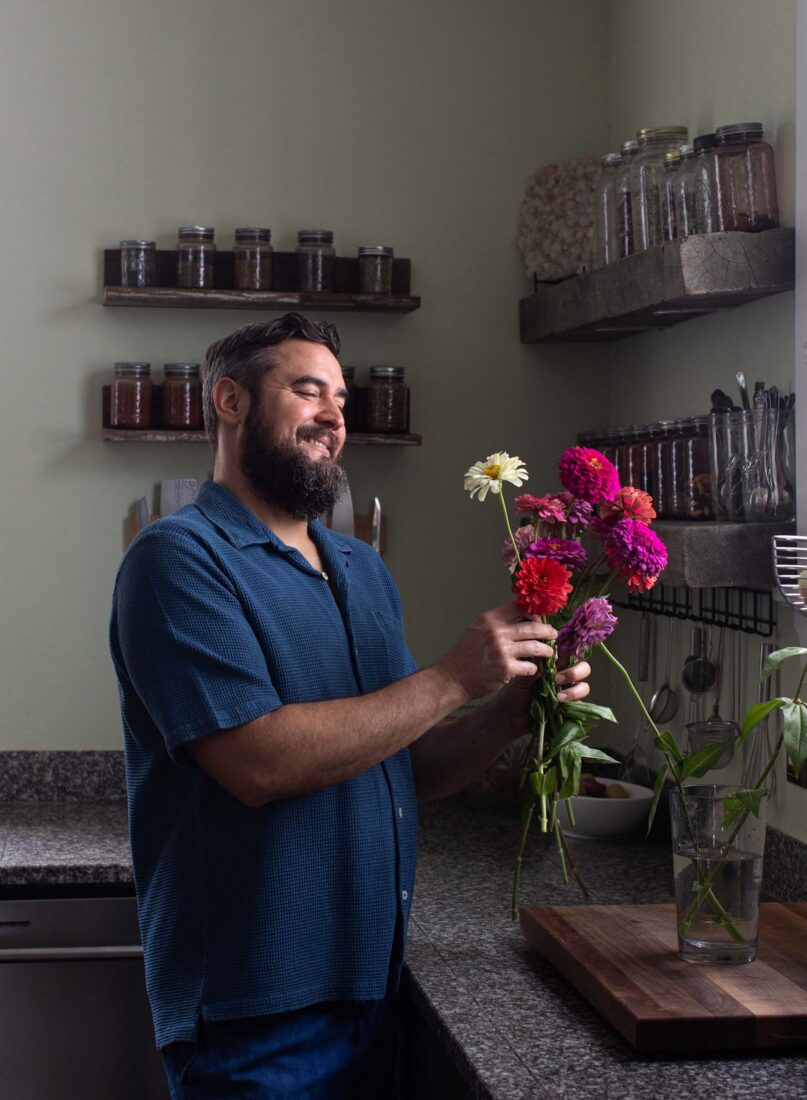
In the heart of the American South, where culinary traditions are often measured by the weight of cast-iron skillets and slow-simmered animal fats, a quiet revolution is taking root. Timothy Pakron, widely recognized by his moniker the "Mississippi Vegan," is spearheading a movement that bridges the seemingly disparate worlds of traditional Southern comfort food and plant-based nutrition.
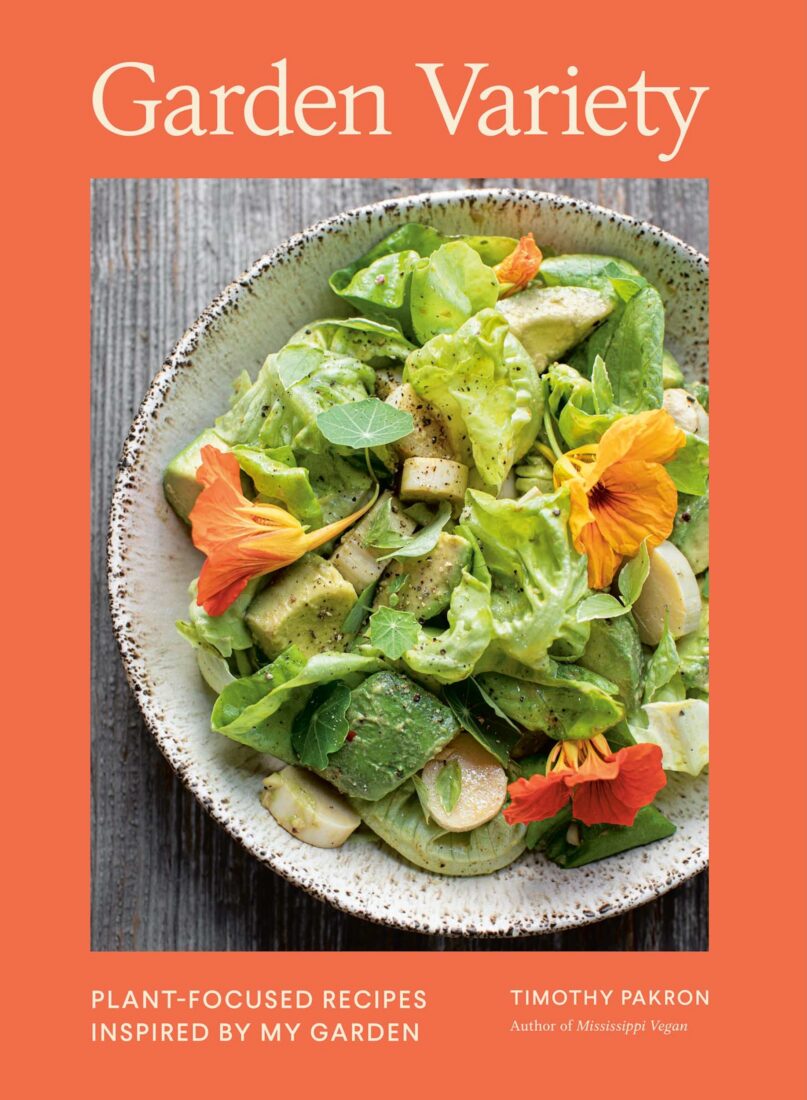
Following the critical acclaim of his 2018 debut cookbook, Mississippi Vegan—which evolved from a popular digital diary into a cultural touchstone—Pakron is expanding his culinary narrative with his highly anticipated second release, Garden Variety. Hitting shelves on September 1, the new volume features more than 130 vibrant, plant-forward recipes. Moving beyond the conceptual framework of his first book, Garden Variety draws direct inspiration from Pakron’s own backyard in New Orleans, where he discovered an enduring passion for home gardening.
By translating classic southern staples—from rich, dark-roux gumbos and savory étouffées to perfectly crisped squash—into entirely plant-based interpretations, Pakron is redefining what it means to cook regionally. His approach is not about stripping away the soul of Southern cooking, but rather unearthing the inherent vegan undercurrents that have always quietly anchored the region’s agricultural bounty.
Detailed Chronology: From Mississippi Kitchens to New Orleans Gardens
The trajectory of Timothy Pakron’s culinary career is a study in cultural adaptation and personal evolution. His journey began decades ago in his home state of Mississippi. It was there, standing shoulder-to-shoulder in the kitchen with his mother, that Pakron first learned the foundational cadence of Southern cooking, mastering complex staples like gumbo while spending countless hours absorbing the educational programming of the early Food Network.
The Charleston Shift and the Birth of a Philosophy
The first major inflection point occurred when Pakron relocated to Charleston, South Carolina, for his undergraduate studies. Surrounded by the historic Lowcountry culinary landscape, he made the personal decision to adopt a vegan lifestyle. This lifestyle change presented an immediate creative challenge: how to reconcile a deep-seated nostalgia for the rich, comforting flavors of his Mississippi upbringing with a strict plant-based diet.
Rather than abandoning his culinary heritage, Pakron chose to deconstruct it. He began experimenting with fresh vegetables, aromatic herbs, and plant-based alternatives to recreate the textures and profiles of his childhood favorites. What began as a private kitchen experiment soon found a public audience through Instagram, where his distinct aesthetic and flavorful adaptations struck a chord with a national audience hungry for inclusive regional cuisine. This digital momentum culminated in the 2018 publication of his breakout debut cookbook, Mississippi Vegan.
The New Orleans Renaissance and the Green Thumb
Following the success of his first book, Pakron relocated to New Orleans—a city renowned the world over for its singular culinary identity. It was within the historic, humid neighborhoods of Louisiana’s cultural capital that Pakron discovered his second major passion: urban gardening.
Starting his garden in 2019 without formal horticultural training, Pakron embraced a philosophy of trial and error. "When I first started… I really didn’t know what I was doing," Pakron reflects. "One thing I’ve learned is that if you’re interested in growing something, you try it, and you may not do well. But you can always try it again. You can always buy more seeds!"
This hands-on cultivation of heirloom tomatoes, leafy greens, root vegetables, and herbs fundamentally shifted his relationship with food. The distance between soil and stove collapsed, inspiring the manuscript for Garden Variety. The upcoming cookbook serves as both a manual for home gardeners and a love letter to the agricultural abundance of the American South, capturing the precise moment Pakron’s culinary identity merged completely with his horticultural pursuits.
Supporting Context & Metrics: The Anatomy of Southern Plant-Based Cooking
To understand the significance of Garden Variety, one must examine the broader cultural and economic landscape of modern Southern foodways. For generations, Southern cuisine has been characterized by an economic and historical reliance on whatever the land and local waters could provide. While pork fat, butter, and bone broths became hallmarks of post-bellum Southern cooking, the bedrock of the cuisine has always been fiercely plant-centric—built around seasonal vegetables, field peas, greens, and grains dictated by the region’s subtropical climate.
Unearthing the Vegan Undercurrent
Pakron argues that true Southern cooking already possesses an inherent, albeit overlooked, plant-based foundation. "With Southern recipes, I find there’s always an undercurrent of veganism that already exists within the recipe," he explains.
This philosophy is brilliantly executed in his vegan adaptation of classic étouffée found in the new cookbook. While preserving the essential aromatic base—the foundational "trinity" of onions, celery, and bell peppers sautéed in a rich roux—Pakron bypasses traditional shellfish or poultry, incorporating roasted eggplant, okra, and protein-rich lima beans instead. The result is a dish that honors the complex layering of flavors central to Cajun and Creole traditions while providing a deeply satisfying, entirely plant-based profile.
Highlighting Regional Staples
Garden Variety highlights several ingredients that define the Southern table, elevating them through modern culinary techniques:
Okra: Often polarizing due to its characteristic mucilaginous texture, okra is championed by Pakron as an essential Southern ingredient. "I think a lot of people have a weird relationship with okra just because it’s kind of slimy, but I embrace it. I love it," he notes.
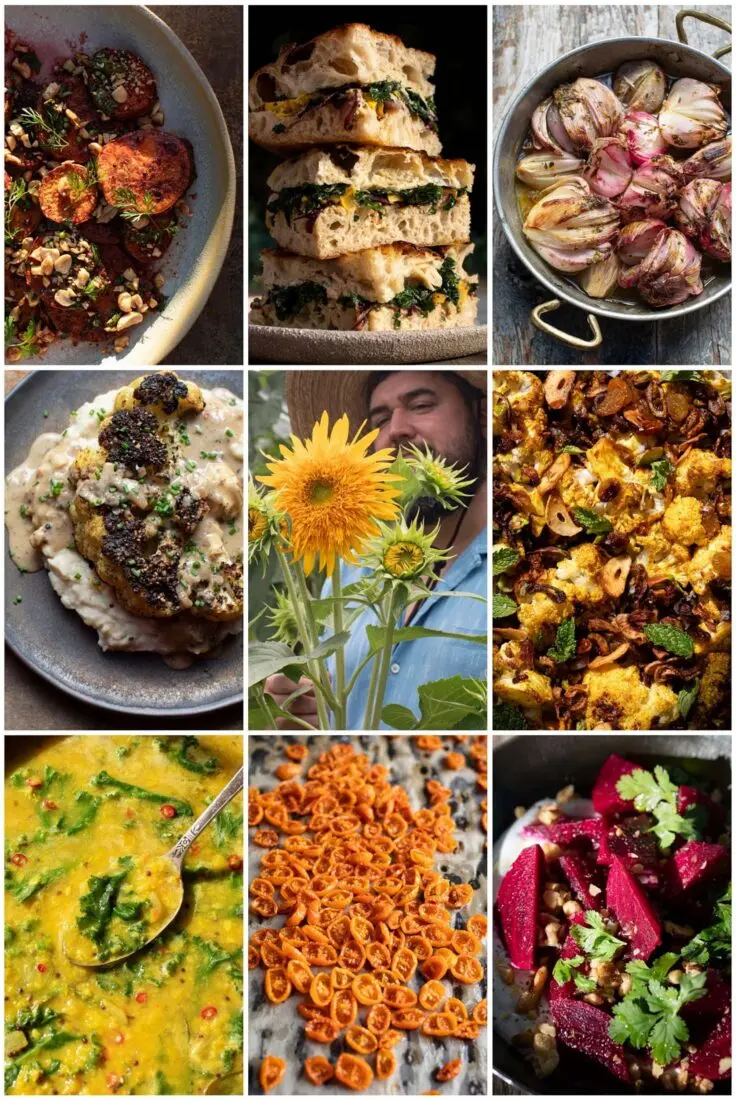
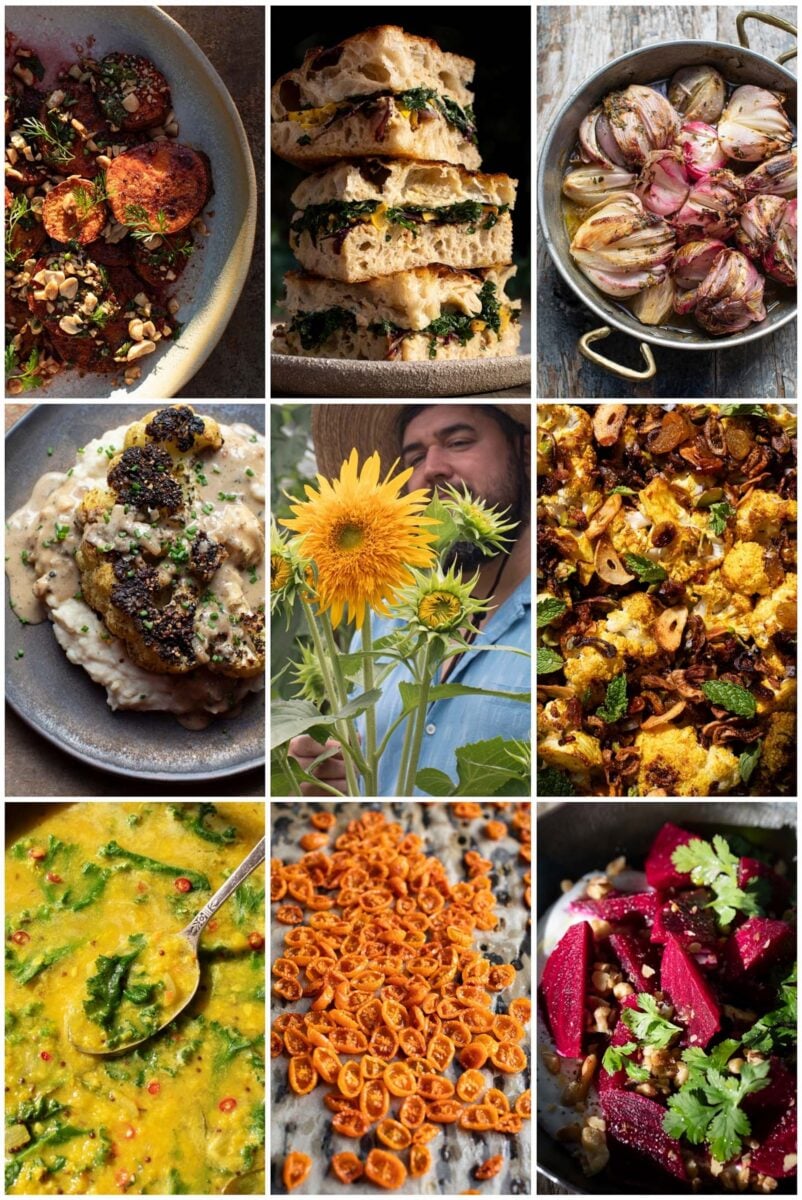
Cauliflower: Transformed in his standout recipe for Curried Cauliflower, a single head of brassica is roasted with spices until caramelized, then paired with the sweetness of golden raisins, the freshness of mint, and the heat of curry. It serves as a masterclass in maximizing flavor through textural contrast.
Squash: Pakron’s version of fried squash strips away the common assumption that traditional batters require dairy and eggs, proving that simple, plant-based techniques can yield a crispy, standalone snack without the need for heavy dipping sauces.
Potatoes: When asked about his ultimate comfort meal, Pakron points to a classic staple: mashed potatoes and gravy—proof that indulgence in comfort food requires no animal products to achieve supreme satisfaction.
Official Statements and Insights from the Author
In an exclusive discussion detailing the conceptualization of Garden Variety, Pakron shared insights into his creative process, linguistic inspirations, and deep-rooted memories that continue to drive his work.
On the Origin of the
The title Garden Variety came to Pakron serendipitously while driving through the Alabama countryside. Listening to a composition by Van Dyke Parks, a lyric caught his ear: "Not your run-of-the-mill, garden-variety Alabama country fare."
"At that moment it just clicked in my brain," Pakron recalls. "‘Garden variety’ really means boring and plain, but I love to play on words."
On Recipe Development and Sensory Memory:
Sensory cues remain central to Pakron’s culinary philosophy. When asked about the food that instantly transports him to his youth, he points directly to the stove:
"Probably gumbo. My mom would make it on the weekends and I remember waking up to the smell of her cooking the trinity and the hot roux."
This dedication to sensory authenticity ensures that every recipe in the new volume—whether it is a complex curry or a simple side of fried squash—is engineered to evoke an emotional and nostalgic resonance, proving that plant-based food is just as capable of delivering deep comfort as any traditional heritage recipe.
Future Outlook: The Evolution of Regional Plant-Based Gastronomy
The publication of Garden Variety on September 1 arrives at a critical juncture in the evolution of American dining. As consumers increasingly seek out sustainable, locally sourced, and health-conscious food options, regional cuisines are undergoing a renaissance. No longer viewed as static artifacts of the past, traditional foodways are proving to be remarkably flexible frameworks capable of adapting to modern ethical and ecological priorities.
Timothy Pakron’s work demonstrates that the future of Southern food does not require abandoning its past. By looking closely at the gardens of the South—and listening to the inherent plant-based wisdom woven into historical recipes—chefs and home cooks alike can chart a sustainable path forward.
As Garden Variety enters kitchens across the country, its impact will likely extend far beyond the vegan community. It challenges regional chauvinism, expands our understanding of Southern agriculture, and invites a diverse audience to pull up a chair at a table where heritage and modern sustainability sit comfortably side by side.



0 Comments