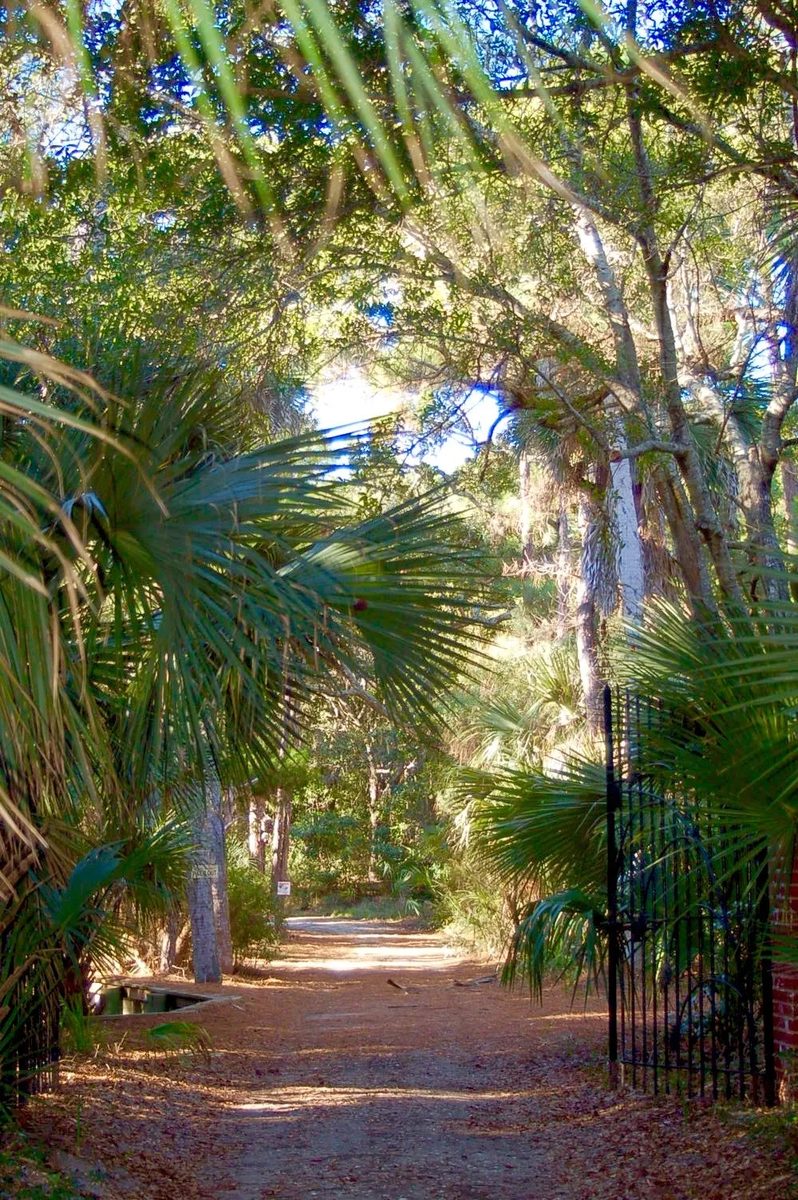
Nestled within the bustling, neon-lit landscape of Folly Beach, South Carolina—a barrier island famous for its surf culture, crowded boardwalks, and skyrocketing short-term rental market—lies a startling anomaly. Spanning eighteen acres of thick, swampy maritime forest, the Folly River House functions as a de facto wildlife refuge and an eccentric artist’s sanctuary.
Acquired by retired e-commerce executive and artist Jim Rocco in 1999, the property has evolved over more than two decades from an abandoned city dumping ground and squatter’s haven into a preserved ecological capsule. Surrounded by a grid of modern beach houses and commercial developments, Rocco’s dense, tree-canopied estate stands as the last green bastion of its kind on the island’s west side.
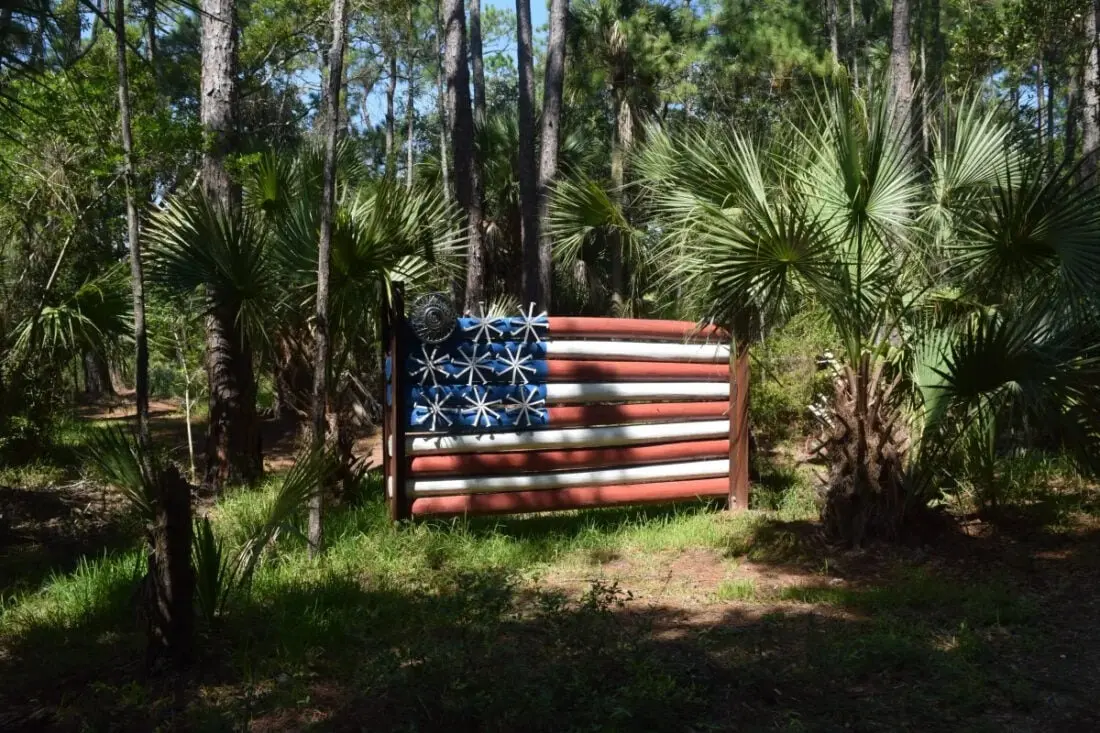
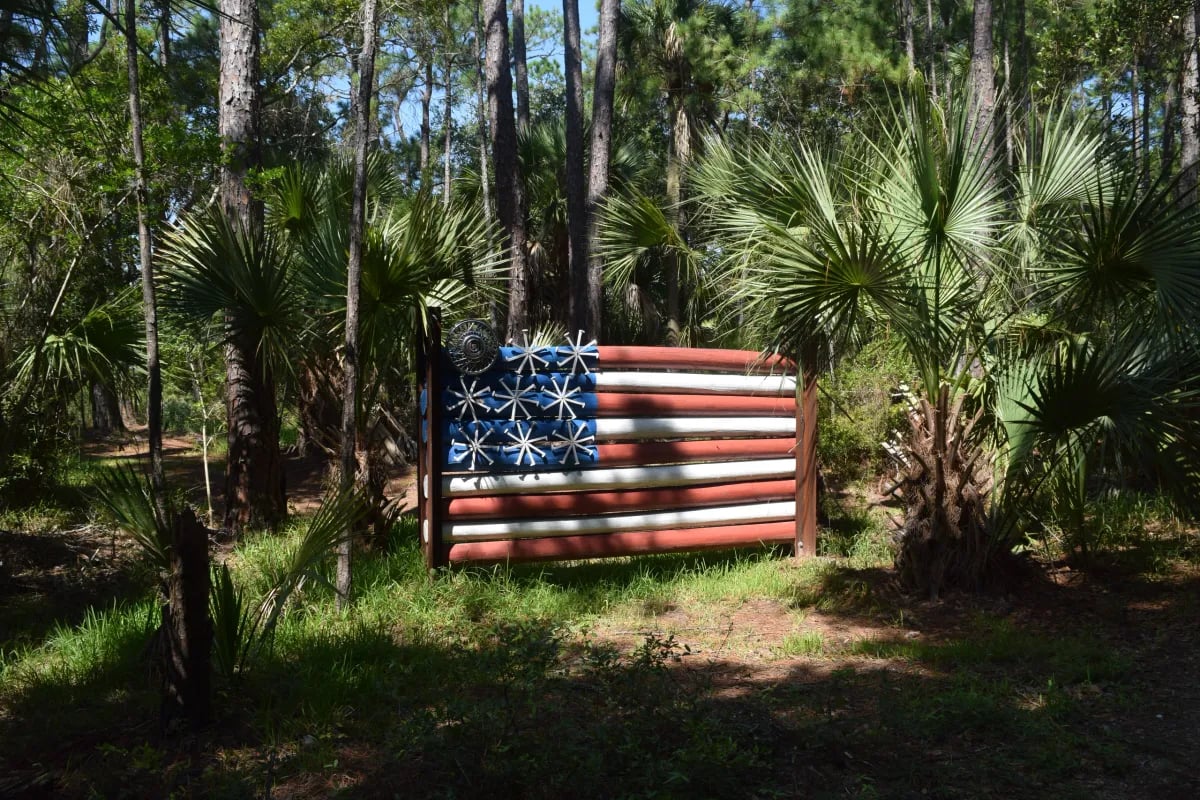
Today, the estate is far more than a private homestead. It operates as a living canvas, a habitat for native South Carolina wildlife, a historical touchstone connecting the Lowcountry’s past to its present, and a workshop supporting the next generation of American craftsmen. Through a unique blend of land conservation and whimsical, monumental art—including locally renowned stacked-log American flags embedded with Civil War artifacts—Rocco has established a lasting legacy at what locals affectionately call "the Edge of America."
Detailed Chronology: From Trash Heap to Timeless Sanctuary
The story of the Folly River House is one of relentless vision and patience. When Rocco first set eyes on the neglected tract of land in the late 1990s, it bore little resemblance to the serene ecosystem it is today.
The Pre-1999 Era: Long before Rocco’s tenure, the land held varied chapters in South Carolina’s history. According to historical records preserved by former owners, the site operated as a boys’ summer camp during the 1930s. Centuries earlier, during the American Civil War, the property likely served as a strategic staging area and supply depot for Union forces operating along the coast. In the decades following, however, the land was largely forgotten by municipal planners, devolving into an overgrown marshland used informally as a local dumping ground and a hideout for transients.
1999—The Acquisition: Driven in part by a lingering childhood memory—tales told by his father and grandfather about missed real estate opportunities ("Hey, Jimmy, you see that property over there? I could have bought that for $10")—Rocco took the plunge. Every time he heard the family lore growing up, he had deposited a dollar into a jar. When the Folly Beach property came on the market, it was widely viewed by real estate speculators as an "obvious teardown."
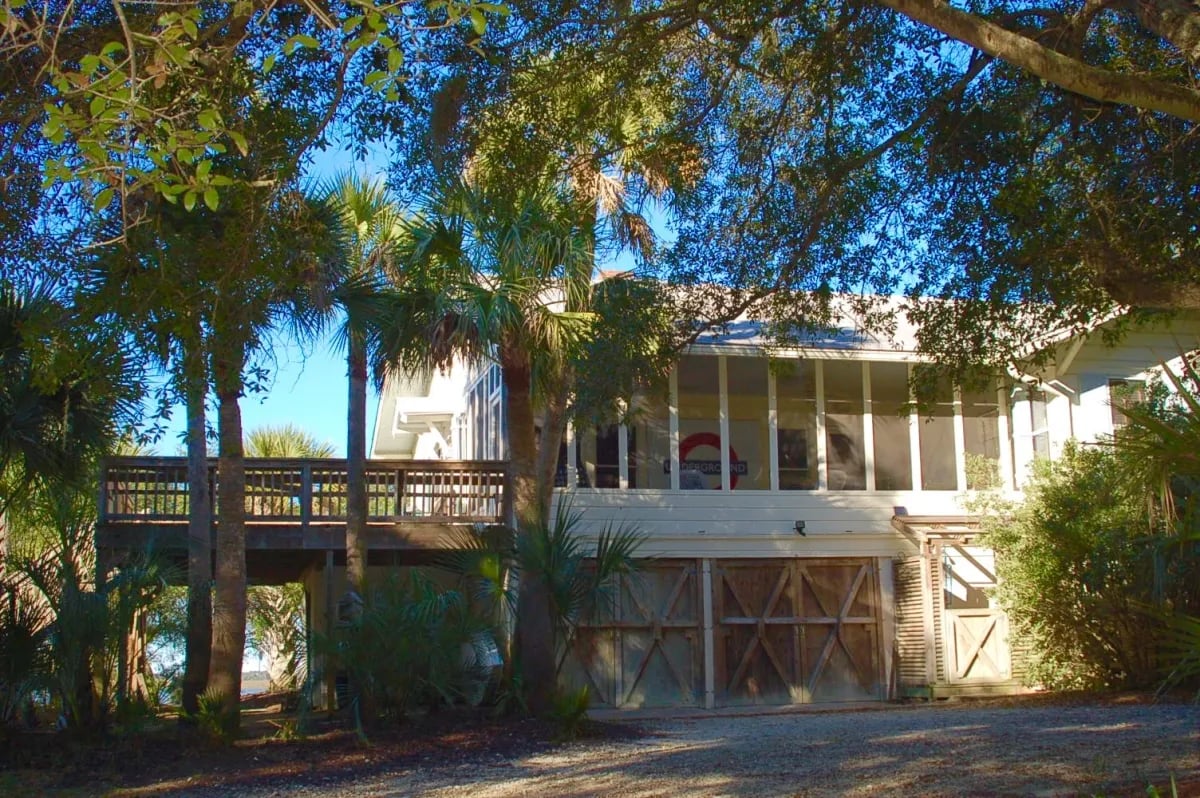
The Early 2000s—Clearing the Jungle: Stepping onto the property for the first time, Rocco found a landscape choked by impenetrable undergrowth. Comparing its wild, untamed state to the classic Humphrey Bogart film The African Queen, Rocco notes, "You couldn’t go ten feet. You couldn’t see the river. Everything was overgrown for years. It was just left here." Alongside his late wife, Shann—whose intuition guided the couple to keep the land and its rustic, early-1900s cottage largely intact—Rocco began the grueling, multi-year process of clearing invasive brush, establishing walking trails, and restoring the dock without disrupting the core ecosystem.
The 2010s to Present—Art and Ecosystem Integration: Over the last decade, the property transitioned from a private restoration project into a community cultural hub. Rocco integrated his passion for sculpture and building arts into the landscape, commissioning student artists, hosting friends and family, and crafting his signature monumental installations across Folly Beach.
Supporting Context & Metrics: Conservation in a Sea of Development
To understand the true significance of Rocco’s eighteen-acre sanctuary, one must look at the broader geographic and real estate trends defining Folly Beach and coastal South Carolina.
The Real Estate Landscape of Folly Beach
Barrier islands across the American Southeast have experienced unprecedented development pressure over the last thirty years. Folly Beach is no exception. A satellite view of the island reveals a stark contrast: a tight, orderly grid of residential streets, expanding commercial strips, and sprawling riverside marshes. Punching through this developed matrix is one singular, uninterrupted patch of dense canopy on the island’s west side—the Folly River House.
While the proliferation of short-term rentals, luxury vacation homes, and urban sprawl has sparked fierce municipal debates over zoning and the preservation of local character, Rocco’s property represents a voluntary, private conservation victory.
Ecological Impact: A Refuge for Lowcountry Wildlife
By refusing to subdivide or clear the land for maximum commercial profit, Rocco and his late wife inadvertently created a vital micro-habitat for native coastal fauna. The eighteen-acre estate now serves as a secure sanctuary for a diverse array of species:
Avian Life: Bald eagles routinely soar above the tree line, alongside native wading birds, herons, and egrets patrolling the riverbanks.
Mammalian Residents: White-tailed deer navigate the winding forest trails, while secretive predators like bobcats maintain established territories within the dense brush.
Aquatic Ecosystems: Unobstructed access to the Folly River preserves crucial estuarine nursery grounds for local fish and crustacean populations.
Official Statements & Personal Philosophy
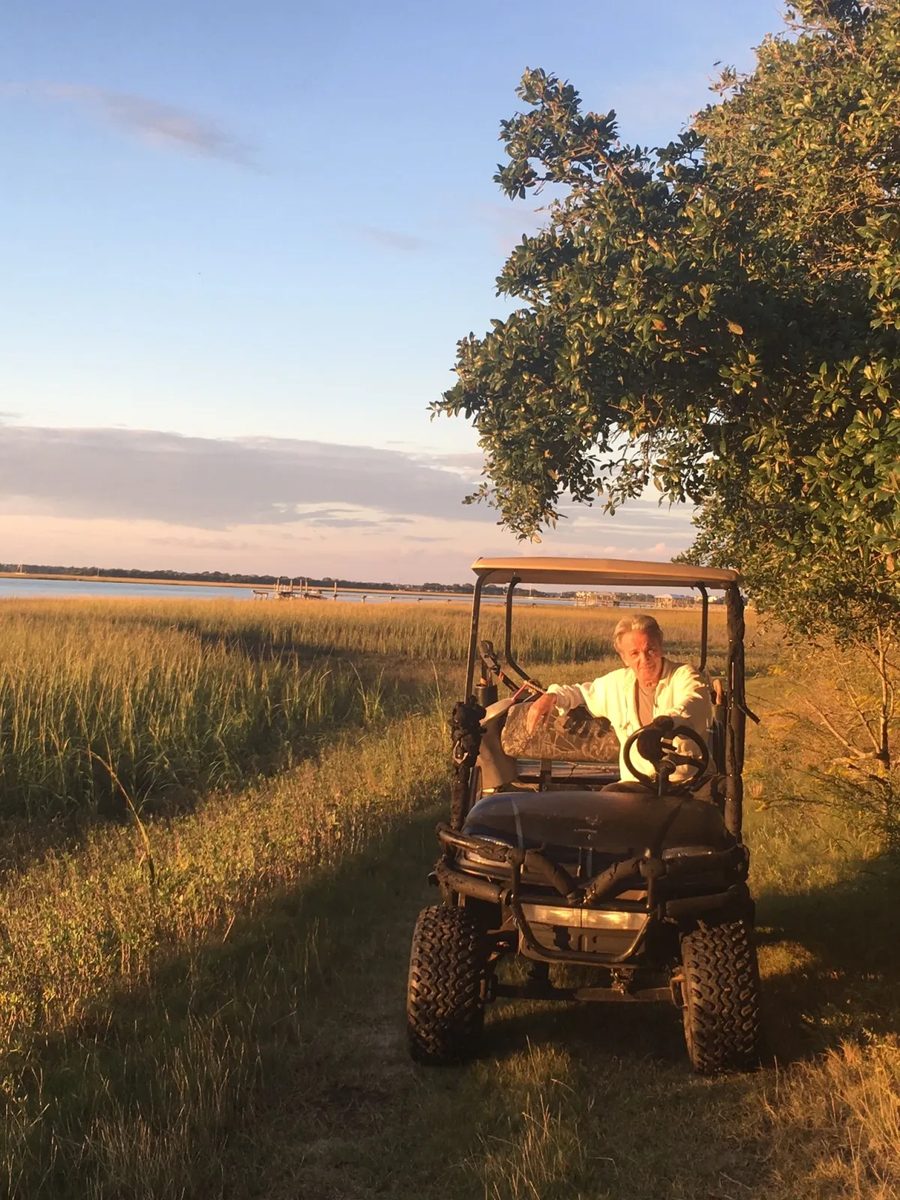
Jim Rocco resists the traditional label of "landowner," preferring instead to view himself as a temporary guardian of a permanent landscape.
"In the end we made the decision together. Keep it as is. Keep it special," Rocco reflects on the initial gamble he and Shann took decades ago. "And now it’s just a little gem. You come here and your world stops here."
His philosophy bridges a profound respect for nature with an uninhibited, tactile appreciation for artistic expression.
"Make magic. Be inspired. Get back to nature. For me, it’s that simple," Rocco explains.
This ethos manifests tangibly in his relationship with the American College of Building Arts in nearby Charleston. Rocco regularly mentors students from the institution, providing emerging artisans with essential early-career commissions. Among the ambitious pieces slated for permanent installation on the River House grounds are a towering seven-foot "Lizard Man" statue, a stylized Medusa head, and an ornate Poseidon throne.
Furthermore, Rocco’s public art installations—most notably his monumental American flags constructed from stacked logs—serve as community anchors. Replacing the traditional stars on these wooden flags are deeply personal and culturally resonant artifacts: Civil War bullets, an antique trombone, and his grandfather’s old pickax head. His largest flag installation, located on Huron Avenue, incorporates reclaimed timber from the former Folly Beach Pier to honor the construction workers who erected the new municipal pier ahead of schedule and without complaint.
Future Outlook: Preserving the Legacy
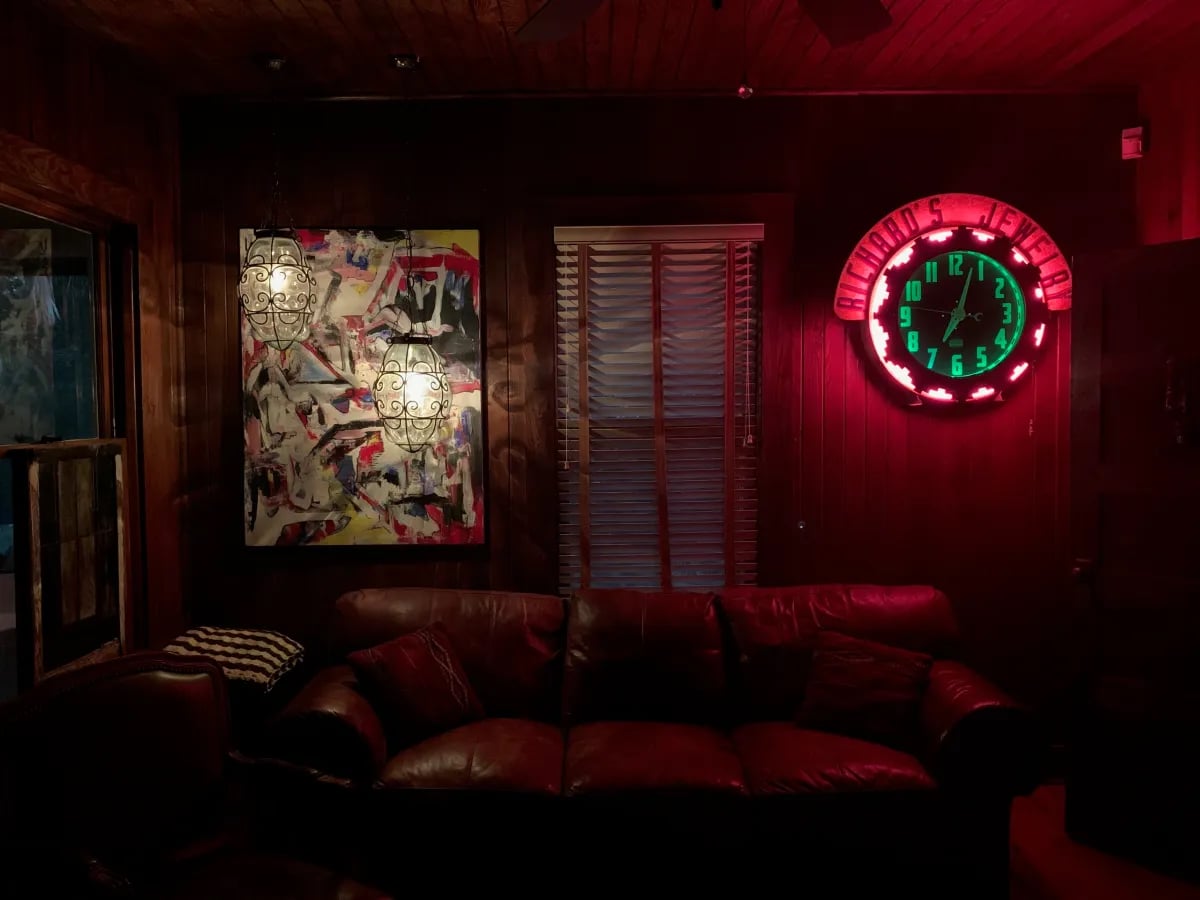
As the Folly River House looks toward the future, plans are underway to ensure its unique cultural and ecological missions endure. While the rustic early-1900s home is occasionally made available to travelers via platforms like Airbnb, its primary function remains deeply personal—serving as an inspirational retreat for Rocco, his family, and invited artists.
Looking ahead, Rocco is formalizing an intimate events business tailored specifically to the site’s unique aesthetic and natural capacity. Crucially, stewardship of the Folly River House is slated to pass to the next generation, with plans to place the enterprise under the direct charge of Rocco’s daughter.
In an era defined by rapid urbanization, digital saturation, and the relentless homogenization of coastal landscapes, Jim Rocco’s eighteen-acre sanctuary stands defiant. It is a living testament to the power of patience, the value of ecological stewardship, and the enduring magic of the American South’s wild edges.



0 Comments